





Executive Summary
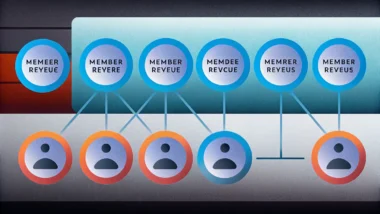
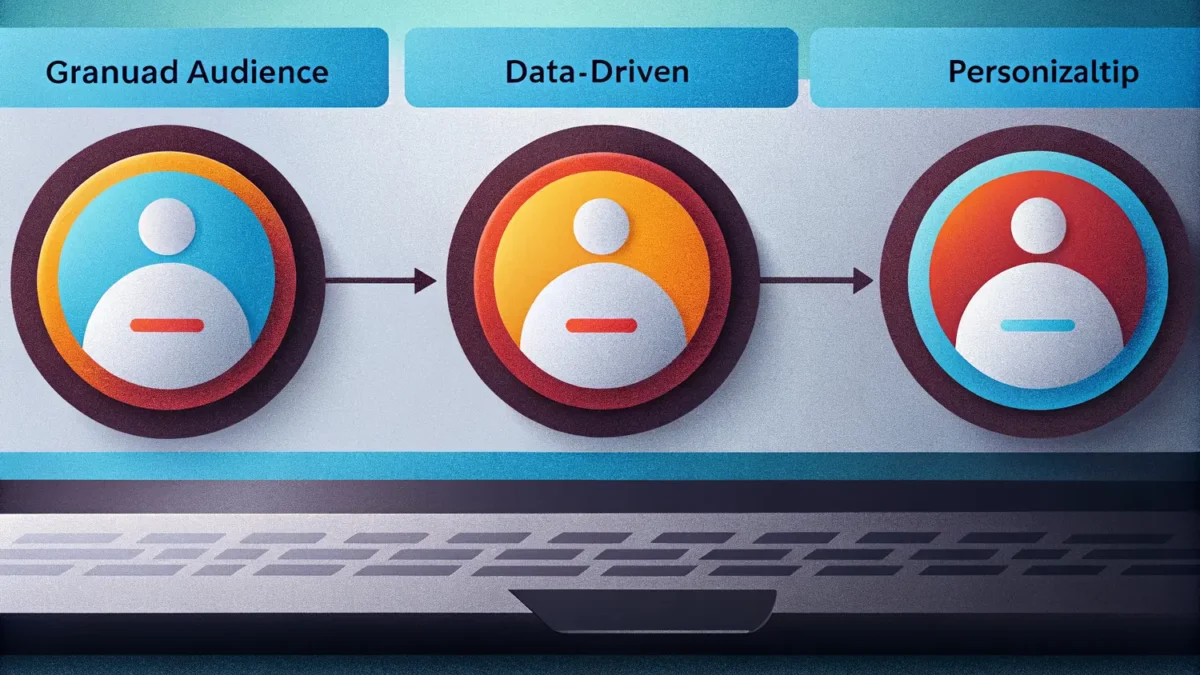
- Definition: Micro-targeting is a data-driven marketing strategy that segments audiences into granular groups based on demographics, behaviors, psychographics, and contextual signals to deliver personalized messaging at scale.
- Technical Foundation: It leverages machine learning, predictive analytics, and real-time data integration from CRM, web analytics, and third-party sources to identify high-propensity segments.
- Strategic Impact: When executed correctly, micro-targeting reduces customer acquisition costs (CAC) by up to 40%, improves conversion rates, and enhances customer lifetime value (CLV) through relevance.
What is Micro-Targeting?
Micro-targeting is a precision marketing technique that divides a broad audience into extremely specific subgroups—often as small as a few hundred individuals—based on a combination of demographic, behavioral, psychographic, and contextual data points.
Unlike traditional segmentation, which groups by age or location, micro-targeting uses machine learning algorithms to analyze thousands of signals—such as browsing history, purchase intent, social media activity, and device usage—to predict which individuals are most likely to convert.
This approach is widely used in political campaigns, e-commerce, B2B account-based marketing, and high-stakes customer acquisition where relevance directly impacts ROI.
The Real-World Analogy
Imagine a master archer who doesn’t just aim at the target—they know the exact wind speed, arrow weight, and the target’s movement pattern before releasing. Micro-targeting is that level of precision in marketing.
Instead of spraying a broad message to everyone, you craft a unique arrow for each individual based on their specific context, increasing the probability of hitting the bullseye (conversion).
How Micro-Targeting Drives Strategic Growth & Market Competitiveness?
Micro-targeting directly improves marketing efficiency by reducing wasted ad spend. By focusing budget on high-propensity segments, businesses can lower CAC while increasing conversion rates.
It also enables hyper-personalized customer experiences, which boost engagement and loyalty. For example, a travel company can target users who searched for “luxury beach resorts” in the last 7 days with a specific offer, rather than a generic vacation ad.
From a competitive standpoint, micro-targeting allows smaller brands to compete with larger ones by focusing resources on the most profitable niches, rather than mass-market campaigns.
Strategic Implementation & Best Practices
- Data Integration: Unify first-party data (CRM, website behavior) with second- and third-party data (purchase intent, firmographics) using a Customer Data Platform (CDP) to create a single source of truth.
- Predictive Modeling: Use machine learning models (e.g., random forest, gradient boosting) to score leads based on conversion probability, then allocate budget to the top deciles.
- Dynamic Creative Optimization (DCO): Pair micro-targeted segments with automated ad creative that adapts messaging, imagery, and CTAs based on the segment’s attributes.
- Privacy Compliance: Ensure all data collection and targeting comply with GDPR, CCPA, and other regulations. Use anonymized identifiers and obtain explicit consent where required.
- A/B Testing at Scale: Continuously test segment definitions and messaging using multi-armed bandit algorithms to avoid overfitting and maintain performance.
Common Pitfalls & Strategic Mistakes
One major pitfall is over-segmentation, where segments become too small to achieve statistical significance, leading to unreliable targeting and wasted budget. Always ensure segments have a minimum viable size for meaningful analysis.
Another mistake is relying solely on historical data without accounting for real-time intent signals. This can result in targeting users who have already converted or lost interest. Implement real-time data streams to refresh segments dynamically.
Finally, ignoring privacy regulations can lead to legal penalties and brand damage. Always audit data sources and targeting practices for compliance.
Conclusion
Micro-targeting is a powerful, data-intensive strategy that, when executed with robust data infrastructure and ethical practices, significantly improves marketing ROI and competitive positioning.