




Key Takeaways
- DeepSeek suffered a massive data breach exposing over 1 million records, including user chat logs.
- The leaked data was indexed by Google, making private conversations publicly searchable.
- The incident highlights critical data residency and privacy risks in AI chatbot usage.
When Private Conversations Become Public Search Results
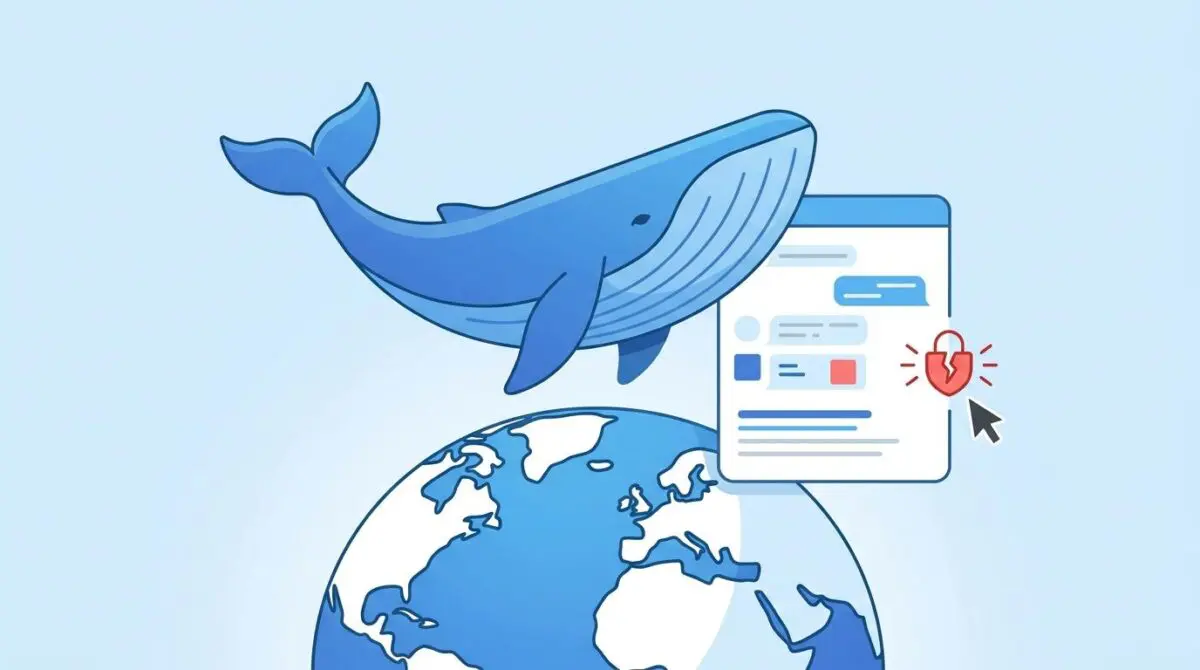
DeepSeek is now at the center of a privacy crisis. A massive data breach has exposed over 1 million sensitive records, including internal developer notes and anonymized user interactions. Worse still, portions of the leaked data have been indexed by Google, making private AI chats publicly searchable.
The breach, which followed a large-scale cyberattack, forced DeepSeek to suspend new user registrations outside mainland China on January 29, 2025. The leaked dataset includes user chat logs that were never meant to see the light of day, raising alarming questions about data security and privacy in the AI era.
Table of Contents
Inside the DeepSeek Data Leak
The breach, first reported by cybersecurity researchers, originated from a sophisticated cyberattack on DeepSeek’s infrastructure. The attackers exfiltrated over 1 million records, including internal developer notes, API keys, and — most concerning — anonymized user chat logs.
The data breach leaked more than 1 million sensitive records online, including internal developer notes and anonymized user interactions. This dataset was subsequently indexed by Google, meaning anyone could search for and find these private conversations.
DeepSeek’s response was immediate but limited. The company suspended new user registrations outside mainland China, but existing users continued to face potential exposure. The incident underscores the vulnerability of cloud-based AI services where user data resides on centralized servers.
Broader Implications for AI Privacy and Security
The DeepSeek breach is not an isolated incident. It highlights systemic risks in the AI industry, particularly for companies operating across jurisdictions with differing data protection standards. TechRadar notes that when using the online version of DeepSeek, user inputs may be logged and stored on servers located in mainland China, where data is subject to Chinese law permitting government access.
The open-source nature of DeepSeek’s models offers a theoretical workaround: users can run the models locally or in a secure cloud environment to circumvent data-residency concerns. However, the vast majority of consumers and many enterprises use the hosted version, exposing them to these risks.
Multiple governments and organizations have already restricted DeepSeek, citing national security and data privacy concerns, as reported by Britannica. This breach will likely accelerate such actions, potentially fragmenting the global AI market along data sovereignty lines.
Moreover, DeepSeek enforces strict censorship aligned with Chinese government policies, refusing to answer politically sensitive questions, as also noted by Britannica. This combination of data vulnerability and content control raises unique challenges for users in democratic jurisdictions.
The fact that the leaked data ended up on Google search adds a new dimension to the privacy debate. Even ‘anonymized’ data can be re-identified, and the permanence of search engine indexing makes containment nearly impossible.
Securing AI in an Era of Open Models
The DeepSeek data breach serves as a stark reminder that the convenience of cloud-based AI comes with significant privacy trade-offs. As AI models become more powerful and integrated into daily life, the security of user data must be a top priority. The incident also underscores the importance of data localization and the need for robust encryption and access controls.
For AI professionals and enterprises, the lesson is clear: vetting the data handling practices of AI service providers is no longer optional. The DeepSeek leak is a cautionary tale that will shape user trust and regulatory scrutiny for years to come.
This incident underscores the critical importance of data security in AI applications. If you’re looking to integrate AI into your content strategy while maintaining strict privacy and performance standards, consider a partnership that prioritizes these values. Andres’ programmatic SEO and AI automation services are designed to help you leverage AI safely and effectively. To learn more about securing your digital infrastructure, connect with Andres, and explore how Andres SEO Expert can support your goals.
Frequently Asked Questions
What happened in the DeepSeek data breach?
DeepSeek suffered a massive cyberattack that exposed over 1 million sensitive records, including internal developer notes, API keys, and anonymized user chat logs. The leaked data was subsequently indexed by Google, making private AI conversations publicly searchable.
How did the DeepSeek data get indexed by Google?
According to cybersecurity researchers, the exfiltrated dataset was published online and then crawled and indexed by Google’s search engine. This means anyone could search for and find the private chat logs and other sensitive information.
What data was exposed in the DeepSeek leak?
The leaked dataset includes over 1 million records containing internal developer notes, API keys, and anonymized user interactions (chat logs). While the user data was anonymized, re-identification remains a concern due to the richness of the conversations.
How did DeepSeek respond to the breach?
DeepSeek suspended new user registrations outside mainland China on January 29, 2025, but continued serving existing users. The company has not disclosed the full extent of the breach or offered individual notifications to affected users at the time of reporting.
Can users run DeepSeek models locally to avoid data risks?
Yes, because DeepSeek’s models are open-source, users can run them locally or in a secure cloud environment. This avoids sending data to servers in mainland China, where data is subject to Chinese law permitting government access. However, most consumers and enterprises use the hosted version, which exposes them to these risks.
Why are governments restricting DeepSeek?
Multiple governments and organizations have restricted DeepSeek due to national security and data privacy concerns. The breach, combined with DeepSeek’s compliance with Chinese censorship laws and potential government access to user data, has accelerated these actions, potentially fragmenting the global AI market along data sovereignty lines.