





Key Points
- Semantic Vector Resolution: Transitioning from traditional HTML DOM structures to high-density semantic vectors is critical to closing the Attribution Decay Gap in modern search.
- Hybrid RAG Pipelines: Implementing hybrid retrieval with NLP-driven semantic chunking eliminates ‘Top-K Noise’ and dramatically reduces high-confidence LLM hallucinations.
- Compute Protection: Differentiating between search-time and training bots allows enterprises to deploy strategic 402-based paywalls, protecting server compute from aggressive scraping.
Table of Contents
The Invisible Void of Semantic Exclusion
The harsh reality of modern search is that ranking first on traditional search engine results pages no longer guarantees visibility.
We are witnessing a massive architectural shift that exposes a critical flaw in legacy optimization strategies known as the Attribution Decay Gap.
Traditional HTML structures often fail to resolve into high-density semantic vectors during the ingestion phase of large language models.
Because of this structural failure, top-ranking content is systematically excluded from context windows and crucial AI Overview citations.
To survive this transition, forward-thinking enterprises must pivot toward autonomous context-injection and retrieval-augmented generation alignment.
This methodology bypasses brittle document object model parsing. It directly feeds pre-processed, mathematically aligned knowledge graphs into the neural pathways of generative engines.
Structuring your digital footprint for autonomous machine ingestion ensures your brand remains the foundational truth layer for AI-driven answers.
Decoding the Analytics of Inference Credibility
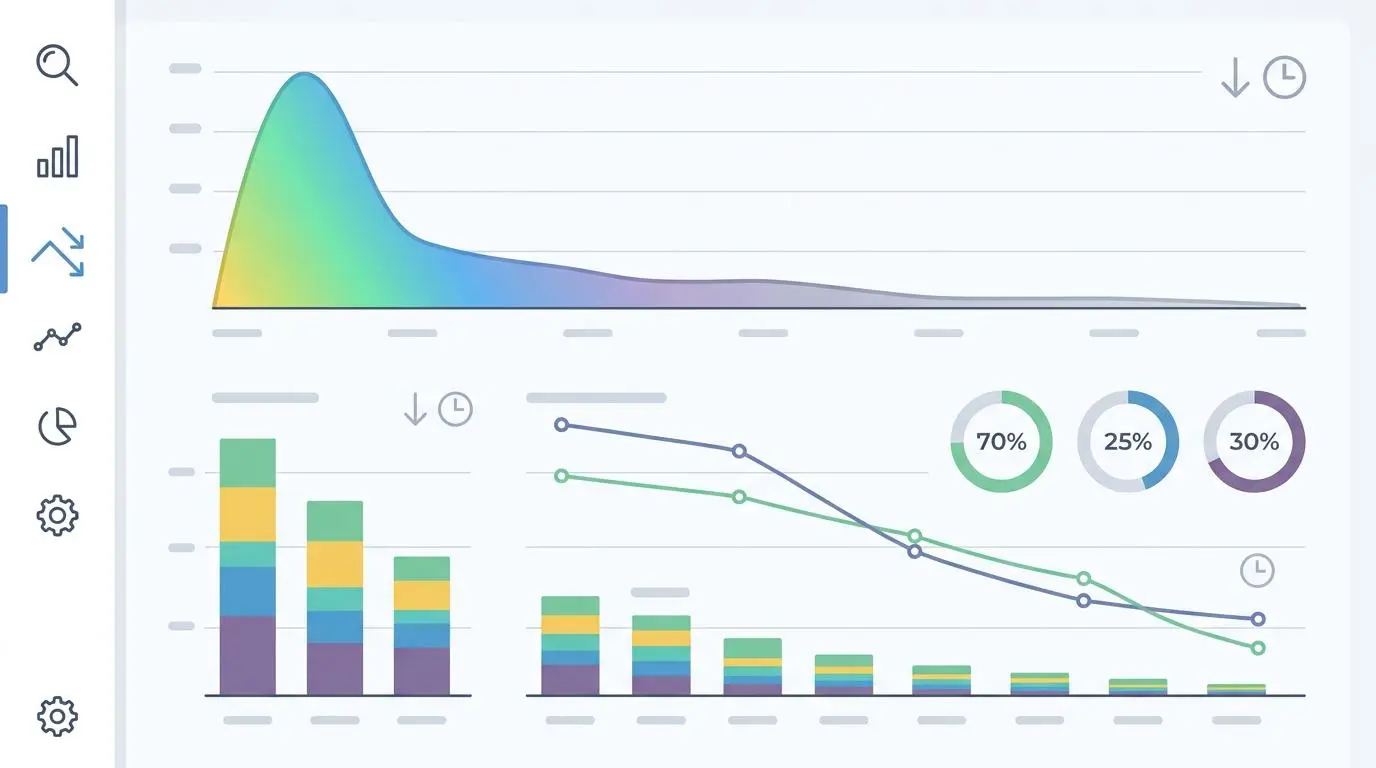
The era of tracking keyword rankings as a primary performance indicator is rapidly coming to an end.
Industry leaders are pivoting entirely to inference credibility. This metric determines if a source is authoritative enough for a language model to cite as a primary factual node.
This shift accelerates the obsolescence of traditional keyword difficulty metrics, pushing legacy tools toward irrelevance.
The urgency of this transition is underscored by recent data. Research by Ahrefs in April 2026 confirmed that the presence of an AI Overview correlates with a 58% lower average click-through rate for the top-ranking organic page.
This massive click-through decay means that if your content is not synthesized by the artificial intelligence, your organic traffic will simply evaporate.
However, the upside of mastering inference credibility is unprecedented for early adopters.
According to a recent Newsweek Scribewise survey, the vast majority of professional services firms have successfully captured leads directly through conversational search responses.
To accurately measure these answer engine conversions, server log analysis now distinguishes between search-time bots and training bots. This ensures that metric tracking is never skewed by non-converting data scrapers.
Understanding this distinction is vital for accurate attribution engineering and calculating the true return on investment for your optimization campaigns.
Engineering the Answer Engine Pipeline
Overcoming Volatility in AI Overviews

Google AI Overviews now appear in a majority of informational queries, fundamentally altering the top-of-funnel discovery process.
Yet, the real-world friction for brands lies in the extreme volatility associated with maintaining this visibility.
Recent industry research found that only a fraction of brands maintained visibility across consecutive model refreshes for the exact same prompt.
This instability occurs because language models dynamically re-weight source credibility during every single inference cycle.
Optimization now requires the programmatic injection of direct answer schemas straight into the semantic markup of the page.
Maintaining this valuable digital real estate demands continuous monitoring via advanced citation application programming interfaces.
By leveraging these endpoints, search architects can detect attribution drop-offs in real-time and dynamically adjust entity relationships to regain model confidence.
Structuring Hybrid Retrieval for Semantic Clarity
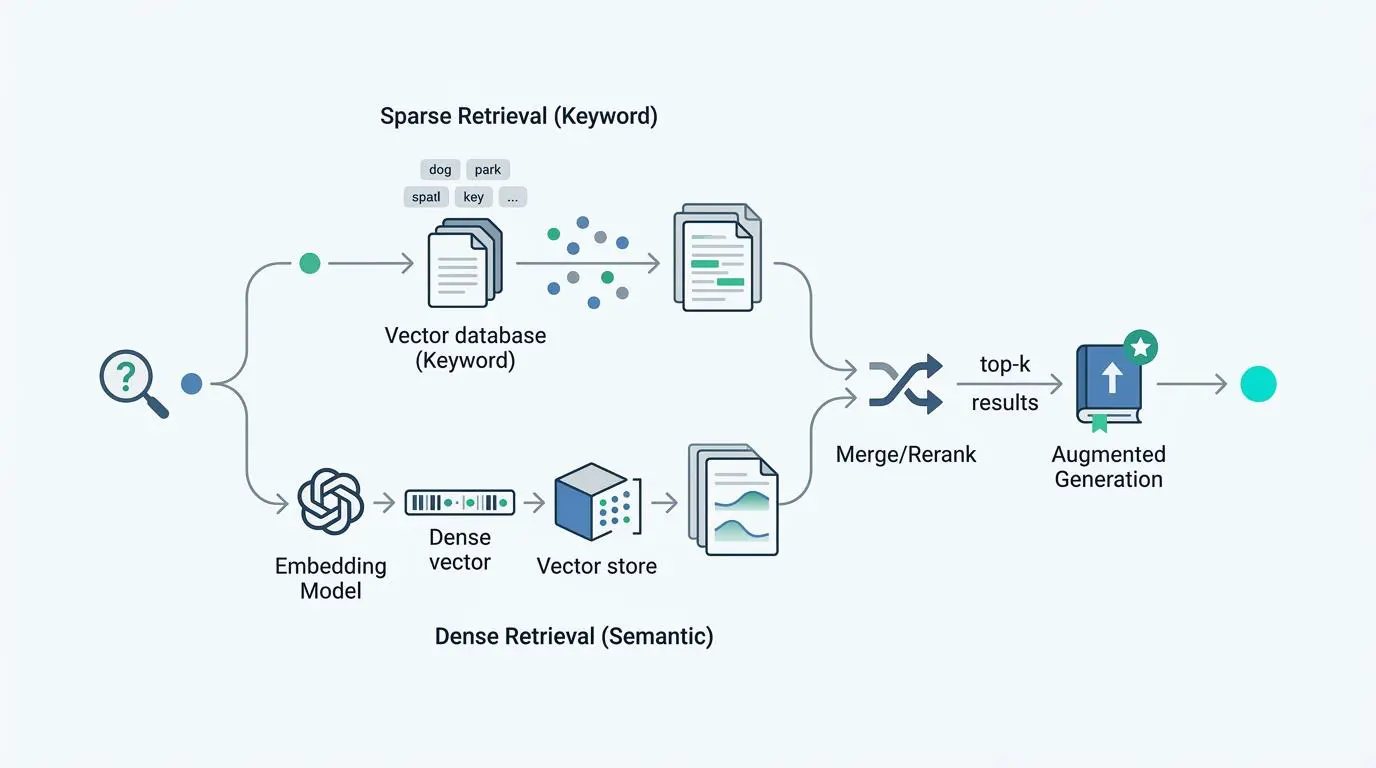
Modern generative engine optimization involves structuring data specifically for hybrid retrieval-augmented generation pipelines.
These advanced architectures combine traditional lexical search with dense vector retrieval using specialized vector databases.
However, many engineering teams immediately encounter the top-k noise problem when deploying these complex systems.
Standard retrieval pipelines often pull semantically relevant but factually outdated fragments from unstructured web pages.
This directly leads to high-confidence hallucinations in synthesized search results, ultimately destroying user trust.
The solution lies in leveraging natural language processing to pre-chunk content into semantically complete nodes before vectorization.
Ensuring that every chunk contains full contextual meaning eliminates retrieval noise and aligns perfectly with the demand for factual density.
Defending Compute Architectures from Training Agents
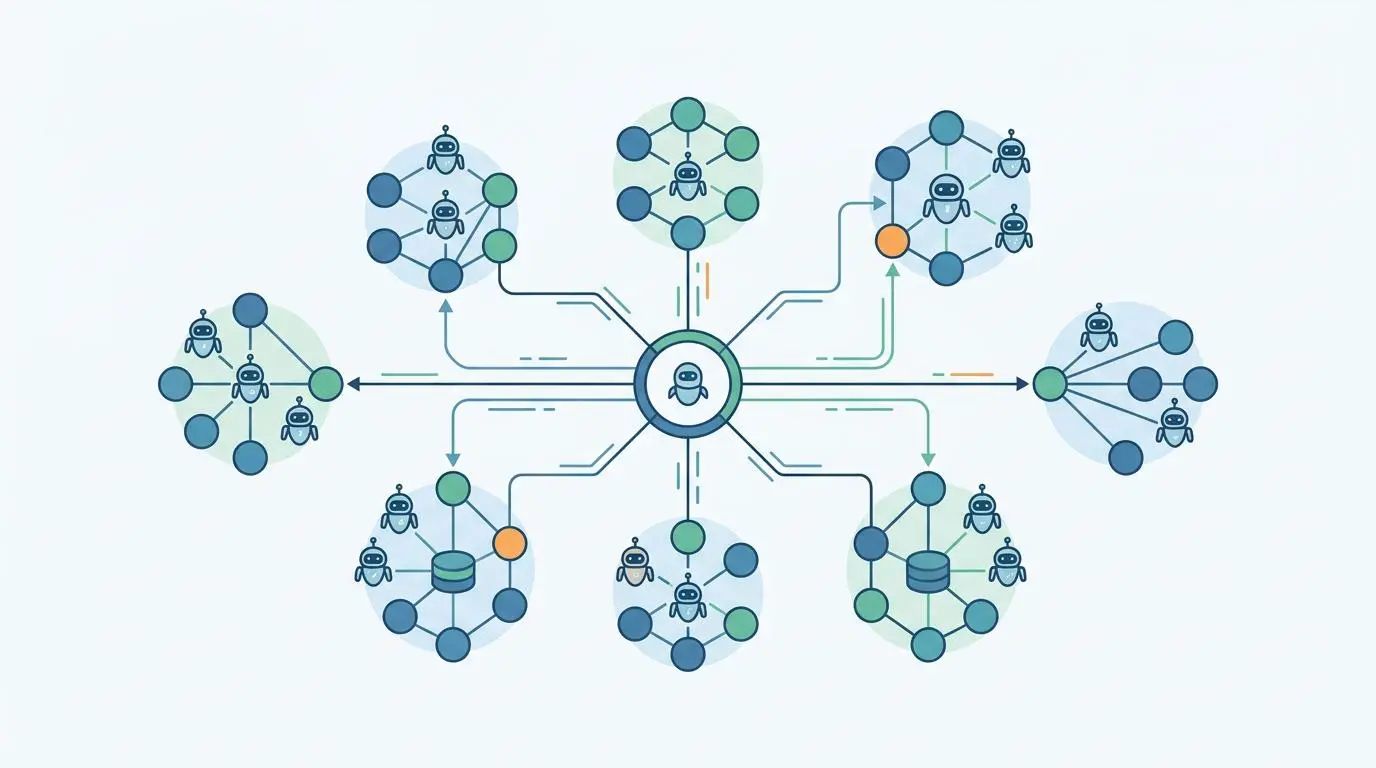
The proliferation of artificial intelligence crawlers has created a massive efficiency disparity for web hosting architectures.
Recent network data shows that certain training bots maintain a staggering crawl-to-refer ratio.
This aggressive scraping drains enterprise compute resources without providing any tangible referral traffic in return.
While some protocols allow publishers to opt out of training while remaining visible, many rogue agents ignore standard exclusion directives.
To combat this resource drain, publishers are increasingly forced to implement aggressive paywalling at the network edge.
This strategy effectively blocks high-compute training agents while seamlessly allowing search-time bots to ingest content for real-time user queries.
Protecting your infrastructure in this manner is now a mandatory component of any technical optimization strategy.
Automating Brand Sentiment within Black-Box Models
Enterprises are rapidly adopting share of model tracking to understand exactly how they are perceived by artificial intelligence.
Using specialized monitoring tools, brands can track competitive positioning and sentiment within black-box model responses.
This proactive monitoring is critical due to the severe and growing risk of reputational drift.
Recent studies reveal that a significant percentage of enterprise brands report active hallucinations negatively impacting their market position.
When a language model hallucinates a negative feature about your product, it becomes a self-reinforcing factual node for future queries.
Automating sentiment detection allows brands to deploy corrective context-injection campaigns immediately.
By flooding the ecosystem with high-density, mathematically aligned counter-narratives, you can forcefully overwrite flawed internal weights.
The Dawn of Agentic Interaction Management
We are standing on the precipice of a massive evolution, transitioning from generative engine optimization to agentic interaction management.
In the near future, websites will no longer be designed primarily for human visual consumption.
Instead, they will function as headless endpoints optimized for autonomous background search agents operating around the clock.
These agents will perform complex, multi-step task execution entirely without human-facing interface requirements.
Preparing for this future means structuring your data today so that it can be seamlessly transacted by autonomous machines tomorrow.
Navigating the intersection of generative optimization, search architecture, and workflow automation requires a sharp strategy. To future-proof your brand’s visibility and scale with precision, connect with Andres at Andres SEO Expert.
Frequently Asked Questions
What is the Attribution Decay Gap in modern SEO?
The Attribution Decay Gap occurs when traditional HTML structures fail to resolve into high-density semantic vectors during Large Language Model (LLM) ingestion. This failure leads to high-ranking content being systematically excluded from AI Overview citations and context windows.
How does Inference Credibility impact search visibility?
Inference Credibility is a metric that determines if a source is authoritative enough for an LLM to cite as a primary fact-node. As traditional keyword metrics become obsolete, establishing high Inference Credibility is essential for remaining a foundational truth layer for AI-driven answers.
How much do AI Overviews reduce organic click-through rates?
Research from 2026 shows that the presence of an AI Overview correlates with a 58% lower average click-through rate for the top-ranking organic page, a phenomenon known as AIO Click-Through Decay.
What is the ‘Top-K Noise’ problem in Hybrid RAG systems?
The ‘Top-K Noise’ problem occurs when RAG pipelines retrieve semantically relevant but factually outdated fragments from unstructured HTML. This often leads to high-confidence hallucinations, which can be mitigated by pre-chunking content into semantically complete nodes before vectorization.
How can enterprises protect their compute resources from AI crawlers?
Enterprises are increasingly implementing 402-based paywalling at the edge to block high-compute training agents like ClaudeBot, which can have massive crawl-to-refer ratios, while still allowing search-time bots to ingest content for user queries.
What is Agentic Interaction Management (AIM)?
Agentic Interaction Management (AIM) is the transition from human-centric web design to creating headless API endpoints. This allows autonomous agents to perform complex, multi-step tasks like B2B procurement and bookings without the need for a traditional visual user interface.