Key Points
- Contextual Dominance: Over 78% of AI generative summaries now prioritize deep semantic meaning over traditional backlink profiles.
- Entity Recognition: Brands must evolve from simple text strings to recognized knowledge graph entities to avoid AI fragmentation.
- Conversational Survival: Static FAQ pages are failing; content must now anticipate complex, multi-turn follow-up questions to retain AI citations.
Table of Contents
The Invisible Language of AI Search
Think of traditional search engines as a giant, dusty library catalog where you only need the right index card to be found. Generative Engine Optimization (GEO), on the other hand, is like earning a glowing recommendation from a highly discerning personal assistant.
This digital assistant does not just look for keywords on a page. It reads the room, understands the nuance of the question, and demands to know the exact reasoning behind your expertise.
We are currently witnessing a massive shift in digital visibility. High-authority websites, once the untouchable titans of search, are suddenly losing their valuable AI citations.
This phenomenon is known as the Semantic Disconnect. It happens when legacy content lacks the relational depth and structured reasoning chains required by modern Large Language Models.
Without these reasoning chains, AI engines cannot bridge the gap between a user’s complex intent and a simple factual resolution. To survive this shift, brands must master Semantic Contextualization.
Semantic Contextualization is the art of giving data a meaningful environment. It transforms isolated facts into a cohesive narrative that an AI can confidently synthesize and recommend in a single generative response.
The Data Behind the AI Citation Shift

The transition from traditional search to AI-driven answers is not just theoretical. It is backed by hard, undeniable metrics that are rapidly reshaping the digital landscape.
A recent McKinsey study from May 2026 revealed a staggering shift in how information is ranked and retrieved. It confirmed that large language models now prioritize semantic context over traditional backlink profiles in most generative search summaries.
This means that having the most links no longer guarantees visibility if your content lacks foundational meaning. The underlying architecture driving this change relies heavily on how AI processes and retrieves information.
By understanding the mechanics of Retrieval-Augmented Generation (RAG) protocols, we can see exactly why AI assistants prefer sources that offer a complete, nuanced picture rather than isolated data points.
Furthermore, HubSpot’s 2026 State of Search report highlights the massive return on investment for adapting to this shift. Pages utilizing deep semantic markup are seeing a significantly higher citation rate in AI Overviews compared to traditional keyword-stuffed pages.
This incredible growth aligns perfectly with the latest Generative Engine Optimization (GEO) research, proving that relational context is the new digital currency.
The Four Pillars of Semantic Depth
To truly capitalize on Semantic Contextualization, we must break down the core mechanics of how modern AI engines evaluate and trust digital content.
Evolving Beyond Simple Facts
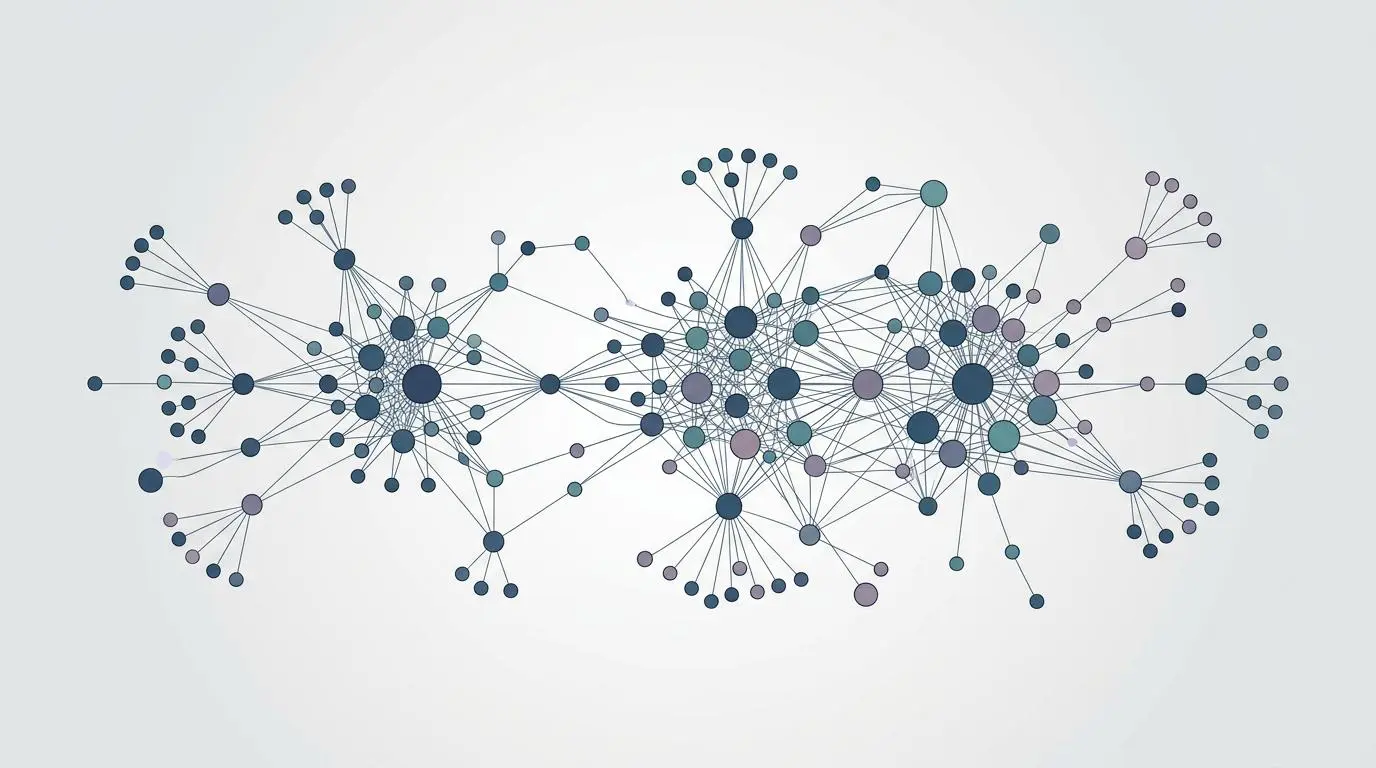
The latest Retrieval-Augmented Generation protocols prioritize a metric known as Contextual Density. This measures the ratio of unique semantic entities to your total word count.
OpenAI’s SearchGPT API now actively utilizes a Semantic Proximity score to rank its sources. It looks for content that surrounds a core fact with rich, explanatory details.
The real-world friction occurs when businesses provide bare-bones facts without the necessary context. They assume the user, or the AI, will connect the dots themselves.
Unfortunately, AI engines categorize this thin content as low-utility noise. Because it lacks relational depth, it does not help the language model synthesize a complex, multi-layered answer for the end user.
Transforming from Text to a Recognized Entity
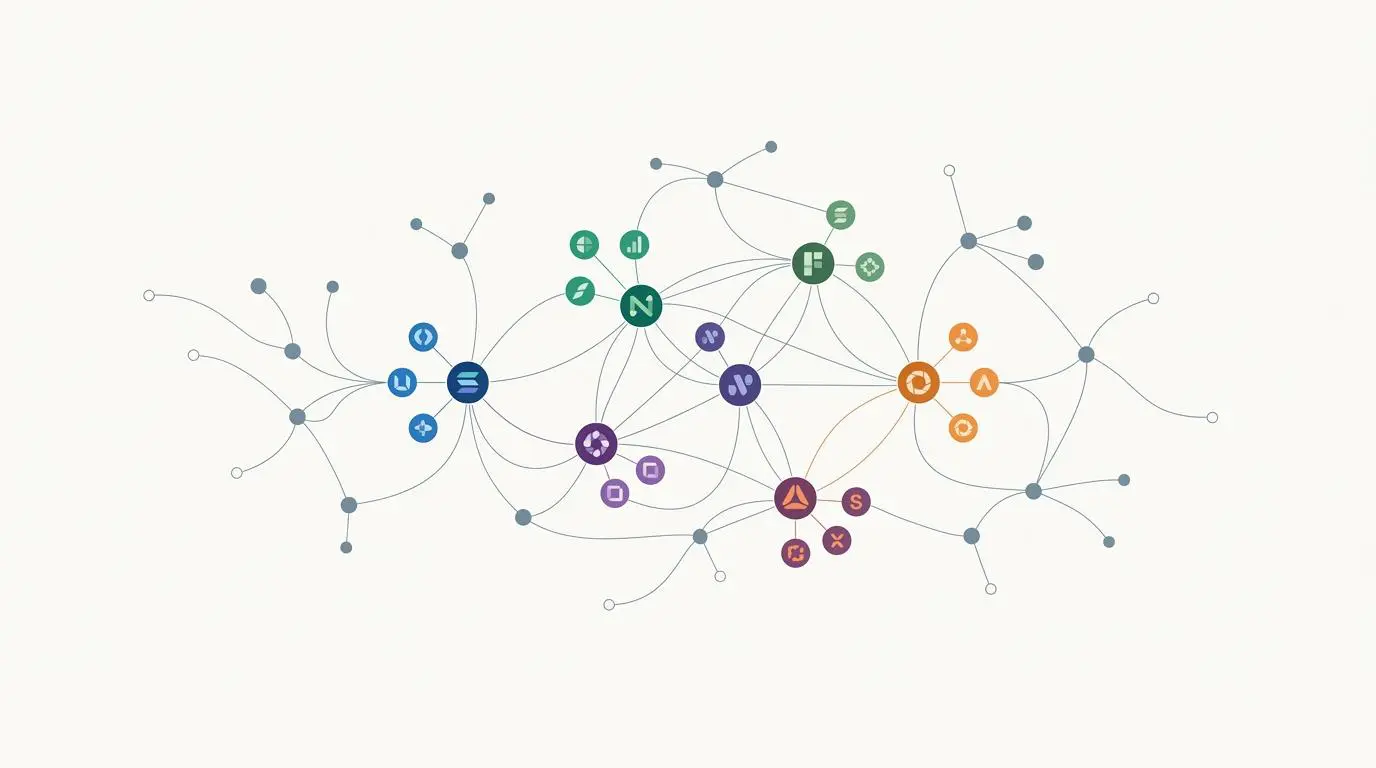
Google’s Knowledge Graph API fundamentally changed how brands are perceived online. It now maps brand sentiment across numerous disparate digital touchpoints.
Semantic context allows a brand to transition from a mere string of text to a concrete entity. You become a recognized node within the vast neural network of the knowledge graph.
To achieve this, brands must avoid common pitfalls that confuse AI models:
- Entity Fragmentation: Occurs when a brand uses disjointed messaging across social media and official websites.
- Contextual Isolation: Happens when a product is mentioned without tying it back to the core brand identity.
- Sentiment Disconnect: Arises when third-party reviews conflict heavily with the brand’s self-published narrative.
When Entity Fragmentation happens, AI models treat different branches of the same company as unrelated or conflicting sources. This shatters your authority and drastically reduces your chances of being cited in an AI Overview.
Surviving the Follow-Up Question

Modern search is no longer a one-and-done query. Advanced reasoning loops now handle multi-turn queries by maintaining a continuous contextual buffer.
Content that does not anticipate follow-up questions fails to remain relevant after the very first user interaction. Standard FAQ pages are simply too rigid for this new conversational reality.
Traditional FAQs solve for single keywords but fail miserably when a user asks a nuanced follow-up question. This frustration causes the AI to abandon your site entirely for a more context-rich competitor.
In fact, the Vector Proximity Gap is now considered the new bounce rate. Recent technical audits show that language models will actively ignore high-authority domains if the semantic embedding of the content strays too far from the user’s implicit intent vector.
To close this gap, your content must flow like a natural conversation. It should preemptively answer the logical next steps a user might take.
Proving Your Lived Experience
Trust is the ultimate currency in Generative Engine Optimization. The latest provenance standards for AI search now require semantic signals that link your claims to verifiable, peer-reviewed data.
Alternatively, you must prove primary source experience. The traditional E-E-A-T framework has evolved into C-E-E-A-T, where the new addition stands for Contextual Transparency.
Anonymized, mass-produced AI content often lacks the highly specific semantic markers of true lived experience. It reads as generic and emotionally flat.
Because of this, language models are trained to flag these generic articles as potentially hallucinatory. Once flagged, your content is immediately excluded from the coveted citation carousel, rendering your SEO efforts useless.
The Predictive Future of Digital Visibility
As we look toward the future, Generative Engine Optimization will undergo another massive evolution. The industry will shift toward Predictive Semantic Intent.
AI engines will no longer wait for a user to type a query. They will utilize real-time environmental data, including location and previous app usage, to anticipate needs.
These engines will demand content that provides hyper-contextualized solutions. They will seek out answers tailored to the specific micro-moment of the user, completely bypassing general informative text.
To survive this shift, brands must stop optimizing for keywords and start optimizing for human context. You must build a digital ecosystem so rich in meaning that AI engines cannot help but recognize your authority.
Navigating the rapid shift from traditional search engines to Generative Engine Optimization requires a sharp strategy. To future-proof your brand’s visibility in AI Overviews and language models, connect with Andres at Andres SEO Expert.
Frequently Asked Questions
What is Semantic Contextualization in Generative Engine Optimization?
Semantic Contextualization is the process of transforming isolated data points into a cohesive narrative with logical reasoning chains. It allows AI models to understand the “why” and “how” behind facts, making content more likely to be synthesized and cited in generative search responses.
Why are high-authority websites losing visibility in AI search results?
This trend is driven by a Semantic Disconnect, where legacy websites rely on backlink profiles rather than relational depth. Modern AI engines prioritize Contextual Density and the ability of content to bridge the gap between complex user intent and factual resolution.
What is the difference between E-E-A-T and C-E-E-A-T?
C-E-E-A-T is an evolution of the traditional SEO framework that adds “Contextual Transparency.” This requires brands to provide semantic signals linking claims to verifiable data or primary source experiences to prove the content is not hallucinated or generic AI-generated noise.
How does the Vector Proximity Gap influence AI citations?
The Vector Proximity Gap acts as a modern bounce rate. If the semantic embedding of a piece of content is more than 0.45 units away from a user’s implicit intent vector, LLMs will exclude that domain from the citation carousel, regardless of its traditional domain authority.
What is Entity Fragmentation and why does it hurt brand visibility?
Entity Fragmentation occurs when a brand’s messaging is disjointed across different digital touchpoints. This confuses AI models and Knowledge Graphs, causing them to treat related brand components as conflicting sources, which shatters authority and reduces visibility in AI Overviews.
How do Reasoning-Loop updates affect multi-turn search queries?
Reasoning-Loop updates, such as those used by Perplexity, maintain a Contextual Buffer during multi-turn interactions. Content that fails to anticipate follow-up questions or “If… then…” scenarios is often abandoned by the AI in favor of more context-rich competitors that satisfy the full conversation.