Executive Summary
- Decoupled Architecture: A headless CMS separates the content management backend from the frontend presentation layer, enabling omnichannel content delivery via APIs.
- API-First Delivery: Content is served through RESTful or GraphQL APIs, allowing developers to use any frontend framework (React, Vue, Angular) for rendering.
- Scalability & Flexibility: This architecture supports high-traffic, multi-platform deployments (web, mobile, IoT) with improved performance and security.
What is Headless CMS?
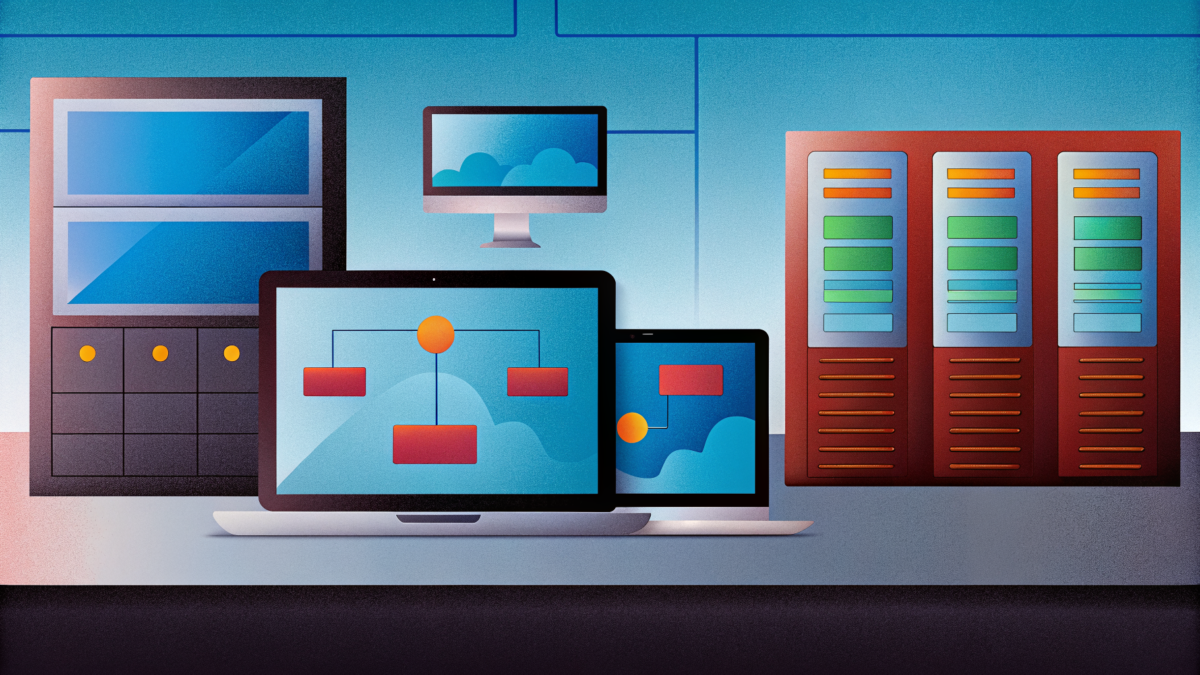
A Headless CMS is a content management system that decouples the backend content repository and management interface from the frontend presentation layer. Unlike traditional CMS platforms (e.g., WordPress, Drupal), a headless CMS provides content via APIs, typically REST or GraphQL, without dictating how or where that content is displayed.
This architecture enables developers to build custom frontends using modern JavaScript frameworks like React, Vue.js, or Angular, while content editors continue to use a familiar dashboard for content creation and management. The term “headless” refers to the absence of a built-in frontend (the “head”).
Headless CMS platforms are designed for omnichannel content delivery, serving the same content to websites, mobile apps, smartwatches, IoT devices, and even AR/VR experiences. This approach aligns with modern microservices architectures and Jamstack (JavaScript, APIs, Markup) development patterns.
The Real-World Analogy
Think of a headless CMS as a high-end restaurant kitchen. The kitchen (backend) prepares dishes (content) according to recipes (workflows) and stores them in a pantry (database). The waitstaff (API) delivers the dishes to customers, but the presentation (frontend) can be customized for each table—fine china for the dining room, eco-friendly plates for the patio, or takeout containers for delivery. The kitchen doesn’t care how the food is plated; it just ensures the food is ready and accessible.
In contrast, a traditional CMS is like a diner where the kitchen and dining room are combined—the cook also serves, and the menu is fixed. Any change to the menu requires remodeling the entire diner. A headless CMS allows the kitchen to serve any number of dining rooms, each with its own style, without changing the cooking process.
How Headless CMS Drives Strategic Growth & Market Competitiveness?
Adopting a headless CMS directly impacts business agility and time-to-market. Marketing teams can launch new digital experiences (e.g., a progressive web app, a voice assistant skill, or a smartwatch interface) without rebuilding the content infrastructure. This reduces development costs and accelerates campaign deployment.
From a technical perspective, headless CMS improves site performance and scalability. Content is delivered via CDN-friendly APIs, enabling static site generation (SSG) or server-side rendering (SSR) for optimal load times. This positively affects Core Web Vitals, SEO rankings, and user engagement metrics like bounce rate and conversion.
Additionally, headless CMS enhances security by reducing the attack surface. The backend is isolated from the frontend, so vulnerabilities in the presentation layer (e.g., XSS) do not compromise the content repository. This is critical for enterprise brands handling sensitive customer data.
Finally, headless CMS supports personalization and A/B testing at scale. Content can be tagged and structured for dynamic assembly, allowing marketers to deliver tailored experiences across segments without duplicating content. This drives higher customer lifetime value (CLV) and reduces churn.
Strategic Implementation & Best Practices
- Choose an API-First Platform: Select a headless CMS with robust, well-documented APIs (REST and GraphQL) and webhook support for real-time content updates. Evaluate providers like Contentful, Strapi, or Sanity based on your team’s technical expertise and scalability needs.
- Implement a Content Modeling Strategy: Define structured content types (e.g., articles, products, authors) with clear relationships and validation rules. Avoid monolithic “rich text” fields; instead, use modular components (blocks) for flexible reuse across channels.
- Leverage a CDN and Caching Layer: Use a CDN (e.g., Cloudflare, Fastly) to cache API responses and static assets. Implement incremental static regeneration (ISR) or on-demand revalidation to balance freshness with performance.
- Adopt a Git-Based Workflow: Store content models and configuration as code (e.g., using Contentful’s CLI or Strapi’s migrations). This enables version control, rollbacks, and CI/CD pipelines for content changes.
- Monitor API Performance and Usage: Set up monitoring for API response times, error rates, and rate limits. Use tools like Datadog or New Relic to ensure SLAs are met and to plan capacity upgrades.
Common Pitfalls & Strategic Mistakes
Over-Engineering the Frontend: Teams often build overly complex frontends with multiple frameworks or excessive client-side logic, negating the performance benefits of a headless CMS. Stick to a single, well-optimized framework and use server-side rendering where possible.
Neglecting Content Governance: Without a traditional WYSIWYG editor, content editors may struggle with structured content. Provide clear guidelines, training, and a user-friendly interface (e.g., custom previews, content validation) to maintain content quality.
Underestimating API Costs: High-traffic sites can incur significant API call costs, especially with SaaS headless CMS platforms. Implement caching aggressively and consider self-hosted solutions (e.g., Strapi, Ghost) for cost control.
Conclusion
A headless CMS is a strategic investment for organizations seeking omnichannel agility, superior performance, and future-proof content delivery. By decoupling content management from presentation, businesses can rapidly adapt to new digital touchpoints while maintaining a single source of truth.