Executive Summary
- iPaaS is a cloud-based suite enabling integration of applications, data, and processes across on-premises and cloud environments without custom coding.
- Key benefits include reduced integration complexity, faster time-to-market, and scalable connectivity for hybrid IT architectures.
- Strategic value lies in enabling real-time data synchronization, automating workflows, and supporting API-led connectivity for digital transformation.
What is Integration Platform as a Service (iPaaS)?
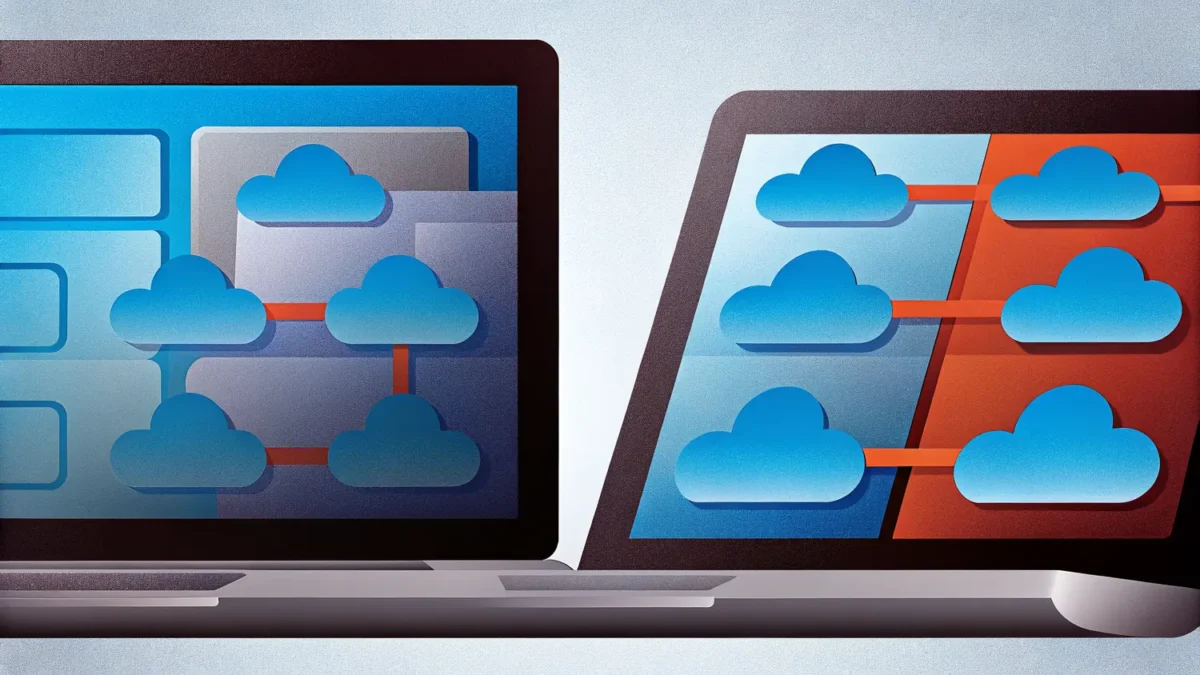
Integration Platform as a Service (iPaaS) is a cloud-based suite of tools that enables organizations to integrate applications, data, and processes across on-premises and cloud environments. It provides pre-built connectors, data mapping, transformation engines, and orchestration capabilities to streamline integration without extensive custom coding.
iPaaS platforms typically offer a visual interface for designing integration flows, support for various protocols (REST, SOAP, JDBC), and governance features like error handling and monitoring. They serve as a central hub for connecting SaaS applications, legacy systems, and data sources, enabling real-time data synchronization and process automation.
Modern iPaaS solutions also incorporate API management, event-driven architectures, and low-code capabilities, making them essential for enterprises adopting hybrid cloud strategies and digital transformation initiatives.
The Real-World Analogy
Think of iPaaS as a universal translator and logistics hub for a multinational corporation. Just as a translator converts languages and a logistics hub routes packages between different countries, iPaaS translates data formats and routes information between disparate applications. It ensures that a sales order from a CRM in one language (e.g., JSON) is correctly transformed and delivered to an ERP system that expects XML, without manual intervention.
This analogy highlights how iPaaS abstracts the complexity of point-to-point integrations, providing a centralized, scalable, and maintainable integration layer.
How Integration Platform as a Service (iPaaS) Drives Strategic Growth & Market Competitiveness?
iPaaS directly impacts business agility by reducing integration time from weeks to hours. This acceleration enables faster deployment of new SaaS tools, quicker mergers and acquisitions integration, and rapid response to market changes. By automating data flows between CRM, ERP, marketing automation, and analytics platforms, iPaaS ensures that decision-makers have access to accurate, real-time data.
From a cost perspective, iPaaS lowers total cost of ownership (TCO) by eliminating the need for custom point-to-point integrations and reducing maintenance overhead. It also improves data quality through built-in validation and transformation rules, leading to better customer insights and more effective marketing campaigns. In competitive markets, the ability to integrate and act on data faster creates a significant advantage.
Additionally, iPaaS supports API-led connectivity, enabling organizations to expose and manage APIs for partners and customers, thus creating new revenue streams and ecosystem value.
Strategic Implementation & Best Practices
- Adopt an API-first approach: Design integrations around reusable APIs to promote modularity and scalability. Use iPaaS to manage API lifecycle, security, and versioning.
- Implement robust error handling and monitoring: Configure alerts for failed integrations, set up retry mechanisms, and use dashboards to track data flow health. This ensures data integrity and minimizes downtime.
- Leverage pre-built connectors and templates: Utilize the iPaaS marketplace for common applications (Salesforce, SAP, AWS) to accelerate development. Customize only when necessary to maintain upgradeability.
- Establish data governance policies: Define data mapping standards, transformation rules, and security protocols (encryption, access controls) to ensure compliance with regulations like GDPR or HIPAA.
- Plan for scalability: Choose an iPaaS that supports elastic scaling and can handle increasing data volumes and transaction loads as your business grows.
Common Pitfalls & Strategic Mistakes
One frequent error is underestimating the complexity of data mapping and transformation. Organizations often assume that pre-built connectors handle all nuances, leading to data inconsistencies. It is crucial to invest time in understanding source and target data models and to test thoroughly.
Another pitfall is neglecting security and compliance. iPaaS platforms handle sensitive data; failing to configure proper encryption, access controls, and audit trails can result in data breaches and regulatory fines. Always review the iPaaS provider’s security certifications and shared responsibility model.
Finally, over-customization of integration flows can lead to technical debt and maintenance nightmares. Stick to standard patterns and use iPaaS’s low-code capabilities judiciously to keep integrations maintainable and upgradeable.
Conclusion
iPaaS is a critical enabler for modern, data-driven enterprises, providing the agility and scalability needed to integrate complex hybrid environments. By following best practices and avoiding common pitfalls, organizations can leverage iPaaS to drive operational efficiency and competitive advantage.