Key Takeaways
- Moonshot AI is preparing a Hong Kong IPO within six months at a valuation above $30 billion, following its Kimi K3 model’s benchmark-topping performance.
- DeepSeek aims for a Shanghai STAR market listing by Q2 2027, with a potential pre-IPO valuation of $71 billion, despite already being well-capitalized by founder Liang Wenfeng’s hedge fund.
- The Chinese AI IPO wave highlights a strategic onshore-offshore split: ‘national champions’ like DeepSeek choose mainland exchanges, while consumer internet firms like Moonshot favor Hong Kong for international capital access.
Moonshot and DeepSeek Hit the Accelerator on IPO Plans After Landmark Model Launches
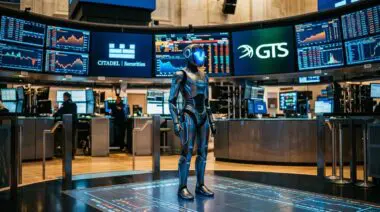
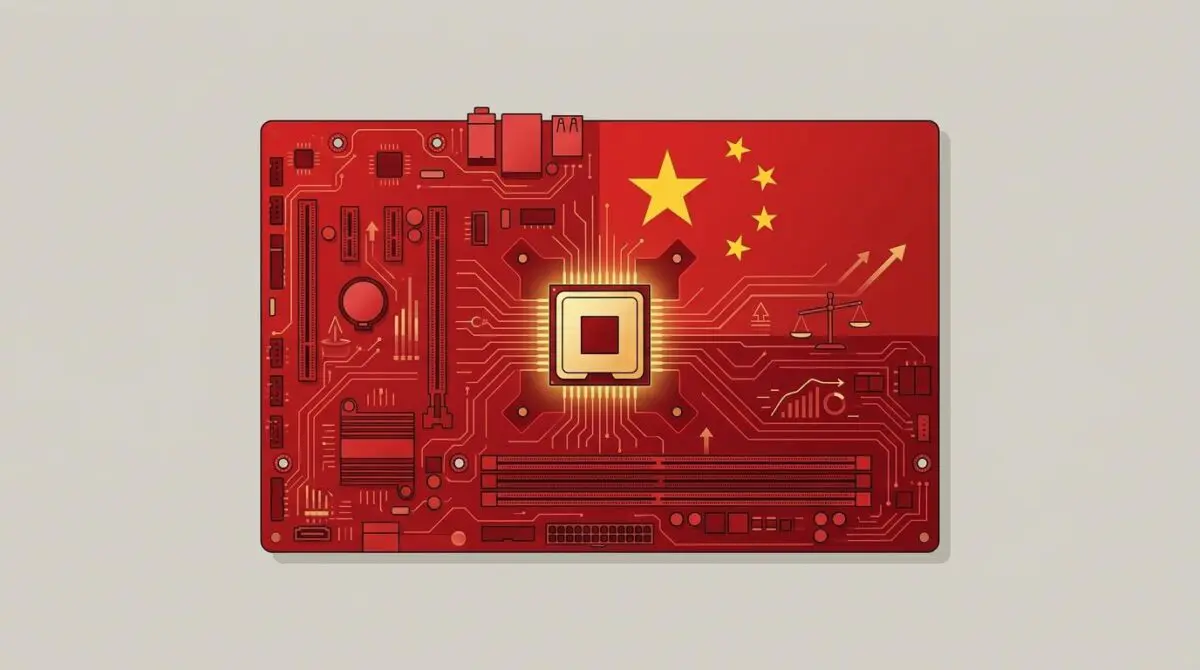
Two of China’s most formidable AI labs are racing toward public markets. Moonshot AI, the Beijing-based developer behind the Kimi assistant, is reportedly preparing a Hong Kong listing within six months at a valuation exceeding $30 billion. Meanwhile, DeepSeek has set its sights on Shanghai’s STAR market with a potential valuation of $71 billion, aiming for a listing by the second quarter of 2027. These moves follow a series of benchmark-breaking model releases that have reshaped the competitive landscape and sent shockwaves through global equity markets.
Table of Contents
Inside the IPOs: Valuation, Timing, and Strategic Calculus
Moonshot’s $30 Billion Bet on Hong Kong
Moonshot AI is putting the finishing touches on a funding round that values the company at just over $30 billion, with an immediate Hong Kong IPO to follow, according to reports. The move positions Moonshot to tap international capital markets while benefiting from Hong Kong’s deep pool of global investors. Its recently released Kimi K3 model, a 2.8-trillion-parameter natively multimodal system, has been ranked as the best available model on the independent Arena.AI benchmark, edging past offerings from Anthropic and OpenAI.
Pricing is aggressive: K3 charges $15 per million output tokens, compared to $50 for Anthropic’s Fable 5 and higher for OpenAI’s GPT-5.6 Sol. That price-performance advantage, combined with growing annual recurring revenue around $300 million, provides a strong narrative for investors. But the implied valuation of over 100x ARR signals high expectations in a capital-intensive industry.
DeepSeek’s Unconventional Path to Shanghai

DeepSeek, often considered China’s most respected AI lab, is taking a different route. Rather than an early public listing, DeepSeek raised $7.4 billion in its first-ever external round in June at a $50 billion valuation, according to Fortune. Now it is reportedly seeking fresh capital at up to $71 billion before a planned IPO on Shanghai’s STAR market by Q2 2027.
The funding round’s structure was unusual. According to The Information, commercial investors including Tencent, JD.com, and CATL accepted a five-year lock-up and zero voting rights. Meanwhile, China’s National AI Industry Investment Fund, a state vehicle, received voting rights and no lock-up. Founder Liang Wenfeng personally contributed $3 billion. The need to retain talent amid poaching from rivals appears to be a key driver, as stock options tied to a public listing are a powerful lure.
This financial maneuver perfectly aligns with the company’s massive hiring spree and aggressive enterprise pricing, which you can explore in our full breakdown of DeepSeek’s market strategy right here.
Market Fallout and Geopolitical Implications
The shock from Moonshot’s K3 benchmark performance rippled through global markets. TSMC dropped 7% despite a 77% quarterly profit jump, SoftBank fell 9%, and z.ai plunged nearly 30%. Even Nvidia briefly lost its most-valuable-company status to Apple. The sell-off reflects growing recognition that Chinese AI companies are closing the gap with U.S. rivals, potentially threatening the economics of the current AI infrastructure buildout.
At the World Artificial Intelligence Conference in Shanghai, President Xi Jinping doubled down on China’s open-source AI commitment, criticizing the U.S. for overreaching in national security controls. This aligns with the strategic advantage Chinese labs have cultivated: lower costs. With export controls forcing efficiency and compatibility with cheaper domestic chips, Chinese models now dominate OpenRouter’s top five most-used list, including offerings from Tencent, Xiaomi, DeepSeek, MiniMax, and z.ai.
The listing locations themselves reveal strategic intent. Mainland exchanges like Shanghai STAR are reserved for ‘national champions’ — firms like DeepSeek, Unitree, Moore Threads, and CXMT that are critical to replacing restricted foreign technology. Hong Kong, while international, is still subject to Chinese securities regulator approval, which could be a hurdle for companies in sensitive technologies. Moonshot’s consumer-facing Kimi brand may navigate this more easily than firms dealing with core infrastructure.
The New Frontier: Chinese AI Challenges Silicon Valley’s Dominance
The simultaneous IPO runs of Moonshot and DeepSeek, with Moonshot reportedly targeting a Hong Kong listing within six months according to Nikkei Asia, mark an inflection point for the global AI industry. Chinese labs have demonstrated they can produce world-class models at a fraction of the cost, supported by a government committed to open-source development. The capital raised from these listings will fuel further advances, potentially accelerating the trend toward a multipolar AI world. For business leaders and investors, the message is clear: the center of gravity in AI is shifting, and China’s public markets will be a key battleground.
Stay ahead of these seismic shifts with expert analysis from Andres SEO Expert. Whether you’re navigating the implications of AI competition for your business or optimizing your digital presence for a changing landscape, we offer tailored solutions. Explore our programmatic SEO and AI automation services to align your strategy with the future. For a deeper discussion, connect with Andres and learn how Andres SEO Expert can help you thrive.
Frequently Asked Questions
What are the IPO plans for Moonshot AI and DeepSeek?
Moonshot AI is preparing a Hong Kong listing within six months at a valuation exceeding $30 billion. DeepSeek aims for a Shanghai STAR market IPO by Q2 2027 after raising fresh capital at up to $71 billion.
Why are Moonshot and DeepSeek pursuing IPOs now?
Both labs recently launched benchmark-breaking models that reshaped the competitive landscape. The IPOs will help raise capital to fuel further advances, retain talent through stock options, and capitalize on their strong market positions.
How did Moonshot’s K3 model impact global markets?
The K3 model’s top benchmark performance caused a sell-off in global tech stocks: TSMC dropped 7%, SoftBank fell 9%, and z.ai plunged nearly 30%. Nvidia briefly lost its most-valuable-company status to Apple, reflecting fears that Chinese AI is closing the gap with US rivals.
What are the geopolitical implications of these IPOs?
China’s commitment to open-source AI and lower costs challenges US dominance. Export controls have forced Chinese labs to become efficient with domestic chips, making their models cost-competitive. The listing locations (Hong Kong for Moonshot, Shanghai STAR for DeepSeek) reflect strategic alignment with national champions and state support.
How do Chinese AI labs compare to US rivals in cost and performance?
Chinese models now dominate OpenRouter’s top five most-used list due to lower costs. For example, Moonshot’s K3 charges $15 per million output tokens versus $50 for Anthropic’s Fable 5 and higher for OpenAI’s GPT-5.6 Sol, while achieving top benchmark scores.
What is the significance of DeepSeek’s unusual funding structure?
DeepSeek’s $7.4 billion round included commercial investors (Tencent, JD.com, CATL) accepting a five-year lock-up and zero voting rights, while the state-backed National AI Industry Investment Fund received voting rights and no lock-up. Founder Liang Wenfeng contributed $3 billion, and the structure aims to retain talent with stock options tied to a future IPO.
What does the simultaneous IPO race mean for the global AI industry?
It marks an inflection point where Chinese AI labs have proven they can produce world-class models at lower cost with government support. The capital raised will accelerate advances, potentially leading to a multipolar AI world where China’s public markets become a key battleground.