Key Takeaways
- DeepSeek has indefinitely postponed signing at least CNY 10 billion in investment agreements after founder Liang Wenfeng’s internal remarks from a previous round were leaked and circulated online.
- The leaked document reveals Liang’s candid assessment that China trails the US in AI largely due to computing resource constraints, and that Huawei’s hardware could replace Nvidia in certain applications.
- The fundraising delay may affect DeepSeek’s expansion plans, including doubling headcount and developing proprietary AI inference chips, as competitors like Moonshot accelerate toward IPOs.
Leaked Remarks Force DeepSeek to Press Pause on $1.5B Round
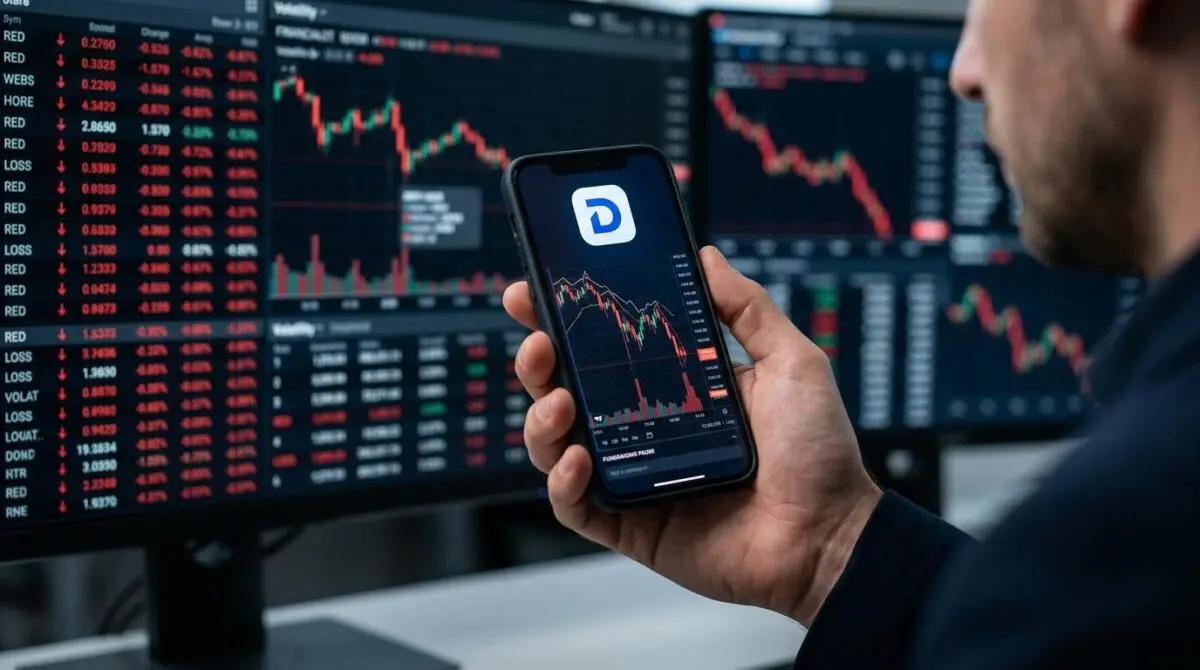
Chinese AI startup DeepSeek has halted its second major fundraising round after founder Liang Wenfeng’s candid comments from an investor briefing were leaked online, multiple sources confirmed on July 25. The company, valued at $71 billion, had been seeking to raise at least CNY 10 billion in new capital.
The decision came after Liang expressed frustration over the publication of his internal remarks by Tencent Technology. According to sources, DeepSeek verbally informed prospective investors that signing of investment agreements would be postponed indefinitely. The fundraising could resume once the situation stabilizes.
Table of Contents
The Leaked Document and Its Fallout
The leaked record, structured as a 118-point summary of a four-hour investor briefing, has become a focal point for market observers. In it, Liang Wenfeng offers a blunt assessment of China’s position in the global AI race. He is quoted as attributing the entire gap with US competitors to a single factor.
‘All the differences we see—whether in talent, model performance, or applications—boil down to the disparity in computing resources.’
Liang went on to state that domestic firms cannot purchase sufficient chips and that capital investment lags far behind US levels. He estimated the technological distance from American rivals at between six months and two years, depending on the measurement.
On hardware, Liang expressed cautious optimism about domestic alternatives. He claimed that Huawei’s 950 Super Node could rival Nvidia’s GB200 and GB300 in both performance and price, though he also acknowledged a fundamental chip technology gap. DeepSeek’s V3 model, he explained, uses Nvidia hardware but bypasses its software ecosystem with a custom compiler called TileLang.
The fundraising suspension comes just over one month after DeepSeek closed a roughly $7 billion round. The new round was targeting a $71 billion valuation, up from the previous $52–59 billion. DeepSeek had also been considering an IPO on Shanghai’s STAR Market, with an internal goal of filing within the year, according to Reuters.
The ability to halt fundraising on the founder’s personal whim reflects DeepSeek’s unique capital structure. The company long avoided external investors, relying on funds from Liang’s hedge fund High-Flyer. The June 2026 round marked its first acceptance of outside capital, using a limited partnership structure with a five-year lock-up. Liang himself was the largest investor, contributing approximately $3 billion.
This pause could directly impact DeepSeek’s growth plans. The company had announced intentions to double headcount across divisions including data centers and AI agents, and was reportedly recruiting chip design engineers for proprietary inference chips—all initiatives requiring substantial capital.
Market Implications and Competitive Landscape
DeepSeek’s fundraising freeze diverges sharply from the broader trend among Chinese AI startups. As Fortune magazine noted in a July 23 report titled ‘China’s AI IPO Rush,’ competitors are racing toward public markets. Moonshot, the startup behind the Kimi K3 model, triggered a 4% drop in the Philadelphia Semiconductor Index on July 17, 2026, according to Business Insider, reigniting fears of a ‘DeepSeek 2.0’ shock.
Britannica Money records that DeepSeek’s own emergence in January 2025 caused Nvidia to lose nearly $600 billion in market capitalization in a single day—the largest single-day loss for any company in US stock market history. The company’s models, including DeepSeek-V3 and DeepSeek-R1, were praised for their cost efficiency but also sparked geopolitical tensions, leading to bans from several governments.
Separately, reports that DeepSeek is developing its own AI chip have already moved markets. On July 7, 2026, the Philadelphia Semiconductor Index dropped more than 5% after Reuters disclosed the chip development effort, as noted by XTB market analysis. The fundraising delay could slow that project, potentially affecting DeepSeek’s long-term independence from Nvidia and Huawei.
Liang’s leaked remarks also resonate with ongoing debates about US export controls. His assertion that the primary bottleneck is computing resources strengthens the case for tighter restrictions, while his confidence in Huawei alternatives may accelerate Chinese domestic chip adoption. However, the authenticity of the leaked document has not been officially confirmed by DeepSeek.
What This Means for AI Investment Strategy
The episode highlights a critical vulnerability in high-stakes AI fundraising: the founder’s voice. In a sector where perception drives valuations, unguarded remarks can stall billion-dollar rounds. For investors, the incident underscores the importance of due diligence on governance and communication protocols. For enterprises, the rapid shifts in AI leadership—from DeepSeek to Moonshot and beyond—demand agile strategy and continuous monitoring.
Staying competitive in this environment requires more than just keeping up with headlines. Andres SEO Expert helps businesses translate AI market intelligence into actionable digital strategies, from programmatic SEO and AI automation to performance engineering. Whether you’re looking to optimize your site’s speed or build data-driven workflows, our team can help you navigate the complexities of the AI era. Explore our AI automation services, then connect with Andres or learn more about Andres SEO Expert to start the conversation.
Frequently Asked Questions
Why did DeepSeek halt its $1.5B fundraising round?
DeepSeek paused its second major fundraising round after founder Liang Wenfeng’s candid comments from an investor briefing were leaked online by Tencent Technology. The company verbally informed prospective investors that signing of investment agreements would be postponed indefinitely until the situation stabilizes.
What did DeepSeek founder Liang Wenfeng say in the leaked investor briefing?
In a 118-point summary of a four-hour investor briefing, Liang attributed China’s entire gap with US competitors to a disparity in computing resources. He stated domestic firms cannot purchase sufficient chips and capital investment lags behind US levels, estimating the technological distance from American rivals at between six months and two years.
What is DeepSeek’s stance on China’s AI capabilities compared to the US?
Liang acknowledged a fundamental chip technology gap but expressed cautious optimism about domestic alternatives. He claimed Huawei’s 950 Super Node could rival Nvidia’s GB200 and GB300 in performance and price. DeepSeek uses Nvidia hardware but bypasses its software ecosystem with a custom compiler called TileLang.
How does the fundraising pause affect DeepSeek’s chip development plans?
Reports indicate DeepSeek is developing its own AI chip, a project that requires substantial capital. The fundraising delay could slow that project, potentially affecting DeepSeek’s long-term independence from Nvidia and Huawei.
What are the broader market implications of this fundraising freeze for Chinese AI startups?
The freeze diverges from the trend of Chinese AI startups racing toward public markets. Competitors like Moonshot are moving ahead with IPOs. Liang’s leaked remarks strengthen the case for tighter US export controls while also accelerating Chinese domestic chip adoption.
How should investors and businesses adapt their AI investment strategy after this incident?
The episode highlights the vulnerability of high-stakes AI fundraising to unguarded founder remarks. Investors should conduct due diligence on governance and communication protocols. Businesses need agile strategy and continuous monitoring of rapid shifts in AI leadership, from DeepSeek to Moonshot and beyond.