Key Points
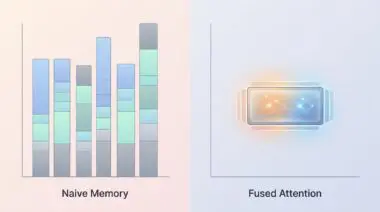
- Predictive Memory Architecture: AI-driven software bypasses hardware limitations by pre-fetching data directly into DRAM.
- Ecosystem Independence: Open-source frameworks eliminate proprietary lock-in, drastically reducing operational costs.
- Localized Exascale Power: Desktop-sized agent computers bring massive parameter models securely offline for enterprise privacy.
Table of Contents
The Great Traffic Jam of Artificial Intelligence
Imagine owning a billion-dollar hypercar, only to be forced to drive it down a muddy, single-lane dirt road.
This is the exact frustration data scientists face with the dreaded memory wall bottleneck. In the realm of Large Language Models, processor speeds frequently outpace the system’s ability to move massive weights from VRAM into the compute cores.
When a model generates a response, it pulls billions of parameters from memory. If that pathway is narrow, the entire system stutters. This stutter is not merely a technical glitch, but a massive financial drain.
Millions of dollars in electricity and compute time are wasted simply waiting for data to travel from point A to point B. The result is a digital traffic jam where incredibly expensive hardware sits idle. High latency and underutilized processors have become the silent killers of enterprise innovation.
Enter AMD Instinct AI Accelerators. These highly advanced chips essentially build a multi-lane, frictionless superhighway for data.
By fundamentally redesigning how memory and compute interact, AMD ensures that the AI brain is never left waiting. This shift is not just a hardware upgrade. It is a complete reimagining of how we process the world’s most complex algorithms.
By the Numbers: Breaking the Data Bottleneck
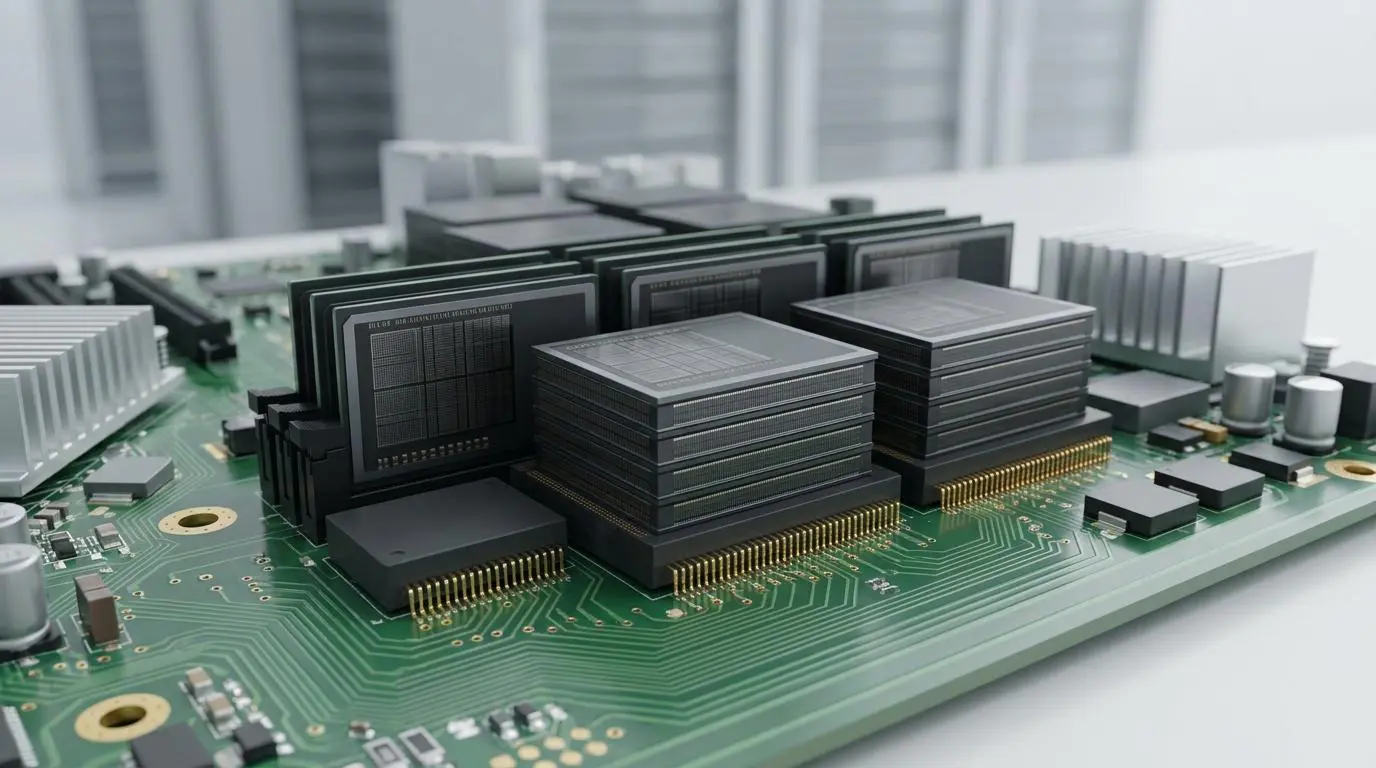
To truly grasp the magnitude of this shift, we must look at the sheer volume of data these new architectures can handle.
The upcoming AMD Instinct MI450 series features a staggering 432GB of HBM4 memory. This represents a massive 50 percent capacity increase over the previous MI350X generation, as confirmed by recent financial analyst updates.
This unprecedented VRAM capacity directly attacks the memory wall bottleneck that limits LLM inference speeds. By keeping vast amounts of data physically closer to the processing cores, the system eliminates the agonizing wait times that plague older hardware.
Imagine upgrading from a garden hose to a municipal water main. That is the exact difference this memory expansion provides for enterprise-grade applications. It allows complex, multi-modal models to ingest text, video, and audio simultaneously without crashing the system.
Furthermore, internal testing from June 2026 shows that the MI350 series delivers up to a 35x generational leap in inferencing performance. This leap, driven by the shift from FP8 to FP4 quantization, means that complex reasoning tasks are executed in a fraction of the time.
When inferencing speeds jump by this magnitude, the end-user experience transforms from a clunky, delayed chat interface into a fluid, human-like conversation. It completely redefines the baseline for what consumers expect from digital assistants.
Thematic Deep Dives: A New Era of Compute
The technological leaps made by AMD are rippling out into the real world. They are fundamentally changing who gets to build with AI and how it is deployed.
Democratizing the AI Gold Rush
For years, cutting-edge artificial intelligence has been a playground reserved strictly for Big Tech. Small businesses and independent researchers simply could not afford the steep monthly cloud rental fees for high-end clusters.
Before this shift, true machine learning innovation was trapped behind a massive paywall. Only companies with endless venture capital could afford to train and iterate on complex models. The rest of the tech world was left fighting for scraps or using watered-down APIs.
This financial barrier stalled countless innovations, keeping brilliant ideas locked away in notebooks rather than deployed in the market. The launch of the Ryzen AI Halo developer platform in June 2026 completely flipped this dynamic.
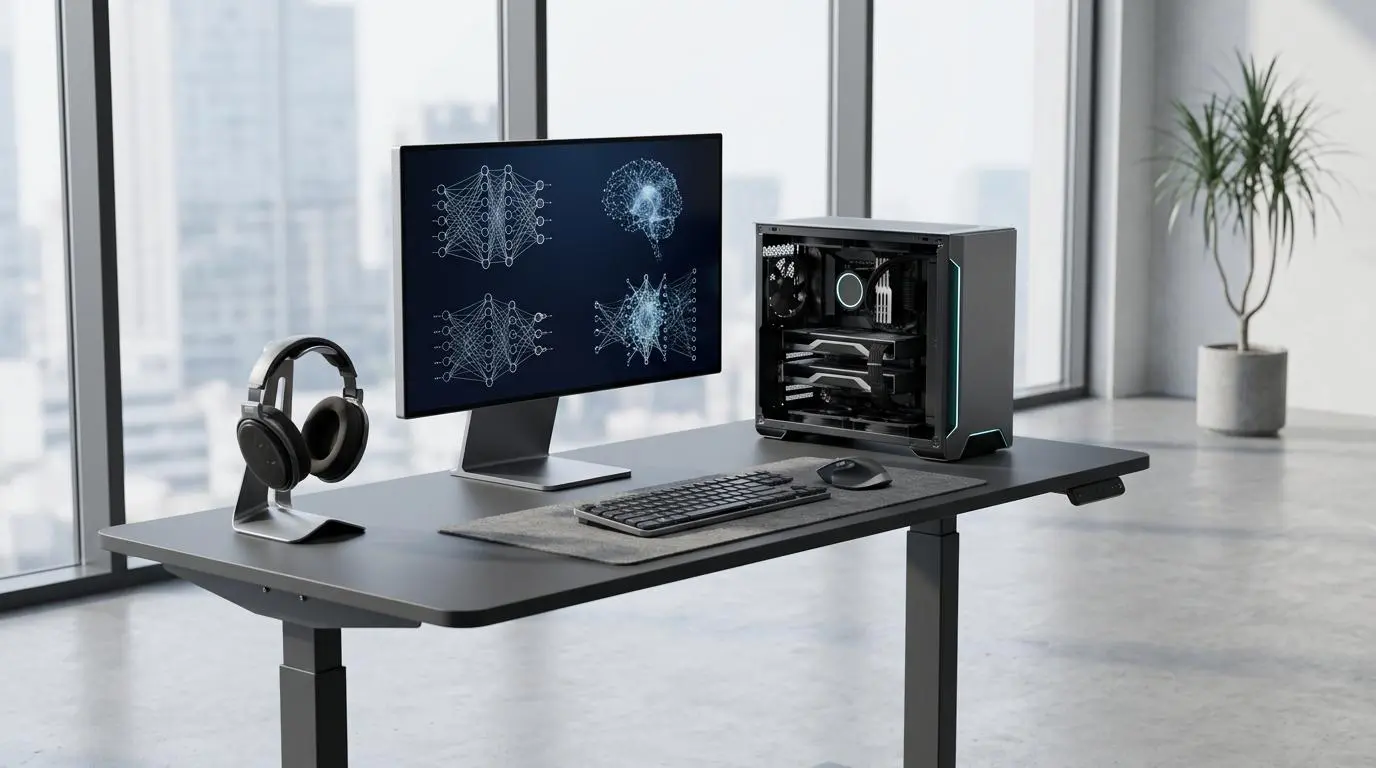
Priced at just under four thousand dollars, this platform significantly undercuts competitors while supporting massive 200-billion parameter models locally. It gives startups the power of a dedicated server room in a single, affordable workstation.
Now, a small team of developers can prototype, test, and deploy enterprise-grade solutions from a standard office desk. This democratization sparks a new wave of creativity, allowing niche industries to build specialized models that Big Tech would never bother creating.
Escaping the Walled Garden of Code

Hardware is only half the battle. The software ecosystem dictates how freely developers can innovate. Historically, the industry has been trapped in a closed, proprietary ecosystem that limits hardware choice.
For over a decade, building AI meant speaking one specific language and buying one specific brand of hardware. This monopoly stifled competition and forced businesses to accept whatever pricing model was dictated to them.
This vendor lock-in artificially inflates long-term operational costs and forces startups to build on inflexible foundations. AMD’s release of ROCm 7.2 shattered this walled garden by introducing full production-ready support for MXFP4 and FP8 quantized models.
Alongside nightly PyTorch and Triton optimizations, this open-source approach empowers developers to build and migrate their applications without being held hostage by proprietary code. It is a declaration of independence for software engineers.
Adding to this software revolution is AMD’s strategic acquisition of the startup MEXT. By integrating a predictive memory engine into the ROCm stack, the software now uses AI to anticipate which cold memory pages will be needed next.
This engine moves critical data from slow flash storage back to DRAM just before it is requested. It is like having a clairvoyant assistant who hands you the exact tool you need right before you realize you need it. By accurately guessing the next required data block, it effectively creates infinite virtual memory.
The Corporate Brain Operating at Exascale
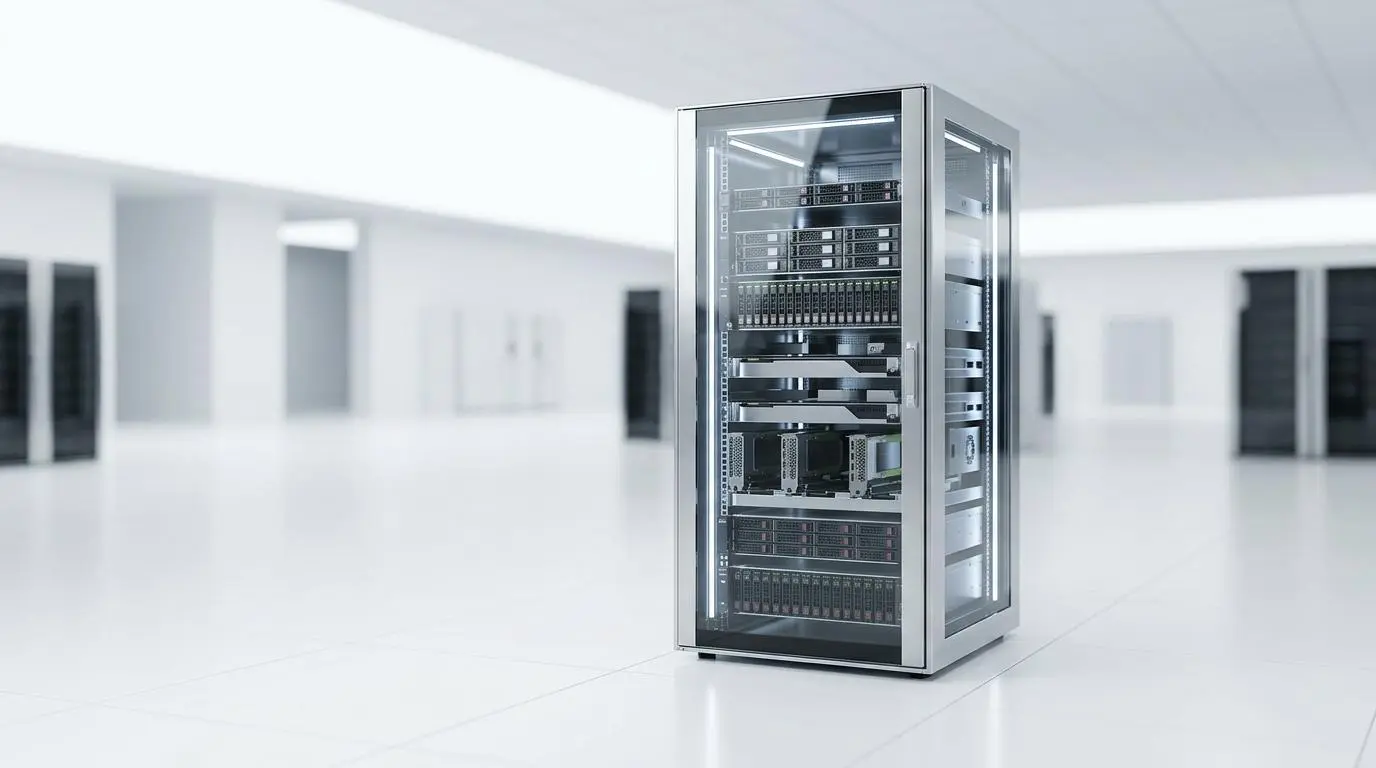
Modern enterprises are drowning in fragmented, multi-petabyte datasets. They struggle to turn this ocean of information into actionable business strategy.
Data is often called the new oil, but unrefined oil is practically useless. Corporations have spent the last decade hoarding data without any realistic way to process it. The sheer scale of their internal documents, customer interactions, and financial records is too vast for standard servers.
Current hardware often fails to process trillion-parameter internal models with the energy efficiency required to make them financially viable. The sheer power draw of traditional servers makes large-scale internal processing a logistical nightmare.
To solve this, AMD introduced the Helios rack-scale platform. Utilizing powerful MI455X accelerators paired with Venice EPYC processors, this system is a masterclass in enterprise efficiency.
Delivering up to three AI exaflops per rack, Helios is specifically designed for trillion-parameter enterprise training. It allows massive corporations to finally digest their own data securely and efficiently, turning raw numbers into predictive market dominance.
Bringing the Agentic Mind to Your Desk
While cloud computing is powerful, relying on it for everyday business tasks introduces significant friction. Data privacy risks and latency issues prevent real-time workflows in highly sensitive sectors like healthcare and legal services.
We are moving past the era of AI as a simple chatbot. The future belongs to agentic workflows, where digital assistants take initiative, complete multi-step tasks, and interact with other software on your behalf.
However, sending sensitive corporate data to a public cloud to achieve this is a massive security risk. Legal firms, medical practices, and financial institutions cannot afford to compromise client confidentiality. The latency alone ruins the illusion of a seamless, agentic workflow.
The debut of Agent Computers powered by Ryzen AI Max+ 395 chips changes the paradigm entirely. Packing 128GB of unified memory into a lunchbox-sized form factor, these machines are absolute powerhouses.
They are capable of running complex models like DeepSeek R1 locally, boasting incredible performance metrics without ever connecting to the internet. Localized agent computers solve the privacy issue by keeping every single calculation on the physical device.
This means a doctor can have an AI instantly cross-reference patient histories and genetic markers without a single byte of data ever leaving the clinic. It is the perfect marriage of absolute privacy and cutting-edge analytical power.
The Yotta-Scale Horizon
As we look toward 2027, the trajectory of artificial intelligence hardware is moving from the exascale to the yotta-scale. The anticipated launch of the Instinct MI500 series promises to commoditize massive compute clusters for mid-market enterprises.
Leveraging next-generation memory standards with breathtaking bandwidth, the future will see AI seamlessly integrated into every facet of our digital infrastructure. The transition to yotta-scale computing will be as historically significant as the invention of the microchip itself.
We are rapidly approaching a point where compute power is no longer the bottleneck for human ingenuity. The memory wall is not just being broken; it is being entirely erased from the equation.
As these advanced accelerators become standard issue, the focus will shift from hardware limitations to software creativity. The businesses that survive this transition will be the ones who understand how to harness this localized, open-source power today.
Navigating the rapid evolution of Artificial Intelligence and digital innovation requires a sharp strategy. To future-proof your digital presence and scale your business with precision, connect with Andres at Andres SEO Expert.
Frequently Asked Questions
What is the AI memory wall bottleneck?
The memory wall is a performance bottleneck where a processor’s speed outpaces the system’s ability to transfer data from VRAM. This causes compute cores to sit idle while waiting for model weights to move, resulting in high latency, wasted electricity, and significant financial costs during Large Language Model (LLM) inference.
How does the AMD Instinct MI450 address LLM performance issues?
The AMD Instinct MI450 series features a massive 432GB of HBM4 memory, a 50 percent increase over previous generations. This high capacity keeps more data physically closer to the processing cores, effectively breaking the data bottleneck and allowing for smoother, faster processing of complex multi-modal models.
Can startups run 200-billion parameter models without cloud clusters?
Yes. With the launch of the Ryzen AI Halo developer platform, startups can run 200-billion parameter models locally on a single workstation. This democratizes AI development by providing the power of a server room for under four thousand dollars, eliminating the need for expensive cloud rental fees.
How does AMD ROCm 7.2 help software developers avoid vendor lock-in?
AMD ROCm 7.2 is an open-source software stack that supports production-ready MXFP4 and FP8 quantized models. By offering optimizations for PyTorch and Triton, it empowers developers to build and migrate applications across different hardware without being restricted to proprietary code or specific hardware brands.
What is a predictive memory engine in AI computing?
A predictive memory engine, like the one integrated into AMD’s ROCm stack via the MEXT acquisition, uses AI to anticipate which cold memory pages will be needed next. It proactively moves data from flash storage to DRAM, reducing latency and effectively creating infinite virtual memory for data-heavy tasks.
Why are agentic computers better for data privacy in healthcare?
Agentic computers powered by chips like the Ryzen AI Max+ 395 allow complex AI models to run entirely locally. Because these machines process data without connecting to the cloud, sensitive information such as patient records or legal files remains physically secure on the device, ensuring absolute privacy and zero cloud-based latency.