




Key Takeaways
- Unified DNS management for public and private networks
- Split-horizon simplification without synchronization drift
- Zero Trust enforcement extended to DNS resolution
Cloudflare Internal DNS Goes GA — A New Era for Network Performance
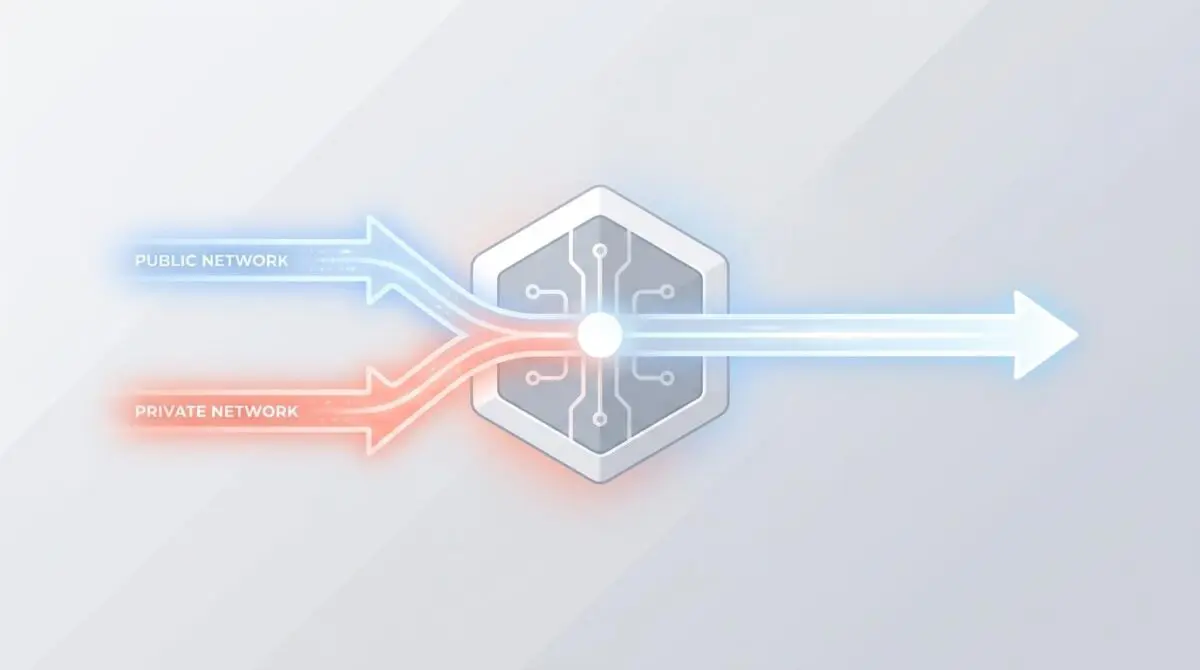
Cloudflare has announced the general availability of its Internal DNS service, a solution that merges authoritative and recursive DNS for private networks into the same global platform used for public DNS, Zero Trust, and application services. The move directly addresses one of the last remaining silos in enterprise infrastructure: separate DNS systems that drift apart and cause outages. Enterprise customers can now manage public and private DNS through a single control plane, with no additional charge for those already using Cloudflare Gateway.
Table of Contents
Consolidating DNS Operations with Cloudflare’s Global Network
Cloudflare Internal DNS consists of two primary components: the Gateway Resolver and Internal Authoritative DNS. The Gateway Resolver, launched in 2020 and powered by 1.1.1.1, handles recursive resolution and policy evaluation. Internal Authoritative DNS serves records for internal zones using the same infrastructure that supports millions of public domains.
Three core objects enable the architecture: Internal Zones hold records for private resources; DNS Views group zones into resolution contexts for split-horizon operation; and Resolver Policies route queries to specific views via Cloudflare Gateway. The result is a Don’t-Repeat-Yourself configuration where a shared zone like intranet.local is defined once and referenced across multiple views, eliminating the drift that plagues traditional split-horizon setups.
Query resolution follows a clear path: a client query first hits the Gateway Resolver for policy evaluation. If a resolver policy matches, the query is routed to Internal Authoritative DNS and answered from the matching view. If the query is blocked, it drops immediately. Otherwise, public resolution proceeds via 1.1.1.1. Views can also fall back to public resolution, allowing a single resolver to serve both private and public names transparently.
Changes propagate at high speed: every record modification enters through the same DNS Records API, persists in Cloudflare’s core data centers, then replicates across the global network. Cached entries are invalidated as updates arrive, so edited records take effect in seconds rather than waiting on TTL expiry.
Strategic Implications: Performance and Security Converge
Cloudflare Internal DNS directly addresses performance bottlenecks that arise from fragmented DNS infrastructure. By unifying public and private DNS on one global network, organizations eliminate the latency of multiple resolver hops and the overhead of synchronizing separate systems. As highlighted in recent community-driven skill assessments, DNS management is increasingly recognized as a critical competency for performance engineers. Cloudflare’s solution reduces operational complexity while improving query response times.
The security implications are equally significant. By extending Zero Trust policies to DNS resolution, the service ensures that private name resolution no longer represents a gap in an otherwise secure architecture. Resolver policies can enforce user- and device-based access controls, aligning with modern zero-trust frameworks. This convergence of performance and security is particularly valuable for enterprises migrating to multi-cloud environments, where consistent policy enforcement and low-latency resolution are paramount.
Cloudflare’s internal DNS also simplifies split-horizon configurations, a notorious source of outages when systems drift. The unified control plane removes the need for parallel systems and manual synchronization, reducing both latency and risk. For performance professionals, this translates into faster resolution for internal services and a more predictable network behavior.
The Path Forward: DNS as a Platform for Performance Innovation
Cloudflare’s official announcement details how Internal DNS is not just a standalone service; it is a foundational component of the Connectivity Cloud. Tighter integration across DNS, networking, and Zero Trust policy will enable decisions about resolving an internal hostname, reaching the service behind it, and enforcing access controls to be made through a single platform. This holistic approach promises to reduce latency, improve security posture, and eliminate the operational overhead of managing disparate systems.
Enterprise customers can start using Internal DNS today through the Cloudflare dashboard, with initial setup requiring just three steps: create an internal zone, create a view, and define a resolver policy. Terraform support is available, and all changes flow through the same high-speed propagation path.
Staying ahead in the rapidly shifting landscape of Performance requires precision. To future-proof your digital strategy and scale effortlessly, you need a foundation built on precision. Optimize your site with advanced speed engineering, secure your infrastructure in high-performance hosting environments, and streamline your entire workflow through autonomous AI pipelines. If you are ready to elevate your systems, Connect with Andres at Andres SEO Expert to build your ultimate architecture.
Frequently Asked Questions
What is Cloudflare Internal DNS?
Cloudflare Internal DNS is a general availability service that combines authoritative and recursive DNS for private networks on the same global platform used for public DNS, Zero Trust, and application services. It allows enterprises to manage public and private DNS through a single control plane, eliminating silos and reducing outages.
How does Cloudflare Internal DNS improve DNS performance?
By unifying public and private DNS on one global network, it eliminates latency from multiple resolver hops and the overhead of synchronizing separate systems. Query resolution follows a clear path involving the Gateway Resolver and Internal Authoritative DNS, with changes propagating rapidly across the network.
What are the key components of Cloudflare Internal DNS?
The service consists of the Gateway Resolver (recursive resolution and policy evaluation) and Internal Authoritative DNS (serves records for internal zones). Core objects include Internal Zones (hold records), DNS Views (group zones for split-horizon), and Resolver Policies (route queries to specific views).
How does Cloudflare Internal DNS handle split-horizon DNS?
It uses DNS Views and Resolver Policies to create a Don’t-Repeat-Yourself configuration. A shared zone like intranet.local is defined once and referenced across multiple views, preventing drift. Views can also fall back to public resolution for transparent handling of private and public names.
What security benefits does Cloudflare Internal DNS provide?
It extends Zero Trust policies to DNS resolution, ensuring private name resolution is secure. Resolver policies enforce user- and device-based access controls, aligning with modern zero-trust frameworks and eliminating security gaps in multi-cloud environments.
How quickly do DNS changes propagate in Cloudflare Internal DNS?
Every record modification enters through the same DNS Records API, persists in core data centers, and replicates across the global network. Cached entries are invalidated on updates, so edited records take effect in seconds rather than waiting on TTL expiry.
How can I get started with Cloudflare Internal DNS?
Enterprise customers can start through the Cloudflare dashboard with three steps: create an internal zone, create a view, and define a resolver policy. Terraform support is available, and all changes flow through the high-speed propagation path.