Key Takeaways
- Chrome on Android cut scroll jank by 48% between 2023 and 2026 through pipeline instrumentation and architectural changes.
- Optimizations like Input Vizard, Input Framer, and Direct2Thread removed main thread bottlenecks and reduced latency.
- Consistency in frame delivery, not raw speed, is the key to eliminating scroll jank in multi-process browsers.
Chrome on Android Slashes Scroll Jank by 48%: The Inside Story
From 2023 to 2026, Chrome on Android cut the frequency of janky scrolls by 48%. This milestone came from extensive instrumentation of the input-rendering pipeline and targeted architectural shifts. For performance engineers, this case study reveals how consistency in frame delivery trumps raw speed.
Table of Contents
How Chrome Remapped Its Input-Rendering Pipeline
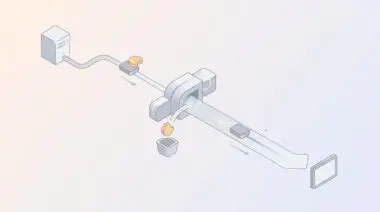
Chrome’s multi-process architecture is both its strength and its challenge. Unlike traditional Android apps that handle input and rendering on a single thread, Chrome distributes these across browser, renderer, and GPU processes. This introduces non-determinism that can cause jank when any stage misses the 16.7ms frame deadline.
Input Vizard
The first major optimization was Input Vizard. By routing input events directly to the GPU process’s Viz compositor thread, Chrome removed the main thread from the critical scroll path. This prevented long-running main thread tasks from delaying input handling.
Input Framer
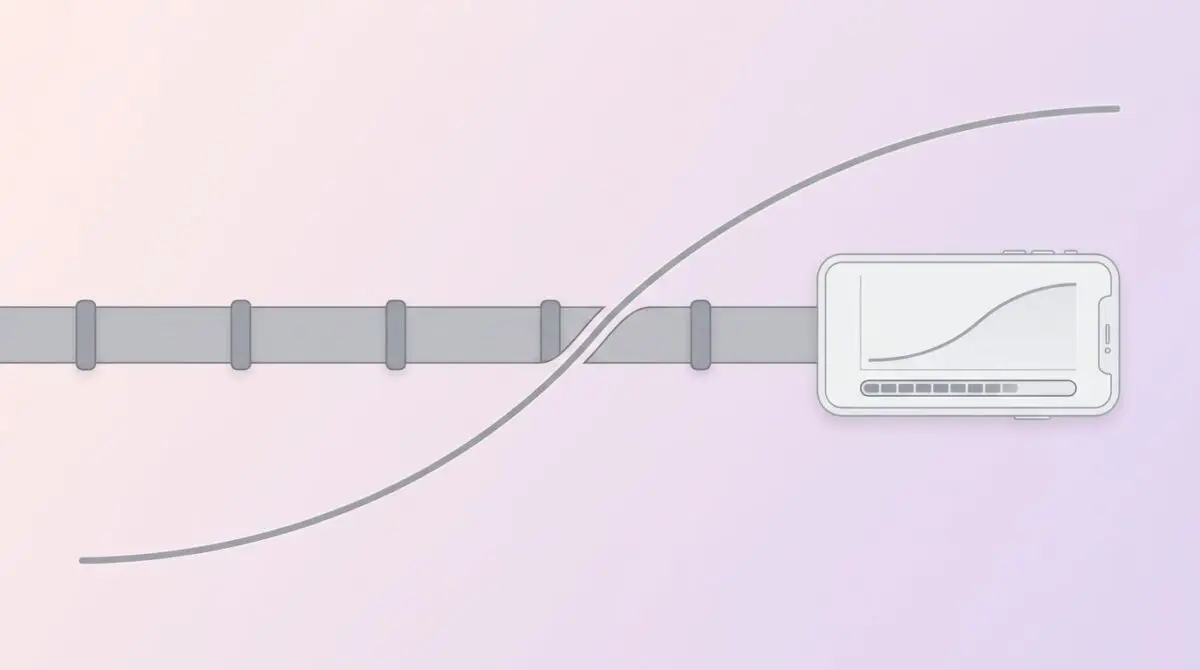
To handle irregular input event timing, Input Framer introduced a grace period of up to one-third of the refresh cycle. Chrome now waits briefly for late input events before producing a frame, reducing the chance of empty frames that cause jank.
Input Prediction
When input events are severely delayed, Chrome predicts the scroll position based on the observed scroll curve. This synthetic update maintains smoothness without extending the grace period further.
Direct2Thread
Direct2Thread eliminated unnecessary thread hops in cross-process communication. Messages no longer pass through intermediate IO threads, cutting latency and unpredictability.
Browser Controls in Viz
Browser controls movement was offloaded from the browser main thread to the GPU process. This avoided frame-level synchronization overhead.
Priority of Input Threads
Collaboration with Android ensured that all threads delivering hardware input to Chrome receive appropriate priority, preventing preemption by lower-priority work.
Implications for Web Performance and User Experience
This reduction in scroll jank is more than a technical feat; it directly impacts user engagement. Smooth scrolling reduces bounce rates and improves perceived performance. For SEO, user experience signals become increasingly important, making such optimizations a competitive advantage.
The approach of systematic instrumentation and iterative improvement serves as a model for performance teams. By tagging likely jank causes with PerfettoSQL heuristics, the Chrome team turned an overwhelming trace dataset into actionable insights.
The Pursuit of Perfection in Mobile Scrolling
As detailed by the Google Chromium blog, the 48% reduction is a landmark achievement, but Chrome’s team signals that further refinements are coming. For the web performance community, this journey provides a blueprint for analyzing and eliminating jank in complex distributed pipelines.
To apply these principles to your own website or application, consider a deep performance audit. Andres SEO Expert offers site speed engineering services that mirror the instrumentation and analysis seen here. Connect with Andres to discuss your performance goals, and learn more about Andres SEO Expert‘s technical optimization methodology.
Frequently Asked Questions
What is scroll jank and why does it matter for mobile browsing?
Scroll jank is a visible stutter or hitch during scrolling caused when the rendering pipeline fails to produce a frame within the 16.7ms deadline (for 60Hz displays). It degrades perceived smoothness, increases bounce rates, and harms user experience on mobile devices where touch input is primary.
How did Chrome on Android achieve a 48% reduction in scroll jank?
Through extensive instrumentation and targeted architectural changes including Input Vizard, Input Framer, Input Prediction, Direct2Thread, offloading browser controls to the GPU process, and optimizing input thread priorities. These changes reduced main thread bottlenecks and improved frame delivery consistency.
What is Input Vizard and how does it improve scrolling?
Input Vizard routes input events directly to the GPU process’s Viz compositor thread, bypassing the main thread. This prevents long-running main thread tasks from delaying input handling, reducing a major cause of jank.
How does Input Framer handle irregular input event timing?
Input Framer introduces a grace period of up to one-third of the refresh cycle (about 5.5ms at 60Hz). It waits briefly for late input events before producing a frame, reducing the chance of empty frames that cause jank while maintaining responsiveness.
What role does Direct2Thread play in reducing scroll jank?
Direct2Thread eliminates unnecessary thread hops in cross-process communication by routing messages directly between threads instead of passing through intermediate IO threads. This cuts latency and unpredictability in the input-rendering pipeline.
How do these optimizations affect user engagement and SEO?
Smooth scrolling reduces bounce rates and improves perceived performance, which are increasingly important user experience signals for search engines. Better UX can lead to higher engagement, longer sessions, and improved SEO rankings.
How can web developers apply Chrome’s approach to their own sites?
Developers can conduct deep performance audits using tools like PerfettoSQL to identify jank causes, prioritize offloading heavy tasks from the main thread, and consider input prediction techniques. For a thorough analysis, professional site speed engineering services can mirror Chrome’s instrumentation methodology.