



Executive Summary
- Open Graph tags are a standardized metadata protocol that controls how URLs appear as rich objects when shared on social media and messaging platforms.
- While not a direct Google ranking factor, they significantly enhance Click-Through Rate (CTR) and brand authority through optimized visual presentation.
- Technical precision in image dimensions, absolute URL paths, and canonical alignment is required to prevent display errors and data fragmentation.
What is Open Graph Tags?
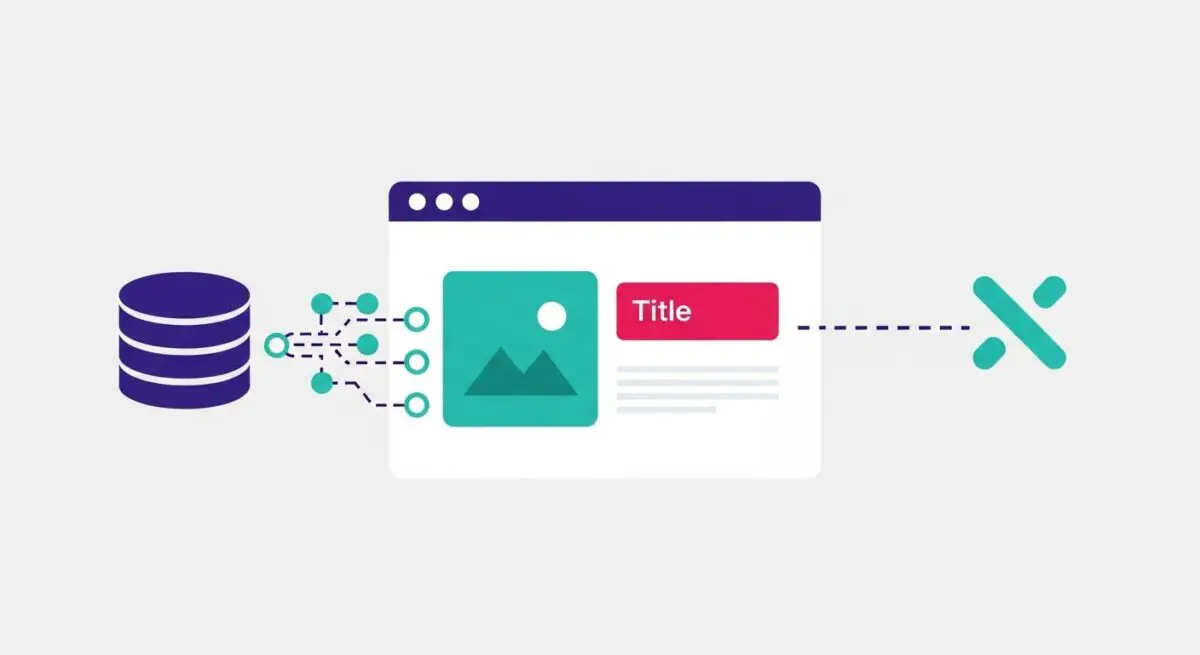
Open Graph tags are a set of metadata snippets integrated into the <head> section of an HTML document. Originally introduced by Facebook in 2010, the Open Graph Protocol (OGP) enables any web page to become a rich object in a social graph. By providing specific properties such as og:title, og:image, and og:description, developers can control exactly how content is represented when shared across platforms like Facebook, LinkedIn, and X (formerly Twitter).
Technically, these tags function as a standardized communication layer between a website and third-party crawlers. When a URL is shared, the platform’s scraper parses the HTML for these specific RDFa-based tags. If absent, the platform may fallback to generic metadata like the standard meta title or a random image from the page, often resulting in suboptimal visual presentation and reduced user engagement.
The Real-World Analogy
Think of Open Graph tags as the professional dust jacket of a hardcover book. Without a dust jacket, a book sitting on a shelf is just a plain spine; a potential reader has no idea what the cover art looks like, what the summary entails, or if it is the genre they are looking for. Open Graph tags ensure that whenever your “book” (web page) is handed to someone in the digital world, it arrives with the high-quality cover art, the correct title, and a compelling blurb already attached, ensuring the recipient knows exactly what they are receiving before they even open it.
Why is Open Graph Tags Important for SEO?
While Open Graph tags are not a direct ranking factor within Google’s core search algorithm, they exert a significant indirect influence on Search Engine Optimization. High-quality social previews significantly increase Click-Through Rate (CTR) from social platforms and messaging apps. This increased traffic and engagement can lead to higher brand visibility and a greater likelihood of earning natural backlinks, which are primary ranking signals.
Furthermore, modern search engines and AI discovery tools increasingly utilize structured data and metadata to understand the context and primary visual assets of a page. Correct implementation of og:type helps crawlers categorize content (e.g., article, video, or profile), while a consistent og:url ensures that social equity is attributed to the correct canonical version of the page, preventing fragmentation of engagement metrics.
Best Practices & Implementation
- Optimize Image Dimensions: Use high-resolution images with a minimum resolution of 1200 x 630 pixels to ensure clarity across high-DPI displays and maintain a 1.91:1 aspect ratio.
- Maintain Canonical Consistency: The
og:urltag must always match the page’s canonical URL to ensure all social shares and interactions are consolidated to a single source of truth. - Define Content Type: Use the
og:typeproperty accurately (e.g.,websitefor homepages,articlefor blog posts) to enable platform-specific features like author attribution. - Validate via Debugging Tools: Always test implementation using the Facebook Sharing Debugger or LinkedIn Post Inspector to clear cache and verify that tags are being parsed correctly.
Common Mistakes to Avoid
One frequent error is the use of relative URLs instead of absolute URLs for the og:image property; social scrapers require the full path (including https://) to fetch the asset. Another common mistake is failing to update the Open Graph cache after making changes to a page, which results in outdated information appearing in new shares. Finally, many sites use generic, non-descriptive images that fail to capture user attention, negating the primary benefit of the protocol.
Conclusion
Open Graph tags are an essential component of a modern technical SEO framework, bridging the gap between web content and social distribution. Proper implementation ensures brand consistency, maximizes CTR, and provides structured clarity to both social scrapers and search engine crawlers.