Executive Summary
- Orphan pages are URLs that exist on a server but lack internal links from the website’s navigation or content structure.
- These pages are difficult for search engine crawlers to discover, often leading to poor indexation and wasted crawl budget.
- Effective resolution involves cross-referencing XML sitemaps and log files with crawl data to identify and reintegrate disconnected assets.
What is Orphan Page?
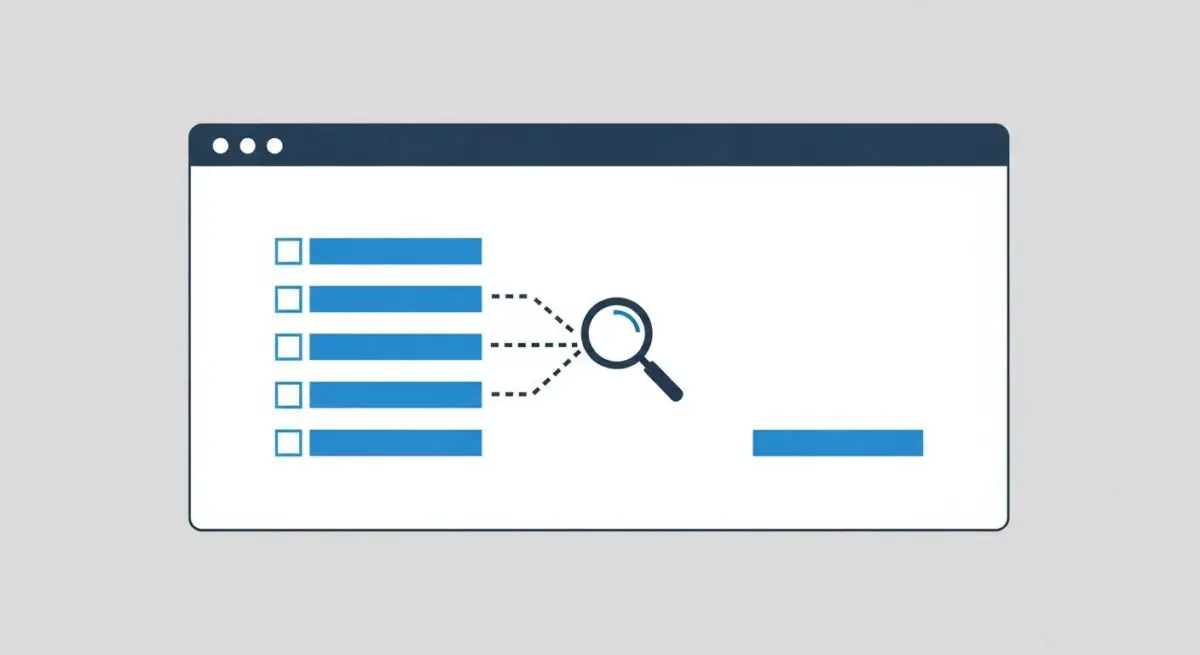
An orphan page is a URL that is not linked to by any other page on the same website. In technical SEO, these pages exist within the site’s directory or are listed in the XML sitemap but remain disconnected from the site’s internal link architecture. Because search engine spiders primarily discover content by following links, orphan pages often remain unindexed or fail to receive the authority (PageRank) necessary to rank competitively.
From a structural perspective, an orphan page sits outside the site’s link graph. While it may be accessible via a direct URL or an external backlink, the absence of internal paths means that internal link equity cannot flow to it. This isolation typically results in lower search engine visibility and can signal to algorithms that the content is of low importance or outdated, regardless of its actual quality.
The Real-World Analogy
Imagine a large, modern library where a specific book has been placed on a shelf, but it has never been entered into the central catalog, and there are no signs or aisles leading to its section. Even though the book physically exists within the building, no visitor or librarian can find it because there is no path or reference pointing to its location. To the outside world, the book is effectively invisible despite being inside the library.
Why is Orphan Page Important for SEO?
Orphan pages represent a significant inefficiency in crawl budget management and site authority distribution. When a search engine discovers an orphan page—often via an XML sitemap or an external backlink—it may index it, but the page will lack the contextual relevance and authority passed through internal linking. This makes it significantly harder for the page to rank for competitive keywords.
Furthermore, if high-value content is orphaned, it effectively becomes dark matter on the web—consuming server resources and crawl capacity without contributing to the site’s organic visibility or the user’s conversion journey. For large-scale enterprise sites, a high volume of orphan pages can dilute the overall perceived quality of the domain, as search engines may view the disconnected content as low-value, redundant, or neglected.
Best Practices & Implementation
- Audit Link Architecture: Conduct regular site audits using specialized SEO crawlers that compare Crawlable URLs against URLs found in XML sitemaps and Google Search Console data to identify discrepancies.
- Log File Analysis: Analyze server log files to identify URLs being requested by search engine bots that do not appear in a standard site-wide crawl. This is the most accurate method for finding hidden orphan pages.
- Strategic Reintegration: Ensure all critical landing pages are integrated into the site’s hierarchical structure, such as through the main navigation, breadcrumbs, or related content modules.
- Consolidation and Redirection: Use 301 redirects for legacy orphan pages that no longer serve a business purpose but retain external link equity, pointing them to the most relevant active page.
Common Mistakes to Avoid
A frequent error is relying exclusively on XML sitemaps for discovery. While a sitemap helps Google find a page, it does not solve the lack of internal authority, which is a critical ranking factor. Another common mistake is leaving expired promotional or seasonal campaign pages live without any internal links; this creates a bloated index and wastes crawl budget on irrelevant content.
Conclusion
Identifying and resolving orphan pages is essential for maintaining a healthy link graph and ensuring maximum crawl efficiency. By reintegrating or redirecting these isolated URLs, technical SEOs can significantly improve site-wide authority distribution and search visibility.