Executive Summary
- Organic search results are algorithmic listings determined by relevance and authority, distinct from paid advertisements.
- They provide higher long-term ROI and credibility compared to PPC by capturing users with high informational or transactional intent.
- Optimization requires a holistic approach encompassing technical health, content quality, and authoritative backlink profiles.
What is Organic Search Results?
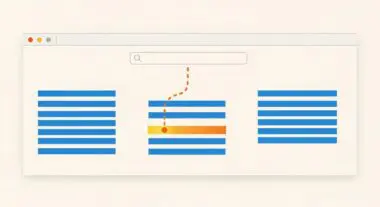
Organic search results refer to the non-paid listings that appear on a Search Engine Results Page (SERP) based on the search engine’s proprietary algorithms. Unlike paid advertisements, which are positioned via bidding systems like Google Ads, organic results are earned through the demonstration of relevance, authority, and technical excellence. These results are the primary output of a search engine’s crawling, indexing, and ranking processes, designed to provide the most accurate answer to a user’s query.
From a technical perspective, organic results are influenced by hundreds of ranking signals, including on-page optimization, site architecture, mobile-friendliness, and secure protocols (HTTPS). Search engines use these signals to organize the web’s vast information into a structured hierarchy. The visibility of a website within these results is directly proportional to its perceived value and trustworthiness in the eyes of the algorithm.
The Real-World Analogy
Imagine a prestigious medical journal. The articles published in the main section are there because they have undergone rigorous peer review, demonstrated scientific validity, and earned their place through merit; these represent organic search results. In contrast, the full-page advertisements for pharmaceutical products found in the margins or at the back are there because a company paid for that space; these represent paid search results. While both provide information, the peer-reviewed articles carry a level of inherent trust and authority that the advertisements cannot buy.
Why is Organic Search Results Important for SEO?
Organic search results are the cornerstone of sustainable digital growth. Unlike paid traffic, which ceases the moment the budget is exhausted, organic visibility provides compounding returns over time. High rankings in organic results signal to users that a search engine—an objective third party—considers the content to be the most relevant and authoritative for their specific need, leading to significantly higher click-through rates (CTR) compared to ads.
Furthermore, organic search captures users at every stage of the marketing funnel, from initial awareness to final conversion. By optimizing for organic results, organizations build a resilient digital asset that reduces customer acquisition costs (CAC) and establishes long-term brand equity. In an era of increasing ad-blindness, organic presence is essential for maintaining market share and user trust.
Best Practices & Implementation
- Technical Infrastructure: Ensure the website is easily crawlable and indexable by optimizing robots.txt, XML sitemaps, and maintaining a clean internal linking structure.
- Content Relevance: Develop high-quality, comprehensive content that aligns with specific user search intent and utilizes semantic keyword optimization.
- Authority Building: Acquire high-quality backlinks from reputable, niche-relevant domains to enhance the site’s E-E-A-T (Experience, Expertise, Authoritativeness, and Trustworthiness).
- User Experience (UX): Optimize Core Web Vitals, including Largest Contentful Paint (LCP) and Cumulative Layout Shift (CLS), to ensure a seamless interaction for visitors.
Common Mistakes to Avoid
One frequent error is keyword stuffing, which attempts to manipulate algorithms by overusing terms, often resulting in a poor user experience and potential penalties. Another critical mistake is neglecting technical debt, such as broken links or slow server response times, which can hinder a site’s ability to rank despite high-quality content. Finally, many fail to account for search intent, creating content that does not align with what the user is actually looking for, leading to high bounce rates and diminished rankings.
Conclusion
Organic search results represent the most authentic and cost-effective method for driving high-quality traffic. Mastering the technical and strategic elements of organic visibility is paramount for any organization seeking long-term digital authority.