



Executive Summary
- Web crawlers are automated agents that systematically browse the web to index content for search engines and data analysis.
- Efficient crawling is governed by crawl budget, robots.txt directives, and the technical accessibility of site architecture.
- Modern crawlers utilize rendering engines to process JavaScript, making technical SEO critical for dynamic web applications.
What is Web Crawler?
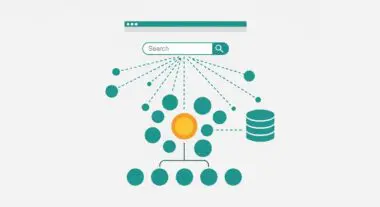
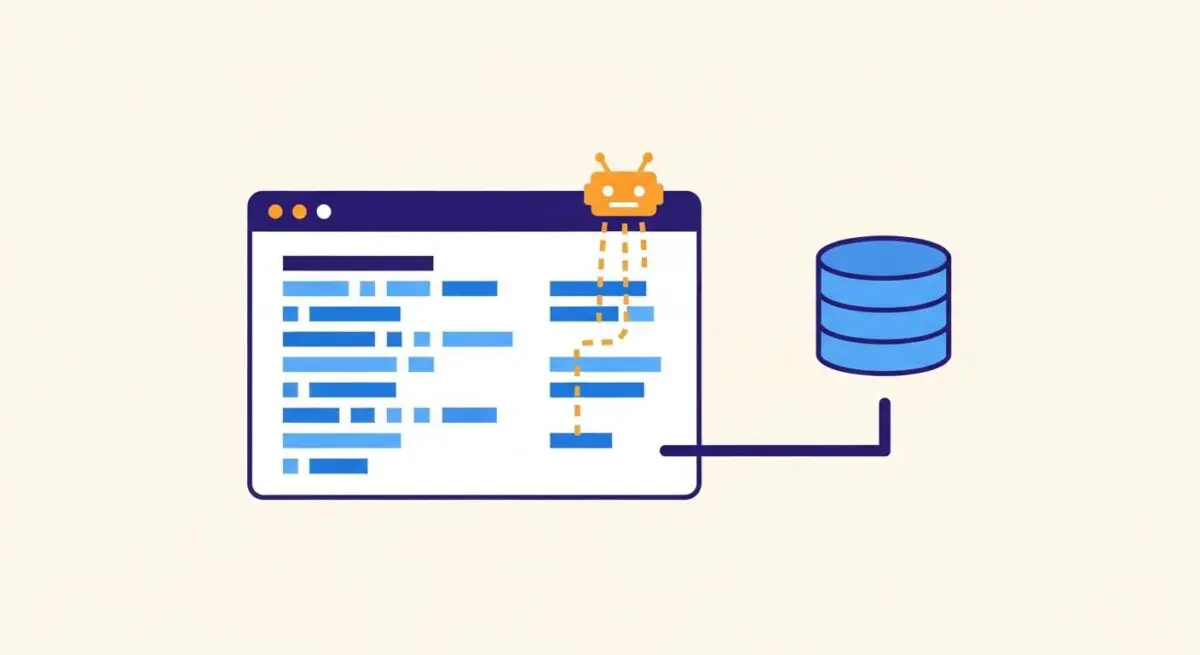
A web crawler, also known as a spider or bot, is an automated software program that systematically browses the World Wide Web to discover and index content. These programs operate by starting with a list of known URLs, often referred to as the seed, and recursively following hyperlinks to find new or updated pages. The primary objective is to build a comprehensive local index of the internet’s structure and content, which serves as the foundation for search engine retrieval algorithms.
Crawlers utilize protocols like HTTP/HTTPS and respect directives found in the Robots Exclusion Protocol (REP). They analyze document metadata, headers, and body content while managing resources through politeness policies to avoid overwhelming host servers. Modern crawlers, such as Googlebot, also incorporate headless browser rendering to execute JavaScript and understand dynamic content, ensuring that modern web applications are accurately represented in search results.
The Real-World Analogy
Imagine a massive, ever-expanding library where new books are added every second, but there is no central catalog. A web crawler is like a team of highly efficient librarians who spend 24 hours a day walking through the aisles. Every time they find a book, they read the bibliography at the back to find the names of other books. They then travel to those books, repeating the process indefinitely. Their goal is to create a master index so that when a visitor asks for a specific topic, the librarian can immediately point to the exact shelf and page where that information lives.
Why is Web Crawler Important for SEO?
Web crawlers are the gatekeepers of search visibility. If a crawler cannot access, render, or navigate a website, the content will not be indexed, rendering it invisible to search engine users. Effective crawling ensures that updates to content, new pages, and structural changes are reflected in search results in a timely manner. Furthermore, the efficiency with which a bot crawls a site—often referred to as the crawl budget—directly impacts how frequently a site is refreshed in the index.
Technical SEO focuses heavily on optimizing site architecture to facilitate seamless crawler navigation. By ensuring that high-value pages are easily discoverable and that the crawler does not get stuck in technical loops, webmasters can maximize the visibility of their most important assets. Without proper crawler optimization, even the highest quality content may fail to achieve its ranking potential due to indexing delays or errors.
Best Practices & Implementation
- Optimize the Robots.txt file: Provide clear directives to search engines on which directories should be crawled or ignored to preserve crawl budget.
- Maintain an XML Sitemap: Regularly update and submit sitemaps via search consoles to guide crawlers directly to essential and newly created URLs.
- Logical Internal Linking: Use a hierarchical site structure with descriptive anchor text to facilitate recursive discovery of deep-level pages.
- Monitor Server Status: Resolve 4xx and 5xx status codes promptly to prevent crawlers from wasting resources on broken links or encountering server timeouts.
- Implement Canonical Tags: Use rel=”canonical” to prevent crawlers from indexing duplicate versions of the same content, consolidating ranking signals.
Common Mistakes to Avoid
One frequent error is blocking critical CSS or JavaScript files in the robots.txt file, which prevents crawlers from rendering the page correctly and understanding the user experience. Another mistake is the creation of “crawl traps”—infinite loops of URLs generated by dynamic filters or calendars—which exhaust the crawl budget on useless pages and prevent the indexing of legitimate content.
Conclusion
A web crawler is the fundamental mechanism for data discovery in the digital ecosystem. Mastering crawler optimization is essential for ensuring that technical infrastructure supports, rather than hinders, organic search performance.