Key Points
- Structural Imbalance: Excessive footer linking inflates the authority of utility pages, triggering severe Sitelink Misattribution in SERPs.
- Directive Enforcement: Injecting strict noindex and noarchive tags via WordPress hooks forces crawlers to drop legal boilerplate from your snippet real estate.
- Schema Refactoring: Removing legal page IDs from SiteNavigationElement JSON-LD prevents critical semantic confusion in generative search engines.
Table of Contents
The Core Conflict: Sitelink Misattribution
According to a technical SEO study by Ahrefs, sitelinks can significantly improve click-through rates by up to 20 percent. However, incorrect attribution of utility pages in these slots is a primary driver of leaky conversion funnels for over 15 percent of enterprise-level domains.
This phenomenon is known as Sitelink Misattribution. It occurs when automated search algorithms prioritize low-value utility pages, such as Privacy Policies or Terms of Service, over your core conversion-focused pages. This structural misalignment forces Googlebot to expend valuable Crawl Budget on indexing pages that offer zero marketing value.
In the era of Generative Engine Optimization, this misattribution is highly destructive. Search engines and Large Language Models infer a website’s primary intent from its sitelink structure. When utility pages dominate, the generative engine misclassifies the site’s purpose, degrading performance for complex conversational queries.
Diagnostic Checkpoints and Root Causes
Identifying this error requires analyzing the desynchronization across your server stack and content management system. You will typically notice this in Google Search Console when utility pages appear as top-performing URLs for branded queries.
Server log analysis will also reveal Googlebot requesting these legal URLs with high priority. This crawl frequency often matches or exceeds the homepage crawl rate. The root cause is a structural failure in how authority is distributed.
Diagnostic Checkpoints
Internal Link Density Imbalance
Footer link volume inflates utility page structural authority.
Schema.org SiteNavigationElement Misuse
Schema mapping error promotes legal pages as primary nodes.
Semantic Anchor Text Over-Optimization
Strong legal anchors outrank generic service link text.
Lack of Indexing Directives
Missing robot directives permit ranking of utility URLs.
Server and CMS Layer Desynchronization
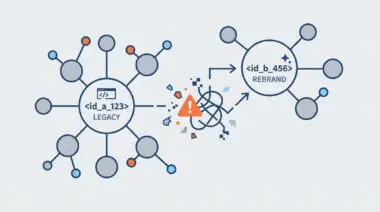
The core issue often stems from how Google’s sitelink algorithm processes internal link counts. When a Privacy Policy is linked in a global footer across thousands of pages, its structural authority artificially inflates.
This is compounded when semantic anchor text for legal pages is highly recognizable and optimized. If your core service pages rely on vague anchor text like “Learn More,” the algorithm defaults to the stronger semantic signals of the utility links.
Correcting this structural imbalance is critical if you want to improve click-through rates for your actual money pages. Search engines need explicit directives to ignore the artificially inflated authority of footer links.
The Engineering Resolution Roadmap
Restoring sitelink integrity requires a multi-layered approach to indexing directives and schema architecture. You must manually override the automated assumptions made by the crawler.
Engineering Resolution Roadmap
Apply ‘noindex’ and ‘noarchive’ Directives
Navigate to the WordPress Page editor for legal pages. In your SEO plugin (RankMath/Yoast), set the ‘Meta Robots’ to ‘noindex, noarchive’. This removes them as sitelink candidates without blocking the crawl entirely, allowing equity to flow while preventing display.
Implement data-nosnippet Attribute
In the footer.php file or via a Hook, wrap your legal links in a div or span with the attribute ‘data-nosnippet’. This explicitly tells Google not to use any text from this section in the SERP snippet, reducing its likelihood of being selected for sitelinks.
Refactor SiteNavigationElement Schema
Modify your JSON-LD output to ensure that only core service URLs are included in the SiteNavigationElement array. Use the ‘wp_footer’ or ‘wp_head’ hooks to filter out legal page IDs from the structured data output.
Adjust Internal Link Weighting
Add ‘rel=”nofollow”‘ (or more accurately ‘rel=”ugc”‘ if appropriate, though nofollow is the standard hint here) to footer links for legal pages. While Google treats this as a hint, it helps de-prioritize these links in favor of ‘dofollow’ service links in the primary header.
Technical Context for Remediation
Leaving global indexing settings unchecked is a critical failure point in many WordPress environments. You must explicitly implement ‘noindex’ or ‘data-nosnippet’ attributes on all legal boilerplate. This removes them as sitelink candidates without blocking the crawl entirely.
Furthermore, automated SEO plugins often blindly generate SiteNavigationElement schema based on visual menus. If legal pages are included in these menus, the JSON-LD output explicitly signals that they are primary navigational nodes. You must filter these IDs out of the structured data payload.
Resolution Execution: WordPress and Hooks
To permanently resolve Sitelink Misattribution, you must inject precise indexing directives at the server or application level. Relying solely on visual SEO plugin toggles can sometimes fail if theme overrides exist.
Fixing via WordPress Functions
The most resilient method is to use a WordPress hook to inject the meta robots tag directly into the head of the document. This ensures the directive is output before any caching layers process the payload.
add_action('wp_head', function() { if (is_page(['privacy-policy', 'terms-of-service'])) { echo '<meta name="robots" content="noindex, follow">'; } });Additionally, adjust your internal link weighting by adding the rel=”nofollow” attribute to footer links pointing to legal pages. This serves as a strong hint to de-prioritize these nodes during crawl path calculation.
Validation Protocol and Edge Cases
Deploying the fix is only the first phase of the engineering cycle. You must immediately validate the header responses to ensure search engine bots process the new directives correctly.
Validation Protocol
- Run Google Search Console URL Inspection and click Live Test to verify noindex detection.
- Execute ‘curl -I’ in terminal to confirm X-Robots-Tag header presence.
- Perform Rich Result Test to ensure SiteNavigationElement excludes irrelevant URLs.
Edge Case: Cloudflare and Headless Caching
In advanced architectures like Headless WordPress paired with Cloudflare, Edge Workers can inadvertently strip meta tags. They might also rewrite headers to optimize performance, overriding your application-level directives.
If an Edge Worker caches a stale version of the utility page before the noindex tag is applied, Googlebot will continue to index it. Always purge your CDN cache globally and inspect the raw HTTP headers bypassing the cache layer.
Autonomous Monitoring and Prevention
Manual validation is insufficient for enterprise environments where code deployments happen daily. You must establish an automated SEO monitoring pipeline to protect your entity integrity.
Utilize custom Python scripts or tools like ContentKing to trigger alerts the moment a noindex tag drops from a utility page. Regular log analysis is also mandatory to verify that Googlebot’s crawl ratio heavily favors your service URLs.
Implementing a strict design system for internal linking prevents future semantic dilution. At Andres SEO Expert, we engineer these autonomous pipelines to ensure sitelink architecture remains pristine despite continuous site updates.
Conclusion
Sitelink Misattribution is a critical structural flaw that bleeds organic traffic and confuses generative AI engines. By enforcing strict indexing directives and refactoring your schema payload, you reclaim control over your search snippet real estate.
Navigating the intersection of technical SEO, server architecture, and generative search requires a precise roadmap. If you need to future-proof your enterprise stack, resolve deep-level crawl anomalies, or implement AI-driven SEO automation, connect with Andres at Andres SEO Expert.
Frequently Asked Questions
What is sitelink misattribution in technical SEO?
Sitelink misattribution occurs when search algorithms prioritize low-value utility pages, such as Privacy Policies or Terms of Service, over core conversion-focused pages in search snippets. This structural misalignment can waste crawl budget and misrepresent a site’s primary intent to search engines.
How do I identify sitelink misattribution using Google Search Console?
Check Google Search Console for branded queries where utility URLs appear as top-performing pages. Additionally, server log analysis showing a high crawl frequency for legal pages—often matching or exceeding the homepage crawl rate—is a clear diagnostic checkpoint for this issue.
How does sitelink misattribution impact Generative Engine Optimization (GEO)?
Generative engines and Large Language Models (LLMs) infer a website’s purpose from its link structure. When utility pages dominate the sitelinks, the generative engine may misclassify the site’s intent, leading to poor performance for complex conversational queries.
What are the best technical directives to remove utility pages from sitelinks?
The engineering resolution involves applying ‘noindex, noarchive’ meta robots tags to utility pages. You should also implement the ‘data-nosnippet’ attribute on footer links and add ‘rel=”nofollow”‘ to de-prioritize these nodes during the crawl path calculation.
How does Schema.org SiteNavigationElement misuse cause sitelink errors?
Many automated SEO plugins generate SiteNavigationElement schema based on visual menus. If legal pages are included in these arrays, the structured data explicitly tells Google they are primary nodes. Developers must filter these IDs out of the JSON-LD output to restore sitelink integrity.
How can WordPress hooks permanently resolve sitelink misattribution?
Using the ‘wp_head’ hook to inject a ‘noindex, follow’ meta tag for specific page slugs ensures the directive is output before caching layers process the payload. This method is more resilient than relying on visual plugin toggles which can be overridden by themes.