Executive Summary
- Robots.txt is the foundational implementation of the Robots Exclusion Protocol (REP), serving as the primary gatekeeper for search engine crawler access.
- It is essential for crawl budget optimization, ensuring that bots prioritize high-value pages over administrative, duplicate, or low-utility URL structures.
- Misconfiguration can lead to critical SEO failures, such as blocking the entire domain or preventing the rendering of essential CSS and JavaScript assets.
What is Robots.txt?
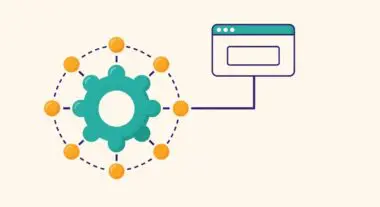
Robots.txt is a plain text file residing in the root directory of a web server that adheres to the Robots Exclusion Protocol (REP). Its primary function is to provide directives to web robots, or crawlers, regarding which parts of a website should be accessed or ignored. When a search engine bot like Googlebot or Bingbot visits a domain, the robots.txt file is the first resource it requests to determine the crawling boundaries set by the webmaster.
Technically, the file consists of one or more groups of directives. Each group starts with a User-agent line, specifying the crawler it applies to, followed by Allow or Disallow instructions. While it is a powerful tool for managing crawl traffic, it is important to note that robots.txt is a public file; anyone can view its contents by appending /robots.txt to a domain URL.
The Real-World Analogy
Imagine a massive library that is open to the public. At the entrance, there is a directory map provided to all visitors. This map highlights the main reading rooms and archives but explicitly marks the staff breakrooms, maintenance closets, and private offices as ‘No Entry.’ The robots.txt file is that directory map. It doesn’t physically lock the doors—a determined visitor could still find a way in—but it provides clear instructions to respectful visitors (search engine bots) on where they should and should not spend their time.
Why is Robots.txt Important for SEO?
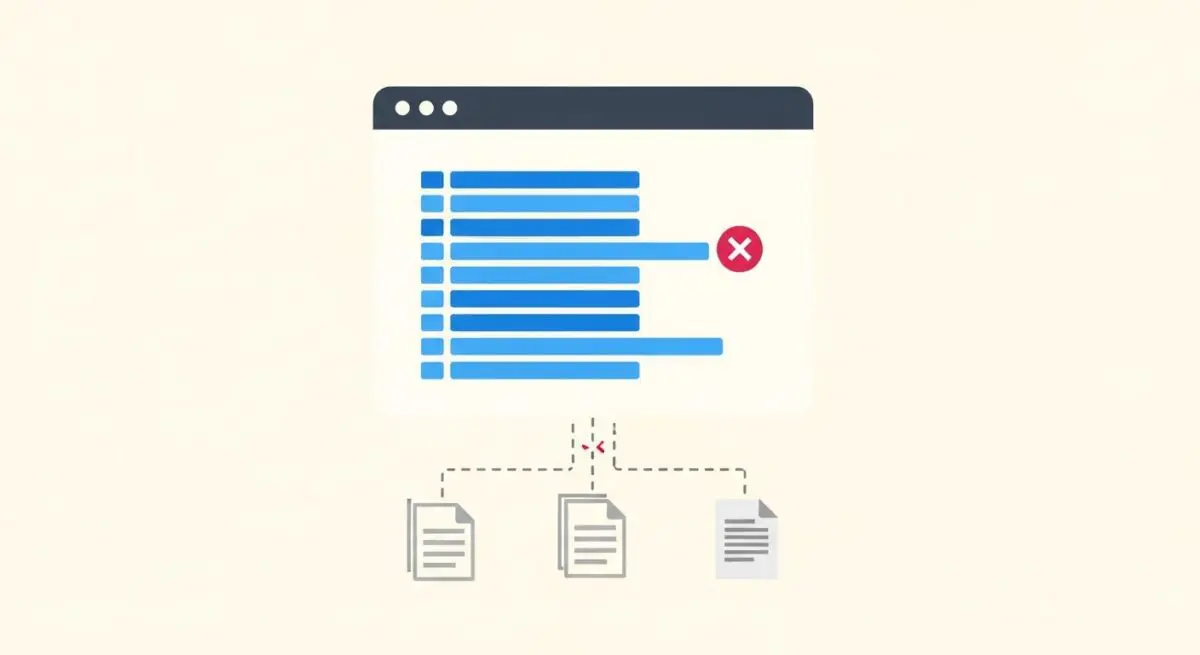
The strategic importance of robots.txt lies in crawl budget management. Search engines allocate a limited amount of time and resources to crawl any given website. By using robots.txt to disallow the crawling of low-value pages—such as internal search result pages, session IDs, or staging environments—SEO professionals ensure that crawlers focus their energy on high-priority, indexable content. This increases the frequency with which important pages are updated in the search index.
Furthermore, robots.txt helps prevent server strain. By limiting the access of aggressive third-party bots or preventing the crawling of resource-heavy scripts, it maintains site performance and stability. It also serves as a location signal for XML sitemaps, helping bots discover new content more efficiently.
Best Practices & Implementation
- Root Placement: Always place the file in the top-level directory of the host (e.g., https://example.com/robots.txt). Files placed in subdirectories are ignored by crawlers.
- Sitemap Declaration: Include a reference to your XML sitemap at the end of the file using the Sitemap: [URL] directive to facilitate discovery.
- Granular Control: Use specific User-agent directives if you need to treat different bots differently, such as allowing Googlebot while blocking less beneficial scrapers.
- Case Sensitivity: Ensure that the paths listed in Disallow directives match the actual URL casing, as robots.txt is case-sensitive.
- Avoid Blocking Resources: Never block CSS, JavaScript, or image files that are required for the visual rendering of the page, as this can negatively impact mobile-friendliness and rankings.
Common Mistakes to Avoid
A frequent error is attempting to use robots.txt to hide sensitive information. Since the file is public, listing private directories actually alerts malicious actors to their existence. Another critical mistake is the ‘nuclear option’—accidentally deploying a Disallow: / directive, which instructs all bots to stop crawling the entire website, leading to a total loss of search visibility. Finally, many webmasters confuse crawling with indexing; a page blocked in robots.txt can still appear in search results if it is linked to from other external sources.
Conclusion
Robots.txt is a critical architectural component for controlling how search engines interact with a domain. Proper management ensures optimal crawl efficiency and protects server resources, while errors can lead to significant indexing issues.