Executive Summary
- Automated communication sequences triggered by specific user behaviors or temporal intervals to maintain engagement.
- Functions as a stateful logic layer within stateless automation architectures via API and webhook integrations.
- Enables programmatic lead nurturing by injecting dynamic data into pre-defined messaging templates.
What is Drip Campaigns?
Drip campaigns are automated communication sequences—typically delivered via email, SMS, or push notifications—that are dispatched based on pre-defined triggers or specific time intervals. In the context of AI automations, these campaigns function as stateful logic layers within otherwise stateless environments. By leveraging structured data payloads, drip campaigns ensure that user engagement remains consistent throughout the customer lifecycle without requiring manual intervention for each interaction.
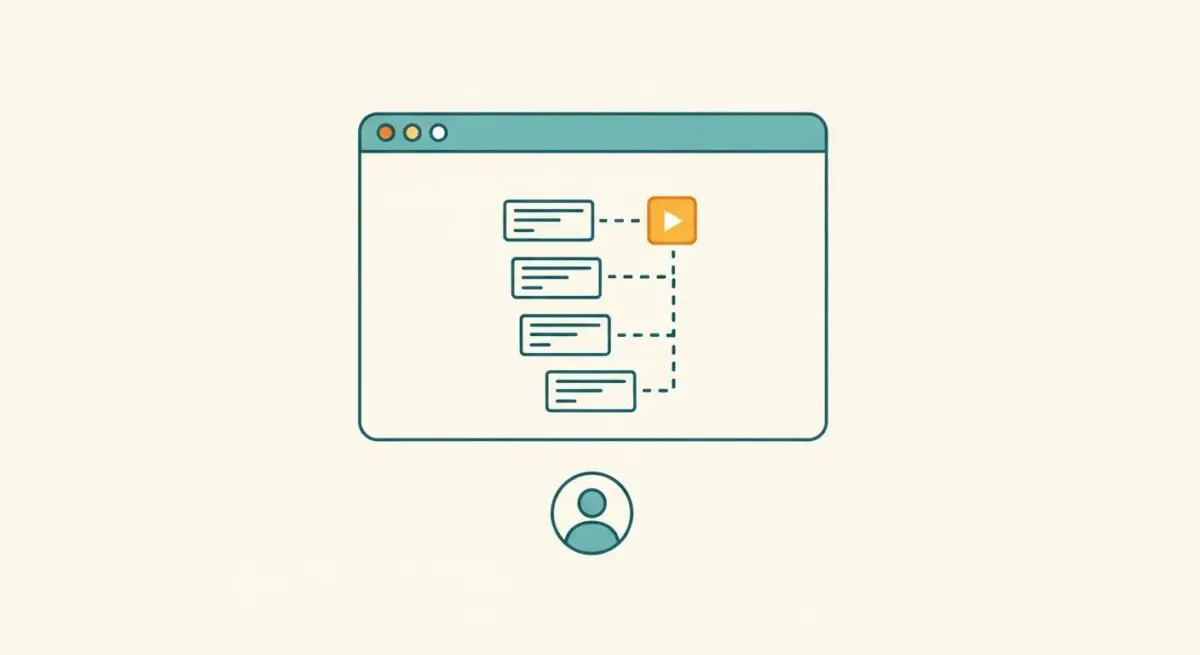
Technically, a drip campaign is a series of scheduled events managed by an automation engine or CRM. Each ‘drip’ is an individual message that is part of a larger, logic-based workflow. These workflows are often initiated by a webhook event, such as a form submission or a specific API call, and are governed by conditional logic (if/then statements) to determine the subsequent path of the user journey.
The Real-World Analogy
Think of a drip campaign like a sophisticated automated irrigation system in a commercial greenhouse. Instead of a gardener manually watering every plant, sensors detect soil moisture levels (user triggers) or follow a timer (scheduled intervals). The system releases precise amounts of water (content) to ensure each plant (lead) receives exactly what it needs to grow at the right time, without wasting resources or drowning the roots. It is a ‘set-it-and-forget-it’ mechanism that ensures optimal growth through consistent, measured delivery.
Why is Drip Campaigns Critical for Autonomous Workflows and AI Content Ops?
Drip campaigns are essential for maintaining the continuity of a customer journey in autonomous workflows. In modern AI content operations, where content is generated and distributed programmatically, drip campaigns act as the bridge between initial discovery and final conversion. They allow AI agents to hand off leads to a structured nurturing sequence, ensuring that the high volume of traffic generated by programmatic SEO is effectively managed.
Furthermore, drip campaigns optimize API payload efficiency. Instead of sending massive amounts of data in a single transaction, developers can distribute information over time, reducing server strain and improving deliverability. This serverless approach to communication allows for massive scaling, as the automation engine handles the scheduling and execution of thousands of concurrent sequences based on individual user metadata.
Best Practices & Implementation
- Implement Granular Segmentation: Use metadata from initial API triggers to categorize users into specific cohorts, ensuring the content remains hyper-relevant to their technical needs.
- Utilize Dynamic Content Injection: Employ templating languages like Liquid or Handlebars to inject real-time data into your payloads, making each message feel bespoke despite being automated.
- Establish Strict Exit Triggers: Configure your workflow to immediately terminate a sequence once a conversion event is logged in the CRM to prevent redundant or irrelevant messaging.
- Monitor Webhook Feedback Loops: Integrate delivery and engagement metrics back into your central data warehouse to refine the AI’s understanding of user behavior.
Common Mistakes to Avoid
A frequent error is the failure to synchronize the drip sequence with real-time CRM updates, which results in ‘zombie’ campaigns that continue to message users who have already converted. Another technical pitfall is neglecting to implement rate limiting or frequency capping, which can lead to domain blacklisting and a significant drop in deliverability across the entire automation stack.
Conclusion
Drip campaigns provide the necessary logical framework to scale personalized communication within AI-driven automation ecosystems. By integrating these sequences with robust API triggers and dynamic data, organizations can ensure persistent engagement and higher conversion rates in autonomous workflows.