Executive Summary
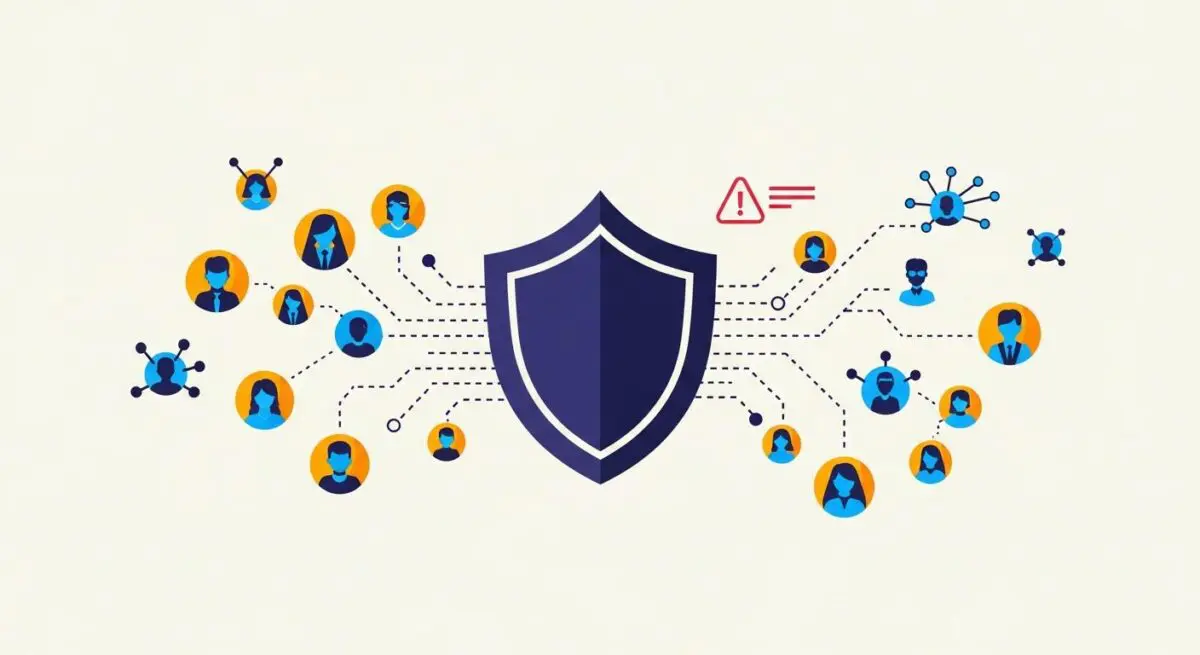
- Crowdsourced Vulnerability Discovery: Leverages a global network of ethical hackers to identify security flaws that automated scanners and internal audits often miss.
- Performance-Based Compensation: Shifts security expenditure from fixed-cost consulting to a variable-cost model where rewards are only paid for verified, actionable findings.
- Continuous Security Posture: Provides 24/7/365 monitoring of the attack surface, ensuring that new code deployments are immediately scrutinized by external researchers.
What is Bug Bounty Program?
A Bug Bounty Program is a structured crowdsourcing initiative where organizations incentivize independent security researchers, often referred to as ethical hackers, to discover and report software vulnerabilities. These programs serve as a critical layer in a modern defense-in-depth strategy, moving beyond traditional point-in-time penetration testing to provide continuous security assessment.
In a technical context, these programs are governed by a Vulnerability Disclosure Policy (VDP) which outlines the legal framework, the scope of assets to be tested, and the reward structure. We at Andres SEO Expert observe that high-maturity organizations utilize these programs to identify complex logic flaws and zero-day vulnerabilities that automated Static Application Security Testing (SAST) or Dynamic Application Security Testing (DAST) tools typically fail to detect.
The mechanics of a Bug Bounty Program involve a triage process where submitted reports are validated for reproducibility and impact. Once a vulnerability is confirmed, the researcher is compensated based on the severity of the flaw, usually calculated via the Common Vulnerability Scoring System (CVSS). This creates a competitive marketplace for security intelligence, ensuring that the most critical bugs are prioritized for remediation.
The Real-World Analogy
Imagine a high-security bank that hires a single security firm once a year to check its locks and cameras. While professional, that firm only has a few sets of eyes and a limited amount of time to find weaknesses.
A Bug Bounty Program is like the bank announcing to a global community of locksmiths and security experts that they will pay a specific cash reward to anyone who can find a way to bypass their vault door without breaking it. Instead of one firm checking the locks annually, thousands of experts are checking the locks every single day from different angles, ensuring that the bank finds the hole before a criminal does.
How Bug Bounty Program Drives Strategic Growth & Market Competitiveness?
Implementing a Bug Bounty Program directly impacts a company’s market competitiveness by significantly reducing the risk of catastrophic data breaches. In the current digital economy, a single breach can lead to massive customer churn and irreparable brand damage. By proactively identifying flaws, companies protect their long-term enterprise value and maintain the integrity of their customer data.
From a financial perspective, these programs optimize the security budget by shifting from a CapEx-heavy model of hiring massive internal red teams to an OpEx model based on results. This allows for better allocation of capital toward core product development while maintaining a high security bar. We at Andres SEO Expert emphasize that a public commitment to security through a bounty program acts as a powerful trust signal for B2B clients and enterprise partners.
Furthermore, the data generated from bounty reports provides a feedback loop for the internal engineering team. By analyzing the types of bugs frequently reported, leadership can identify systemic weaknesses in the Software Development Life Cycle (SDLC). This leads to better developer training and the implementation of more robust coding standards, ultimately reducing the technical debt and increasing the velocity of secure software delivery.
Strategic Implementation & Best Practices
- Define a Precise Technical Scope: Clearly delineate which domains, IP ranges, and API endpoints are eligible for testing to prevent researchers from accidentally targeting third-party infrastructure or sensitive production environments.
- Establish a Standardized Triage Workflow: Implement a dedicated team or utilize a platform-managed service to validate reports within 24 to 48 hours. Slow response times discourage high-quality researchers and increase the risk of public disclosure.
- Implement a Tiered Payout Matrix: Align financial rewards with the CVSS score of the vulnerability. High-impact flaws like Remote Code Execution (RCE) should command significantly higher bounties than low-impact issues like descriptive error messages.
- Integrate with CI/CD Pipelines: Ensure that once a bug is triaged, it is automatically pushed to the engineering team’s project management tools, such as Jira or GitHub, to facilitate rapid patching and deployment.
Common Pitfalls & Strategic Mistakes
One of the most frequent errors is launching a public program before the internal security posture is mature. If an organization has not performed basic vulnerability scanning, they will be overwhelmed by a flood of low-level reports, leading to triage fatigue and a depleted budget.
Another strategic mistake is the lack of a ‘Safe Harbor’ clause in the program policy. Without explicit legal protection for researchers acting in good faith, high-tier ethical hackers will avoid the program to escape potential prosecution, leaving the organization vulnerable to less scrupulous actors.
Finally, many enterprises fail to allocate a flexible budget for ‘critical’ findings. If a researcher discovers a catastrophic flaw and the organization cannot pay the promised reward due to budget silos, it can lead to significant friction and potential reputational risks within the security community.
Conclusion
A Bug Bounty Program is an essential component of a resilient digital infrastructure, providing a scalable and cost-effective method for continuous security validation. By leveraging global expertise, organizations can stay ahead of evolving threats and build a foundation of trust that is vital for modern business growth.