Key Takeaways
- Lyria 3.5 delivers richer musicality, emotionally nuanced vocals, and tighter lyric-prompt adherence.
- Exclusive to Google Flow Music, the model introduces direct tempo and duration controls for creator-led output.
- The update signals a shift from AI as a novelty tool to a genuine creative collaborator.
Lyria 3.5 Brings Expressive Vocals and Granular Control to Google Flow Music
Today, Google DeepMind launched Lyria 3.5 directly into Google Flow Music, a move that instantly upgrades the platform’s music generation engine. The update, detailed in the company’s official blog, targets four areas: more natural melodic architecture, emotionally nuanced vocals with sharper pronunciation, lyrics that adhere more closely to prompts, and new knobs for tempo and track duration.
This is not a cosmetic refresh. Lyria 3.5 aims to move AI music from a novelty act toward a tool that musicians and creators can genuinely mold, placing creative intent at the center. The early signal is that Flow Music will serve as the first layer of this more controllable, expressive generation.
Table of Contents
Inside Lyria 3.5: Musicality, Lyrics, and Vocal Nuance Redefined
Google DeepMind’s blog post frames Lyria 3.5 as a direct response to the limitations that have kept AI-generated music from feeling truly alive. Instead of relying on statistical mimicry, the model tackles the core pillars that make a track resonate.
Our newest music generation model, Lyria 3.5, delivers significant advancements across musicality, lyrics, and vocal quality, empowering you to craft richer tracks.
The improvements, as outlined in the announcement, are layered.
- Improved musicality: Richer, more complex melodic structures that unfold with a natural sense of movement rather than predictable loops.
- Enhanced lyrics: Higher-quality lyrical generation that understands structural cues and sticks closer to the user’s original creative prompt.
- Improved vocals: Vocals carry more expression and emotional weight, with better pronunciation and a more human-like tonal range.
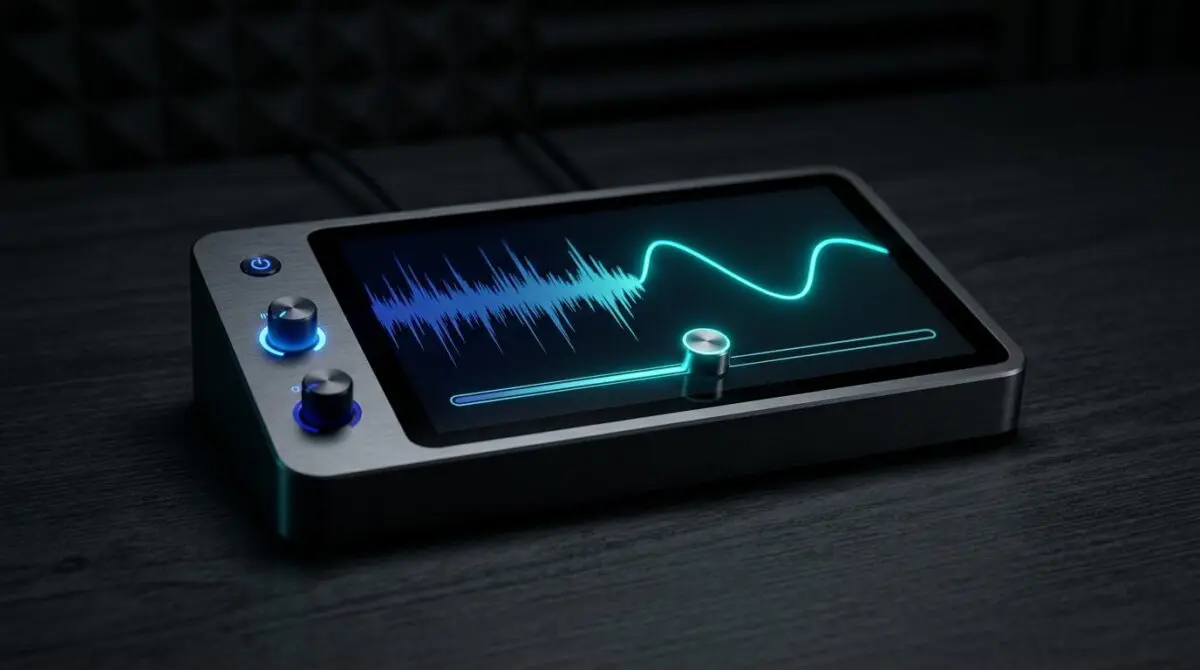
- Creative control: Tempo and output duration can now be dialed in directly, giving users hands-on steering over the finished track.
Put together, these upgrades address the persistent complaint that AI music sounds hollow, both lyrically and vocally. The focus on controlled output length also suggests an effort to move beyond the short, disconnected clips that earlier models typically produced.
Why Lyria 3.5 Is Exclusive to Flow Music — and What It Means for AI-Generated Audio
A telling detail sits outside the announcement. Google Cloud’s official documentation for the Gemini Enterprise Agent Platform, last updated on July 28, 2026, lists available music generation models — and Lyria 3.5 is nowhere among them. The catalog includes lyria-3-clip-preview, lyria-3-pro-preview, and the older lyria-002, all capable of text-to-music generation with optional image inputs and a fixed 32.8-second clip limit. This separation points to a deliberate two-tier rollout.
Flow Music appears to be the proving ground where Google DeepMind tests its newest model, as detailed in the Lyria 3.5 blog post, in the hands of creators, prioritizing artistic feedback over API-scale deployment. The enterprise API, meanwhile, remains on Lyria 3 variants designed for modular, clip-length output. This bifurcation could mean that Lyria 3.5 incorporates longer-form generation logic and finer creative controls that require a different interface, one not yet packaged for programmatic consumption.
Google DeepMind’s claims of vocal realism and emotional nuance have not yet been independently benchmarked at production scale. The market will watch whether Lyria 3.5 genuinely narrows the expressiveness gap between synthetic vocals and human performance, or whether the improvements remain most visible in curated demos. Either way, a model that combines richer lyrics with tighter tempo management raises the competitive bar for music AI tools, where the next frontier is not just generating notes but generating intention.
A New Creative Benchmark: From Tool to Co-Creator
Lyria 3.5 signals an acceleration past the era of generic AI tracks. By treating lyrics, vocals, and musicality as interdependent layers — and giving users direct levers for duration and tempo — Google DeepMind is sketching a future where AI becomes a capable collaborator, not just a sound factory. The message is clear: music generation models that ignore emotional depth and structural fidelity will quickly become legacy artifacts.
For businesses integrating AI into creative workflows, performance and reliability become as important as the models themselves. AI automation pipelines and scalable cloud hosting are what keep generative tools fast, stable, and ready for production. To explore how these capabilities can support your next project, connect with Andres, and get to know the methodology behind Andres SEO Expert.
Frequently Asked Questions
What is Lyria 3.5 and when was it released?
Lyria 3.5 is Google DeepMind’s latest music generation model, launched on July 29, 2026, directly into Google Flow Music. It brings advancements in musicality, lyrics, vocal quality, and creative control.
What improvements does Lyria 3.5 bring to AI-generated music?
Lyria 3.5 delivers richer melodic structures, higher-quality lyrics that follow prompts more closely, expressive vocals with better pronunciation and emotional range, and new controls for tempo and track duration.
Is Lyria 3.5 available through the Google Cloud API?
No, Lyria 3.5 is exclusive to Google Flow Music. The Google Cloud Gemini Enterprise Agent Platform still offers older models like lyria-3-clip-preview and lyria-3-pro-preview, with a fixed 32.8-second clip limit.
Why did Google limit Lyria 3.5 to Flow Music instead of the API?
Google appears to be using Flow Music as a proving ground for Lyria 3.5, prioritizing artist feedback and longer-form generation logic that may not yet be ready for programmatic API consumption. This two-tier rollout allows for refinement before broader deployment.
How does Lyria 3.5 improve vocal quality compared to previous models?
Lyria 3.5 produces vocals with more expression, emotional nuance, sharper pronunciation, and a more human-like tonal range, moving beyond the hollow or robotic sound typical of earlier AI music generators.
What creative controls does Lyria 3.5 offer users?
Users can now directly adjust tempo and output duration, giving them hands-on control over the final track. This allows for longer, more structured compositions rather than short, disconnected clips.
What does Lyria 3.5 mean for the future of AI music generation?
Lyria 3.5 signals a shift from generic AI tracks toward a collaborative tool that treats lyrics, vocals, and musicality as interdependent layers. It raises the bar for emotional depth and structural fidelity, making AI a more capable co-creator.