Key Points
- Synthetic Democratization: No-code integrations seamlessly trigger hyper-personalized video generation the moment a lead is captured, completely removing human recording bottlenecks.
- Interactive Empathy: Advanced AI pipelines bridge the digital empathy gap by delivering interactive videos that connect subscribers directly to assigned technicians, drastically reducing early cancellation rates.
- Infinite Scalability: Transitioning from manual production to API-driven workflows slashes per-video costs from $12.00 to mere cents while boosting retention performance by 3.5x.
Table of Contents
The Cold Welcome Dilemma
Imagine a homeowner desperately needing an emergency repair and submitting a local service lead form late on a Sunday night. Instead of a reassuring human connection, they receive a sterile and automated text message that feels entirely transactional. This generic communication creates a massive trust deficit right at the starting line.
Standard automated welcome emails face a staggering 90% ignore rate across the local service industry. Small teams know that personal outreach works best, but manually recording a customized video for every single new lead is physically impossible to scale. The founder quickly becomes a severe bottleneck, allowing potential long-term subscribers to slip through the cracks.
This is where AI-driven hyper-personalized video onboarding pipelines change the game entirely. This technological leap replaces static auto-responders with dynamic, face-to-camera greetings tailored specifically to the viewer. It reclaims countless hours of manual labor while instantly establishing a high-trust relationship with every new customer.
Quantifying the Automation Advantage
To truly understand the operational shift occurring in local service businesses, we must look at the data driving this transformation.
Market Intelligence & Data
ROI Acceleration
According to a 2026 report by Loopex Digital, businesses using AI-driven video marketing workflows see an 82% higher return on investment compared to those using manual content creation.
Production Cost Reduction
Verified data from Vivideo in 2026 indicates that AI video automation tools have reduced average production costs by 91% compared to traditional manual studio methods.
Retention Performance
A 2025 study by Idomoo found that personalized video greetings are 3.5 times more likely to successfully convert or retain a new subscriber than generic text or static image communications.
Adoption Volume Growth
Market research from Vivideo shows that the total volume of AI-generated personalized videos grew by 840% between early 2024 and 2026 as technical barriers to entry dissolved.
An 82% acceleration in ROI fundamentally changes how local businesses allocate their marketing budgets. By automating the most labor-intensive parts of customer acquisition, companies can redirect capital toward service expansion rather than administrative overhead. This level of return proves that personalized outreach is no longer a luxury but a baseline requirement.
Achieving a 91% reduction in production costs is directly tied to eliminating traditional studio setups and manual editing hours. Businesses are unlocking these savings by leveraging the Tavus Phoenix Model API to generate flawless, lip-synced videos programmatically. The expensive overhead of lighting, camera gear, and endless retakes vanishes entirely.
Retention is the lifeblood of any subscription-based local service, making a 3.5x boost in performance an absolute game-changer. This spike in loyalty happens because modern tools are powering interactive onboarding with HeyGen, turning a passive viewing experience into an active first step. Customers feel seen and valued before a technician even arrives at their door.
A staggering 840% growth in adoption volume highlights the rapid democratization of synthetic media. What was once experimental enterprise technology is now highly accessible to regional plumbers, HVAC companies, and landscapers. As technical barriers dissolve, businesses that fail to adopt these pipelines risk being outpaced by tech-savvy competitors.
Democratizing Synthetic Media
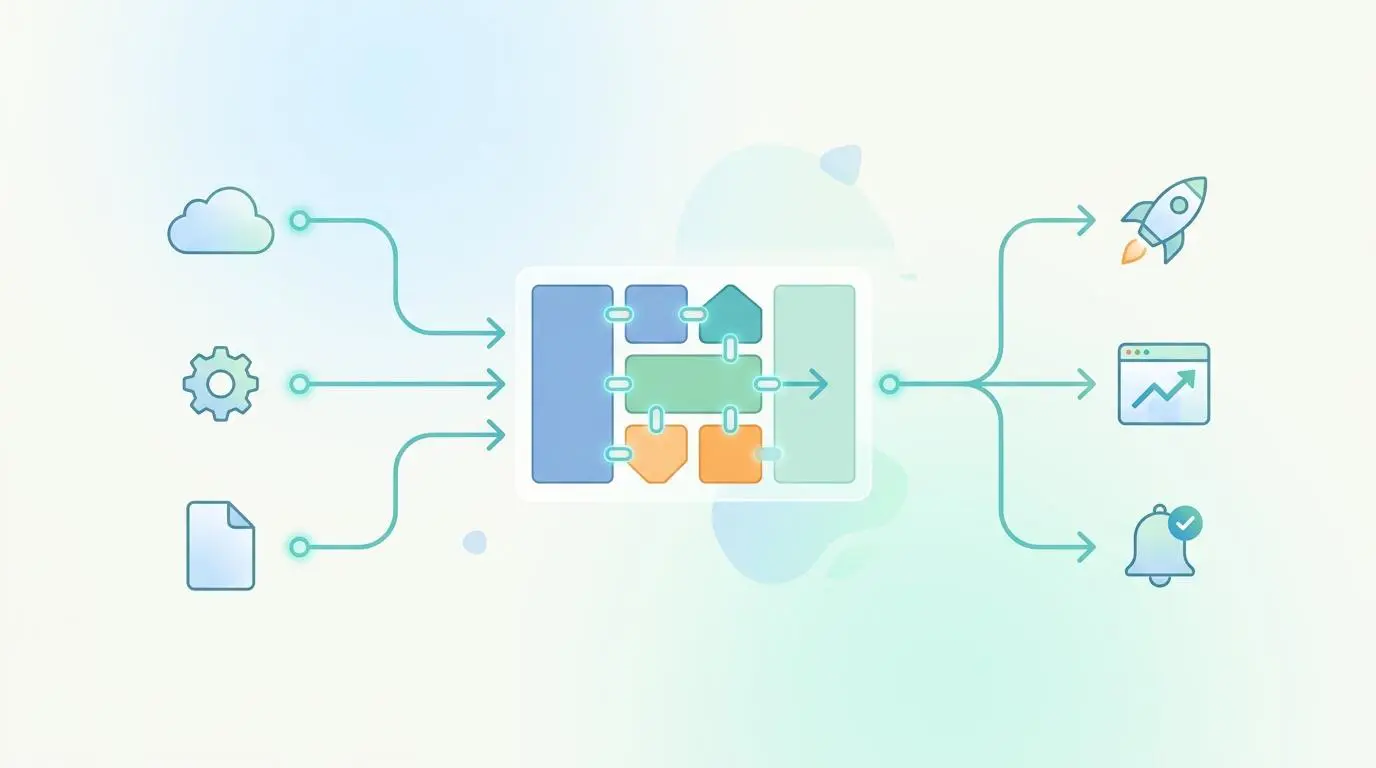
The no-code and low-code revolution has completely rewritten the rules of modern video production. Platforms like Make.com and Relay.app now act as the connective tissue between your CRM and advanced AI video generators. This allows local businesses to trigger complex workflows the exact second a lead form is submitted.
By integrating these automation platforms with cutting-edge rendering APIs, businesses achieve flawless face cloning in record time. A personalized 4K video greeting can be generated and delivered to a new lead’s inbox in under 15 minutes. The entire process operates silently in the background and requires absolutely zero human intervention.
This automated pipeline successfully eliminates the traditional bottleneck of the human spokesperson. A founder or lead technician no longer needs to be available, camera-ready, and energetic to record hundreds of individual welcome messages. The AI handles the heavy lifting to ensure every single lead gets a premium and personalized introduction.
Bridging the Digital Empathy Gap
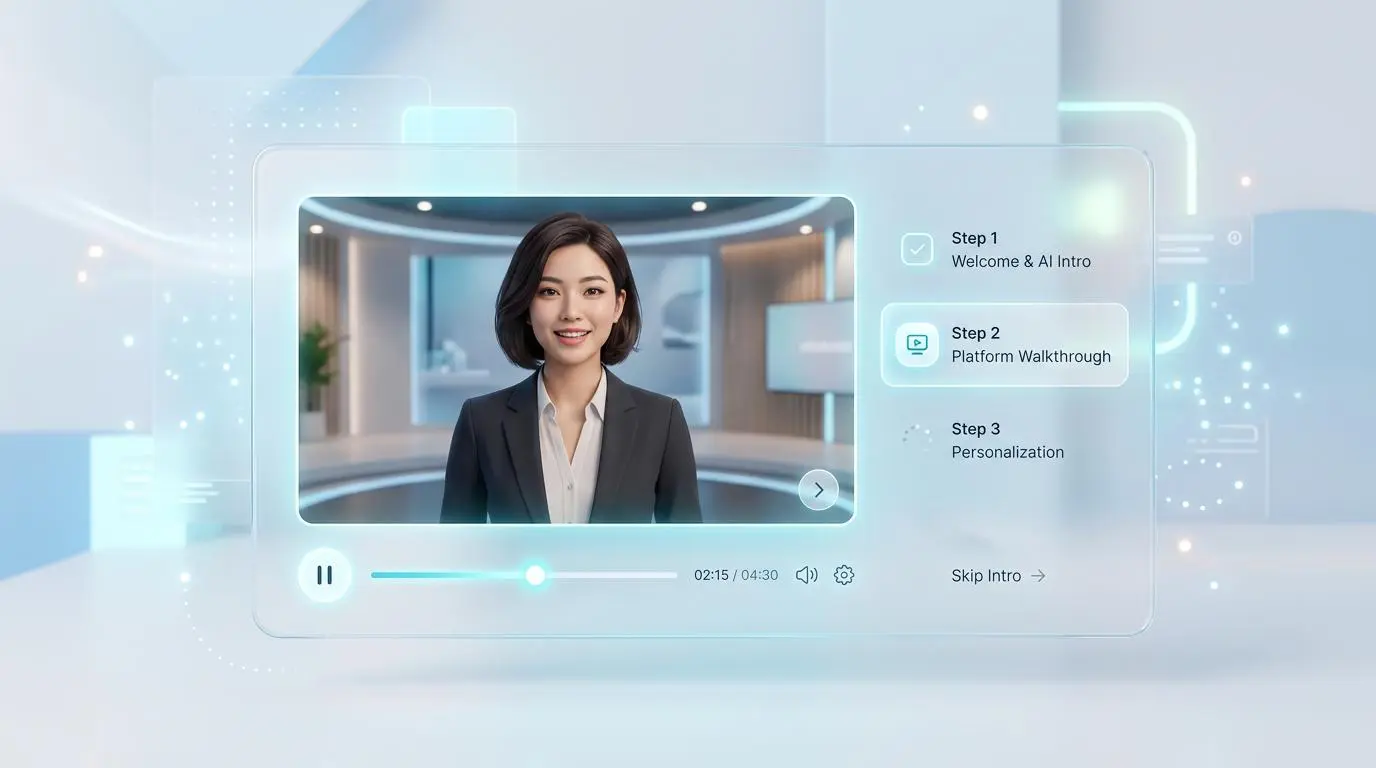
Customer experience automation is rapidly evolving far beyond simple text replacement. Using advanced platforms like Synthesia, local brands are pioneering a new standard of interactive onboarding. These videos do not just speak to the customer but actively guide them through the next steps of their service journey.
Within these AI-generated greetings, companies can embed personalized call-to-action buttons directly into the video player. A new subscriber can click a button on the screen to instantly view the profile of the specific technician assigned to their route. This creates an immediate sense of familiarity and safety before the service call begins.
Implementing this workflow solves the critical impersonal gap that frequently plagues local services. Historically, nearly half of all subscribers would cancel before their first appointment simply due to a lack of human connection. By putting a friendly and knowledgeable face front and center, businesses build immediate rapport and secure the appointment.
Scaling Creative Output Infinitely
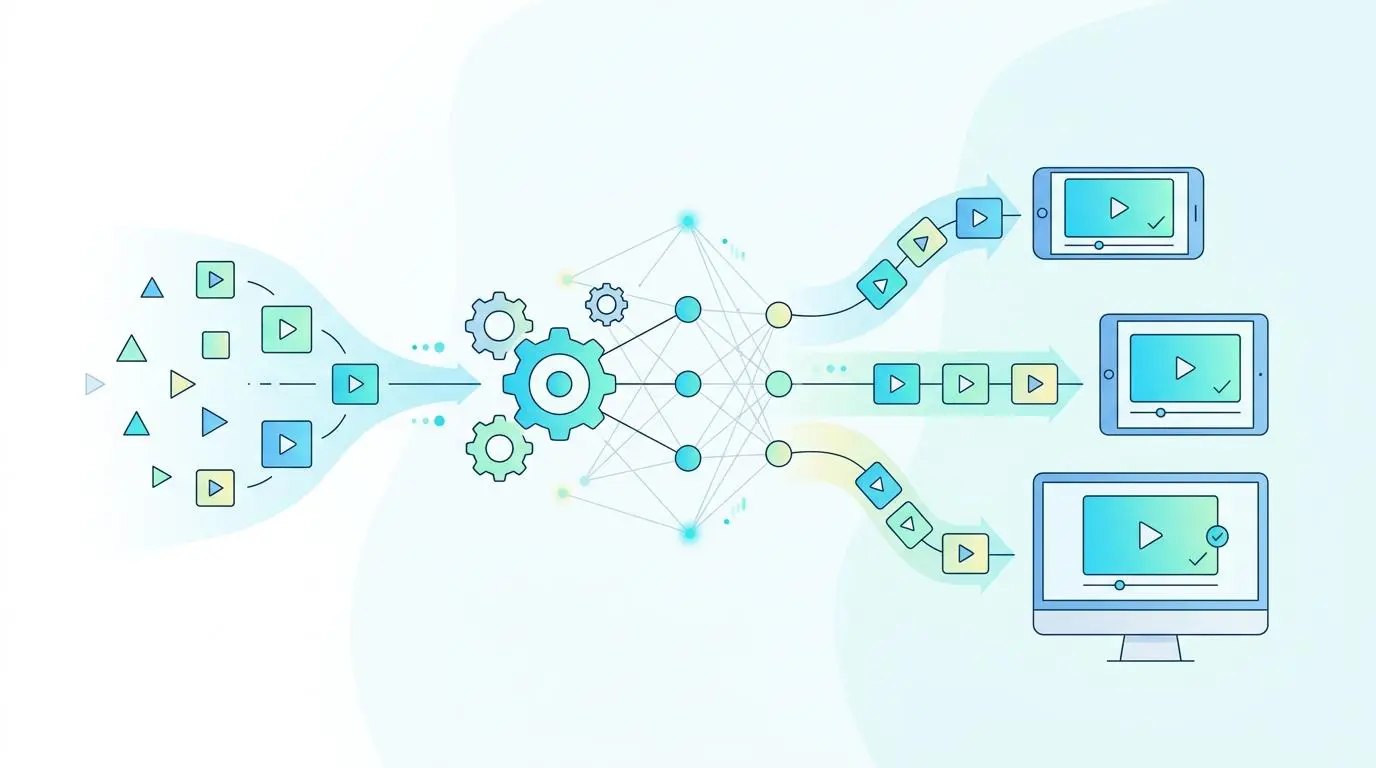
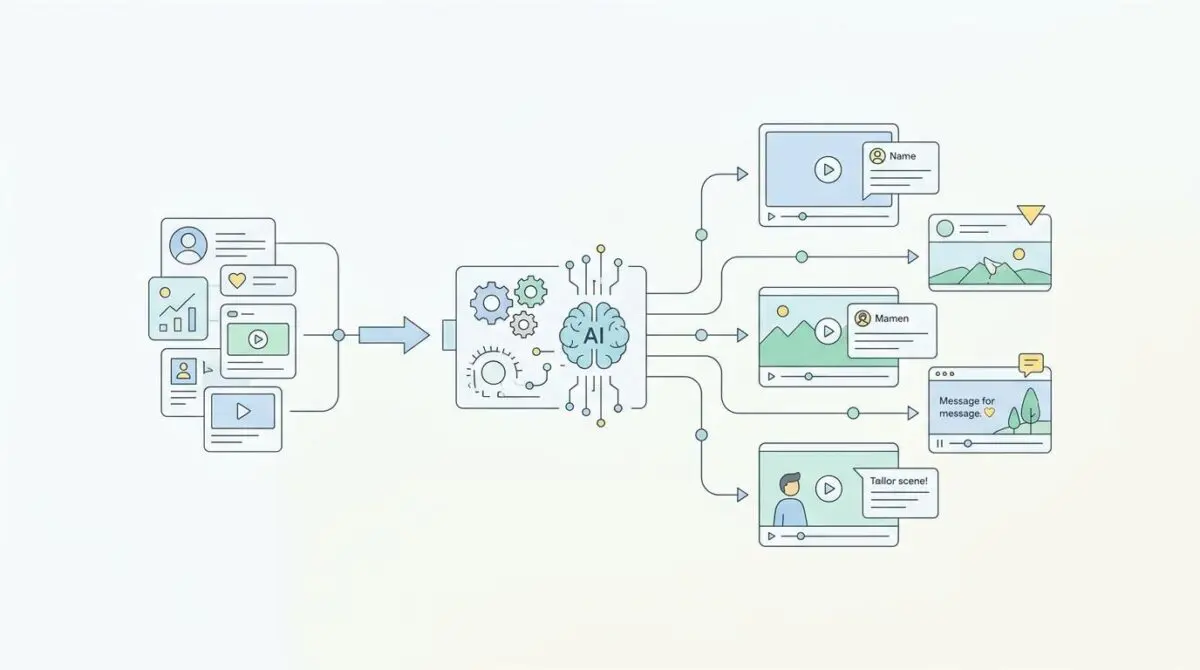
Marketing and content pipelines are experiencing a massive structural shift thanks to programmatic video delivery. By connecting AI video APIs with SMS and email sequences, local brands can distribute content at an unprecedented scale. A business can now send thousands of unique videos in the exact time it previously took to manually record just one.
The true power of this automation lies in the underlying data payload. Each generated video dynamically reflects the lead’s specific zip code, the exact service they inquired about, and even local weather conditions. This hyper-relevance ensures the messaging easily cuts through the noise of crowded digital inboxes.
This level of automated personalization effectively ends creative gridlock for growing service companies. High-quality and tailored content is no longer reserved exclusively for high-ticket enterprise deals. A significant portion of outbound marketing messages from mid-sized organizations are now synthetically generated using AI avatars, representing a massive shift toward human-centric media.
Slashing the Manual Production Tax
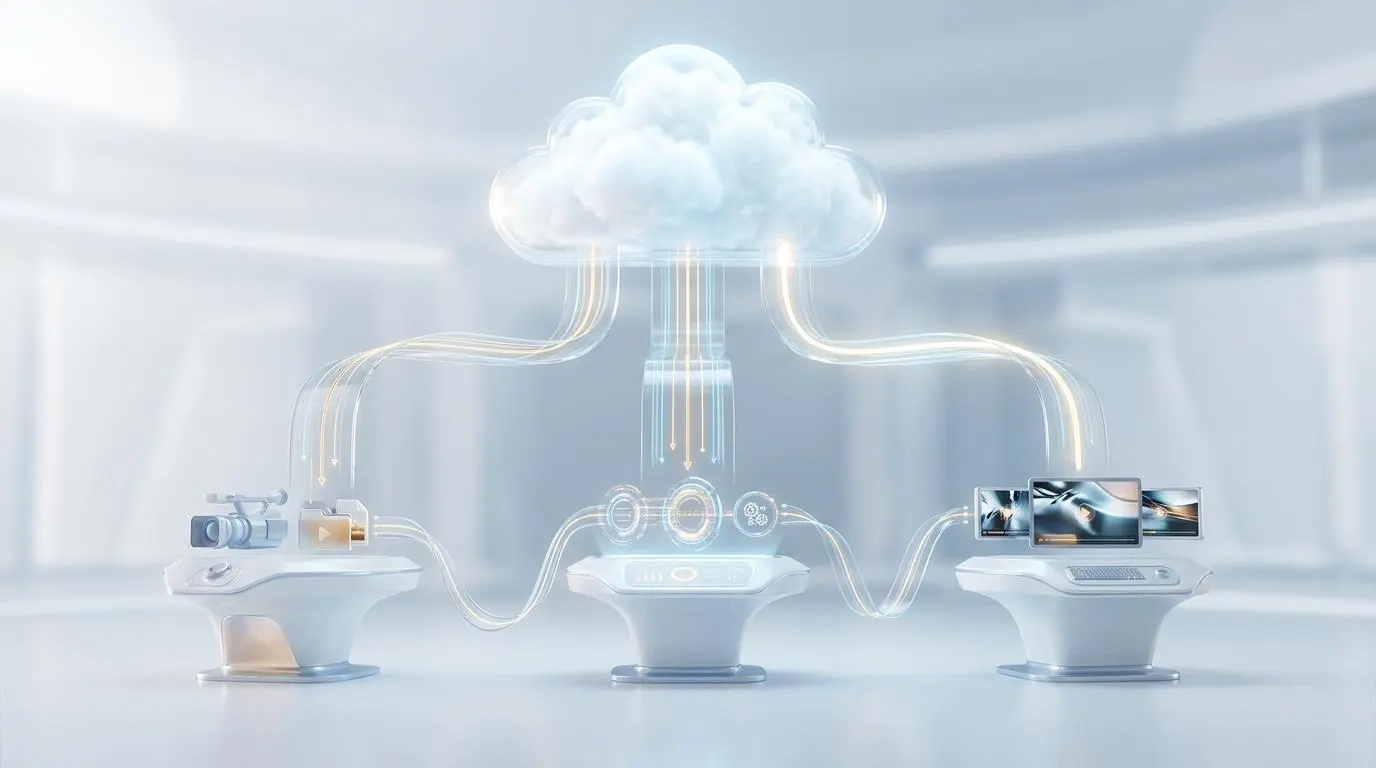
The hidden costs of manual work have silently drained local service profitability for years. Traditionally, producing a simple marketing video required scriptwriting, filming, editing, and rendering over several days. This incredibly slow turnaround made personalized video a logistical nightmare for small teams.
Modern AI-automated pipelines have completely dismantled this outdated production timeline. The entire lifecycle of a personalized video has been reduced to mere minutes of total processing time. Best of all, this happens entirely in the cloud without a single minute of human labor required.
The financial impact of this operational shift is absolutely staggering for local businesses. Automation reduces the labor cost per video from roughly twelve dollars for manual creation down to mere cents in raw API costs. This allows businesses to reallocate massive amounts of capital back into growth and customer acquisition.
Interactive Digital Twins and Beyond
The future horizon of video automation is rapidly shifting toward real-time branching. Instead of receiving a linear and pre-recorded message, a local subscriber will soon be able to talk back to the AI avatar directly within the video player. The AI will then dynamically adjust its responses based on the customer’s verbal input.
This fixes the static video dead-end where recipients can watch a personalized greeting but cannot immediately interact with it. If a customer needs to change their appointment time or add specific service details on the fly, the video avatar will handle the request instantly. The initial greeting seamlessly transforms into a two-way conversation.
These personalized video greetings are quickly evolving into fully interactive digital twins. They will act as autonomous receptionists natively embedded within the video interface rather than just speaking to the viewer. Capable of handling complex scheduling and processing payments via voice-in-video technology, these AI pipelines will redefine customer service entirely.
The Next Era of Client Retention
The transition from static emails to AI-driven hyper-personalized video onboarding pipelines is a fundamental operational necessity rather than just a marketing upgrade. Local service businesses that embrace synthetic media will capture attention, build instant trust, and scale their customer relationships infinitely without sacrificing quality.
As AI APIs become faster, cheaper, and more emotionally intelligent, the barrier between digital automation and genuine human connection will disappear entirely. The businesses that map and deploy these intelligent pipelines today will undoubtedly dominate their local markets tomorrow.
Navigating the intersection of technology, workflows, and operational efficiency requires a sharp strategy. To future-proof your business architecture and scale with precision, connect with Andres at Andres SEO Expert today.
Frequently Asked Questions
What are AI-driven personalized video onboarding pipelines?
AI-driven personalized video onboarding pipelines are automated systems that generate customized, face-to-camera video greetings for new customers. These pipelines use AI video APIs to replace generic automated text messages with tailored video content that can be delivered to a lead’s inbox in under 15 minutes.
How do personalized video greetings improve customer retention?
Personalized video greetings are 3.5 times more likely to retain a new subscriber compared to static text or images. By establishing a human connection immediately, businesses can bridge the “digital empathy gap” and prevent the 45% of cancellations that typically occur before the first service appointment.
What is the cost difference between manual video production and AI automation?
AI automation reduces production costs by 91% compared to traditional studio methods. While manual video production costs roughly $12.00 per unit, AI API-driven workflows reduce that cost to approximately $0.18 per video, allowing for massive scaling without increased labor costs.
Which tools are used to build AI video automation workflows?
Modern video automation workflows typically use no-code platforms like Make.com or Relay.app to connect CRMs with advanced video generation APIs such as Tavus Phoenix, HeyGen, or Synthesia. These tools allow for programmatic delivery via SMS or email using services like Twilio and HubSpot.
What is the ROI of using AI-driven video marketing for local services?
According to market intelligence from 2026, businesses using AI-driven video marketing workflows see an 82% higher return on investment (ROI) compared to those relying on manual content creation. This is driven by increased conversion rates and a drastic reduction in production overhead.
What are interactive digital twins in video automation?
Interactive digital twins are advanced AI avatars that allow for real-time, two-way conversations within a video player. By late 2026, these avatars will function as 24/7 autonomous receptionists capable of handling scheduling and payments directly through the video interface.