




Key Points
- Conversion Premium: AI search traffic converts at 4.4x the rate of traditional organic traffic due to multi-stage trust filtering.
- Passage Extraction: Real-time passage extraction favors 50-150 word answer chunks over traditional long-form content optimized for dwell time.
- B2A Protocols: The llms.txt standard reduces token consumption by up to 10x, streamlining bot management for AI search agents.
Table of Contents
The Attribution-Ranking Divergence
The invisible tax of legacy optimization is quietly bleeding enterprise marketing budgets dry.
Every hour spent obsessing over traditional keyword density is an hour lost to the new reality of AI search automation.
The structural bottleneck we face today is known as the Attribution-Ranking Divergence.
By 2026, 83% of AI-generated citations originate from domains completely outside the traditional Google Top 10.
This massive shift renders standard backlink-driven authority metrics obsolete for generative visibility.
Search engines are no longer simply retrieving documents; they are actively synthesizing answers.
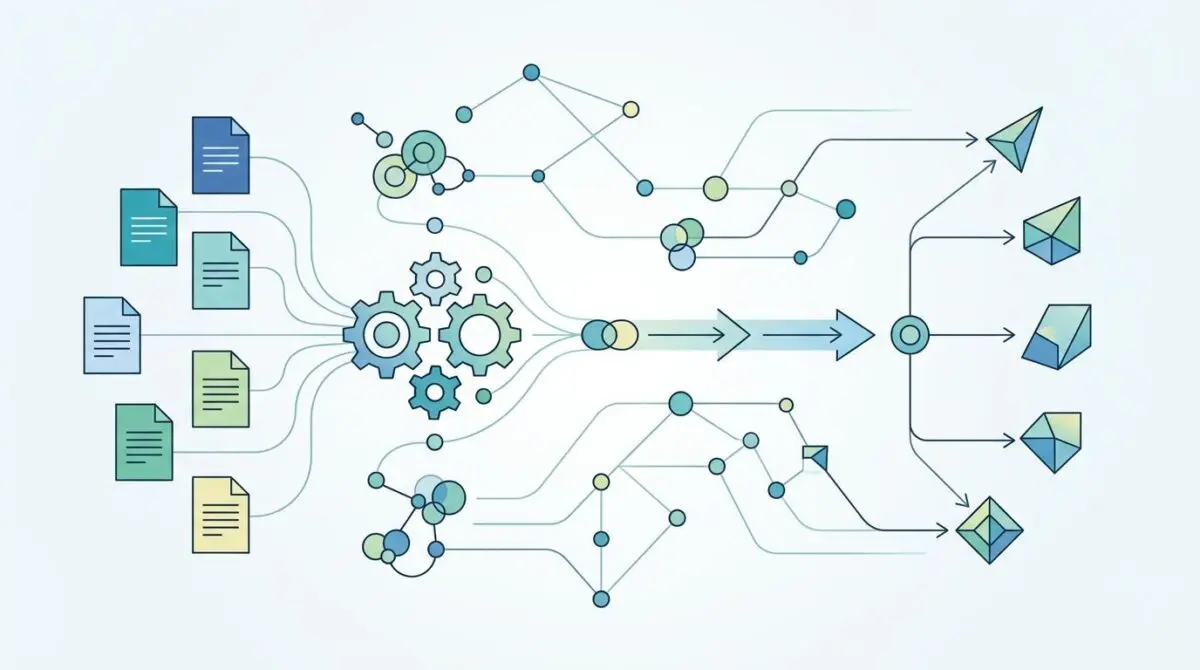
The ultimate architectural solution to this divergence is Semantic Citation Mapping and Attribution Engineering.
This discipline effectively bridges the gap between traditional SEO and Generative Engine Optimization (GEO).
By engineering content specifically for LLM ingestion, brands can ensure their entities are mapped correctly within vector databases.
The Click-Through Collapse and Citation Share of Voice
The transition from legacy SEO to GEO is driven by stark behavioral shifts in user interaction.
According to SparkToro’s 2024 Zero-Click Search Study and subsequent April 2026 data, 60% of Google searches now resolve entirely within the AI Overview.
This zero-click reality necessitates a hard pivot from traditional CTR-based KPIs to measuring Citation Share of Voice.
Brands can no longer rely on users clicking a blue link to discover their value.
Instead, visibility must be secured directly within the synthesized response.
However, the traffic that does flow through these new generative interfaces carries immense value.
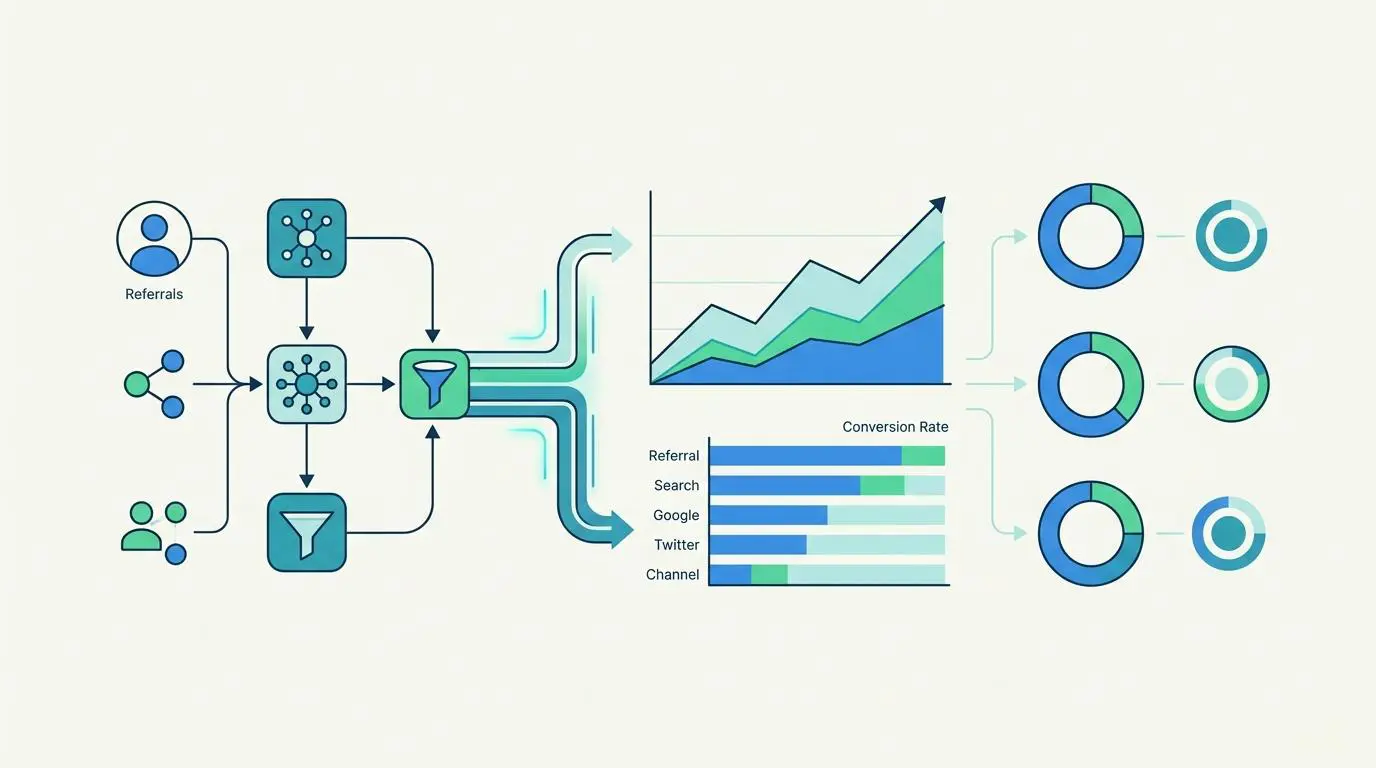
Data from the 2026 Semrush AI SEO Statistics report confirms that traffic referred through AI citations converts at over four times the rate of traditional organic search.
This 4.4x higher conversion rate is widely known as the Conversion Premium.
As highlighted by the ConvertMate GEO Benchmark Study 2026, users arrive via cited recommendations that have already survived the AI engine’s multi-stage trust filtering and fact-verification gates.
This rigorous pre-qualification drastically shortens the sales cycle.
Architectural Deep Dives
Bypassing Legacy Metadata for Answer Chunks
As of June 2026, AI Overviews trigger on 48% of global queries.
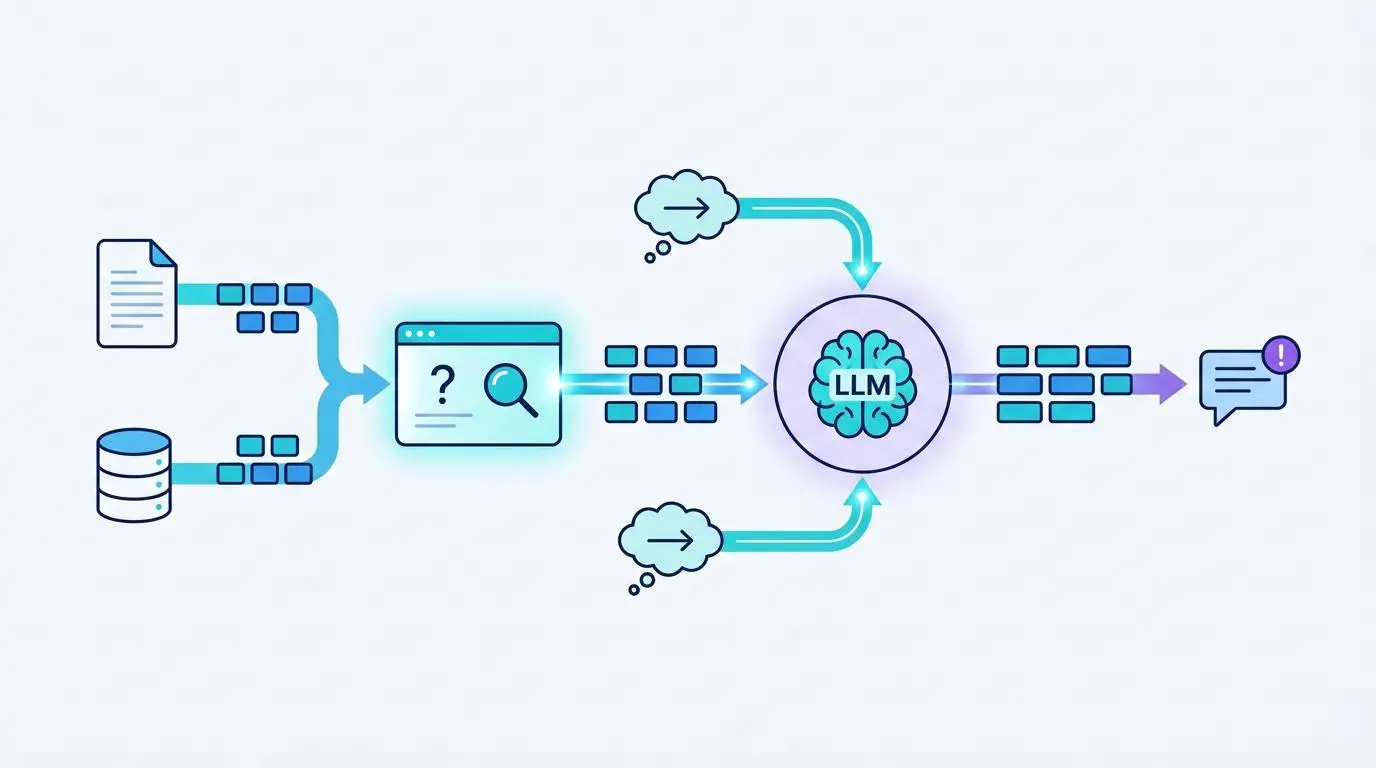
Engines like Perplexity now utilize a sophisticated 5-step RAG pipeline to generate these real-time responses.
This pipeline includes Query Interpretation, Retrieval, Answer Construction, Citation Assignment, and Trust Filtering.
Traditional SEO content often buries the lead to artificially inflate dwell time.
This legacy tactic is highly detrimental in a GEO ecosystem where speed and precision are paramount.
AI retrieval agents actively bypass legacy SEO metadata in favor of real-time passage extraction.
These agents prioritize dense, 50-150 word answer chunks that can be contextually injected into synthesized responses.
Content architects must structure their pages to serve these highly specific chunks.
Doing so prevents the LLM from having to perform heavy re-ranking computations, significantly increasing the likelihood of citation.
Surviving Citation Churn via Verification Hashes
The mechanics of authority have fundamentally shifted away from static link graphs.
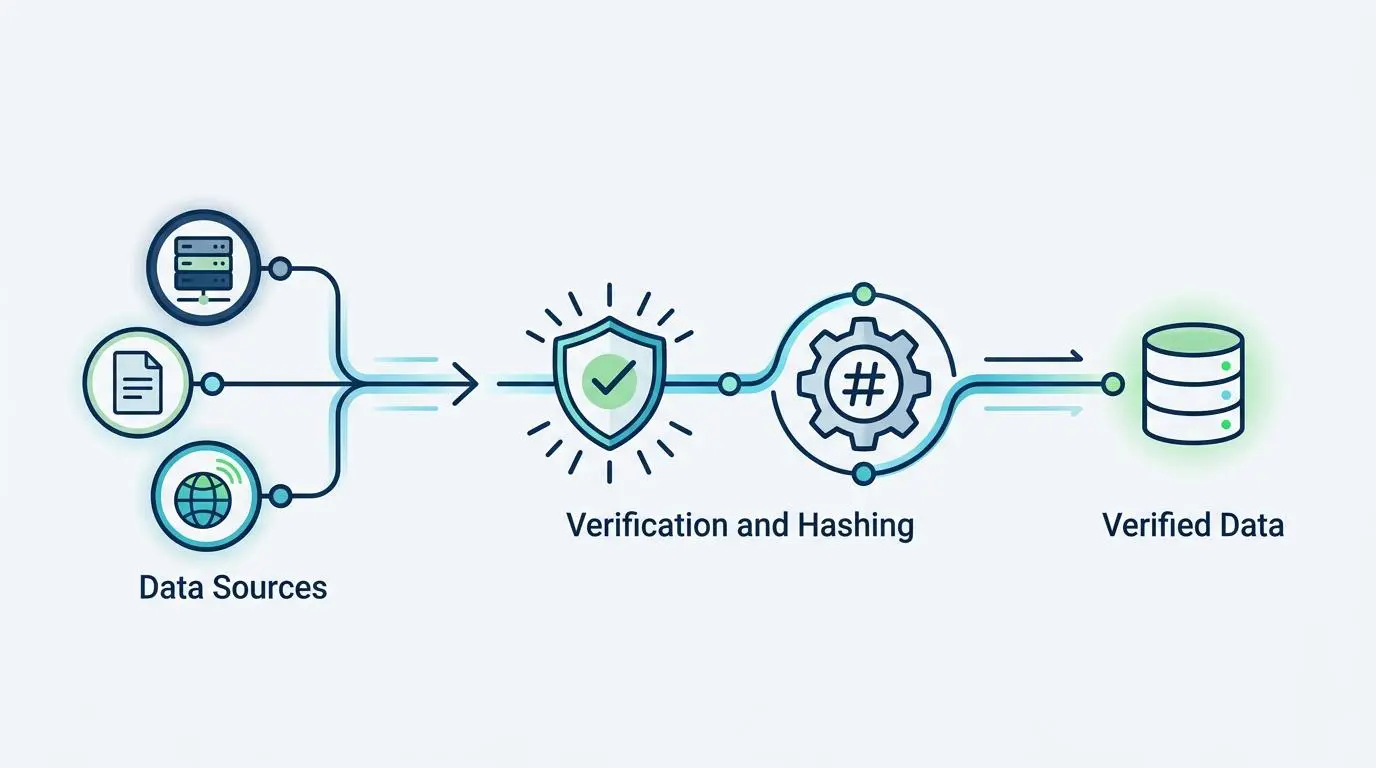
OpenAI’s OAI-SearchBot and Google’s Gemini-Powered AI Mode now prioritize Verification Hashes and structured citations over keyword density.
Securing the top citation position is absolutely critical for visibility.
Achieving citation position number one yields a 33.07% selection probability, compared to a mere 13% for position ten.
However, brands now face the persistent operational threat of Citation Churn.
AI models rotate their trusted sources every 30-45 days based on real-time fact-checking API scores.
Third-party validators, such as the Princeton GEO Framework, continuously score domains for factual accuracy.
To survive this churn, engineering teams must deploy automated source authority pipelines.
These pipelines constantly feed verified, structured data back to the LLMs, effectively stabilizing semantic entity resolution.
Shadow Visibility and Prompt Maps
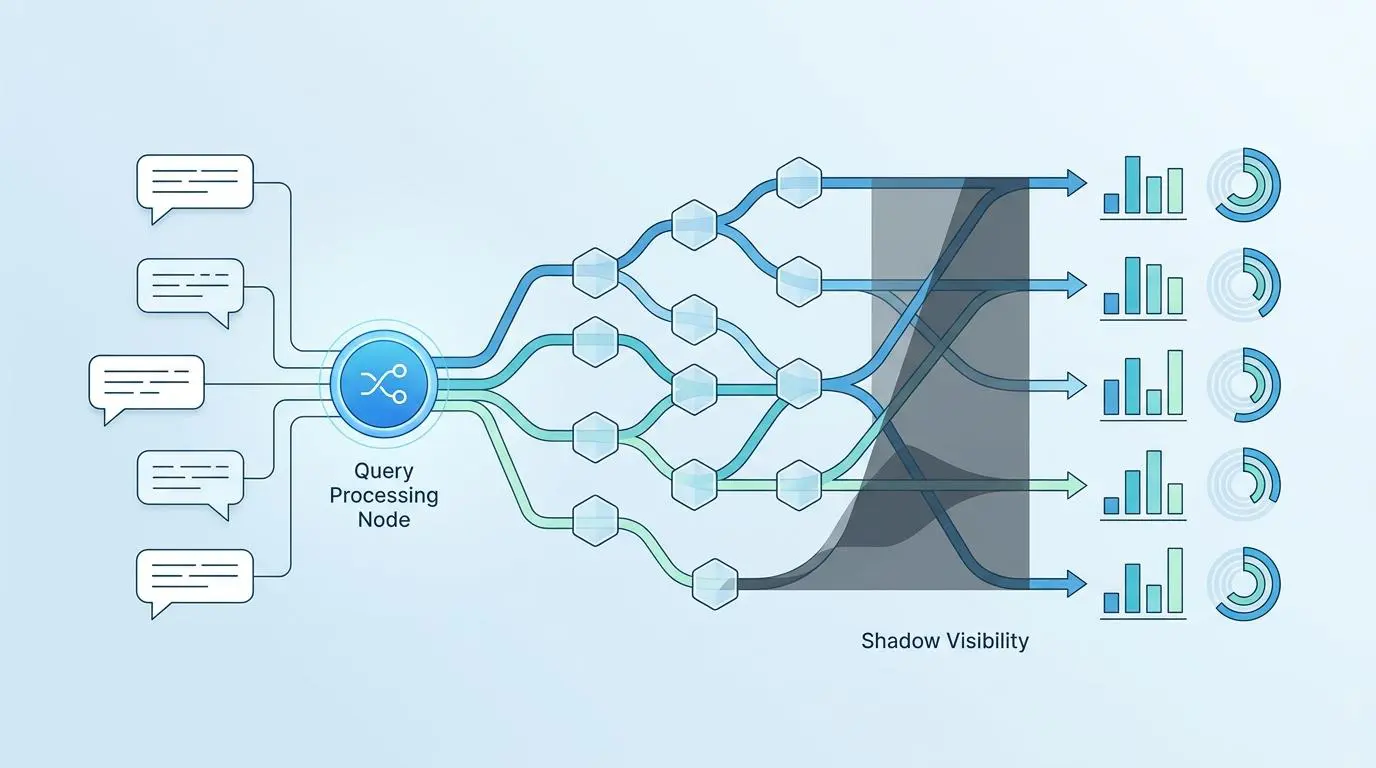
We are witnessing the death of single-keyword tracking and the rise of conversational query mapping.
Modern architects use tools like the Perplexity Model Council API to compare how different frontier models attribute brand mentions.
This allows teams to map multi-turn Prompt Maps across models like Opus 4.5 and Gemini 2.0 Ultra.
Unfortunately, legacy rank trackers fail entirely at capturing Shadow Visibility.
This phenomenon occurs when a brand is recommended during a deep chat interaction but never appears in a traditional SERP.
This blind spot leads to massive attribution gaps in B2B marketing funnels.
Engineers must build custom attribution models to capture these multi-turn conversational citations.
By tracking how entities shift across a multi-prompt session, brands can optimize for the entire user journey.
This requires deep integration with AI search APIs to monitor real-time conversational routing.
The B2A Protocol and Token Efficiency
Managing AI crawlers requires an entirely new approach to server-side routing.
The widespread adoption of the official llms.txt standard has created a new Business-to-Agent (B2A) protocol.
This allows sites to serve highly optimized, Markdown-only directories directly to OAI-SearchBot and Claude-SearchBot.
This targeted routing reduces token consumption by up to 10x compared to traditional HTML scraping.
It ensures that retrieval models ingest pure, structured data without the noise of DOM rendering.
Yet, a common real-world friction point remains misconfigured robots.txt files.
Many brands accidentally block search-time retrieval bots while allowing training bots like GPTBot to scrape their data.
This results in the ultimate GEO failure: brands are trained upon but never actually cited in live generative search results.
Proper bot management is now a critical component of technical GEO architecture.
Agentic Discovery and the Search as Code Era
By 2027, the industry will fully transition to a Search as Code (SaC) paradigm.
SEO will move away from public web indices and toward specialized Agentic Discovery SDKs.
Websites will no longer wait passively for crawlers to index their pages.
Instead, they will publish live state-updates directly to AI Agent Harnesses via standardized retrieval APIs.
Ranking will become a real-time negotiation between brand agents and search agents.
This shift will require a complete overhaul of how we approach digital visibility.
Navigating the intersection of Generative Engine Optimization, AI Search architecture, and workflow automation requires a sharp strategy.
To future-proof your brand’s visibility in LLMs and scale with precision, connect with Andres at Andres SEO Expert.
Frequently Asked Questions
What is the Attribution-Ranking Divergence?
The Attribution-Ranking Divergence refers to the disconnect between traditional search engine rankings and generative citations. By 2026, 83% of AI citations are expected to come from domains outside the traditional Google Top 10, making legacy SEO authority metrics obsolete for generative visibility.
What is the Conversion Premium in Generative Engine Optimization?
The Conversion Premium is the 4.4x higher conversion rate observed in traffic referred through AI citations compared to traditional organic search. This occurs because AI agents pre-verify sources through trust filters, ensuring users are referred to highly qualified and credible recommendations.
How do answer chunks influence AI retrieval probability?
AI retrieval agents prioritize dense, 50-150 word answer chunks over long-form content designed for dwell time. By structuring content into these specific, high-precision blocks, brands reduce the computational load for LLM re-ranking, significantly increasing their chances of being cited.
What causes Citation Churn in AI search results?
Citation Churn occurs when AI models rotate their trusted sources every 30-45 days based on real-time fact-checking API scores. To maintain visibility, brands must use verification hashes and automated authority pipelines to provide consistent, structured data to the LLMs.
What is Shadow Visibility in the context of LLMs?
Shadow Visibility represents brand mentions and recommendations that happen within deep, multi-turn conversational interactions but never appear in traditional search rankings. Measuring this requires multi-turn prompt mapping and custom attribution models to capture the brand’s true share of voice.
How does the B2A protocol and llms.txt optimize for AI crawlers?
The Business-to-Agent (B2A) protocol utilizes the llms.txt standard to serve Markdown-only directories directly to retrieval bots. This strategy reduces token consumption by 10x and ensures that LLMs ingest pure, structured data without the interference of traditional DOM rendering noise.