Key Points
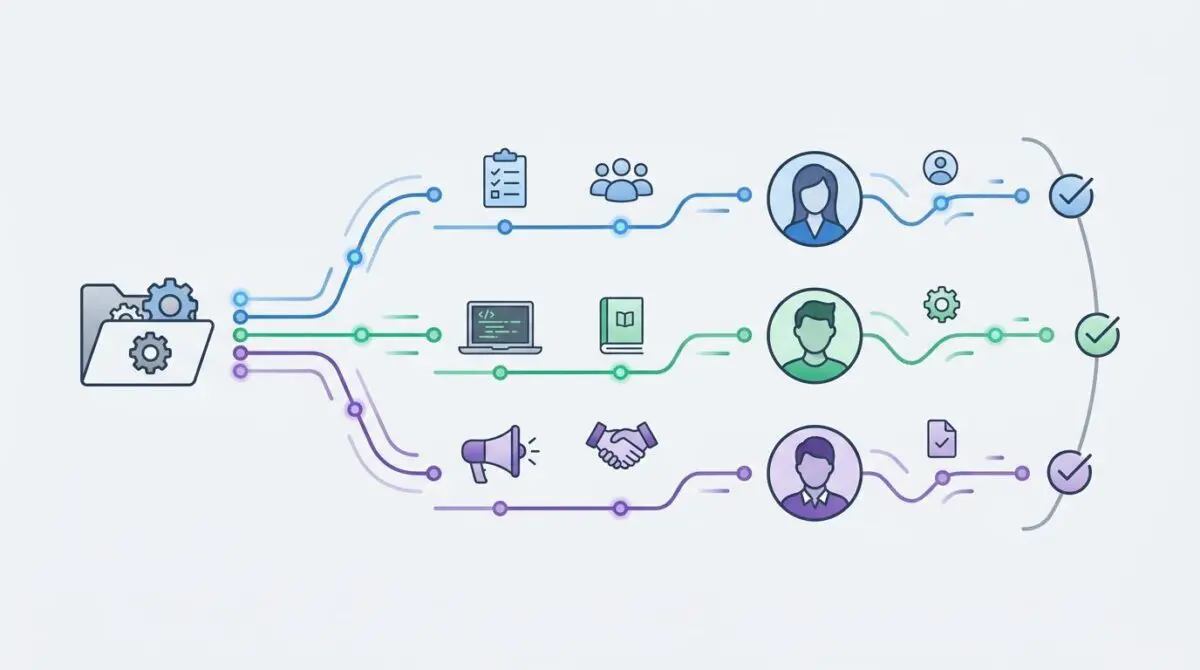
- Parallel Processing: Modern automation tools utilize parallel path logic to provision IT access and launch Slack campaigns simultaneously, eliminating linear bottlenecks.
- Human-in-the-Loop Integration: Slack’s Block Kit allows managers to approve AI-generated draft messages, ensuring efficient scaling without sacrificing authentic human warmth.
- Dynamic Skills-Based Adaptation: Future workflows will dynamically adjust the onboarding journey based on real-time Slack activity and existing technical competencies extracted from a resume.
Table of Contents
The First-Day Bottleneck
Imagine logging into your new company’s workspace on day one, fully energized, only to stare at an empty screen while waiting hours for basic system access. This administrative fragmentation prevents the crucial Day-1 Momentum that modern teams desperately need. Instead of diving into meaningful work, new hires are trapped in an endless loop of IT tickets and generic welcome emails.
The solution lies in deploying Slack-integrated Automated Onboarding Orchestration. Think of this system as a digital concierge that instantly personalizes the new hire experience based on their department and seniority level. It eliminates manual HR delays and transforms a highly fragmented process into a seamless, welcoming journey.
The True Cost of Waiting
Market Intelligence & Data
Retention Increase
Organizations with structured, automated onboarding processes see an 82% improvement in new hire retention, according to the Phenom 2026 Onboarding Trends study.
Efficiency Gain
Automation reduces the average time spent on onboarding tasks by 31%, per the 2026 FirstHR Small Business Report.
Market Adoption
44% of global companies have fully automated their onboarding journeys as of the 2026 Human Resource Software Market Report.
Early Attrition
Poor onboarding design contributes to 20% of new hires leaving within their first 45 days, as verified by Thirst’s 2026 L&D Leader Survey.
The reality of modern hiring is that structured workflows directly correlate with long-term loyalty. When companies fail to provide a cohesive start, the consequences are severe, as 88% of employees rate their initial experience as a failure. Automated orchestration flips this script by ensuring every new team member feels immediately valued and fully equipped.
Operational bottlenecks do not just frustrate employees; they actively drain company resources. By eliminating redundant manual tasks, organizations are reclaiming massive amounts of administrative time. In fact, recent industry reports highlight a massive efficiency gain when these digital friction points are permanently removed.
We are witnessing a rapid market shift where legacy onboarding methods are being entirely phased out. With nearly half of global companies fully automating their journeys, the baseline expectation for a new hire has fundamentally changed. Businesses that still rely on manual email threads are now competing against highly optimized, automated experiences.
The first month of employment represents the most critical window for employee retention. Poorly designed, confusing onboarding sequences contribute heavily to early attrition rates. By leveraging automated Slack journeys, companies can provide immediate role clarity and stop this talent bleed before it ever starts.
Shattering Administrative Silos
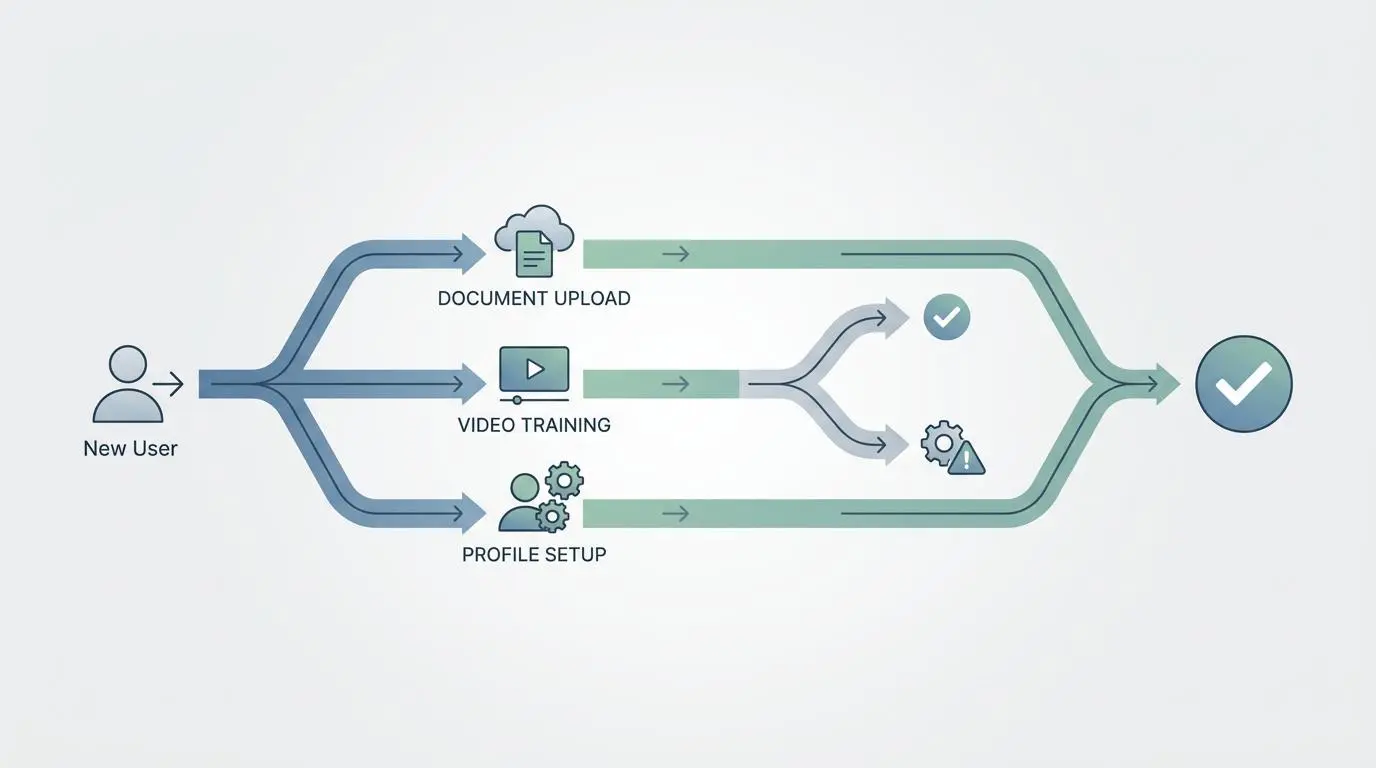
HR managers currently spend over ten hours per hire manually syncing HRIS data with communication channels. Tools like BambooHR and HiBob often remain completely isolated from daily operational platforms. This disconnect leaves remote hires feeling entirely disoriented on their very first day.
Slack-integrated Automated Onboarding Orchestration acts as a universal translator between these fragmented systems. Instead of a human manually copying and pasting access rights, the automation routes data seamlessly into the correct channels. It is like having a digital traffic controller instantly directing the right information to the right place.
Parallel Processing for HR Workflows
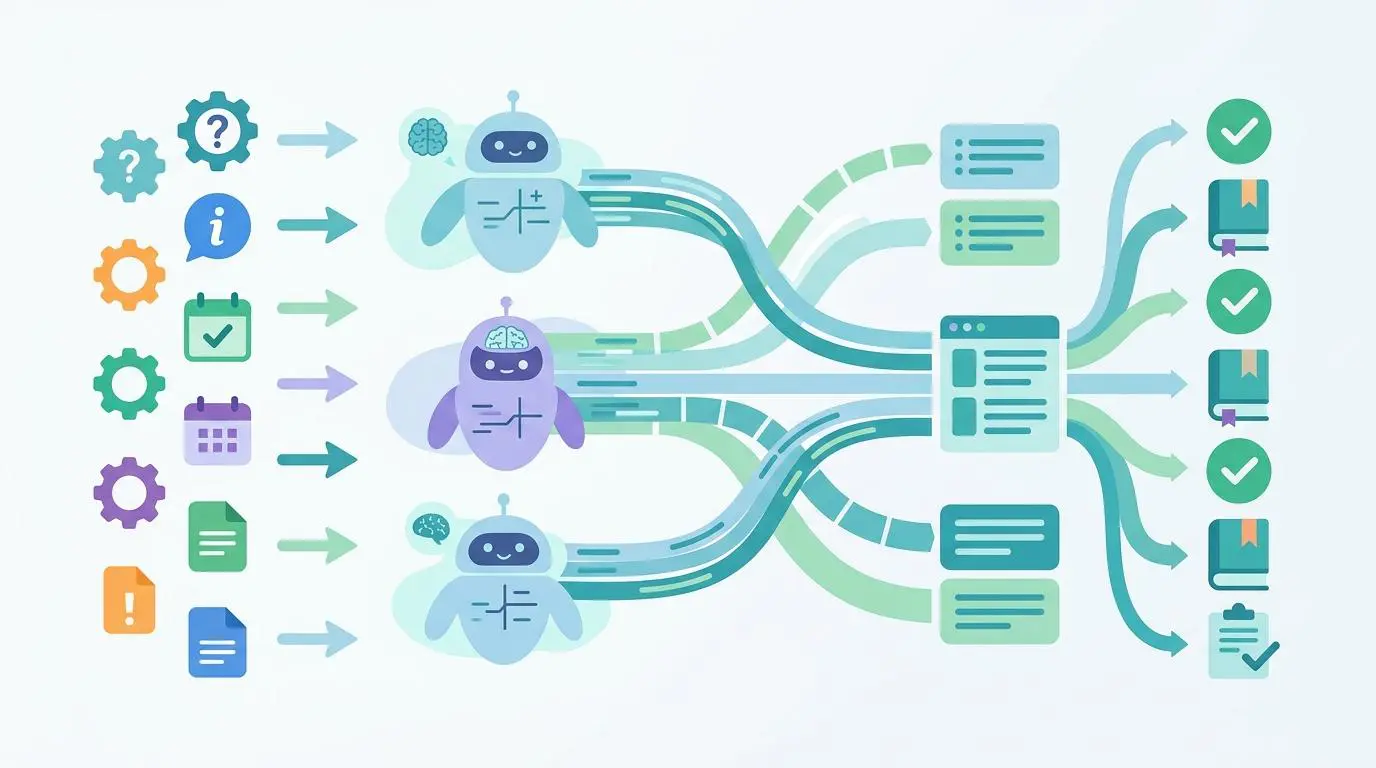
Linear automation tools from the past simply could not handle complex, multi-stakeholder onboarding paths simultaneously. They functioned like a relay race, where one task had to finish before the next could begin. Today, platforms like Relay.app and Doozy have surpassed these traditional flows by utilizing parallel path logic.
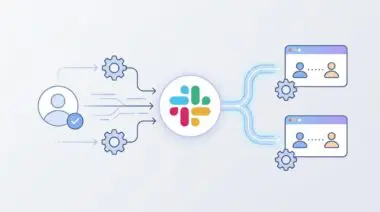
A single trigger, such as a signed offer in Greenhouse, can now launch a synchronized orchestra of events. IT access is provisioned, hiring managers are alerted, and a multi-week Slack drip campaign begins all at the exact same time. Furthermore, modern triggers allow HR teams to pause an automation until a hire reacts with a specific Slack emoji to a handbook post, ensuring complete compliance without manual chasing.
Cognitive Support in the Slack Workspace
Human HR teams simply cannot provide round-the-clock support for the massive influx of questions new hires have. Over eighty percent of new employees report feeling overwhelmed by the sheer density of information presented to them. This is where AI agents become an invaluable asset within the Slack ecosystem.
Cognitive agents powered by LLMs, such as Guru and Moveworks, now handle nearly a third of all internal FAQ queries directly within Slack. They act as an ever-present digital mentor, instantly surfacing the right documentation without requiring a human response. Additionally, predictive signals in modern platforms can even identify flight risk behaviors if a new hire’s engagement scores drop during those crucial first weeks.
The Human Touch at Scale
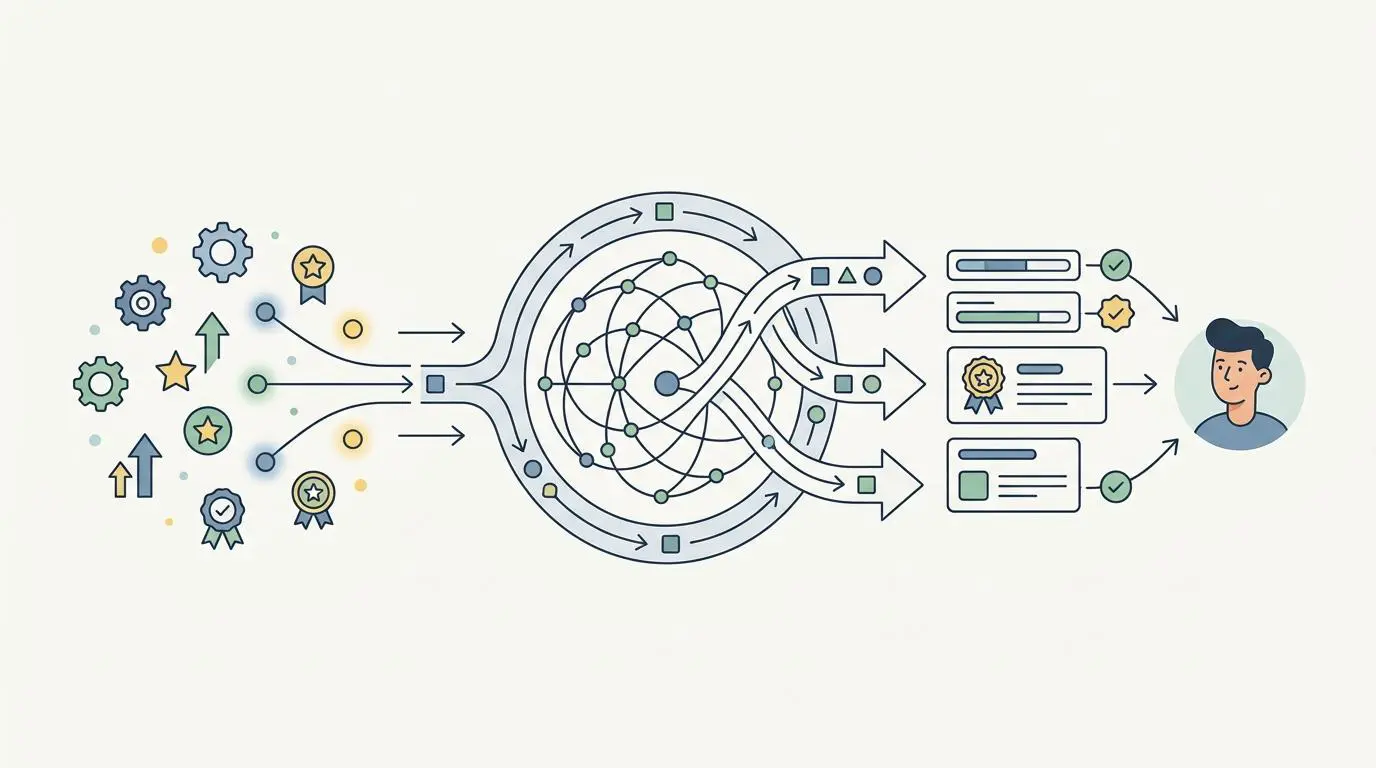
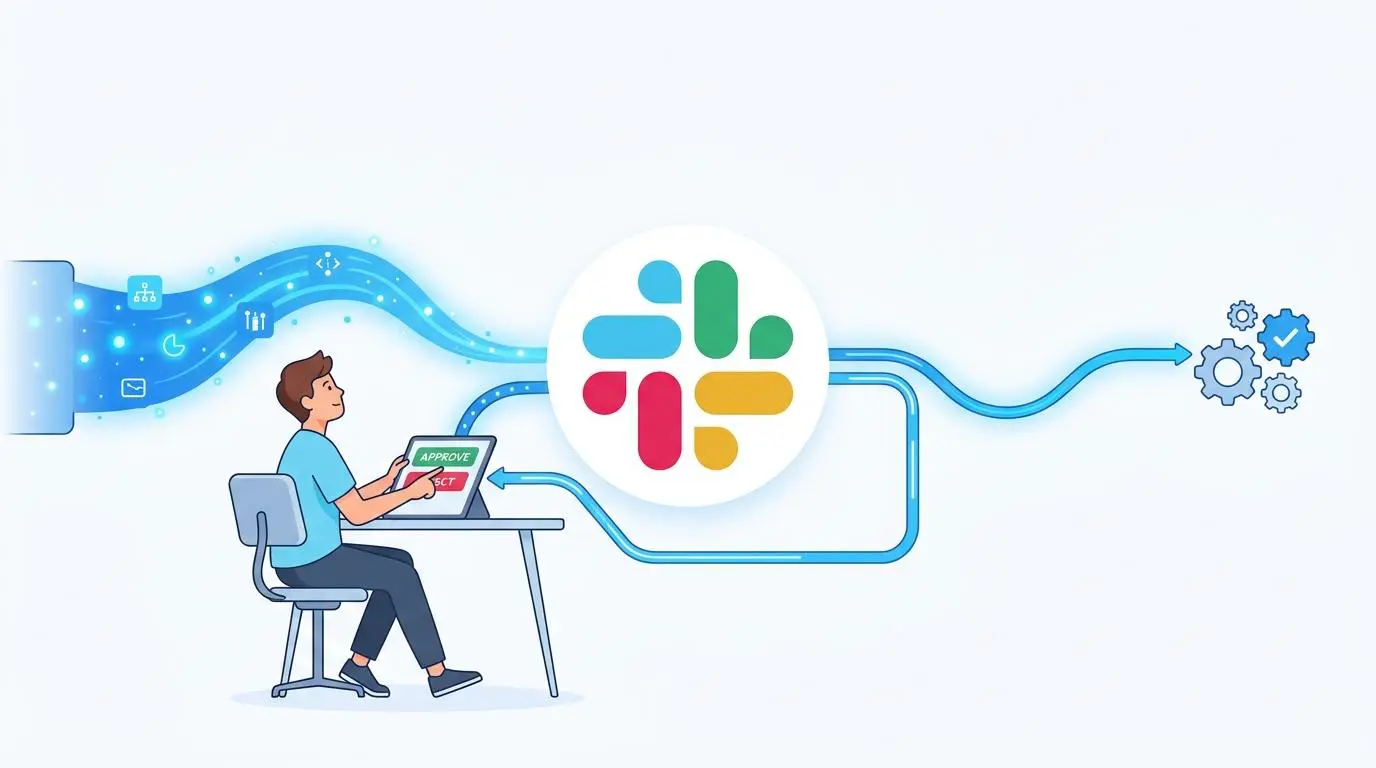
One of the greatest risks of automation is creating an experience that feels cold, robotic, and entirely devoid of empathy. Purely automated bot messages can actually reduce the sense of belonging required for long-term retention. To combat this, modern workflows incorporate a crucial human-in-the-loop step.
By utilizing Slack’s Block Kit, the automation presents managers with AI-generated draft messages privately. The manager can then approve, tweak, or completely rewrite a personalized buddy introduction in seconds before it goes live. This ensures the communication remains highly efficient while retaining the authentic human warmth that new hires crave.
Recouping the Onboarding Tax
The financial burden of a manual onboarding process is staggering, often estimated at thousands of dollars per hire. The vast majority of this cost is completely wasted on administrative wait times and redundant data entry. It acts as a hidden tax on your company’s growth and operational agility.
Automated onboarding directly attacks this inefficiency by bypassing manual setup hurdles entirely. Employees move instantly into role-specific training modules via automated Slack reminders. This streamlined approach reduces total time-to-productivity dramatically, allowing new hires to start contributing to actual projects weeks earlier than before.
Dynamic Skills-Based Journeys
Static onboarding checklists are rapidly becoming obsolete in fast-paced agile environments. They are often entirely out-of-sync with the actual speed of project-based work. The future of onboarding lies in dynamic, context-aware adaptation.
Autonomous Mentorship Agents will soon monitor a new hire’s Slack activity to proactively surface guides based on real-time project conversations. We are seeing a massive shift toward skills-based onboarding. AI agents will dynamically adjust the Slack journey based on the new hire’s existing technical competencies extracted from their resume, rather than forcing them through a rigid departmental template.
Engineering the Future of Work
The era of manual, fragmented employee integration is officially over. By orchestrating a seamless, automated experience within the platforms your team already uses, you unlock unprecedented levels of engagement and productivity. The companies that thrive will be those that view onboarding not as an administrative hurdle, but as a strategic deployment of culture and capability.
Navigating the intersection of technology, workflows, and operational efficiency requires a sharp strategy. To future-proof your business architecture and scale with precision, connect with Andres at Andres SEO Expert.
Frequently Asked Questions
How does onboarding automation impact employee retention?
Organizations utilizing structured, automated onboarding processes see an 82% improvement in new hire retention. Without these systems, poor onboarding design contributes to approximately 20% of new employees leaving within their first 45 days.
Why is Slack-integrated Automated Onboarding Orchestration beneficial?
It serves as a digital concierge that instantly personalizes the onboarding experience based on department and seniority. It eliminates administrative silos by automatically syncing HRIS data with daily communication channels, preventing the common First-Day Bottleneck.
What is parallel processing in modern HR onboarding workflows?
Parallel processing allows a single trigger, such as a signed offer, to launch multiple synchronized events at once. Platforms like Relay.app enable IT provisioning, hiring manager alerts, and multi-week Slack drips to happen simultaneously rather than waiting for one task to finish before the next begins.
How do AI agents support new hires within the Slack ecosystem?
Cognitive agents powered by LLMs handle nearly a third of internal FAQ queries by instantly surfacing documentation. They provide 24/7 support and can even monitor engagement signals to identify potential flight risk behaviors during the critical first weeks of employment.
Can automated onboarding maintain a personal human touch?
Yes, by implementing a human-in-the-loop step using Slack’s Block Kit. This allows managers to review and personalize AI-generated draft messages, ensuring new hires receive authentic human connection while maintaining high operational efficiency.
What are dynamic skills-based onboarding journeys?
Dynamic journeys replace static checklists with context-aware adaptation. AI agents monitor a hire’s technical competencies and real-time Slack activity to proactively surface specific guides and training modules relevant to their actual project work.