Key Points
- Automated Concierges: Modern operational stacks deploy 24/7 digital assistants to instantly cure after-hours lead decay and capture lost revenue.
- Voice-Activated Management: Natural language interfaces eliminate keyboard fatigue, allowing non-technical staff to manage complex CRM and inventory data hands-free.
- Agentic Procurement: Future software architectures will autonomously negotiate with suppliers based on real-time neighborhood demand spikes to stabilize local supply chains.
Table of Contents
- Escaping the Resource-Competency Chasm
- The Numbers Behind Neighborhood Automation
- Curing After-Hours Lead Decay
- The Digital Multi-Tool for Shopkeepers
- Turning High-Retainer Agencies into Utilities
- Defeating Keyboard Fatigue with Voice UX
- Preserving Neighborhood Personality in a Bot World
- The Shift to Agentic Local Commerce
- Designing the Zero-Friction Neighborhood Logistics Loop
Escaping the Resource-Competency Chasm
Picture this: It is 8:30 PM on a Friday, your storefront is finally locked, and you sit down to find fourteen unread messages, three new negative Google reviews, and a broken inventory sheet. Small local businesses face a massive resource-competency chasm where the daily volume of digital demands far exceeds their human hours.
The technical budget of a typical brick-and-mortar storefront simply cannot support a dedicated team to manage this endless digital noise.
This operational friction forces owners to choose between serving the customer standing in front of them or managing the digital systems running in the background. The result is a fractured customer experience and thousands of dollars in lost revenue.
To survive this digital onslaught, modern shops are turning to advanced software architectures designed specifically for their scale.
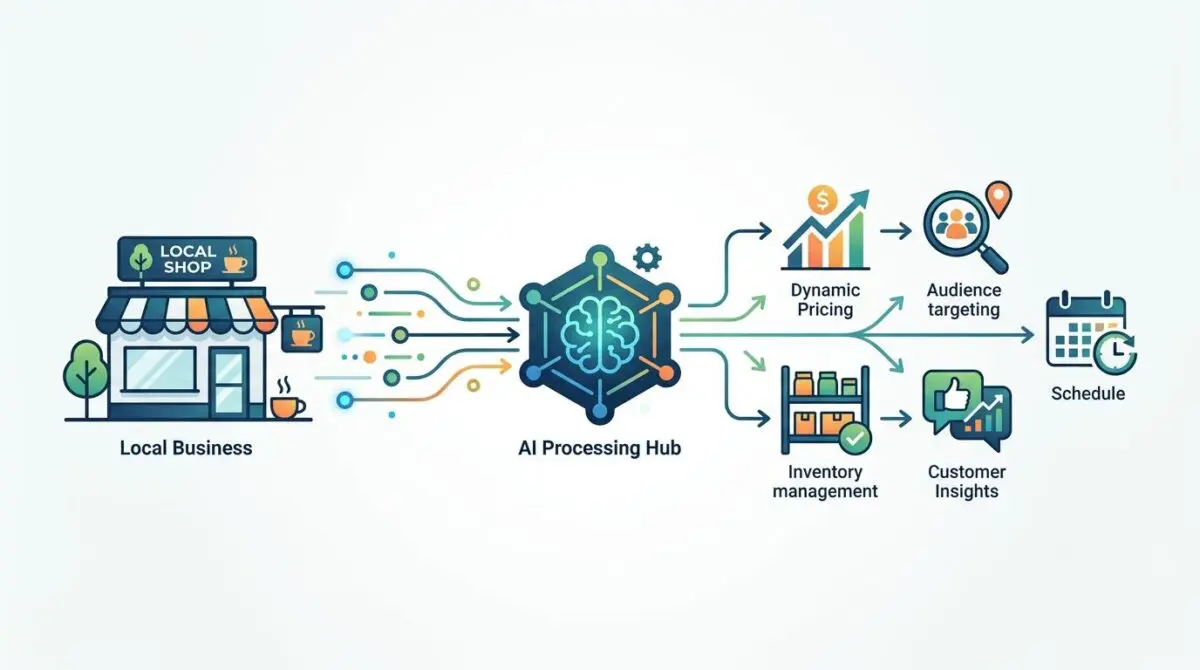
Implementing Local AI Operational Stacks is the definitive solution to bridge this technological gap. These integrated systems act as a central nervous system for neighborhood shops, automating the heavy lifting of customer communication, inventory management, and hyper-local marketing.
By adopting these intelligent frameworks, local businesses can modernize their operations, secure their data, and scale without the headache of hiring massive administrative teams.
The Numbers Behind Neighborhood Automation
Market Intelligence & Data
AI Adoption Milestone
According to the 2026 U.S. Chamber of Commerce Small Business Survey, 89% of small businesses now leverage AI in some capacity, up from 36% in 2023.
Weekly Efficiency Gain
A 2026 Business.com study found that local business owners using AI tools save an average of 7 hours per week on administrative tasks.
Return on Investment
Research by McKinsey in 2026 indicates that small businesses see an average ROI of 3.7x on their AI software investments through cost reduction and lead conversion.
Revenue Growth Correlation
Based on a 2025 Salesforce study updated for 2026, 91% of small businesses using AI report measurable increases in revenue compared to non-adopters.
The staggering leap to an 89% adoption rate marks a fundamental shift in how main street operates today. It proves that advanced automation is no longer an enterprise-exclusive luxury, but a baseline requirement for neighborhood survival.
Small businesses are rapidly moving past basic digitization and fully embracing intelligent workflows to stay competitive.
Reclaiming an average of 7 hours per week fundamentally changes the daily reality of a local business owner. Instead of drowning in late-night administrative tasks, operators can redirect that precious energy toward improving the in-store customer experience.
This newfound time is the direct result of offloading repetitive data entry and scheduling to autonomous systems.
Achieving a 3.7x return on investment demonstrates that these tools are powerful revenue engines rather than mere operational expenses. This incredible financial multiplier is heavily driven by the rise of Answer Engine Optimization (AEO), which positions local shops as the primary cited sources for AI search assistants.
By capturing this new wave of hyper-local digital traffic, brick-and-mortar stores are drastically reducing their reliance on expensive traditional advertising.
The correlation between intelligent automation and sustained financial health is undeniable in today’s digital-first market. It is perfectly clear why 91% of small businesses using AI report measurable increases in revenue compared to their non-automated peers.
Those who adopt these operational stacks are simply capturing leads faster, converting inquiries more efficiently, and outperforming competitors who still rely on manual labor.
Curing After-Hours Lead Decay
Local shops constantly lose valuable customers due to late-night inquiry ghosting and unmanaged digital platforms. This phenomenon, known as after-hours lead decay, happens when potential buyers bounce to competitors because a business fails to respond within minutes.
The daily volume of these digital demands far exceeds the human hours available to a typical brick-and-mortar storefront.
Modern software platforms like Chatbase and Wix Studio 2026 are solving this by providing 24/7 storefront concierges. These intelligent bots handle complex bookings, answer common FAQs, and capture lead data without any human intervention.
By deploying these tools, local businesses ensure their digital doors remain open long after the physical shop has closed.
The Digital Multi-Tool for Shopkeepers

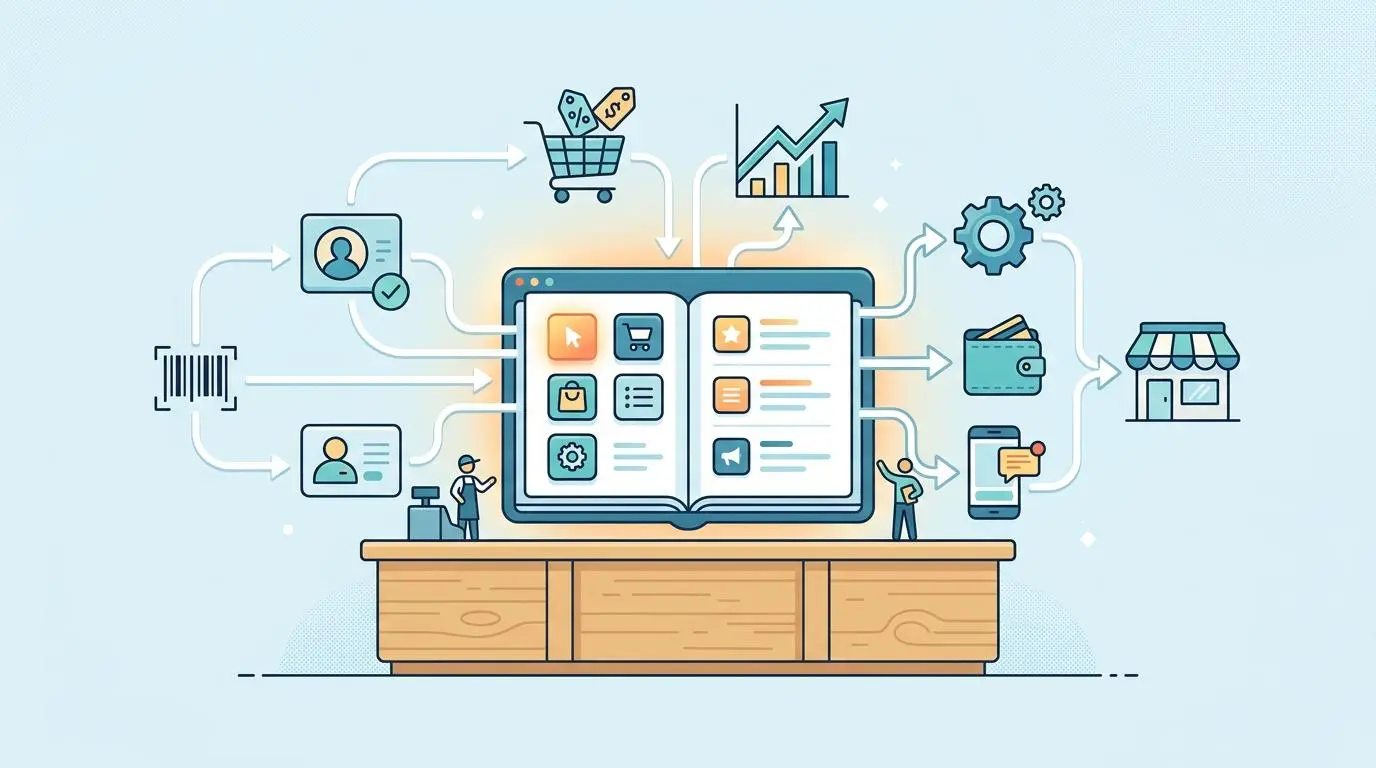
Traditional owners often face overwhelming complexity when trying to manage disparate digital platforms like social media, email marketing, and customer relationship management. Learning these disconnected systems can feel like trying to master a second language while simultaneously running a store.
This technical intimidation frequently prevents non-technical staff from utilizing data-rich business software.
Think of a modern operational stack like a digital multi-tool for a busy shopkeeper. It functions as a combined store assistant, bookkeeper, and sign-painter that never sleeps and remembers every customer’s exact preferences.
It can even predict when you will run out of critical inventory before the stockroom shelves are actually empty.
Turning High-Retainer Agencies into Utilities
For years, local businesses suffered the financial drain of hiring specialized marketing agencies for content creation and search engine optimization. These traditional agency models often come with slow turnaround times, opaque reporting, and prohibitively high overhead costs.
This capital-intensive approach made aggressive digital marketing inaccessible to the average local storefront.
By adopting AI-driven marketing tools like Jasper and Pomelli, local firms are actively replacing these high-retainer contracts. This massive shift transforms marketing from a major, unpredictable capital expense into a low-cost, high-frequency utility.
Business owners can now generate hyper-local campaigns and optimized content on demand for a fraction of the historical cost.
Defeating Keyboard Fatigue with Voice UX
Technical intimidation and keyboard fatigue have historically been the highest barriers preventing local shops from adopting advanced software. Store owners and floor staff simply do not have the time to sit at a desk and navigate complex dashboards while serving physical customers.
The friction of traditional software interfaces made daily data entry nearly impossible.
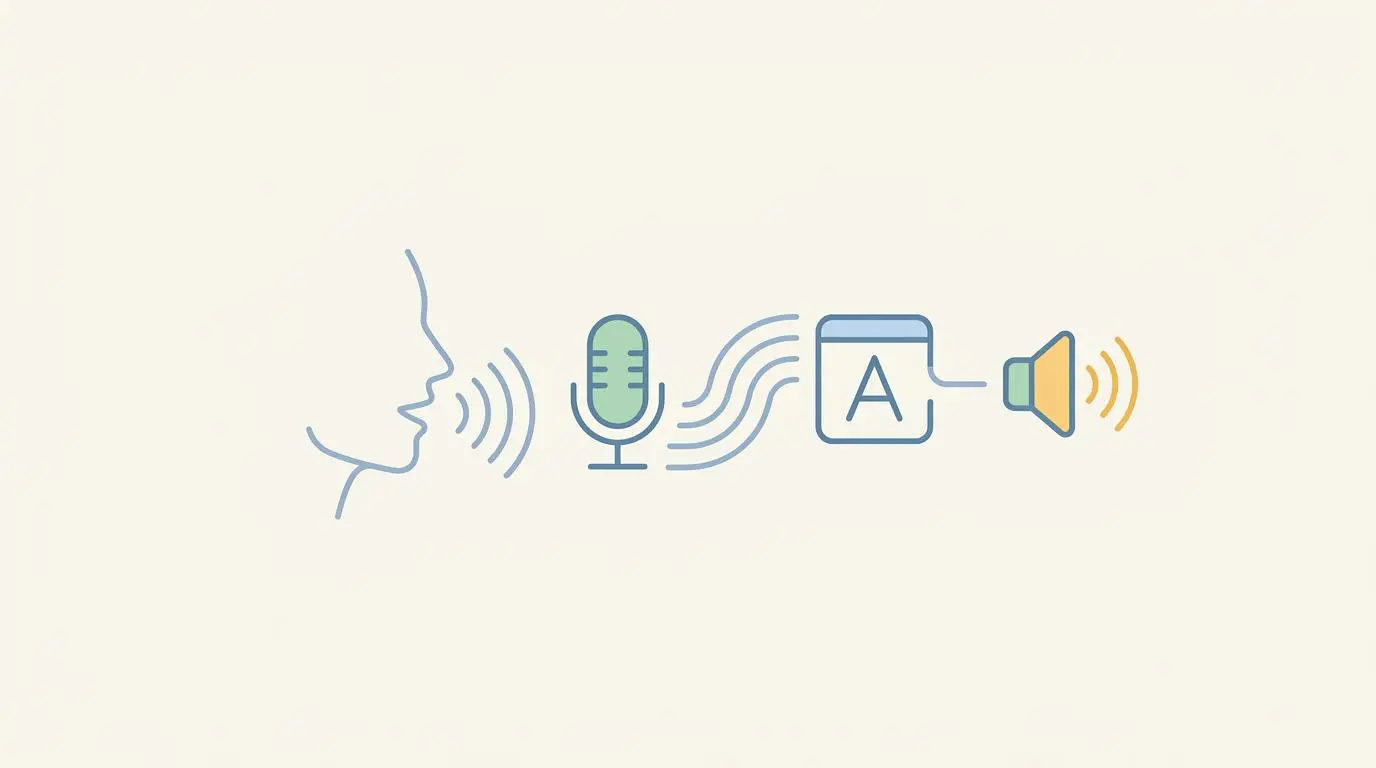
Emerging 2026 tools like Shopify Voice and folk CRM have completely removed this tech barrier by integrating natural language interfaces. A bakery owner can now update inventory levels or trigger an entire email campaign using simple voice commands while their hands are covered in flour.
This seamless user experience ensures that powerful data tools are finally accessible directly on the shop floor.
Preserving Neighborhood Personality in a Bot World
A major misconception persisting into 2026 is the fear that digital automation will strip away the unique human touch of a local brand. Owners worry that relying on algorithms will make their neighborhood shops feel robotic, cold, and corporate.
They fear losing the distinct personality that differentiates them from massive retail chains.
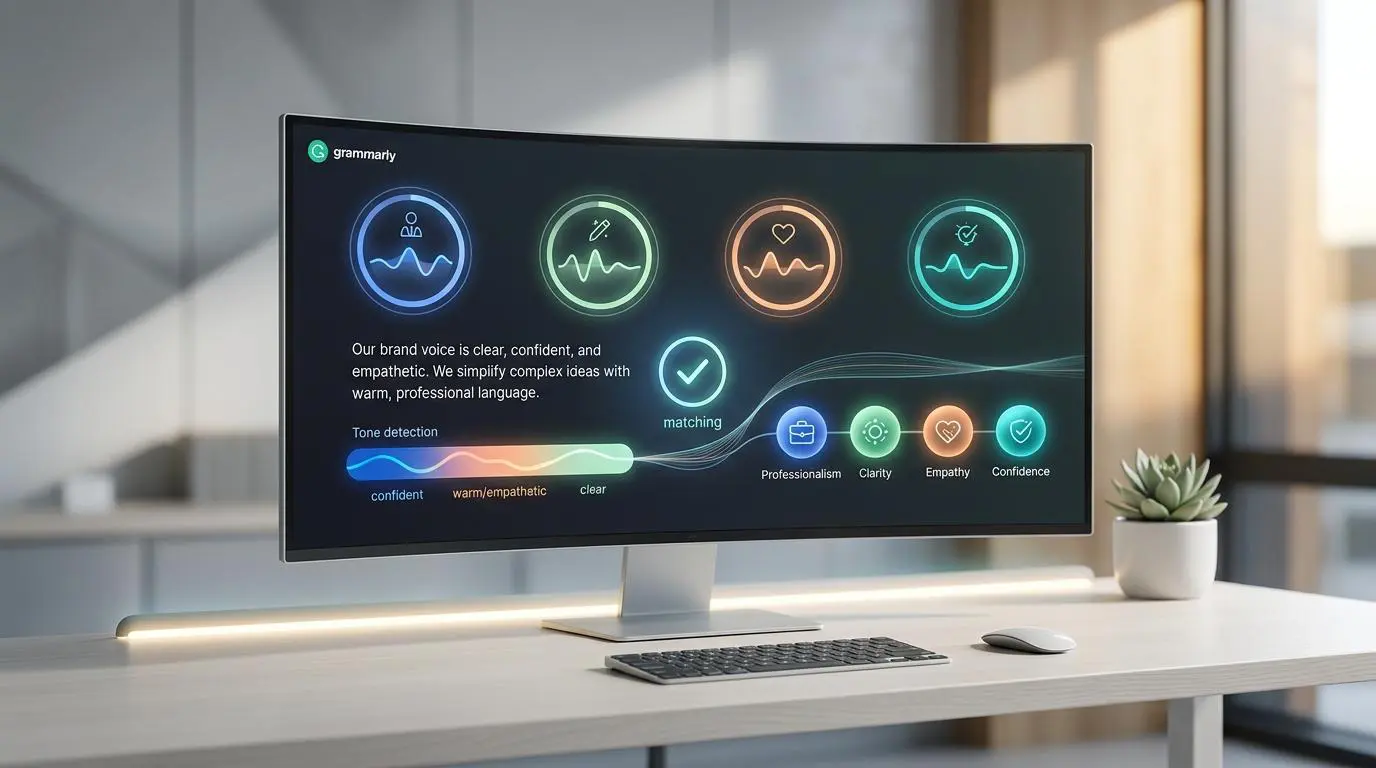
In reality, the latest software architectures are designed to amplify, not erase, a brand’s unique voice. Tools featuring Grammarly’s 2026 tone-detection allow owners to maintain their exact neighborhood personality in all communications while automating the repetitive structural work.
The technology adapts to the user, ensuring every automated email or review response sounds authentically local.
The Shift to Agentic Local Commerce
The current bottleneck of human-dependent procurement and manual stock-ordering leads to frequent local supply chain inefficiencies. Store managers waste countless hours cross-referencing spreadsheets and calling suppliers to restock basic goods.
This manual process is highly prone to errors and leaves businesses vulnerable to sudden neighborhood demand spikes.
The evolution toward agentic commerce means these systems will soon move from merely suggesting actions to autonomously performing them. Intelligent agents will independently negotiate with local suppliers for better rates based on real-time data and predictive analytics.
This hands-free approach to procurement will fundamentally stabilize the local supply chain for small operators.
Designing the Zero-Friction Neighborhood Logistics Loop
By late 2026, local business infrastructure will transition into fully autonomous agentic operations. These intelligent agents will not only manage digital storefronts but also coordinate directly with local delivery drones and smart-shelf sensors.
This deep integration will create a zero-friction neighborhood logistics loop that operates entirely in the background.
The businesses that thrive will be those that embrace these operational stacks today, building the foundation for a completely automated tomorrow.
Adopting these tools is no longer about keeping up with software trends; it is about fundamentally restructuring how local commerce functions.
Navigating the intersection of modern technology, software architecture, and business growth requires a sharp strategy.
To future-proof your tech stack and scale with precision, connect with Andres at Andres SEO Expert.
Frequently Asked Questions
What is a Local AI Operational Stack for small businesses?
A Local AI Operational Stack is an integrated system of intelligent software architectures that automates heavy-lifting tasks such as customer communication, inventory management, and hyper-local marketing. It acts as a central nervous system for neighborhood shops, bridging the gap between high digital demands and limited human resource hours.
How much time can a business owner save using AI automation?
According to 2026 business studies, local business owners using AI tools save an average of 7 hours per week on administrative tasks. This efficiency gain allows owners to redirect their focus from back-office data entry to enhancing the in-store customer experience.
What is after-hours lead decay and how can it be prevented?
After-hours lead decay is the loss of potential customers due to a business’s inability to respond to inquiries outside of physical operating hours. It is prevented by deploying 24/7 AI concierges that handle bookings and capture lead data autonomously, ensuring the digital storefront never closes.
Does using AI automation remove the human personality of a local shop?
No, modern software tools are designed to amplify rather than erase a brand’s unique voice. Advanced tone-detection technology allows automation to maintain the specific neighborhood personality of a business while handling repetitive structural communications.
What is the ROI of implementing AI software in local storefronts?
Research indicates that small businesses see an average ROI of 3.7x on their AI software investments. This is driven by cost reductions in traditional marketing agencies and increased revenue from Answer Engine Optimization (AEO), which captures traffic from AI search assistants.
How does Voice UX help non-technical staff manage business software?
Voice UX allows staff to interact with complex business systems using natural language commands. This removes technical intimidation and “keyboard fatigue,” enabling shopkeepers to update inventory or launch marketing campaigns hands-free while serving customers on the floor.