Executive Summary
- ETL is a data integration process that extracts data from multiple sources, transforms it into a consistent format, and loads it into a target system like a data warehouse.
- It ensures data quality and accessibility for analytics, reporting, and machine learning, enabling informed decision-making.
- Modern ETL tools support real-time processing and cloud-native architectures, reducing latency and improving scalability.
What is ETL (Extract, Transform, Load)?
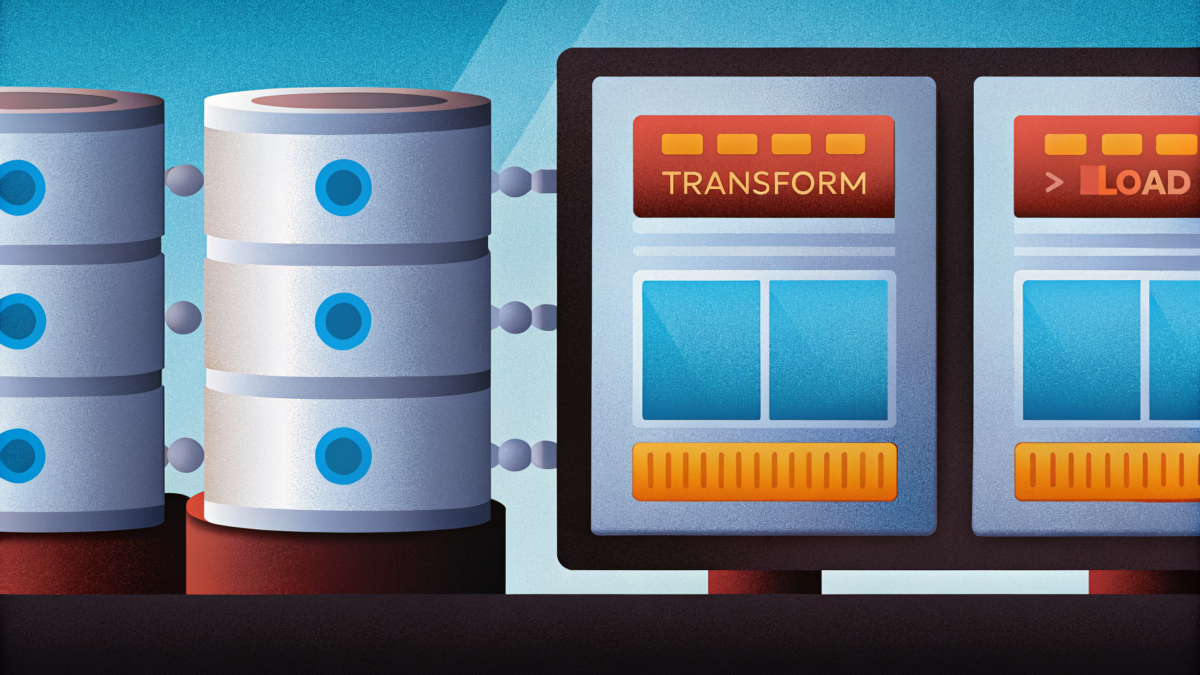
ETL stands for Extract, Transform, Load, a core data integration process used to consolidate data from disparate sources into a single, unified repository such as a data warehouse or data lake. The process involves three sequential phases: extraction of raw data from source systems (e.g., databases, APIs, flat files), transformation of that data to meet business rules, clean it, and structure it for analysis, and finally loading the transformed data into a target system.
ETL is foundational for business intelligence, analytics, and data-driven decision-making. It ensures that data from operational systems, customer interactions, and external sources is harmonized, deduplicated, and enriched before being used for reporting or advanced analytics. Modern ETL pipelines often run on cloud platforms like AWS Glue, Google Cloud Dataflow, or Azure Data Factory, supporting both batch and streaming data.
The Real-World Analogy
Think of ETL as a sophisticated mail-sorting facility. Extraction is like collecting letters from multiple postboxes (sources) around the city. Transformation is the sorting process: reading addresses, grouping by zip code, removing duplicates, and adding barcodes. Loading is delivering the sorted mail to the correct delivery trucks (target system) for final distribution. Without this process, mail would be chaotic and undeliverable—just as raw data is unusable for analytics without ETL.
How ETL Drives Strategic Growth & Market Competitiveness
ETL directly impacts strategic growth by enabling a single source of truth for organizational data. When data from sales, marketing, finance, and operations is integrated, businesses gain a holistic view of customer behavior, operational efficiency, and market trends. This unified data foundation powers advanced analytics, such as customer segmentation, churn prediction, and real-time dashboards, leading to more effective marketing campaigns and optimized resource allocation.
Moreover, ETL reduces data silos and ensures data quality, which lowers the cost of data management and minimizes errors in reporting. In competitive markets, companies with robust ETL pipelines can respond faster to changes, personalize customer experiences at scale, and derive insights that drive product innovation. For example, an e-commerce company using ETL to combine web analytics, CRM, and inventory data can identify cross-selling opportunities and adjust pricing dynamically.
Strategic Implementation & Best Practices
- Automate data validation: Implement checks at each stage to catch errors early, such as schema validation during extraction and data quality rules during transformation.
- Use incremental loading: Instead of full refreshes, load only new or changed data to reduce processing time and resource consumption, especially for large datasets.
- Leverage cloud-native ETL tools: Adopt serverless or managed services like AWS Glue or Google Dataflow to scale automatically and reduce maintenance overhead.
- Implement data lineage tracking: Document the origin and transformations of each data element to ensure auditability and compliance with regulations like GDPR.
- Design for idempotency: Ensure that re-running the ETL pipeline produces the same result, preventing data duplication or corruption during failures.
Common Pitfalls & Strategic Mistakes
A frequent error is neglecting data governance during transformation, leading to inconsistent definitions across departments. For instance, if sales and marketing define “revenue” differently, reports will conflict. Another pitfall is overloading the transformation phase with complex business logic, making pipelines brittle and hard to maintain. Finally, ignoring real-time needs can leave organizations with stale data, missing opportunities for immediate action in fast-moving markets.
Conclusion
ETL remains a critical component of modern data architecture, enabling organizations to harness the full potential of their data for strategic advantage. By implementing robust, scalable ETL pipelines, businesses can ensure data accuracy, reduce time-to-insight, and maintain a competitive edge in an increasingly data-driven world.