Key Takeaways
- Agentic commerce allows AI agents to find, compare, and purchase products on behalf of shoppers, with 34% of US consumers willing to let AI make purchases.
- Major platforms like ChatGPT, Google, Perplexity, and Microsoft Copilot are rolling out agentic checkout, but merchants remain the record holder and retain customer relationships.
- To succeed, stores must provide clear product information, structured data (schema markup), and ensure AI crawlers can access their catalog; open platforms like WooCommerce give merchants control.
The Era of AI-Driven Shopping Has Arrived
A new paradigm called agentic commerce is rapidly transforming online retail: AI assistants now find, compare, and buy products on behalf of shoppers. In 2026, this is no longer a futuristic concept—it is a measurable trend, with 34% of US consumers willing to let AI tools make purchases for them, according to a 2025 Omnisend survey cited by TechRadar. Major platforms including ChatGPT, Google, Perplexity, and Microsoft Copilot are already enabling agent-led shopping, and the implications for merchants are profound.
Table of Contents
Core Breakdown: How Agentic Commerce Works Today
According to WordPress, agentic commerce transforms the shopping journey: a shopper gives an AI agent a goal, budget, and constraints; the agent discovers products, compares them, and either completes the purchase or directs the shopper to checkout. The flow is simple but revolutionary.
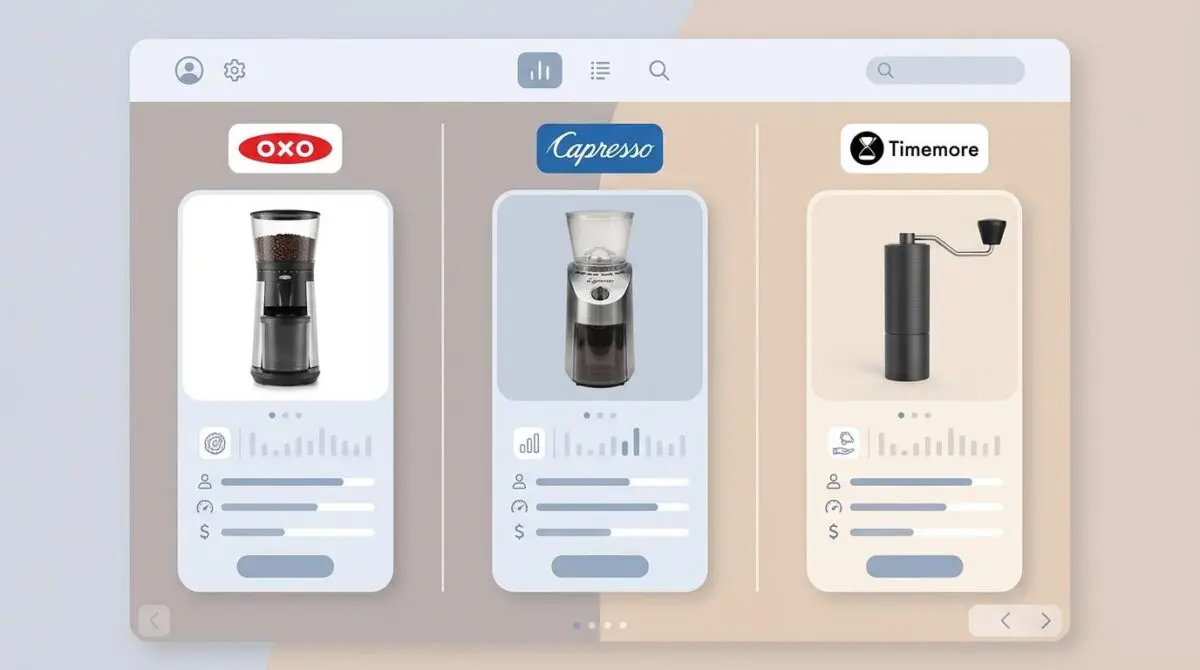
For example, a user asks ChatGPT to find a coffee grinder that fits a 14-inch counter. The agent reads product details across stores, filters by dimension, and recommends the best match with an explanation. The shopper then buys on the merchant’s site.
Platforms Leading the Charge
- ChatGPT: OpenAI focuses on product discovery and comparison, with purchases completed on the merchant’s website. Its Agentic Commerce Protocol, built with Stripe, aims to let agents and businesses complete purchases while merchants retain control.
- Google: Gemini and Universal Cart support product discovery and instant checkout, with integrations planned for YouTube and Gmail. Google teams with Walmart, Shopify, Wayfair, and others.
- Perplexity: Its ‘Buy with Pro’ and Instant Buy features let US users complete purchases within the chat via PayPal.
- Microsoft Copilot: Powered by PayPal, Shopify, and Stripe, Copilot Checkout enables in-chat purchases.
- Claude: Anthropic moves into shopping-adjacent workflows through app connectors like Instacart, but Claude asks users to confirm before purchasing.
In all cases, the shopper confirms the purchase, and the store remains the merchant of record, retaining the sale and customer relationship. Payment networks are still resolving refunds and chargebacks for AI-placed orders.
Strategic Analysis: Market Impact and Future Outlook
The agentic commerce opportunity is staggering. McKinsey estimates it could reach $3 trillion to $5 trillion by 2030.
The global AI ecommerce market, valued at $8.65 billion in 2025, is projected to exceed $50 billion by 2033, according to eLogic. Precedence Research forecasts $74 billion by 2034. Already, 89% of retailers have adopted AI, but only 7% have fully integrated it into their operations, per eLogic data.
This gap signals a massive competitive edge for early adopters. Small, independent stores can win by offering accurate, structured product data. Adobe’s 2026 data coverage report found that roughly a third of product page content on travel sites was unreadable by AI. Stores that invest in clean schemas, stock data, and mobile-friendly layouts will be favored by agents.
The infrastructure is coalescing around shared protocols like OpenAI’s Agentic Commerce Protocol and Google’s Universal Commerce Protocol. WooCommerce is a launch partner for the former, giving independent merchants a level playing field against big brands. The key advantage is not budget but verifiability: agents reward facts they can trust.
Conclusion: Preparing for the Agentic Future
Getting ready for agentic commerce means making your catalog machine-readable. Focus on three areas:
- Clear product information: Write titles and descriptions that plainly state what a product is.
- Structured product data: Use schema markup for price, availability, dimensions, and categories.
- Being reachable: Ensure your robots.txt allows AI crawlers, and choose a platform that gives you control over data.
The next shopper may arrive via search, social, or an AI assistant. Your store must be ready to be found, understood, and bought from—by both humans and agents.
Staying ahead in the rapidly shifting landscape of AI requires precision. To future-proof your digital strategy and scale effortlessly, you need a foundation built on precision. Optimize your site with advanced speed engineering, secure your infrastructure in high-performance hosting environments, and streamline your entire workflow through autonomous AI pipelines. If you are ready to elevate your systems, Connect with Andres at Andres SEO Expert to build your ultimate architecture.
Frequently Asked Questions
What is agentic commerce?
Agentic commerce is a new paradigm where AI assistants find, compare, and buy products on behalf of shoppers. A shopper gives an AI agent a goal, budget, and constraints; the agent discovers products, compares them, and either completes the purchase or directs the shopper to checkout. In 2026, 34% of US consumers are willing to let AI make purchases for them.
Which platforms are leading agentic commerce?
Key platforms include ChatGPT (product discovery and comparison via the Agentic Commerce Protocol), Google (Gemini and Universal Cart with partners like Walmart and Shopify), Perplexity (‘Buy with Pro’ and Instant Buy via PayPal), Microsoft Copilot (Copilot Checkout powered by PayPal, Shopify, and Stripe), and Claude (shopping-adjacent workflows through Instacart, with user confirmation required).
How large is the agentic commerce market opportunity?
McKinsey estimates agentic commerce could reach $3 trillion to $5 trillion by 2030. The global AI ecommerce market was valued at $8.65 billion in 2025, projected to exceed $50 billion by 2033 and $74 billion by 2034. Only 7% of retailers have fully integrated AI, indicating a massive competitive edge for early adopters.
How can small independent merchants compete in agentic commerce?
Small stores can win by providing accurate, structured product data. Adobe found roughly a third of product page content on travel sites was unreadable by AI. Stores that invest in clean schemas, stock data, and mobile-friendly layouts will be favored by agents. Shared protocols like OpenAI’s Agentic Commerce Protocol and Google’s Universal Commerce Protocol level the playing field, with WooCommerce as a launch partner.
What should merchants do to prepare for agentic commerce?
Merchants should focus on three areas: 1) Clear product information with plain titles and descriptions. 2) Structured product data using schema markup for price, availability, dimensions, and categories. 3) Being reachable by ensuring robots.txt allows AI crawlers and choosing a platform that gives control over data.
How do payment and refunds work in agentic purchases?
In all current implementations, the shopper confirms the purchase, and the store remains the merchant of record, retaining the sale and customer relationship. Payment networks are still resolving refunds and chargebacks for AI-placed orders, but the shopper’s confirmation ensures accountability.
What is the role of structured data in agentic commerce?
Structured data (schema markup) is critical because AI agents rely on machine-readable information to find and compare products. Merchants must use schema for price, availability, dimensions, and categories to ensure their products are discoverable and understood by agents. This gives a competitive advantage over brands that fail to provide clean data.