Key Points
- Solo dwellers face a hidden financial penalty, making AI-driven subscription audits essential for recovering lost cash flow.
- The traditional 50/30/20 budgeting rule is evolving into a flexible 40/30/30 model to combat rising urban rent burdens.
- Multi-generational wealth pooling and fractional real estate equity are completely reshaping how young adults build long-term assets.
Table of Contents
The Reality of Modern Renting Anxiety
You have just signed the lease on a beautiful new apartment. Instead of celebrating, a familiar knot of financial dread forms in your stomach. You are mentally calculating the sheer volume of your income that will vanish on the first of every month.
For millions of hardworking professionals, this quiet anxiety is the baseline of everyday life.
We are constantly told to budget better, skip the daily coffee, and save more. Yet, these tired clichés completely ignore the structural realities of modern living costs.
When your basic shelter consumes nearly half of your paycheck, traditional money advice feels not just unhelpful, but entirely disconnected from reality.
This is where the concept of Strategic Housing-Based Financial Allocation changes everything. By treating your living situation as the central pivot point of your wealth-building strategy, you can regain control.
It is about aligning your physical address with your deepest financial goals. This approach allows you to breathe easier and save faster.
The Hidden Numbers Behind Our Homes
To truly understand how our living spaces dictate our financial freedom, we must look at the undeniable math shaping our daily lives.
Market Intelligence & Data
Annual Singles Penalty
The average extra cost of living alone vs. cohabitating in a one-bedroom apartment across the top 50 U.S. cities, according to the 2025 Zillow Housing Report.
Multi-Gen Growth
The percentage of U.S. adults aged 25-34 living in multi-generational households to accelerate debt repayment, verified by the 2026 Census Bureau Population Update.
Rent Burden Threshold
The portion of solo-living Gen Z workers spending over 40% of their gross income on housing in 2026, as reported by the National Low Income Housing Coalition.
Automated Split Adoption
The share of co-living households using automated expense-splitting apps to manage shared costs in 2025, according to a Financial Technology Association consumer study.
The financial toll of independence is staggering when you look at the average extra cost of living alone in today’s urban centers. Solo dwellers are effectively paying a premium just to have their own space.
They absorb costs that couples or roommates naturally divide. This $7,120 deficit represents a massive chunk of potential investment capital that vanishes year after year.
In response to these crushing costs, we are seeing a dramatic cultural shift. The number of adults aged 25-34 living in multi-generational households continues to surge.
This is no longer a sign of financial failure. It is a highly strategic move to aggressively pay down student loans and build emergency funds.
By pooling resources under one roof, younger generations are creating their own private economic safety nets.
For those who do brave the solo renting market, the math is increasingly unforgiving. With over 41.5% of Gen Z workers spending past the 40% threshold on rent alone, the traditional breathing room in a monthly budget is gone.
This intense rent burden forces young professionals to make impossible choices. They must constantly decide between healthcare, retirement savings, and basic groceries.
To survive this landscape, co-living has evolved from a messy college arrangement into a streamlined financial operation. A massive 68% of shared households now rely on automated expense-splitting technology.
By removing the awkwardness of manual debt collection, these apps ensure fairness. Shared utility and grocery costs actually result in the promised economies of scale.
Surviving the Singles Tax
Living alone offers incredible peace of mind, but it comes with a steep structural disadvantage. Solo earners completely lack the economies of scale that partnered individuals enjoy for basic survival.
From internet bills to grocery runs, every single expense falls squarely on one set of shoulders.
This phenomenon, often called the singles tax, results in a 15 to 20 percent higher baseline cost of living. When you cannot split the cost of a heating bill or a bulk pack of paper towels, your discretionary income takes a silent beating.
It is an invisible drain that makes saving feel like an uphill battle.
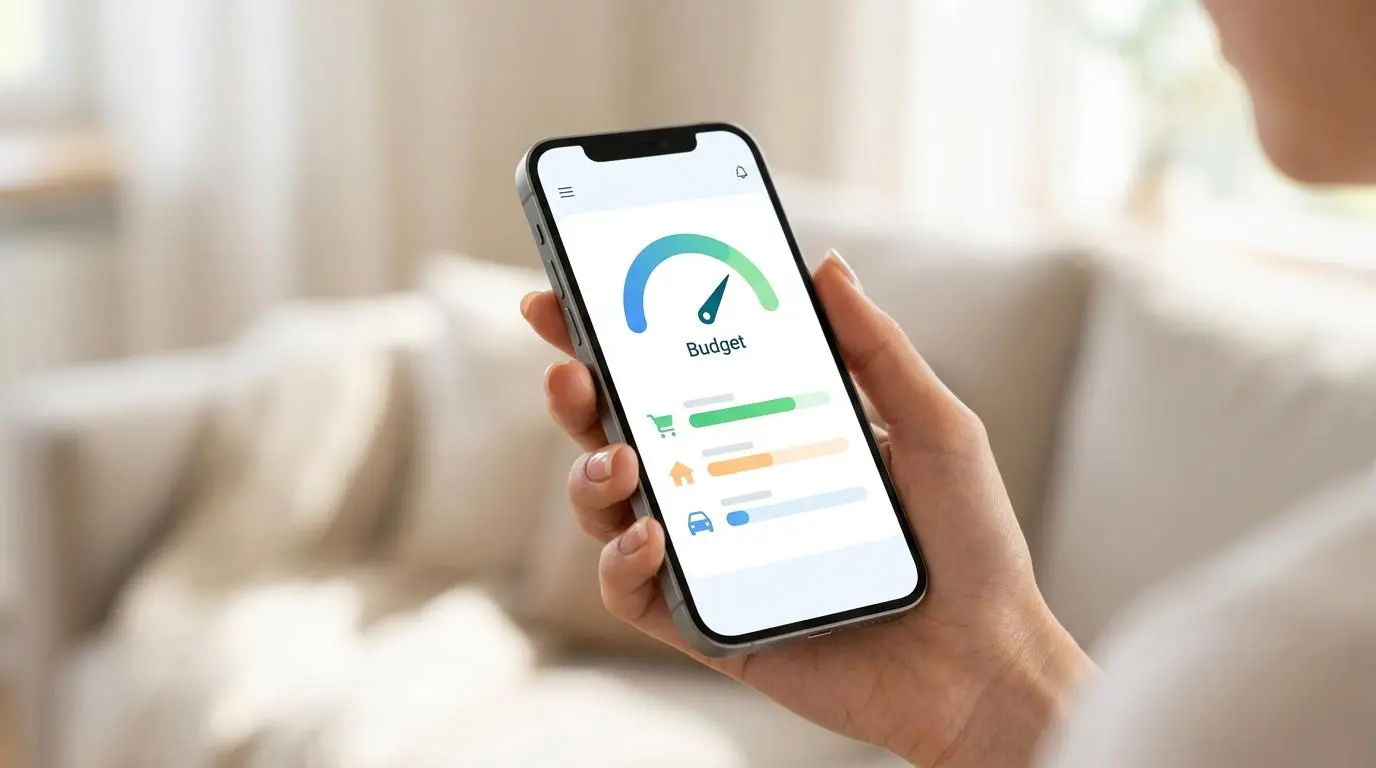
To fight back, modern solo dwellers are turning to aggressive, AI-driven financial defense. Tools like Rocket Money and Hiatus act as personal auditors.
They automatically hunt down forgotten subscriptions and negotiate lower utility rates. By deploying these tools, solo renters are successfully recovering an average of $450 annually.
Redesigning the Modern Budget

For decades, financial experts preached the gospel of the 50/30/20 rule. You were supposed to spend half your income on needs, thirty percent on wants, and stash twenty percent away.
But in today’s high-cost urban markets, this framework is mathematically impossible.
When rent alone consumes 40 percent of your post-tax income, the old rules instantly break down. You cannot fit groceries, utilities, and transportation into the remaining 10 percent of your needs category.
This friction leaves everyday people feeling like they are failing at finance. In reality, the formula itself is broken.
Enter the Flexible 40/30/30 model, a blueprint designed specifically for modern living. This strategy allocates a strict 40 percent to fixed housing needs, while heavily prioritizing aggressive savings and debt reduction.
Dynamic tools like YNAB now offer multi-category syncing for co-living groups. Renters can finally track their money in a way that reflects their actual reality.
The Power of Wealth Pooling

The concept of family finances is undergoing a massive transformation. We are moving away from the isolated nuclear family budget and embracing multi-generational wealth pooling.
This strategy allows three generations to live under one roof. They share the massive burden of property taxes, maintenance, and daily living expenses.
However, the administrative nightmare of mixing fixed incomes with variable gig earnings used to cause severe family friction. Managing split tax liabilities and protecting individual credit scores within a single home requires immense coordination.
It is a logistical hurdle that previously deterred many from trying.
Thankfully, shared fintech platforms like Zeta and Copilot are solving this exact problem. These tools allow families to create joint household ledgers while maintaining strict boundaries around personal checking accounts.
It is the perfect blend of communal support and individual financial privacy.
Fractional Equity and Co-Living

Younger demographics, specifically Gen Z and Gen Alpha, are looking at the traditional renting model and refusing to participate. They see the trap of paying exorbitant market rents without ever building a dime of home equity.
The old path of saving for a massive 20 percent down payment feels hopelessly out of reach in competitive cities.
Instead, they are pioneering equity-sharing living situations. This hybrid approach blends the flexibility of renting with the wealth-building power of ownership.
It is a brilliant workaround for a generation priced out of the traditional housing market.
Using innovative platforms like Arrived, young renters are purchasing fractional shares of real estate while continuing to co-live. They might rent a modest room in a shared house, but their savings are actively buying micro-shares of rental properties.
They are finally participating in real estate appreciation without needing a massive mortgage.
Smart Contracts for Shared Spaces
Anyone who has ever lived with roommates knows the terrifying risk of the master tenant liability. If one person loses their job and defaults on their portion of the rent, the entire group faces potential eviction.
It is a massive legal and financial risk that jeopardizes your basic housing security.
The tech advantage of 2026 is completely eliminating this archaic system. We are seeing the widespread adoption of smart-contract renting powered by decentralized finance applications.
This technology fundamentally changes the relationship between landlords and co-living tenants.
Through these secure digital contracts, roommates pay the landlord directly and individually. If one person misses a payment, only their specific lease agreement is flagged.
This protects the credit scores and housing stability of everyone else in the home. It brings unprecedented peace of mind to shared living arrangements.
Designing an Asset-Based Future
As we look toward the end of the decade, the ultimate goal is transitioning from consumption-based living to asset-based living. This means you no longer choose an apartment just because it has nice countertops.
Instead, living situations are ruthlessly selected based on their ability to facilitate a 25 percent minimum savings rate.
The biggest threat to this long-term horizon is lifestyle creep. When a young professional finally gets a promotion and moves from a shared house to a luxury solo apartment, their expenses often rise faster than their new income.
Without a structured financial step-up plan, that hard-earned raise completely vanishes into higher rent.
Interestingly, behavioral economics offers a powerful solution through the anchor roommate effect. Studies show that living with a financially disciplined partner or roommate actually increases your personal savings rate by an average of 12 percent.
By surrounding yourself with fiscal accountability and social mirroring, you naturally adopt better money habits that compound over a lifetime.
The Next Era of Financial Freedom
The future of housing and wealth is incredibly fluid. We are rapidly approaching an era of liquid housing memberships, where budgets will treat shelter as a flexible subscription service.
Soon, you will be able to seamlessly swap between a solo studio for deep work and a co-living hub for social networking, all based on your monthly cash flow.
By understanding and applying these strategies today, you insulate yourself from the crushing pressure of rising living costs. You stop working just to pay your landlord, and you start directing your income toward assets that pay you back.
It is the ultimate shift from financial anxiety to true economic empowerment.
Mastering your personal finances and building long-term wealth requires the right strategy and mindset. To scale your own business empire with precision and smart SEO & GEO architecture, connect with Andres at Andres SEO Expert.
Frequently Asked Questions
What is Strategic Housing-Based Financial Allocation?
Strategic Housing-Based Financial Allocation is a wealth-building strategy that treats your living situation as a central financial pivot. Instead of viewing rent as a fixed expense, it involves aligning your physical address and housing costs with your deepest financial goals to maximize cash flow and accelerate asset accumulation.
How much is the “singles tax” for solo renters in 2025?
According to the 2025 Zillow Housing Report, solo dwellers in the top 50 U.S. cities pay an average annual “singles penalty” of $7,120. This cost represents the extra financial burden of living alone in a one-bedroom apartment compared to cohabitating and splitting expenses.
Why is the 50/30/20 budget rule considered outdated for urban renters?
The traditional 50/30/20 rule is often mathematically impossible in modern urban markets where rent alone consumes 40% or more of post-tax income. This leaves insufficient room to fit all other “needs” into the remaining 10%, leading to the adoption of the Flexible 40/30/30 model which prioritizes housing as a specific fixed category.
How do smart contracts protect tenants in co-living arrangements?
Smart contracts powered by decentralized finance allow roommates to pay landlords individually and directly. This eliminates master tenant liability, ensuring that if one person defaults on their portion of the rent, only their specific agreement is flagged, protecting the credit scores and housing security of the other residents.
What is fractional equity in the context of modern renting?
Fractional equity is a hybrid wealth-building model where individuals continue to rent or co-live while simultaneously purchasing micro-shares of real estate properties through platforms like Arrived. This allows younger generations to benefit from real estate appreciation without needing a traditional 20% down payment for a full home.
How does the anchor roommate effect influence personal savings?
The anchor roommate effect is a behavioral economics phenomenon where living with a financially disciplined person increases an individual’s personal savings rate by an average of 12%. Social mirroring and fiscal accountability within the household help residents naturally adopt more productive money management habits.