Key Points
- Financial behaviors are deeply rooted by age 7, making early, gamified learning essential for long-term wealth building.
- The rise of invisible digital money requires hands-on financial education to prevent dangerous, frictionless debt compounding.
- AI-driven financial tutors are democratizing access to unbiased wealth-building strategies for everyday families.
Table of Contents
- The Invisible Cost of Financial Anxiety
- The Reality of Modern Money Management
- Rewiring the Brain for Long-Term Wealth
- Making Invisible Money Visible at Home
- Navigating the Influence of Social Media Advice
- Leveraging Technology for Everyday Guidance
- Avoiding the Trap of Frictionless Spending
- A Vision for Lifelong Financial Freedom
The Invisible Cost of Financial Anxiety
Picture standing in the checkout line, silently doing mental math to ensure your card will not decline over basic groceries. This silent panic is a universal experience for millions navigating today’s complex economy. We are constantly bombarded by digital-first assets, confusing loan terms, and relentless pressure to spend.
The real issue is not a lack of willpower, but a massive abstraction gap between theoretical math and practical money management. When money becomes just a number on a screen, the emotional weight of spending disappears. This makes comprehensive financial literacy education an absolute necessity for everyday survival.
By transforming intimidating financial concepts into simple, actionable habits, anyone can break free from paycheck-to-paycheck stress. It is time to replace financial anxiety with unshakeable confidence and clear, strategic planning.
The Reality of Modern Money Management
Market Intelligence & Data
National Literacy Baseline
The 2026 TIAA Institute-GFLEC Personal Finance Index reveals U.S. adults correctly answered only 47% of basic financial questions, a record low in the study’s 10-year history.
K-12 Educational Mandates
As of mid-2026, 39 U.S. states have officially enacted legislation requiring a personal finance course for high school graduation, according to the Council for Economic Education.
Extreme Literacy Gap
One-quarter of the U.S. adult population now falls into the ‘very low’ financial knowledge category as of the 2026 P-Fin Index report.
Educational Tool Demand
Consumers accessed the Consumer Financial Protection Bureau’s (CFPB) educational resources 14.2 million times in 2025, according to the 2026 CFPB Financial Literacy Annual Report.
A staggering 47% national literacy baseline means more than half the population is essentially guessing when making critical money decisions. This lack of foundational knowledge leads to chronic stress over household budgets, retirement planning, and emergency savings. When everyday families misunderstand interest rates, they inadvertently pay thousands of extra dollars over their lifetimes.
Fortunately, systemic changes are happening at the legislative level as 39 U.S. states require a personal finance course for high school graduation. This monumental shift ensures the next generation is equipped to handle complex financial products before signing a student loan or credit card application. Mandating this education is the first step toward closing the massive wealth gap in our communities.
The stark reality is that one-quarter of adults currently fall into a dangerously low literacy category. This makes them highly vulnerable to economic shocks, predatory lending traps, and compounding debt that drains everyday families. Without intervention, this financial vulnerability passes from one generation to the next.
Yet, there is immense hope as millions actively seek out better resources to take control of their futures. The surge in demand for consumer protection tools shows people are eager to learn, especially since core financial behaviors are set by age 7. Making early, accessible education a critical family priority is the ultimate key to breaking bad money habits permanently.
Rewiring the Brain for Long-Term Wealth
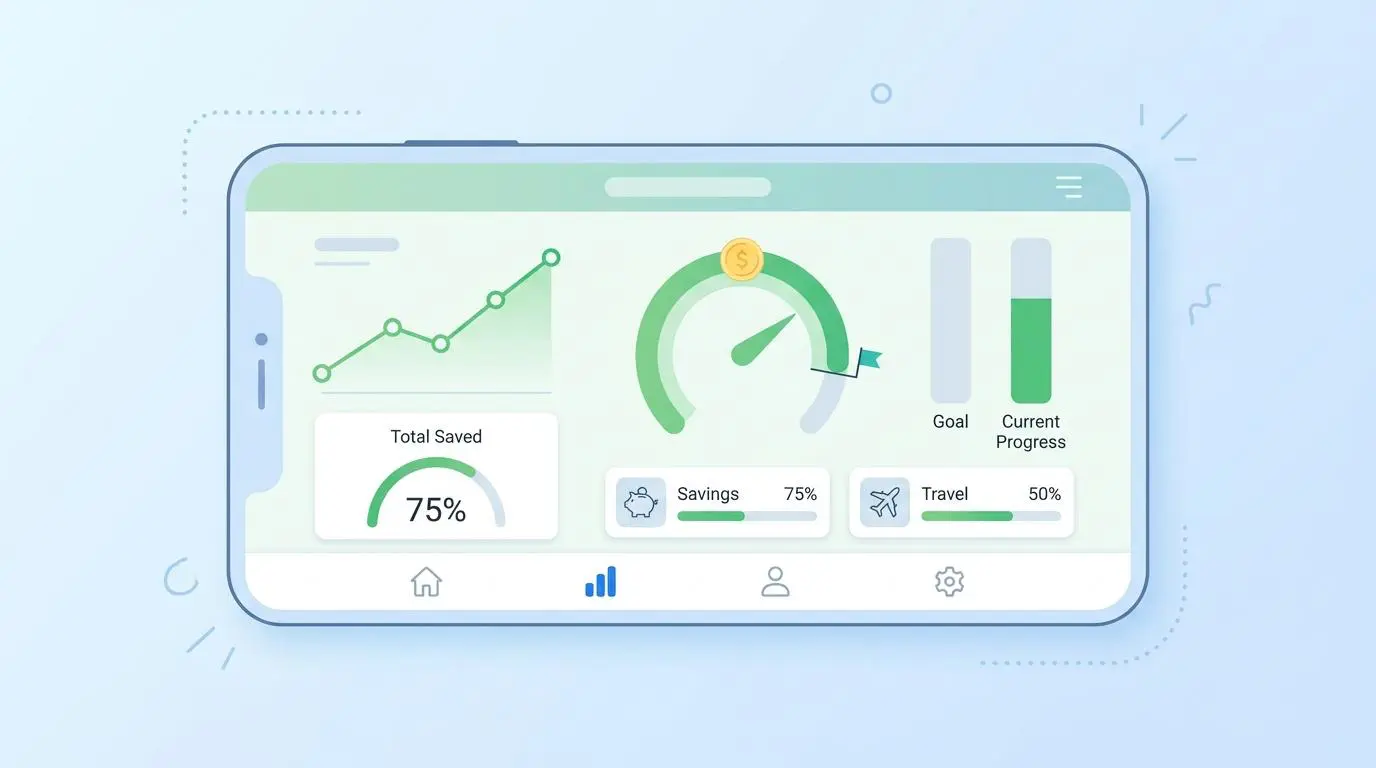
Our brains are naturally wired to prioritize immediate rewards over long-term security. This psychological phenomenon, known as hyperbolic discounting, makes it incredibly difficult for young adults to care about a retirement fund forty years away. The prefrontal cortex, which handles long-term planning, simply is not fully developed until age 25.
Because traditional lectures on retirement planning often fail to resonate, we must change how we teach the psychology of money. The most effective financial literacy education focuses on creating positive dopamine loops around saving rather than spending. Gamifying the learning process makes building wealth feel like an immediate victory.
Modern tools are stepping up to bridge this gap beautifully. Here are a few ways this is happening:
- Learn-to-Earn Models: Platforms like Goalsetter reward users for mastering financial concepts.
- Micro-Goals: Breaking massive savings targets into small, weekly milestones.
- Visual Tracking: Using digital thermometers to show real-time progress on emergency funds.
Making Invisible Money Visible at Home

The rapid shift to a cashless society has made money entirely invisible to the younger generation. When children never see physical currency deplete during a transaction, they struggle to grasp the permanence of spending. A quick tap of a plastic card or a smartphone feels like magic, completely removing the friction of parting with hard-earned cash.
To combat this, parents must simulate real-world banking environments at home. Automated digital allowances through modern financial apps help children visualize their digital cash flow. They can see exactly how a small purchase immediately lowers their available balance.
Looking ahead, the introduction of tax-advantaged investment accounts for children with low initial contributions will revolutionize household finances. By involving kids in these investments early, families can turn abstract concepts into tangible, growing assets. This hands-on approach is the cornerstone of effective wealth building.
Navigating the Influence of Social Media Advice

Generation Alpha currently influences over $500 billion in global annual household spending despite their young age. However, recent data shows that both Gen Z and Alpha have some of the lowest functional financial literacy scores ever recorded. They possess massive purchasing power but lack the foundational knowledge to protect it.
This dangerous combination is fueled by an over-reliance on social media influencers for money advice. These online personalities frequently prioritize viral engagement metrics over accurate, fiduciary-level guidance. As a result, young people are often led into highly speculative investments or risky trading strategies.
We must teach our youth how to critically evaluate financial advice online. True financial literacy education involves understanding the difference between a certified fiduciary and a charismatic content creator. Protecting your wealth means verifying the credentials behind the advice you consume.
Leveraging Technology for Everyday Guidance
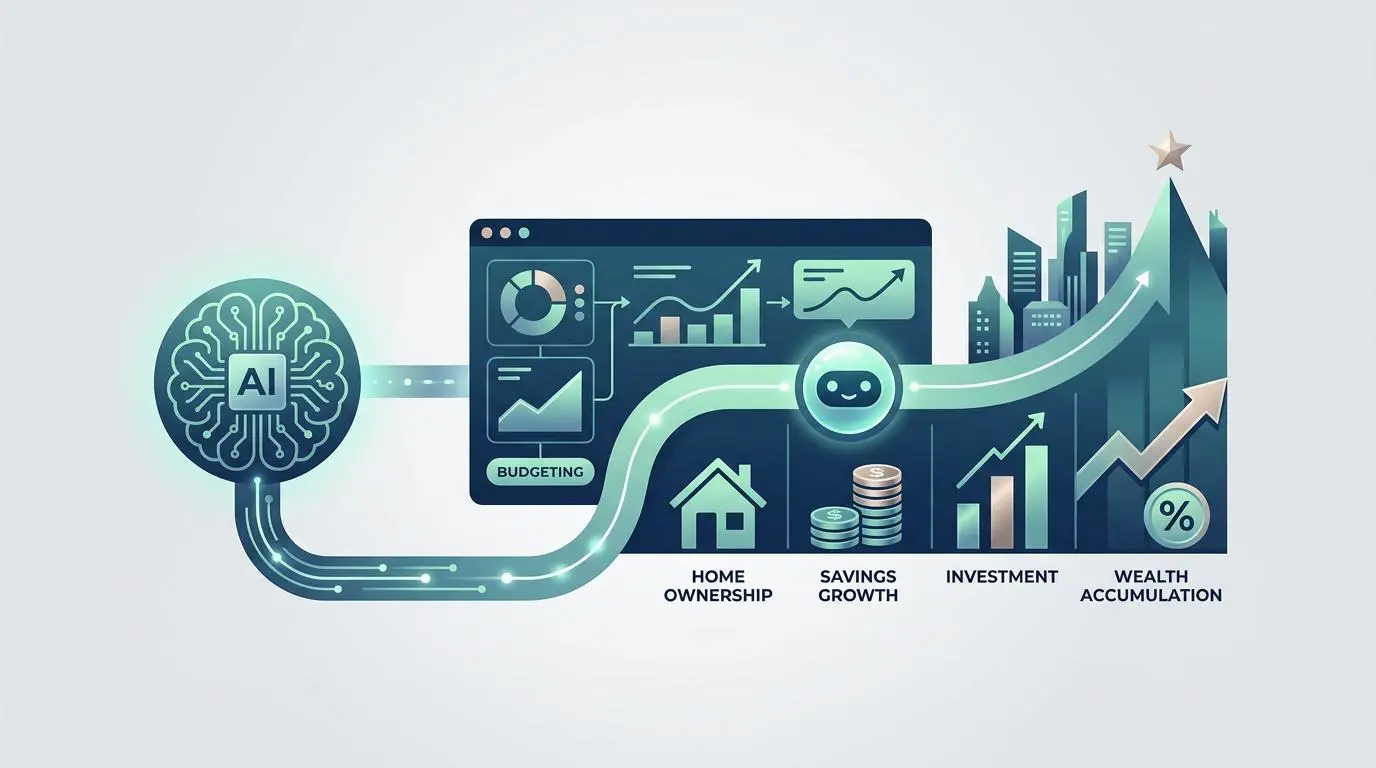
For decades, traditional financial advisors have been cost-prohibitive for low-income and middle-class families. This left millions of people without a dedicated, unbiased source of guidance to navigate life’s major financial milestones. Thankfully, the tech advantage is finally democratizing access to elite financial coaching.
Generative AI tutors are now providing around-the-clock personalized financial coaching. These tools excel at translating complex Wall Street jargon into simple explanations that anyone can understand. Nearly half of Americans now report feeling comfortable using AI to help make critical financial decisions.
We anticipate the rise of smart digital wallets that will act as personal financial officers living right on your phone. These tools will intervene during digital transactions, simulating the long-term impact of a spontaneous purchase on your retirement goals before you hit pay. This technology will serve as the ultimate guardrail against impulsive spending.
Avoiding the Trap of Frictionless Spending
Modern fintech is brilliantly designed to remove all friction from the spending process. While seamless checkouts and digital wallets are convenient, they also remove the crucial thinking time required for literate decision-making. This lack of friction is a primary driver behind the recent surge in consumer debt.
This environment heavily exacerbates the habit of making impulse purchases as a coping mechanism for economic anxiety. Coupled with deceptive buy-now-pay-later schemes, consumers are easily trapped in a cycle of hidden liabilities. In fact, credit card debt recently spiked as consumers struggled to navigate these frictionless traps.
The ultimate cost of falling into these traps early in life is known as the compounding penalty. Those who lack financial literacy in their twenties face a massive wealth gap in their sixties that becomes mathematically impossible to close. Learning to introduce intentional friction into your spending habits is the best defense against this penalty.
A Vision for Lifelong Financial Freedom
Transforming your relationship with money is not about restriction; it is about empowerment and intentional design. A single semester of dedicated personal finance education is projected to yield a staggering $116,000 lifetime benefit per student through better debt management and smarter investing. When we equip ourselves and our families with these tools, we actively rewrite our financial destinies.
States that have mandated this education are already seeing significantly lower bankruptcy rates among young adults. By bringing these lessons into our homes and embracing the right technological tools, we can build a future where financial anxiety is a thing of the past. The journey to generational wealth starts with a single, educated decision today.
Mastering your personal finances and building long-term wealth requires the right strategy and mindset. To scale your own business empire with precision and smart SEO architecture, connect with Andres at Andres SEO Expert.
Frequently Asked Questions
Why is financial literacy education essential in today’s economy?
Financial literacy is crucial because the national literacy baseline has dropped to 47%, leading to chronic stress and poor decision-making. As money becomes digitized and abstracted, understanding foundational concepts like interest rates and budgeting is necessary to avoid predatory lending and the “compounding penalty” of debt.
How many U.S. states mandate personal finance courses for graduation?
As of mid-2026, 39 U.S. states have officially enacted legislation requiring students to complete a personal finance course to graduate high school. This monumental shift aims to equip the next generation with the skills needed to manage complex financial products before they enter adulthood.
What is hyperbolic discounting and how does it impact wealth building?
Hyperbolic discounting is a psychological phenomenon where the brain prioritizes immediate rewards over long-term security. In personal finance, this makes it difficult for individuals to prioritize retirement or emergency savings. Effective education counters this by using gamification to create positive dopamine loops around saving.
How can parents teach financial responsibility in a cashless society?
To combat the lack of friction in digital spending, parents can use automated digital allowance apps like Greenlight or Step. These tools simulate real-world banking environments, helping children visualize digital cash flow and understand the permanence of spending even without physical currency.
What are the risks of following financial advice from social media influencers?
Social media influencers often prioritize viral engagement metrics over fiduciary-level accuracy, leading many young people into speculative or risky investments. It is critical to distinguish between a certified fiduciary and a charismatic content creator to ensure wealth is protected by verified guidance.
How is AI technology democratizing access to financial coaching?
Generative AI tutors like Khanmigo and ElektraFi provide personalized, 24/7 financial coaching by translating complex Wall Street jargon into simple, actionable explanations. These tools offer high-level guidance that was previously cost-prohibitive for low-income and middle-class families.
What is the estimated lifetime value of a personal finance education?
A single semester of dedicated personal finance education is projected to yield a lifetime benefit of approximately $116,000 per student. This is achieved through better debt management, smarter investing, and significantly lower bankruptcy rates among young adults.