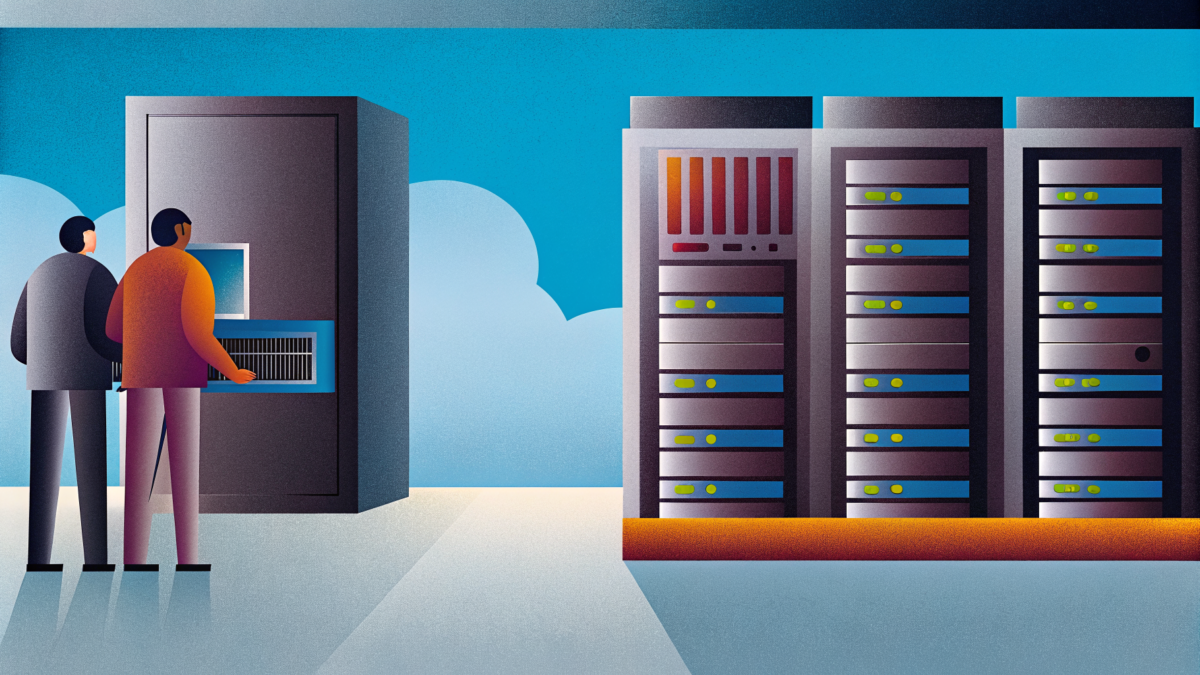
Executive Summary
- Disaster Recovery (DR) is a set of policies, tools, and procedures to enable the recovery or continuation of vital technology infrastructure and systems following a natural or human-induced disaster.
- Key metrics include Recovery Time Objective (RTO) and Recovery Point Objective (RPO), which define acceptable downtime and data loss.
- Modern DR strategies leverage cloud-based replication, automated failover, and orchestration to minimize business disruption and data loss.
What is Disaster Recovery?
Disaster Recovery (DR) is a structured approach to restoring IT infrastructure, applications, and data after a disruptive event. It encompasses policies, procedures, and technologies that enable an organization to resume critical operations within predefined timeframes.
DR is a subset of Business Continuity (BC), focusing specifically on technology systems. Key performance indicators include Recovery Time Objective (RTO) — the maximum acceptable downtime — and Recovery Point Objective (RPO) — the maximum acceptable data loss measured in time.
Modern DR architectures often employ active-active or active-passive configurations across geographically dispersed data centers or cloud regions. Automated orchestration tools can execute failover scripts, update DNS records, and re-establish network connectivity with minimal manual intervention.
The Real-World Analogy
Think of Disaster Recovery as a fire escape plan for a skyscraper. The building (your IT infrastructure) has multiple exits (redundant systems), clearly marked routes (runbooks), and regular drills (testing). Just as a fire escape plan ensures occupants can evacuate safely and quickly, DR ensures your data and applications can be restored with minimal loss and downtime.
How Disaster Recovery Drives Strategic Growth & Market Competitiveness?
Effective DR directly impacts revenue, customer trust, and regulatory compliance. Unplanned downtime can cost enterprises thousands of dollars per minute, erode customer confidence, and lead to legal penalties. A robust DR strategy minimizes these risks, enabling faster recovery and maintaining service level agreements (SLAs).
In competitive markets, organizations with proven DR capabilities can differentiate themselves by offering higher availability guarantees. This is especially critical for e-commerce, financial services, and healthcare, where data integrity and uptime are paramount. DR also supports digital transformation initiatives by providing a safety net for migrating to cloud-native architectures.
From a cost perspective, DR reduces the total cost of ownership (TCO) by optimizing resource allocation — for example, using cloud-based DR as a service (DRaaS) to avoid maintaining idle secondary data centers. Automated testing and orchestration further lower operational overhead.
Strategic Implementation & Best Practices
- Define RTO and RPO for each critical application based on business impact analysis (BIA). Align these metrics with stakeholder expectations and regulatory requirements.
- Implement automated failover and orchestration using tools like AWS Elastic Disaster Recovery, Azure Site Recovery, or VMware Site Recovery Manager. Automate DNS updates and network reconfiguration to reduce recovery time.
- Regularly test DR plans through tabletop exercises, partial failovers, and full-scale simulations. Document lessons learned and update runbooks accordingly.
- Use immutable backups and air-gapped storage to protect against ransomware attacks. Ensure backup data is encrypted both in transit and at rest.
- Monitor and audit DR readiness continuously with dashboards that track replication lag, test results, and compliance status. Integrate with SIEM and IT service management (ITSM) platforms.
Common Pitfalls & Strategic Mistakes
One frequent error is treating DR as a one-time project rather than an ongoing process. Without regular testing and updates, plans become outdated and fail when needed. Another pitfall is neglecting to include cloud dependencies, such as third-party APIs or SaaS services, in the DR scope.
Organizations also often underestimate the complexity of data consistency across distributed systems. Asynchronous replication can lead to data conflicts, while synchronous replication may introduce latency. Properly designing for eventual consistency or using distributed transaction protocols is essential.
Conclusion
Disaster Recovery is a critical component of modern IT strategy, ensuring business resilience and competitive advantage. By defining clear RTO/RPO, leveraging automation, and conducting regular tests, organizations can minimize downtime and data loss in the face of disruptions.