


Executive Summary
- Passion Economy refers to a labor market where individuals monetize their skills, hobbies, and expertise directly through digital platforms, bypassing traditional employment structures.
- It is enabled by Web3 technologies, creator tools, and payment infrastructure that allow for direct-to-consumer transactions, subscriptions, and tokenized rewards.
- Strategic adoption of passion economy models can drive revenue diversification, reduce customer acquisition costs, and foster community-driven growth for FinTech platforms.
What is Passion Economy?
The Passion Economy is a labor market paradigm where individuals generate income by directly monetizing their unique skills, knowledge, or creative output. Unlike the gig economy, which often commoditizes low-skill tasks, the passion economy centers on high-value, differentiated offerings such as coaching, digital art, niche content, or specialized consulting.
This model is powered by digital platforms that provide creators with tools for payment processing, subscription management, and community engagement. FinTech infrastructure—including instant payouts, escrow services, and tokenization—enables seamless value exchange between creators and their audiences.
From a macroeconomic perspective, the passion economy represents a shift from employer-defined roles to individual-driven micro-entrepreneurship. It leverages network effects and digital scarcity (via NFTs or token-gated content) to create new asset classes and revenue streams.
The Real-World Analogy
Consider a traditional artisan market: a potter sells handmade mugs at a local fair, keeping the full profit after paying a small stall fee. In the passion economy, the potter uses a digital storefront (like a subscription platform) to sell directly to a global audience, with the platform taking a transaction fee. The key difference is scale and automation—digital tools replace physical logistics, and recurring revenue models replace one-off sales.
This analogy highlights the core value proposition: creators retain ownership of their customer relationships and intellectual property, while platforms provide the financial rails and discovery mechanisms.
How Passion Economy Drives Strategic Growth & Market Competitiveness?
For FinTech companies, integrating passion economy features can unlock new user segments and transaction volumes. By offering embedded payment solutions tailored to creators—such as recurring billing, multi-currency support, and real-time settlement—platforms can increase stickiness and reduce churn.
Data from creator platforms shows that users who monetize their passions exhibit higher lifetime value and lower acquisition costs. Additionally, the passion economy fosters community-driven growth, where creators act as brand ambassadors, driving organic user acquisition through social proof.
From a regulatory standpoint, the passion economy requires robust KYC/AML compliance and tax reporting tools. FinTechs that provide these services gain a competitive edge by reducing friction for creators and ensuring adherence to evolving regulations.
Strategic Implementation & Best Practices
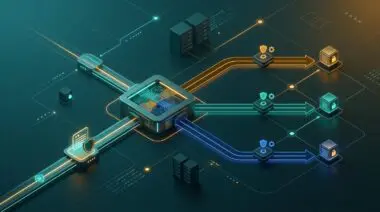
- Embedded Payment Rails: Integrate APIs for instant payouts, subscription billing, and escrow services to support recurring revenue models and reduce settlement times.
- Tokenization & NFTs: Enable creators to issue digital assets (e.g., membership tokens, limited-edition content) that can be traded or redeemed, creating new revenue streams and community engagement.
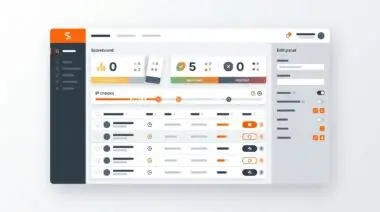
- Data Analytics for Creators: Provide dashboards with metrics on customer acquisition cost, churn rate, and revenue per user, empowering creators to optimize their offerings.
- Compliance Automation: Implement automated tax withholding, reporting (e.g., 1099-K), and identity verification to reduce administrative burden and legal risk.
- Community Lending: Offer revenue-based financing or crowdfunding options for creators to fund projects, using future earnings as collateral.
Common Pitfalls & Strategic Mistakes
One frequent error is treating the passion economy as a one-size-fits-all model. Platforms that impose rigid monetization structures (e.g., mandatory subscriptions) may alienate creators who prefer one-time sales or donations. Flexibility in payment models is critical.
Another pitfall is neglecting fraud prevention. As direct transactions increase, so does the risk of chargebacks and scams. FinTechs must deploy machine learning-based fraud detection and dispute resolution systems tailored to creator-audience interactions.
Finally, underestimating the importance of community features can limit growth. Passion economy platforms thrive on social interaction; integrating chat, forums, and collaborative tools can enhance user retention and network effects.
Conclusion
The passion economy represents a structural shift in labor and value creation, enabled by FinTech innovation. By providing creators with seamless monetization tools and compliance infrastructure, platforms can capture a growing market of micro-entrepreneurs while driving transaction volume and user loyalty.