Executive Summary
- Decoupled Architecture: Headless commerce separates the frontend presentation layer from the backend commerce engine, enabling independent development and deployment.
- API-First Flexibility: Leverages APIs to deliver content and functionality across any channel or device, including web, mobile, IoT, and progressive web apps.
- Enhanced Performance & Personalization: Allows for optimized, custom frontends that improve page load speeds and enable sophisticated, real-time personalization strategies.
What is Headless Commerce?
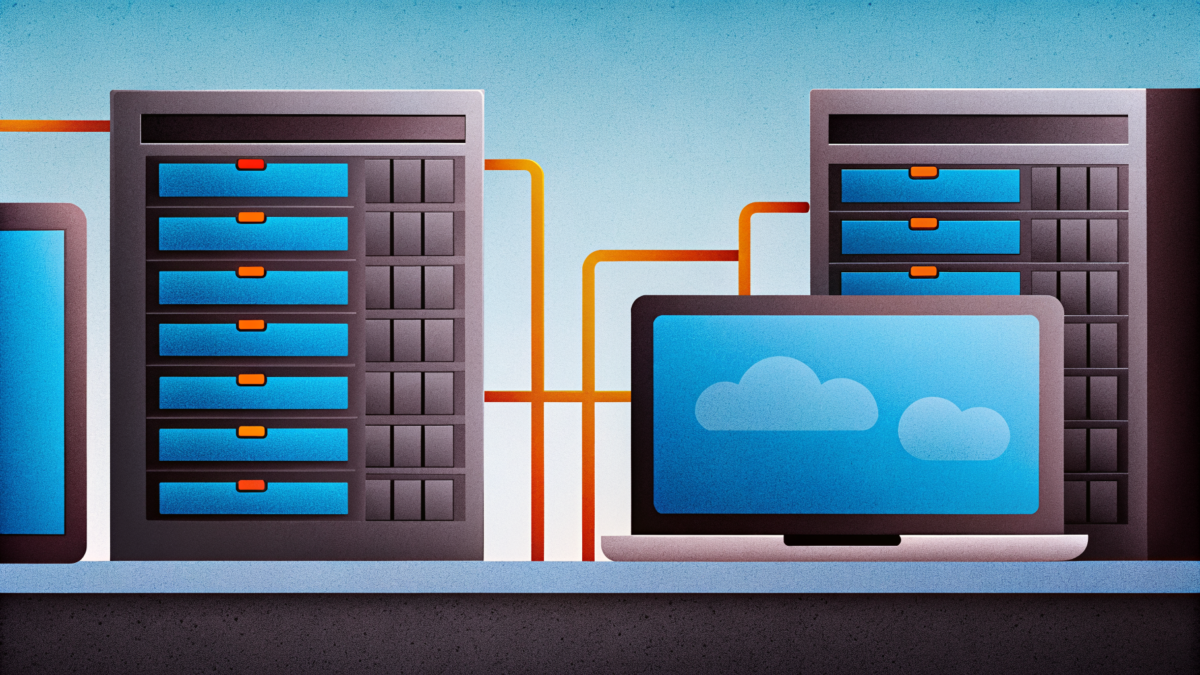
Headless commerce is a decoupled architecture where the frontend presentation layer is completely separated from the backend commerce functionality. This separation is achieved through API-based communication, allowing each layer to be developed, deployed, and scaled independently.
In a traditional monolithic commerce platform, the frontend and backend are tightly coupled, limiting flexibility and innovation. Headless commerce breaks this dependency, enabling businesses to deliver unique, optimized experiences across multiple touchpoints without being constrained by the backend system.
This architecture is particularly suited for modern omnichannel strategies, where consistent and personalized experiences must be delivered across web, mobile, voice assistants, smart devices, and emerging channels. The backend handles core commerce logic—product catalogs, pricing, inventory, checkout, and order management—while the frontend can be built with any modern framework (e.g., React, Vue.js, Angular) and hosted separately.
The Real-World Analogy
Think of headless commerce as a high-end restaurant kitchen separated from the dining area. The kitchen (backend) prepares the food (commerce logic) using standardized recipes and processes, while the dining room (frontend) can be redesigned and redecorated independently to create any ambiance or theme.
Waiters (APIs) carry dishes from the kitchen to the tables, ensuring the food arrives correctly regardless of the dining room layout. This separation allows the restaurant to change its decor, add outdoor seating, or launch a pop-up location without rebuilding the kitchen.
How Headless Commerce Drives Strategic Growth & Market Competitiveness?
Headless commerce enables faster time-to-market for new customer experiences. Marketing teams can launch campaigns with custom landing pages or interactive product showcases without waiting for backend development cycles. This agility directly impacts conversion rates and customer acquisition costs (CAC).
Performance optimization is a key driver of growth. Decoupled frontends can be built as static sites or progressive web apps (PWAs), reducing page load times significantly. Faster load speeds improve SEO rankings, reduce bounce rates, and increase average order value (AOV).
Personalization becomes more sophisticated. With headless architecture, businesses can integrate best-of-breed personalization engines, A/B testing tools, and AI-driven recommendation systems directly into the frontend. This granular control over the user experience leads to higher customer lifetime value (CLV) and repeat purchase rates.
Scalability is inherent. The backend and frontend can be scaled independently based on traffic demands. During peak seasons, the frontend can be scaled horizontally without affecting backend operations, ensuring consistent performance and uptime.
Strategic Implementation & Best Practices
- Adopt an API-First Mindset: Ensure all commerce functionalities are exposed via well-documented, RESTful or GraphQL APIs. This enables seamless integration with any frontend framework and third-party services.
- Choose a Composable Approach: Select best-of-breed components for each function (e.g., CMS, search, payment, fulfillment) and integrate them via APIs. Avoid monolithic suites that limit flexibility.
- Implement a Headless CMS: Use a headless CMS to manage content separately from the commerce engine. This allows content editors to create and publish content across channels without developer intervention.
- Optimize for Performance: Leverage CDN caching, lazy loading, and server-side rendering (SSR) or static site generation (SSG) to minimize time-to-interactive. Monitor Core Web Vitals rigorously.
- Establish a Robust API Governance: Define clear API contracts, versioning strategies, and rate limiting. Use API gateways to manage authentication, caching, and monitoring across all endpoints.
Common Pitfalls & Strategic Mistakes
One frequent error is underestimating the complexity of API orchestration. Without a unified API layer, teams may create point-to-point integrations that become brittle and hard to maintain. This leads to data inconsistencies and increased technical debt.
Another pitfall is neglecting the checkout experience. Decoupling the checkout flow can introduce latency or inconsistencies if not carefully designed. Ensure that critical paths like cart, payment, and order confirmation are optimized for speed and reliability.
Finally, failing to align organizational structure with the new architecture can hinder success. Headless commerce requires cross-functional collaboration between frontend, backend, and marketing teams. Silos must be broken down to fully realize the benefits of decoupled systems.
Conclusion
Headless commerce is a strategic architectural choice that empowers businesses to deliver superior, omnichannel customer experiences while maintaining backend stability and scalability. For data-driven organizations, it is a foundational component of a modern, composable commerce stack.