


Key Takeaways
- Google DeepMind’s Private AI Compute now stores persistent, per-user AI memory encrypted in the cloud, with decryption keys held only on user devices.
- Context is decrypted solely inside hardware-isolated secure enclaves, processed, then immediately re-encrypted, so the provider never sees plaintext.
- The update replaces a strictly stateless design, enabling continuous cross-device assistance while adding tamper-evident server verification and an independent audit.
Table of Contents
Google Locks Persistent AI Memory Inside Device-Controlled Cloud Enclaves
Google DeepMind has moved to solve the hardest remaining privacy problem in AI assistants: keeping persistent memory usable across devices without storing decryption keys in the cloud.
In a technical update dated September 23, 2026, the research group detailed a new server-side memory layer for its Private AI Compute platform that encrypts stored context and unlocks it only inside hardware-isolated secure enclaves, with keys held exclusively on user devices.
How Server-Side Memory Stays Encrypted From Request to Recall
The central innovation is that the new memory layer is stateful without becoming a central privacy liability.
According to the technical update, context lives inside dedicated, encrypted per-user storage, while the cryptographic keys needed to access that context stay on the personal devices of each user.
That separation means the stored information should remain inaccessible to anyone else, including the cloud provider itself.
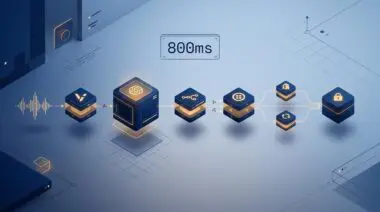
When an AI model needs to retrieve or update context, the user’s device opens an authenticated, end-to-end encrypted connection to a protected cloud environment.
Within that secure enclave, the data is temporarily decrypted in isolated memory, the request is processed, new context is saved, and the information is immediately re-encrypted.
The update rests on three architectural pillars:
- Device-bound keys: decryption keys never leave the user’s hardware.
- Isolated cloud execution: unencrypted data exists only inside ephemeral secure enclaves.
- Per-user encrypted storage: memory is sealed in dedicated databases rather than shared infrastructure.
Verification Stack
Alongside the memory update, the team is making server software tamper-evident through a public record that devices can inspect before transmitting personal data.
This verification step is designed to prove server code is authentic and unaltered, reducing the risk of accepting a malicious or compromised environment.
The technical brief now includes system architecture, security proofs, and the results of an independent audit conducted by a leading cybersecurity firm.
Why Stateless Cloud AI Was the Real Privacy Bottleneck
The previous version of Private AI Compute was strictly stateless, erasing all context when a task ended.
That design protected user data, but it also capped the usefulness of cloud AI. Workarounds like asking a model to store lists of personal facts could not support continuous, cross-device experiences.
Until this update, similar privacy-preserving cloud solutions across the industry faced the same constraint: they could handle isolated requests but could not remember enough to act as long-term assistants.
This matters because frontier AI models increasingly need more compute than a single device can supply, while on-device processing has long been the gold standard for privacy.
By making cloud-side memory as protected as on-device processing, the platform targets the exact tension that has slowed richer personal AI assistants.
Practical continuity means a user could pull up assembly instructions on a laptop that they first viewed through smart glasses, or resume a mobile conversation on the web without losing context.
The Blueprint for Trustworthy Continuous Assistance
Private-by-design cloud memory has now moved from an architecture diagram to a shipping commitment, resetting what users can expect from any AI assistant that promises cross-device continuity. For teams building AI-assisted systems that need to scale without breaking trust, programmatic SEO AI automation is how Andres SEO Expert approaches that same balance — contact the team.
Frequently Asked Questions
What is Google DeepMind’s secure server-side memory?
It is a new memory layer for the Private AI Compute platform that stores encrypted, per-user context on the server while keeping decryption keys on the user’s device. It lets AI assistants remember information across sessions and devices without giving the cloud provider access to plaintext memory.
How does Google keep cloud AI memory encrypted from request to recall?
Context is stored in dedicated encrypted per-user storage. When the model needs to retrieve or update it, the user’s device opens an authenticated, end-to-end encrypted connection to a hardware-isolated secure enclave. The data is decrypted only inside isolated memory, processed, saved, and immediately re-encrypted.
Where are the decryption keys stored in Google’s Private AI Compute?
Decryption keys are device-bound and never leave the user’s hardware. That separation is a core architectural pillar, meaning the cloud provider and other parties should not be able to access stored context without the device.
What role do secure enclaves play in private AI memory?
Secure enclaves provide isolated cloud execution where unencrypted data exists only temporarily. They allow the AI model to process requests and update memory while keeping plaintext out of shared infrastructure and re-encrypting data immediately after use.
Why was stateless cloud AI a privacy bottleneck?
Stateless cloud AI erased all context when a task ended. That protected privacy but limited usefulness, because assistants could not support continuous, cross-device experiences or long-term personalization. Workarounds like storing lists of personal facts were not enough.
How does Google verify the server before personal data is sent?
The team is making server software tamper-evident through a public record that devices can inspect before transmitting personal data. This verification step is designed to prove server code is authentic and unaltered, reducing the risk of a malicious or compromised environment.
What does secure server-side memory mean for cross-device AI assistants?
It allows continuity across devices, such as resuming a conversation from mobile on the web or recalling instructions first viewed on smart glasses. By making cloud-side memory as protected as on-device processing, it targets the tension that previously slowed richer personal AI assistants.