



Executive Summary
- Synchronizes processed, modeled data from centralized warehouses like Snowflake or BigQuery directly into operational SaaS applications.
- Enables operational analytics by transforming static data insights into real-time triggers for autonomous business logic and workflows.
- Provides the critical data infrastructure for AI content operations, ensuring LLMs have access to enriched, structured context for high-fidelity output.
What is Reverse ETL?
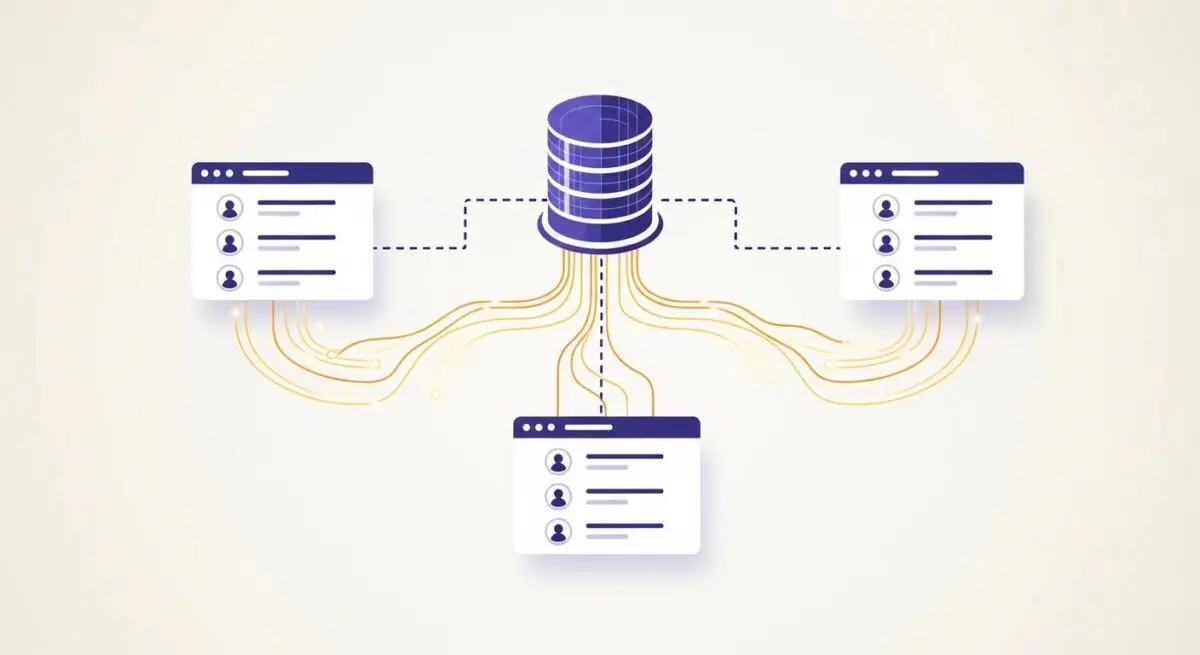
Reverse ETL (Extract, Transform, Load) is a data architecture pattern that involves moving processed data from a centralized data warehouse into operational systems of record, such as CRMs, marketing automation platforms, and ERPs. While traditional ETL processes focus on aggregating data from various sources into a warehouse for business intelligence and reporting, Reverse ETL focuses on data activation. It ensures that the analytical insights generated within the warehouse are made accessible to the tools used by frontline teams and automated systems in real-time.
In a modern data stack, Reverse ETL serves as the bridge between the analytical layer and the operational layer. By utilizing SQL-based queries or specialized integration connectors, engineers can sync specific data subsets—such as lead scores, churn probability, or customer lifetime value—back into tools like Salesforce, HubSpot, or Zendesk. This creates a closed-loop ecosystem where data does not merely reside in a dashboard but actively drives business processes and autonomous decision-making.
The Real-World Analogy
Imagine a massive, high-tech central library that contains every piece of information about a city’s residents, but the library is located miles away from the city center. The city’s social workers, doctors, and emergency responders (the operational tools) need specific, updated files to do their jobs effectively. Traditional ETL is the process of collecting reports from these workers and filing them in the library for long-term storage. Reverse ETL is the specialized courier service that takes the analyzed, organized files from the library and delivers exactly what is needed back to the workers’ desks in real-time, allowing them to take immediate action based on the library’s deep knowledge.
Why is Reverse ETL Critical for Autonomous Workflows and AI Content Ops?
For AI-driven automations, data is the primary driver of context. Reverse ETL is critical because it enables stateless automation to become context-aware. In programmatic SEO and AI content operations, an Large Language Model (LLM) requires structured, up-to-date data to generate high-quality, personalized content. By piping warehouse data—such as real-time inventory levels, localized market trends, or user behavior patterns—directly into the automation pipeline via Reverse ETL, we at Andres SEO Expert can execute hyper-personalized campaigns at a scale impossible with manual data entry.
Furthermore, Reverse ETL optimizes API payload efficiency. Instead of an automation script querying multiple disparate APIs to gather context, it can receive a single, enriched payload from the operational tool that was already updated via the Reverse ETL pipeline. This reduces latency, minimizes API costs, and ensures that autonomous agents are operating on a single source of truth maintained within the data warehouse, rather than fragmented data silos.
Best Practices & Implementation
- Implement Incremental Syncing: To optimize performance and reduce destination API costs, configure your pipeline to only sync records that have changed since the last execution rather than performing full table refreshes.
- Prioritize Data Mapping Consistency: Ensure that schema definitions in the warehouse strictly align with the field requirements and data types of the destination API to prevent payload rejection and sync errors.
- Monitor API Rate Limits: Destination SaaS platforms often impose strict throttling; implement robust queuing and exponential back-off strategies within your Reverse ETL infrastructure.
- Establish Observability and Alerting: Use comprehensive logging to track sync failures and data freshness, ensuring that downstream automations are not triggered by stale or missing data points.
Common Mistakes to Avoid
One frequent error is syncing unrefined or dirty data directly from the warehouse, which can lead to corrupted records in the CRM and trigger incorrect automated workflows. Another mistake is failing to account for the latency between the warehouse update and the Reverse ETL sync, which can result in race conditions where an automation fires before the necessary context has been updated in the destination system.
Conclusion
Reverse ETL is the essential mechanism for operationalizing warehouse data, transforming static analytical insights into the dynamic triggers required for scalable, AI-driven autonomous workflows.