




Executive Summary
- Algorithmic prioritization of prospects based on multi-dimensional data points, including behavioral triggers and firmographic attributes.
- Integration with AI-driven automation layers to enable real-time, stateless decision-making within CRM and marketing tech stacks.
- Optimization of resource allocation by filtering high-intent signals from noise, directly impacting the efficiency of programmatic SEO and sales pipelines.
What is Lead Scoring?
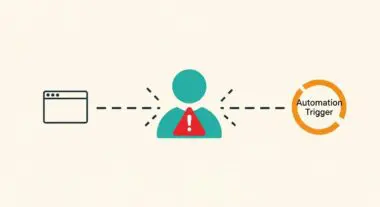
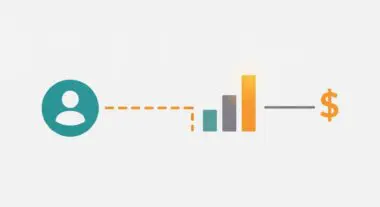
Lead scoring is a technical methodology used to rank prospects against a scale that represents the perceived value each lead represents to the organization. In the context of AI automations, this process involves the ingestion of raw data via webhooks or API endpoints, followed by the application of weighted algorithms to assign numerical values to specific user actions or attributes. These attributes typically include demographic data, engagement frequency, and intent-based signals captured across digital touchpoints.
We at Andres SEO Expert define advanced lead scoring as a dynamic, data-driven engine that operates within a stateless architecture. By utilizing machine learning models, systems can autonomously adjust scores based on historical conversion patterns, ensuring that the sales and marketing pipelines are populated with high-probability opportunities. This reduces manual intervention and allows for the seamless execution of automated nurturing sequences based on real-time data ingestion.
The Real-World Analogy
Imagine a high-end restaurant with a limited number of tables and a massive waiting list. Instead of seating people on a first-come, first-served basis, the maître d’ uses a system to prioritize guests. A guest who has visited ten times before, has a high average spend, and just called to confirm their arrival is given a higher “score” than a first-time caller who hasn’t looked at the menu. Lead scoring is that digital maître d’, ensuring your most valuable leads get immediate attention while others are placed in an automated nurture sequence.
Why is Lead Scoring Critical for Autonomous Workflows and AI Content Ops?
In autonomous workflows, lead scoring acts as the primary logic gate for downstream actions. Without a robust scoring mechanism, AI content operations risk wasting computational resources and API credits on low-intent traffic. By implementing lead scoring, systems can trigger specific webhooks only when a lead crosses a predefined threshold, ensuring that high-touch AI-generated outreach is reserved for prospects with the highest conversion probability. This precision is vital for scaling programmatic SEO efforts where the volume of incoming data can otherwise overwhelm standard CRM infrastructures and serverless execution environments.
Best Practices & Implementation
- Implement decay functions to automatically reduce scores for leads that show a decrease in engagement over a specific temporal window, preventing score inflation.
- Utilize negative scoring for non-ideal attributes, such as competitors, job seekers, or invalid email domains, to maintain database hygiene and focus.
- Integrate real-time data enrichment via APIs to populate firmographic fields before the scoring algorithm executes, ensuring data completeness.
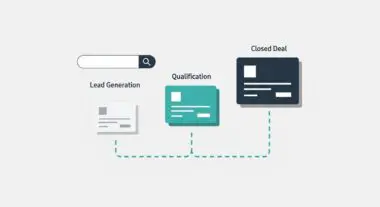
- Establish a feedback loop between the CRM and the automation layer to refine scoring weights based on actual closed-won data and conversion patterns.
Common Mistakes to Avoid
One frequent error is the reliance on static, arbitrary scoring weights that do not reflect actual conversion data, leading to misaligned priorities. Another mistake is failing to account for temporal relevance, where a lead accumulates points over a long period without showing genuine intent, necessitating the use of time-based decay. Finally, many organizations neglect to synchronize their scoring logic across all platforms, resulting in fragmented data silos and inconsistent automation triggers.
Conclusion
Lead scoring is the foundational logic that enables AI-driven systems to prioritize high-value interactions autonomously. By transforming raw behavioral data into actionable intelligence, organizations can scale their operations with precision and efficiency.