Executive Summary
- Ensures real-time state consistency across disparate API endpoints and data silos.
- Facilitates accurate AI agent performance by providing a unified, up-to-date data context.
- Optimizes infrastructure by utilizing event-driven architectures and delta-only updates.
What is Omnichannel Sync?
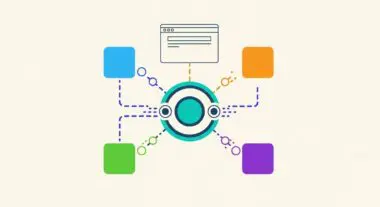
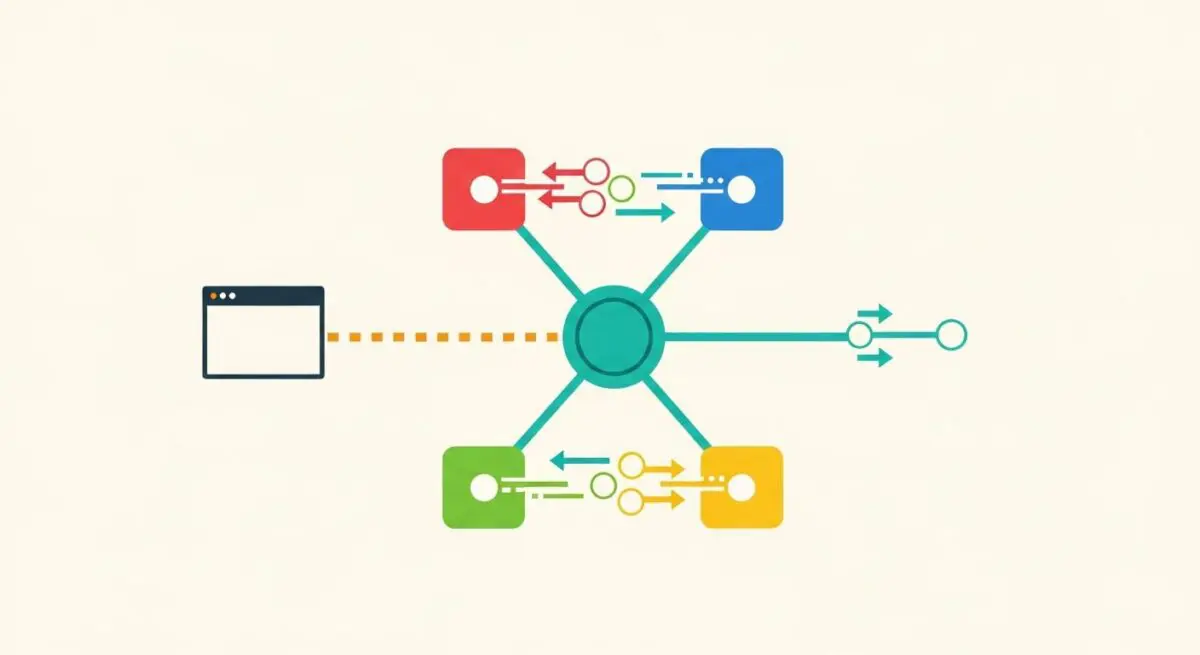
Omnichannel Sync refers to the architectural process of maintaining state consistency and data integrity across multiple disparate platforms, databases, and API endpoints in real-time or near-real-time. In the context of AI automations, it involves the bidirectional flow of information where a change in one node—such as a CRM update—is immediately propagated to all connected systems, including CMS platforms, email marketing engines, and AI-driven customer service interfaces. This ensures that the underlying data model remains unified, preventing the emergence of fragmented data silos.
Technically, Omnichannel Sync relies on robust middleware or integration platforms that utilize webhooks, polling mechanisms, and event-driven architectures. By leveraging standardized JSON payloads and schema mapping, engineers can ensure that structured data remains interoperable across different software environments. This synchronization is foundational for building autonomous agents that require a comprehensive, up-to-date context to perform complex tasks without human intervention.
The Real-World Analogy
Imagine a high-end restaurant where the digital menu, the waiter’s handheld tablet, and the kitchen’s inventory system are all perfectly synced. If the last portion of a specific dish is sold, the item is instantly grayed out on the digital menu and the waiter’s tablet simultaneously. This prevents the “out-of-stock” error at the table, ensuring the customer experience is seamless because every touchpoint in the restaurant is operating from the exact same information at the exact same microsecond.
Why is Omnichannel Sync Critical for Autonomous Workflows and AI Content Ops?
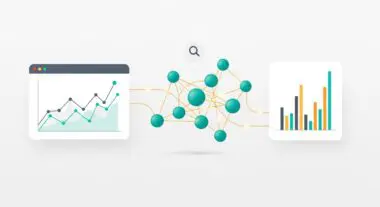
For autonomous workflows, Omnichannel Sync is the backbone of stateless automation. When AI agents operate across multiple platforms, they must access a single source of truth to avoid generating hallucinated or outdated content. In programmatic SEO and AI content operations, synchronization ensures that product specifications, pricing, or availability updates are reflected across thousands of generated pages instantly. Without it, the computational overhead of manually updating disparate systems would negate the efficiency gains of automation. Furthermore, it optimizes API payload efficiency by ensuring only delta updates (changes) are transmitted, reducing server load and latency in serverless architectures.
Best Practices & Implementation
- Implement Idempotency Keys: Ensure that repeated API requests do not result in duplicate data entries, maintaining database integrity during network fluctuations.
- Utilize a Centralized Event Bus: Deploy a message broker like RabbitMQ or Apache Kafka to manage data distribution, allowing for asynchronous processing and better scalability.
- Standardize Data Schemas: Use consistent JSON structures and naming conventions across all platforms to minimize the need for complex transformation logic during the sync process.
- Prioritize Webhook-Driven Architectures: Favor push-based updates over polling to reduce latency and minimize unnecessary API calls, preserving rate limits.
Common Mistakes to Avoid
One frequent error is the creation of infinite sync loops, where System A updates System B, which then triggers an update back to System A, consuming resources and corrupting data. Another common pitfall is failing to implement robust conflict resolution logic, leading to “last-write-wins” scenarios that may overwrite critical historical data. Finally, many brands neglect to monitor API rate limits, resulting in synchronization failures during high-traffic periods.
Conclusion
Omnichannel Sync is an essential engineering requirement for scalable AI automations, ensuring data parity and operational efficiency across complex digital ecosystems.