Executive Summary
- Full-stack observability across infrastructure, applications, and user experience for real-time performance tracking.
- Deep integration with Core Web Vitals through Real User Monitoring (RUM) and Synthetic testing.
- Advanced Application Performance Monitoring (APM) for identifying backend bottlenecks and reducing Time to First Byte.
What is Datadog?
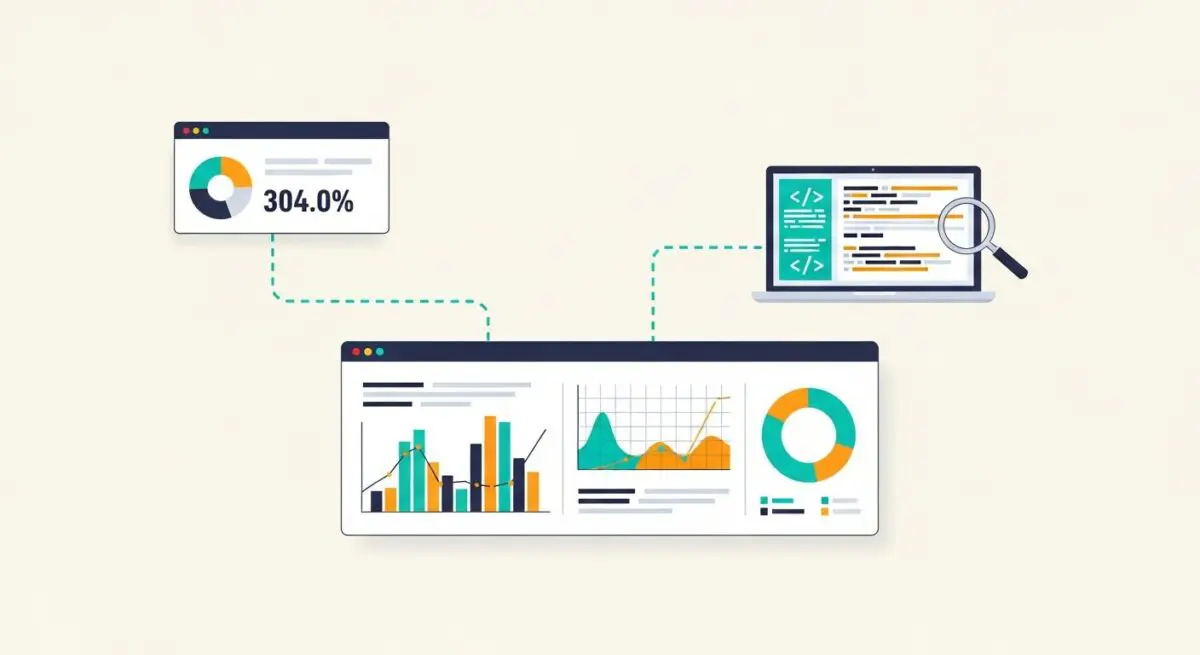
Datadog is a cloud-scale monitoring and analytics platform that provides full-stack observability into infrastructure, applications, and user experiences. It aggregates metrics, traces, and logs from across the entire technology stack, enabling engineers to visualize performance data in real-time. By utilizing a unified data platform, it bridges the gap between DevOps, security, and performance teams, facilitating a proactive approach to system health and reliability.
In the context of website performance, Datadog offers specialized tools such as Real User Monitoring (RUM) and Synthetic Monitoring. These features allow architects to track how actual users interact with a site and simulate traffic to identify potential failures before they impact the production environment. Its ability to correlate frontend performance with backend database queries or third-party API latency makes it an essential tool for enterprise-level speed engineering and infrastructure optimization.
The Real-World Analogy
Imagine a massive international airport. Datadog is the central air traffic control tower equipped with advanced radar, ground sensors, and communication systems. Instead of just seeing that a plane is delayed, the tower can see exactly why: is it a mechanical issue in the hangar (backend server), a congested runway (network latency), or a delay at the boarding gate (frontend rendering)? It provides a single, bird’s-eye view of every moving part, ensuring the entire operation runs smoothly and efficiently by identifying the exact source of friction.
Why is Datadog Critical for Website Performance and Speed Engineering?
Datadog is critical because it provides granular visibility into the metrics that define Core Web Vitals (CWV). Through its RUM capabilities, it captures Largest Contentful Paint (LCP), First Input Delay (FID), and Cumulative Layout Shift (CLS) from actual user sessions across different geographies and devices. This data allows performance architects to pinpoint specific bottlenecks in the critical rendering path or server-side execution that directly impact SEO rankings.
Furthermore, Datadog’s Application Performance Monitoring (APM) tracks distributed traces, allowing developers to see how long individual functions or database queries take to execute. By identifying high-latency spans in the backend, engineers can reduce Time to First Byte (TTFB) and improve overall server response times. The platform’s alerting system also ensures that any performance degradation is flagged immediately, preventing long-term impacts on user retention and conversion rates.
Best Practices & Implementation
- Implement Real User Monitoring (RUM) to collect field data on Core Web Vitals and correlate them with user session attributes like browser type and geographic location.
- Configure Synthetic Monitoring tests to run from multiple global locations, ensuring that edge caching and CDN performance are consistent for international audiences.
- Utilize Distributed Tracing to map the entire lifecycle of a request, identifying specific microservices or third-party scripts that contribute to render-blocking delays.
- Set up automated monitors and Service Level Objectives (SLOs) for critical performance metrics to receive proactive alerts before thresholds are breached.
Common Mistakes to Avoid
One frequent error is failing to filter out internal traffic or bot activity, which can skew performance metrics and lead to inaccurate optimization decisions. Another mistake is ignoring the correlation between infrastructure health, such as CPU and memory usage, and application latency; often teams focus only on the frontend while the root cause lies in resource exhaustion at the server level.
Conclusion
Datadog serves as a comprehensive observability suite that empowers performance architects to diagnose and resolve complex latency issues across the full stack. Its integration of RUM, APM, and infrastructure monitoring is vital for maintaining high-speed, SEO-compliant enterprise websites in a competitive digital landscape.