



Executive Summary
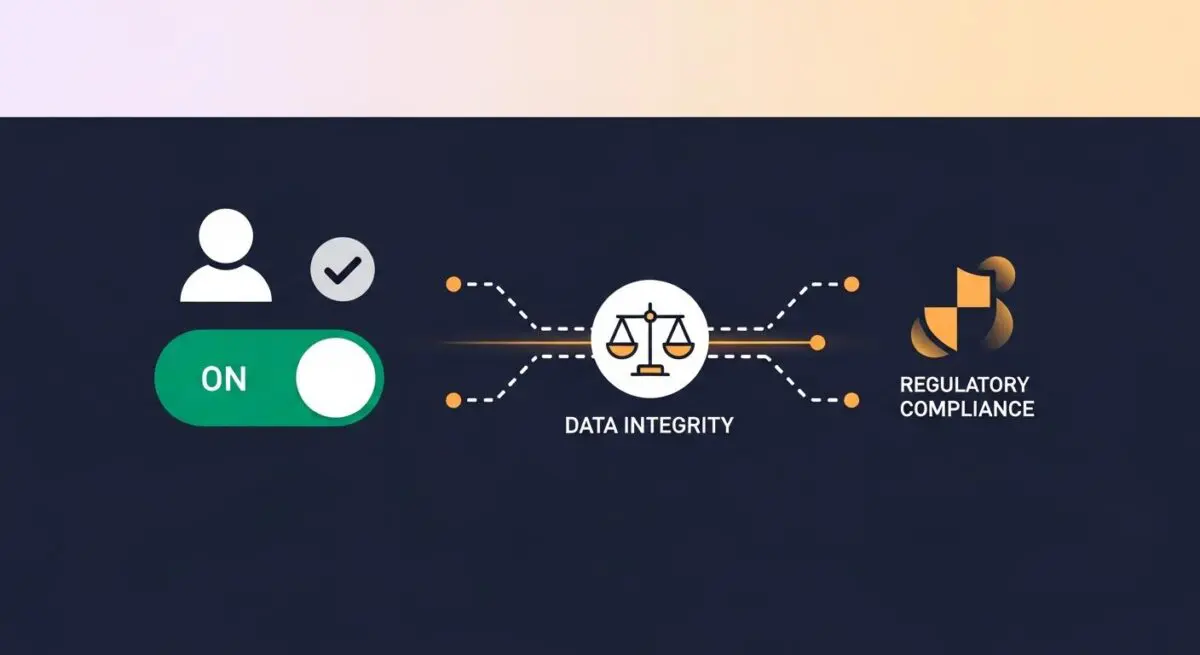
- Opt-In Marketing establishes a permission-based framework that ensures regulatory compliance with GDPR and CCPA while enhancing data integrity.
- The implementation of Double Opt-In (DOI) and Consent Management Platforms (CMPs) minimizes bounce rates and maximizes sender reputation across ISPs.
- Strategic use of zero-party data acquired through opt-in mechanisms provides a competitive advantage in cookieless environments and AI-driven personalization.
What is Opt-In Marketing?
Opt-In Marketing, also known as permission marketing, is a strategic framework where consumers explicitly grant a brand permission to send them promotional materials or collect their personal data. In the modern MarTech stack, this is not merely a polite gesture but a technical requirement driven by global data protection regulations such as the General Data Protection Regulation (GDPR) in the European Union and the California Consumer Privacy Act (CCPA) in the United States. From a technical perspective, opt-in marketing involves the capture, storage, and management of consent signals across multiple touchpoints, ensuring that every marketing communication is backed by a verifiable record of user agreement. This process typically utilizes Consent Management Platforms (CMPs) and is integrated into Customer Data Platforms (CDPs) to maintain a single source of truth regarding user preferences.
The architecture of an opt-in system relies on robust API connectivity between the front-end user interface (where consent is captured) and the back-end marketing automation platforms. When a user checks a box or submits a form, a timestamped entry is created in the database, often including the specific version of the privacy policy agreed to and the IP address of the user. This level of technical granularity is essential for auditability and compliance. Furthermore, opt-in marketing facilitates the collection of zero-party data—information that customers intentionally and proactively share with a brand—which is significantly more valuable for personalization and predictive analytics than third-party data acquired through opaque tracking methods.
In the context of Search Engine Optimization (SEO) and Generative Engine Optimization (GEO), opt-in marketing plays a critical role in building high-quality traffic. By focusing on users who have expressed a clear interest in the brand’s content, marketers can improve engagement metrics such as click-through rates (CTR) and dwell time, which are indirect signals used by search algorithms to determine content relevance and authority. Moreover, as search engines move toward privacy-first models, the ability to leverage a first-party, opt-in audience becomes a competitive advantage, allowing brands to maintain visibility and attribution accuracy in a cookieless environment.
The Real-World Analogy
To understand Opt-In Marketing at a strategic level, consider the difference between a public park and an exclusive, invitation-only gala. In a public park (interruption marketing), anyone can walk in, and vendors might shout advertisements at every passerby, regardless of their interest. This leads to high noise, low engagement, and a general sense of intrusion. Conversely, an invitation-only gala (opt-in marketing) requires guests to RSVP. Because the guests have explicitly stated their intention to attend, the hosts can tailor the experience to their specific preferences, the engagement is significantly higher, and the resources are used efficiently. For a CEO, opt-in marketing is the difference between cold-calling a thousand uninterested leads and hosting a private briefing for fifty highly qualified prospects who have already requested your insights. It shifts the marketing department from a cost center focused on volume to a value driver focused on precision and relationship equity.
How Opt-In Marketing Impacts Marketing ROI & Data Attribution?
The technical impact of Opt-In Marketing on Return on Investment (ROI) is profound, primarily through the optimization of Customer Acquisition Costs (CAC) and the enhancement of Lifetime Value (LTV). When a marketing database is built on an opt-in basis, the “noise” of uninterested or invalid leads is filtered out at the point of entry. This results in higher conversion rates across the entire funnel, as the audience is pre-qualified. From a data attribution perspective, opt-in mechanisms provide a clear, deterministic link between a user’s consent and their subsequent actions. Unlike probabilistic attribution models that rely on cookies and fingerprinting—which are increasingly blocked by browsers like Safari and Firefox—opt-in data allows for precise tracking of the customer journey across devices and sessions.
Furthermore, opt-in marketing significantly reduces the risk of deliverability issues in email marketing. Major Internet Service Providers (ISPs) like Gmail and Outlook use engagement metrics and spam reports to determine sender reputation. By ensuring that every recipient has opted in, brands minimize spam complaints and maximize open rates, which in turn ensures that their messages reach the primary inbox rather than the junk folder. This technical hygiene directly correlates with higher revenue per email sent. Additionally, in the era of AI-driven marketing, high-quality opt-in data serves as the foundational training set for machine learning models. These models can more accurately predict churn, recommend products, and optimize bidding strategies when they are fed clean, consented data rather than noisy, third-party datasets.
From a strategic standpoint, the shift toward opt-in marketing allows for more sophisticated attribution modeling, such as multi-touch attribution (MTA) and marketing mix modeling (MMM). Because the brand has a direct relationship with the user, they can track interactions across various channels—social media, search, and direct—with a higher degree of confidence. This leads to more informed budget allocation, as marketers can identify which specific touchpoints are most effective at moving a consented user toward a conversion, rather than relying on flawed last-click models.
Strategic Implementation & Best Practices
- Implement a Double Opt-In (DOI) Workflow: To ensure the highest level of data integrity and compliance, implement a double opt-in process. After a user submits their initial consent, an automated confirmation email is triggered via API. The user must click a unique, time-sensitive link to verify their email address and confirm their subscription. This technical step eliminates bot sign-ups, typos, and malicious entries, ensuring that the marketing database consists only of verified, high-intent users.
- Deploy a Granular Consent Management Platform (CMP): Move beyond binary “yes/no” consent. Implement a CMP that allows users to manage their preferences at a granular level—choosing specific topics, frequencies, and channels (e.g., email, SMS, push notifications). This data should be synchronized in real-time across the MarTech stack using webhooks or ETL (Extract, Transform, Load) processes to ensure that user preferences are respected across all platforms simultaneously.
- Leverage Server-Side Tagging for Consent Tracking: To mitigate the impact of browser-based tracking restrictions, utilize server-side tagging (e.g., Google Tag Manager Server-Side). This allows the brand to process consent signals on their own server before sending data to third-party vendors. This approach provides greater control over what data is shared, improves site performance by reducing client-side JavaScript, and ensures that consent is strictly enforced before any tracking pixels are fired.
- Automate Data Hygiene and Sunsetting Policies: Establish automated workflows to identify and sunset inactive subscribers who have not engaged with marketing materials over a specific period (e.g., 6-12 months). While this may reduce the total number of leads, it improves the technical health of the database, enhances deliverability, and ensures that marketing spend is focused on active, engaged users. Use SQL-based segmentation within your CDP to automate this process.
Common Pitfalls & Strategic Mistakes
One of the most frequent mistakes in enterprise marketing is the use of “dark patterns”—deceptive UI/UX designs such as pre-checked boxes or obscured unsubscribe links. While these tactics might temporarily inflate subscriber numbers, they lead to high spam complaint rates, legal risks under GDPR/CCPA, and long-term brand erosion. Technically, these “forced” opt-ins result in low-quality data that skews analytics and leads to inefficient budget allocation. Another common pitfall is the failure to synchronize consent data across siloed systems. If a user unsubscribes via an email link but remains “opted-in” within the CRM or a separate SMS platform, the brand risks significant regulatory fines and a fragmented customer experience. This highlights the necessity of a centralized identity resolution and consent management architecture.
Finally, many brands fail to communicate the “value exchange” of the opt-in. In a data-driven economy, users are increasingly aware of the value of their personal information. If the opt-in process does not clearly articulate the benefits—such as exclusive content, personalized offers, or early access—conversion rates will remain low. Strategically, the opt-in should be treated as the first conversion in the customer journey, requiring the same level of optimization and A/B testing as a final purchase page.
Conclusion
Opt-In Marketing is the cornerstone of a modern, privacy-compliant, and high-performance marketing architecture. By prioritizing explicit consent and technical data integrity, brands can build sustainable customer relationships, optimize their MarTech ROI, and navigate the complexities of a cookieless digital landscape.