

Key Points
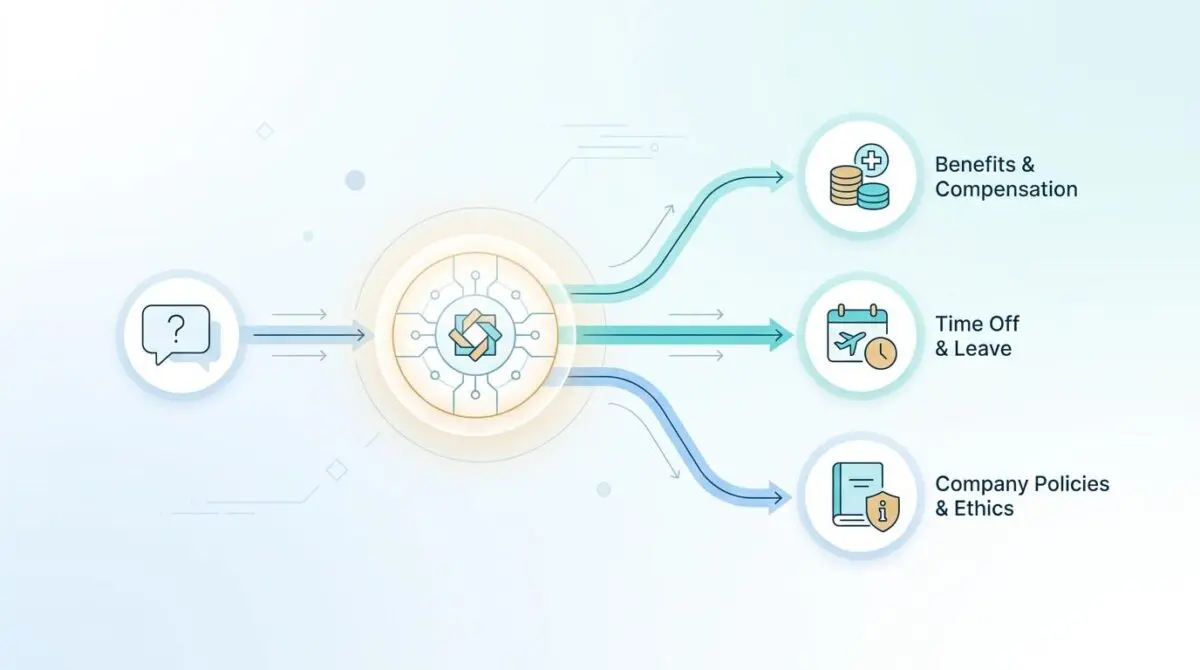
- RAG Architecture: Utilizing Retrieval-Augmented Generation ensures AI chatbots pull exclusively from company handbooks to eliminate policy hallucinations.
- Low-Code Routing: Platforms like Make and Activepieces democratize AI integration by instantly connecting Slack inquiries to vectorized knowledge bases.
- Governance Gateways: Implementing human-in-the-loop approvals for sensitive inquiries bridges the trust gap while automating 80% of routine administrative tasks.
Table of Contents
The Invisible Administrative Drain
Imagine a bustling local coffee shop where the owner spends three hours deciphering PTO accruals instead of perfecting their signature latte art. Now scale that exact frustration to an enterprise developer waiting four days for a simple clarification on maternity leave benefits. This is the universal friction of manual policy lookups.
HR departments are drowning in a sea of repetitive administrative tasks. They currently spend over half their time acting as human search engines for internal handbooks. This manual retrieval process is a massive drain on productivity and morale.
The solution is not hiring more administrators to read PDFs. The answer lies in deploying a RAG-powered Internal HR Knowledge Agent.
This technology transforms static company handbooks into dynamic, instant-response engines. It reclaims lost hours, eliminates human error, and scales effortlessly across any organization.
Quantifying the Cost of Manual Support
Market Intelligence & Data
Manual Inquiry Cost
According to a 2025 EY study conducted for Paycom, the labor cost for an HR professional to manually provide information about benefit plan changes is $20.32 per instance.
Routine Task Resolution
Industry data verified in early 2026 shows that AI chatbots can successfully manage and resolve up to 80% of routine internal inquiries without human intervention.
RAG Accuracy
According to 2025 Gartner Customer Experience trends, RAG-powered AI chatbots achieve between 94% and 98% accuracy on domain-specific questions when using well-structured internal knowledge bases.
Agent Adoption Growth
The 2026 ADP HR Technology Trends Guide reports that CHROs project a 327% growth in the adoption of specialized AI agents within HR functions by 2027.
The financial weight of manual HR support is staggering when you examine the $20.32 cost per inquiry. Every time an employee asks about a benefit plan change, a human professional must stop their strategic work, locate the document, and draft a response. These micro-interruptions compound rapidly across a fiscal year, turning simple questions into massive operational liabilities. Organizations are effectively paying premium salaries for basic data retrieval.
Fortunately, the landscape is shifting with chatbots now resolving 80% of routine tasks autonomously. This massive offloading of repetitive queries allows conversational AI implementations to reduce global contact center and internal helpdesk labor costs by $80 billion by the end of the year. Teams can finally step away from the inbox and focus on actual talent development. The efficiency gains redefine how internal service desks operate at scale.
Accuracy is the cornerstone of this shift, with RAG technology delivering 94% to 98% precision. Unlike standard language models that guess answers, Retrieval-Augmented Generation roots every response in your specific company handbook. This eliminates the compliance risks associated with hallucinated benefits or incorrect policy advice. Employees receive reliable, context-aware answers instantly.
This unparalleled accuracy is driving a projected 327% growth in agent adoption by 2027. However, rapid scaling requires careful governance to ensure these systems remain reliable and secure. If companies rush deployment without proper guardrails, Gartner predicts 40% of AI agent projects will fail by 2027. Strategic implementation, therefore, is just as critical as the underlying technology.
The Real Bottleneck
HR professionals currently sacrifice nearly four full weeks every year to manual administrative tasks. This search-and-find cycle drains 14% of their weekly capacity on basic queries alone. It is a relentless loop of copying and pasting handbook clauses into emails.
The reality is that 56% of HR staff are chronically understaffed and operating far beyond their limits. This operational bottleneck leads directly to employee frustration.
Workers often face 48-hour latencies just to get an answer about bereavement leave or expense policies. Tools like Paycom’s ‘IWant’ and Siit are emerging in 2025 to directly combat this latency. They aim to restore immediate access to critical workplace information.
AI-Agent Integration
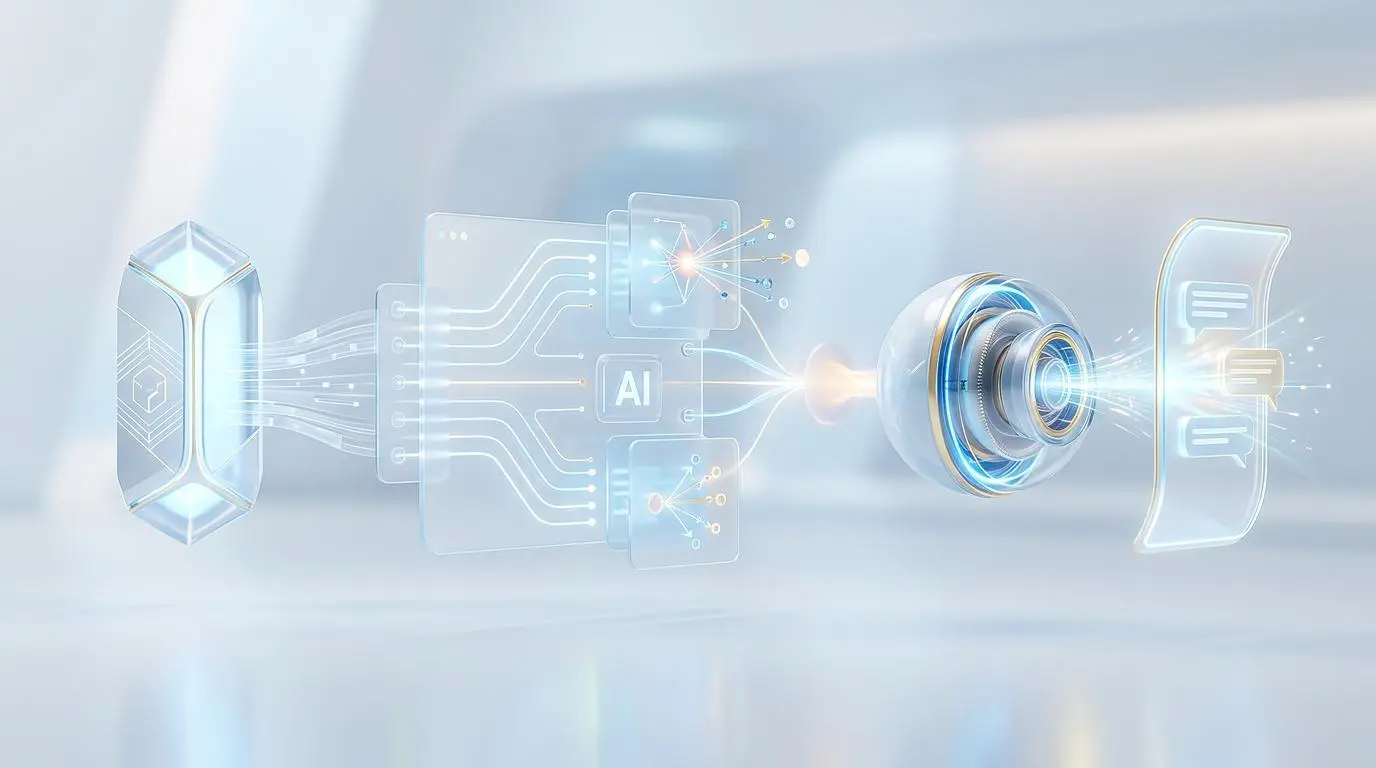
Retrieval-Augmented Generation is now the absolute gold standard for internal chatbots. By leveraging vector databases like Pinecone or Weaviate, organizations can train agents directly on their proprietary handbooks. This architecture strictly confines the AI to approved company literature.
Standard large language models are notoriously risky for HR because they lack company-specific context. They tend to hallucinate rules or invent benefits that do not exist. This creates immediate legal and compliance liabilities for the organization.
RAG solves this by forcing the AI to cite specific handbook paragraphs before generating a response. Production use cases in HR have doubled between 2024 and 2026 as a result. We are officially transitioning from basic FAQ bots to highly context-aware policy interpreters.
The No-Code & Low-Code Revolution
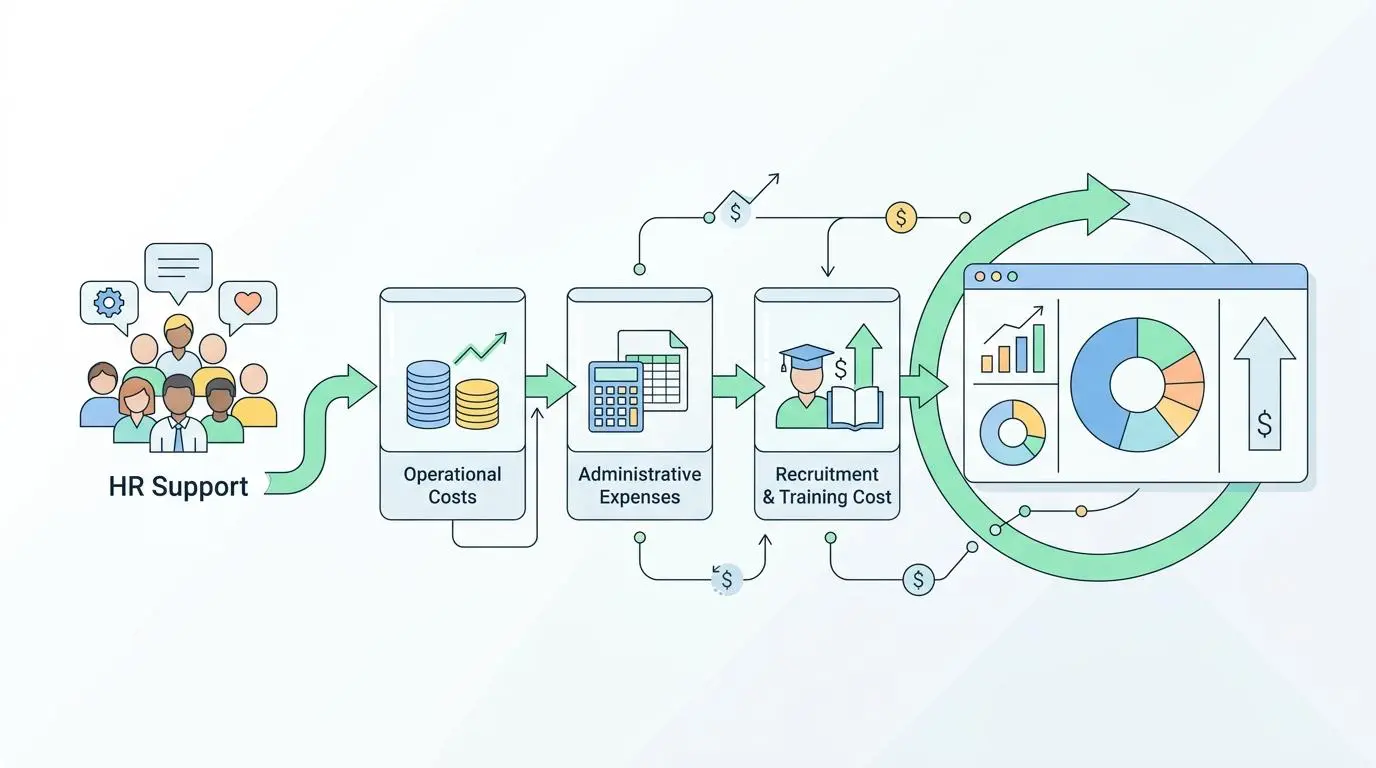
Historically, building a custom AI interface required a dedicated team of internal developers. Because most companies lack these resources, 36% of organizations remain trapped in manual email-based ticketing. They simply could not afford the technical overhead to modernize.
Today, platforms like Make.com, Activepieces, and Relay.app have completely democratized this workflow. Anyone can create automated triggers that connect communication apps to advanced AI logic. It is like snapping together digital Lego bricks to build an enterprise-grade pipeline.
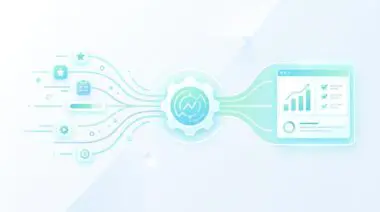
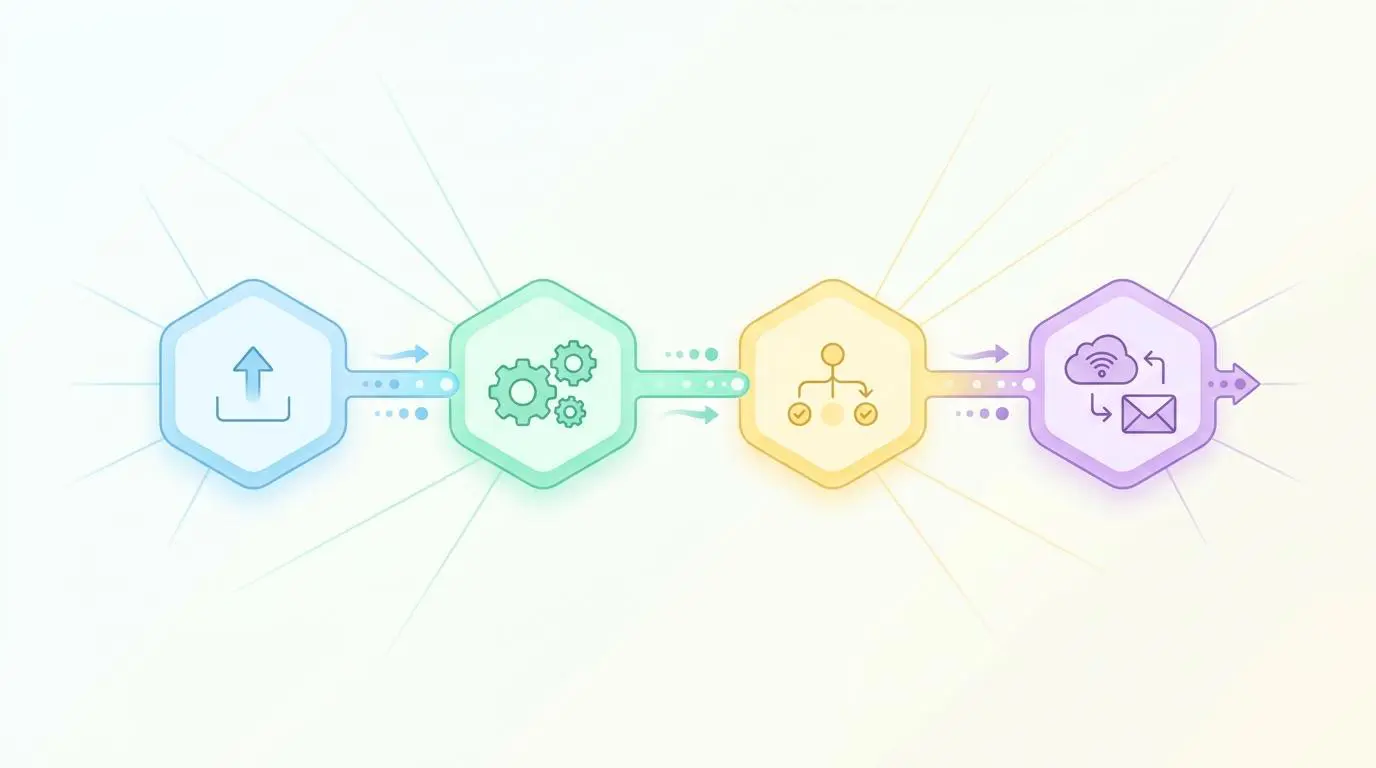
A typical flow instantly routes a Slack or Teams inquiry through a LangChain workflow. The system queries a vectorized PDF handbook and returns a perfectly formatted response in seconds. No complex coding is required to achieve this seamless integration.
ROI & Time-Saving Metrics

The financial disparity between human and automated support is impossible to ignore. Human-led HR support costs range from $6 to $15 per inquiry, factoring in time and salary. In stark contrast, AI chatbot interactions cost a mere $0.50 to $0.70 each.
Manual inquiry handling acts as an invisible financial leak within most companies. The average cost per HR task rises consistently every year due to inflation and salary increases. Ignoring this leak drains the operational budget silently over time.
Organizations implementing automated routing are seeing a staggering 300% ROI within the first 12 to 24 months. The true value comes from redeploying HR staff away from repetitive questions. They can finally focus on high-value talent strategy and employee development.
The Human-in-the-Loop Factor
Despite the power of AI, a lack of trust and transparency remains a significant barrier to adoption. About 87% of HR professionals believe employees still prefer a human touch. This sentiment prevents the absolute 100% automation of the HR function.
To bridge this gap, advanced 2026 workflows incorporate strict Governance Gateways. When an employee asks about highly sensitive policies like termination or harassment, the AI generates a draft answer. However, it does not send it immediately to the user.
Instead, the draft is held in Slack or Teams for a 1-click human approval. A human HR representative reviews the context, ensures empathy, and clicks approve. This hybrid approach marries the speed of automation with the necessary empathy of human oversight.
The Future Horizon
Current HR bots are mostly informational, acting as highly intelligent search engines. Employees receive the policy details but must still visit a separate portal to apply that information. This creates a disjointed user experience that slows down actual task execution.
By 2027, half of all enterprises will transition from these answering bots to true Agentic HR. These advanced systems will execute tasks directly from the chat interface. An employee could ask about FMLA and file the request in the exact same conversation.
Furthermore, multimodal bots will begin processing voice-based policy inquiries. This will be a game-changer for frontline workers who do not sit at a desk all day. They can simply speak into their mobile device and get immediate, handbook-backed answers.
Agentic HR and the Next Frontier
The evolution from conversational AI to fully agentic systems will redefine organizational efficiency by late 2026. Specialized internal agents will soon hold API permissions to execute handbook logic autonomously. Instead of just explaining rules, they will approve leave requests or update tax forms instantly.
This shift eliminates the final layers of administrative friction, allowing companies to scale without bloating their operational headcount. The future belongs to organizations that treat their internal knowledge as an active, executable asset rather than a static document.
Navigating the intersection of technology, workflows, and operational efficiency requires a sharp strategy. To future-proof your business architecture and scale with precision, connect with Andres at Andres SEO Expert.
Frequently Asked Questions
What is a RAG-powered Internal HR Knowledge Agent?
A RAG-powered Internal HR Knowledge Agent is an AI system using Retrieval-Augmented Generation to transform static company handbooks into dynamic, instant-response engines. It grounds AI responses in verified internal documentation to provide accurate, context-aware answers to employee inquiries.
How much can AI reduce the cost of HR inquiries?
While manual HR inquiries cost approximately $20.32 per instance in labor, AI chatbot interactions cost only $0.50 to $0.70 each. This massive cost reduction helps organizations prevent financial leaks and redeploy staff to high-value talent development tasks.
Why is RAG technology preferred over standard LLMs for HR?
Standard large language models (LLMs) often lack company-specific context and are prone to hallucinations. RAG technology achieves 94% to 98% accuracy by forcing the AI to retrieve and cite specific handbook paragraphs before generating an answer, ensuring legal and policy compliance.
How does human-in-the-loop governance work in HR AI?
Governance Gateways are used for sensitive inquiries like harassment or termination. In these cases, the AI generates a draft response that is held for a one-click human approval in Slack or Teams, ensuring that automated speed is balanced with necessary human empathy.
What is the projected ROI for internal HR automation?
Organizations implementing automated HR routing and RAG-based knowledge agents typically experience a 300% ROI within the first 12 to 24 months. This return is driven by the 80% resolution rate of routine tasks and the elimination of administrative bottlenecks.
How will Agentic HR evolve by 2027?
By 2027, internal systems will move from informational bots to true Agentic HR, where systems execute tasks autonomously. These agents will have API permissions to approve leave requests, update tax forms, and process FMLA filings directly within the chat interface.