Key Points
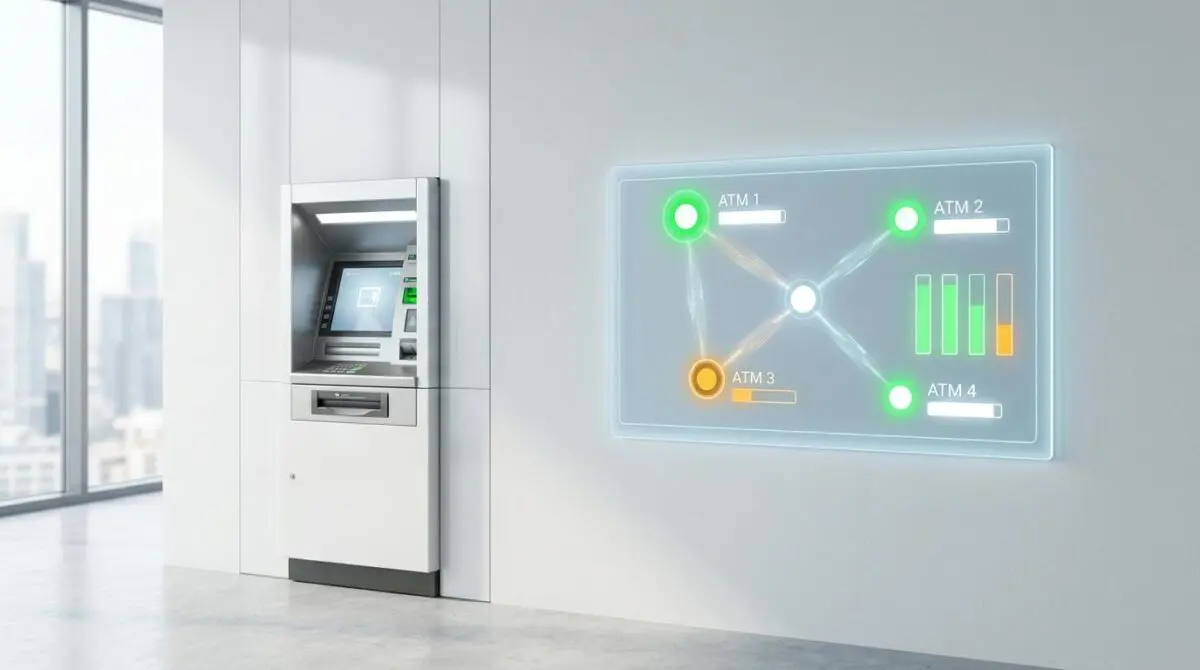
- Telemetry-Driven Dispatch: Upgrading to 5G-enabled IoT sensors allows ATM networks to transmit real-time denomination data every five seconds to eliminate dead-heading.
- Cognitive Routing Intelligence: AI agents ingest external signals like weather and event traffic to preemptively reroute armored transports before cash-out events occur.
- Encrypted Transport Security: Strict PCI DSS 4.0 compliance ensures all automated dispatch triggers are protected via end-to-end encrypted tunnels to prevent route interception.
Table of Contents
The Milk-Run Trap
Imagine dispatching a heavy-duty armored truck across town in rush-hour traffic merely to check if a machine requires cash. This is the harsh reality of the static milk-run, a legacy logistics model that drains capital and burns fuel based on pure guesswork.
Financial institutions face an immense efficiency-security paradox when managing these physical assets. They waste millions on empty armored transport routes while simultaneously losing thousands of dollars per minute during major out-of-service events.
The solution lies in shifting from reactive guessing to proactive intelligence. Implementing predictive ATM cash orchestration and automated armored dispatch transforms this clumsy physical network into a highly responsive, self-healing ecosystem.
Decoding the Financial Impact of Autonomous Logistics
Market Intelligence & Data
Managed Services Market Cap
The global ATM managed services market reached this valuation in 2026 due to increased bank outsourcing of cash monitoring, according to CoinLaw 2026.
Cash Handling Cost Reduction
Adoption of real-time monitoring and cash-recycling systems is projected to cut annual per-machine handling costs by 40% in 2026, according to MB Magazine.
Predictive Analytics Savings
Banks using AI-driven predictive analytics for cash demand have reduced overall operational costs by 15% as of mid-2026, according to Technavio.
Recycling ATM Global Fleet
The total volume of cash-recycling ATMs is forecasted to exceed 1.2 million units by the end of 2026 to support automated replenishment models, according to Brink’s AMS 2025.
The shift toward outsourced, intelligent fleet monitoring is fundamentally reshaping bank balance sheets. We are witnessing a massive global ATM managed services market valuation of $10.19 billion as financial institutions aggressively abandon in-house manual scheduling. This capitalization reflects a critical need to offload the logistical nightmare of cash-in-transit routing to specialized, tech-driven operators.
Achieving a 40% reduction in cash handling costs is not just an incremental improvement. It represents a paradigm shift where banks significantly reduce cash-in-transit replenishment visits by deploying intelligent hardware that recycles deposited notes. By allowing machines to self-fund their own withdrawal cycles, operators dramatically slash the frequency of armored truck dispatches.
The 15% operational savings driven by AI analytics highlights the death of the static schedule. Predictive models analyze historical withdrawal patterns and local economic events to forecast exactly when a machine will run dry. This ensures that armored vehicles are only deployed when absolutely necessary, eliminating the dreaded dead-heading phenomenon entirely.
Surpassing 1.2 million global cash-recycling units creates the physical infrastructure required for true automated replenishment. These advanced terminals act as micro-vaults that constantly balance their own ledgers in real-time. When paired with automated dispatch triggers, they form the backbone of a highly resilient, autonomous cash distribution network.
The Daily Friction

Legacy ATM networks rely almost entirely on reactive reporting and manual status checks. These outdated systems typically trigger alerts only after a catastrophic cash-out event has already occurred.
Industry leaders are rapidly replacing these blind spots with advanced telemetry-driven triggers. Modern management tools now monitor every single denomination in real-time to ensure optimal liquidity.
This eliminates the massive real-world friction of manual scheduling, which inevitably leads to empty armored trucks driving aimless routes. Eradicating this unnecessary fuel consumption recovers up to 25% of a standard cash-in-transit budget.
AI-Agent Integration
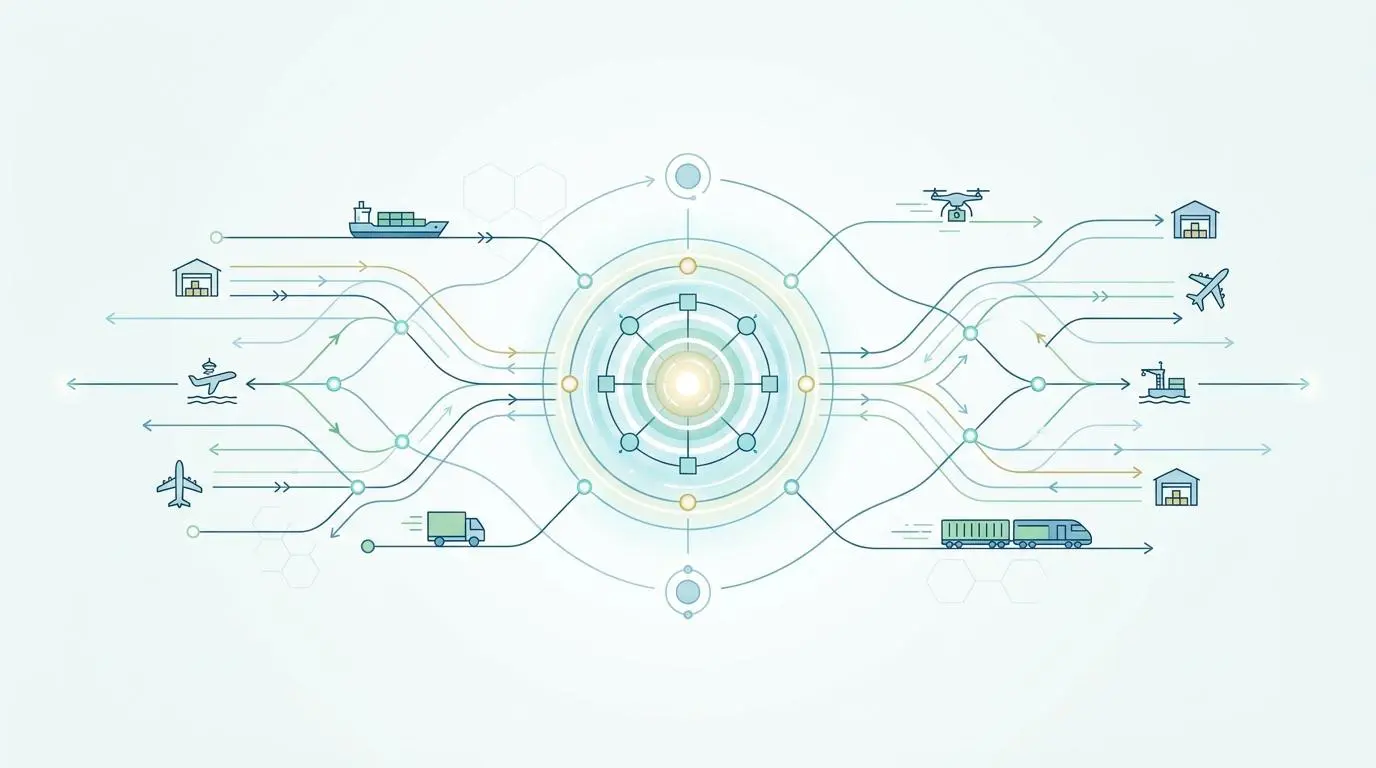
Static replenishment models fail spectacularly because they cannot account for sudden local events. A nearby concert or a sudden weather shift can leave machines running dry hours before a scheduled armored truck visit.
To combat this, cognitive AI agents now ingest external data signals to predict withdrawal surges before they happen. They analyze local concert schedules, weather forecasts, and holiday foot traffic with incredible precision.
Advanced platforms integrate these predictive agents directly into live dispatch workflows. This foresight allows the network to dynamically reroute armored trucks to high-demand zones before a localized cash crisis occurs.
Security, Privacy & Compliance

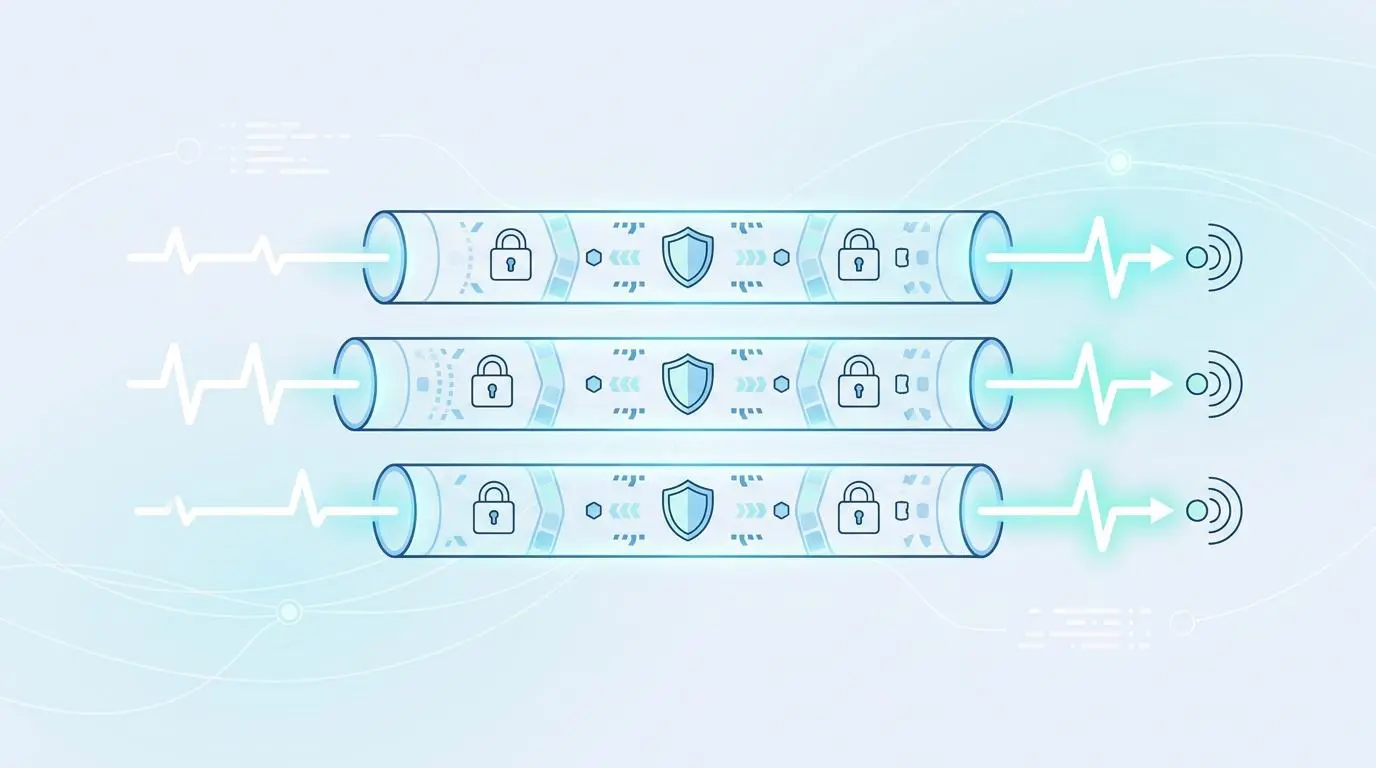
Legacy dispatch signals sent over unencrypted networks were a massive liability. They remained highly vulnerable to man-in-the-middle attacks that could easily expose armored truck locations and schedules to hijackers.
The transition to PCI DSS 4.0 fundamentally changes this landscape by mandating real-time vulnerability scanning. It also requires strict multi-factor authentication for any remote ATM management interface.
Modern dispatch triggers are now secured via end-to-end encrypted tunnels using advanced network management platforms. This military-grade encryption ensures that transport routes remain completely invisible to bad actors.
Data Synchronization & Pipelines
Historically, latency in legacy cellular and satellite connections delayed low-cash alerts by up to 30 minutes. This lag frequently caused the closest armored truck to miss the optimal re-routing window entirely.
The comprehensive rollout of 5G integration allows for unprecedented high-density IoT device connectivity. ATMs can now transmit multi-vendor status packets every five seconds without overwhelming the network.
Modern platforms utilize AI-native workflows to process this massive influx of telemetry. They synchronize this granular data directly with fleet management systems to execute split-second routing decisions.
ROI & Time-Saving Metrics
Human dispatchers typically take 15 to 20 minutes to manually re-route a single vehicle during a service exception. This slow reaction time creates cascading delays across the entire regional transport grid.
Automated logistics orchestration platforms achieve this same complex re-routing in mere milliseconds. They instantly calculate traffic, fuel loads, and risk profiles to generate the perfect intercept path.
This automated dispatching reduces replenishment frequency by as much as 30% when paired with cash-recycling hardware. This profound shift significantly lowers the total cost of ownership for both bank-owned fleets and third-party logistics providers.
The Era of ATM Swarms
The industry is rapidly shifting toward an ATM-as-a-Service model that treats physical hardware as a fluid, shared resource. We are entering an era of ATM pooling where autonomous logistics swarms manage multi-bank cash networks seamlessly.
By integrating AI-driven forecasting with cash-recycling hardware, industry innovators have successfully reduced armored transport visits by 90% across retail fleets. This guarantees an unprecedented 99.9% uptime metric.
Navigating the intersection of technology, workflows, and operational efficiency requires a sharp strategy. To future-proof your business architecture and scale with precision, connect with Andres at Andres SEO Expert.
Frequently Asked Questions
What is the milk-run trap in ATM logistics?
The milk-run trap is a legacy logistics model where armored trucks follow static, pre-scheduled routes regardless of actual cash levels. This reactive approach leads to significant capital waste, unnecessary fuel consumption, and higher operational costs compared to modern predictive dispatch models.
How much can banks save by implementing predictive ATM cash orchestration?
Banks utilizing AI-driven predictive analytics can see a 15% reduction in overall operational costs. When paired with cash-recycling technology, these systems can cut per-machine cash handling costs by up to 40% and reduce armored truck replenishment frequency by 30%.
How do cash-recycling ATMs reduce armored transport visits?
Cash-recycling ATMs function as autonomous micro-vaults that reuse deposited banknotes for future withdrawals. By allowing the machine to self-fund its withdrawal cycles, the need for external cash replenishment is dramatically decreased, sometimes reducing armored transport visits by up to 90% in retail environments.
How does AI integration improve ATM uptime during local events?
Cognitive AI agents ingest external data signals such as weather forecasts, local concert schedules, and holiday traffic to predict withdrawal surges. Platforms like MorphisACM use this data to dynamically reroute armored trucks to high-demand zones before a machine runs dry, maintaining a 99.9% uptime metric.
What role does 5G play in automated ATM dispatching?
5G provides the high-density IoT connectivity required to transmit multi-vendor status packets every five seconds. This low-latency data stream allows orchestration platforms to process telemetry in real-time, executing complex rerouting decisions in milliseconds rather than the 20 minutes typically required for manual human dispatch.
How does PCI DSS 4.0 impact ATM dispatch security?
The transition to PCI DSS 4.0 mandates real-time vulnerability scanning and strict multi-factor authentication for remote management. Modern dispatch systems now use end-to-end encrypted tunnels to ensure that armored truck locations and replenishment schedules remain invisible to potential hijackers.