



Key Points
- Atomic Content Engineering: Transition from fragmented long-form text to structured 134-167 word citation blocks to align with Perplexity and Google AIO retrieval parameters.
- Decentralized Authority Mapping: Leverage third-party nodes and external validations to bypass LLM truthfulness filters, boosting citation likelihood by a factor of 6.5x.
- Agentic Schema Deployment: Prepare for the 2027 shift toward Deterministic Agentic SEO by implementing API-first action schemas that enable autonomous LLM execution.
Table of Contents
- The Silent Collapse of Traditional Organic Visibility
- Quantifying the Disconnect Between Ranking and Retrieval
- Architecting Atomic Units for AI Overviews
- Decentralizing Authority Through Third-Party Nodes
- Mapping Prompt-Shaped Demand and Query Fan-Out
- Securing Share of Model Against Hallucinated Sentiment
- The Shift to Deterministic Agentic SEO
The Silent Collapse of Traditional Organic Visibility
Eighty-eight percent of businesses are currently invisible to ChatGPT summaries, despite holding standard SEO rankings across major search engines. This is the brutal reality of the visibility gap in modern search architecture.
High-ranking organic pages are systematically bypassed by Retrieval-Augmented Generation systems because they lack semantic completeness. Furthermore, these legacy pages often fail to provide the secondary-source verification that modern algorithms demand.
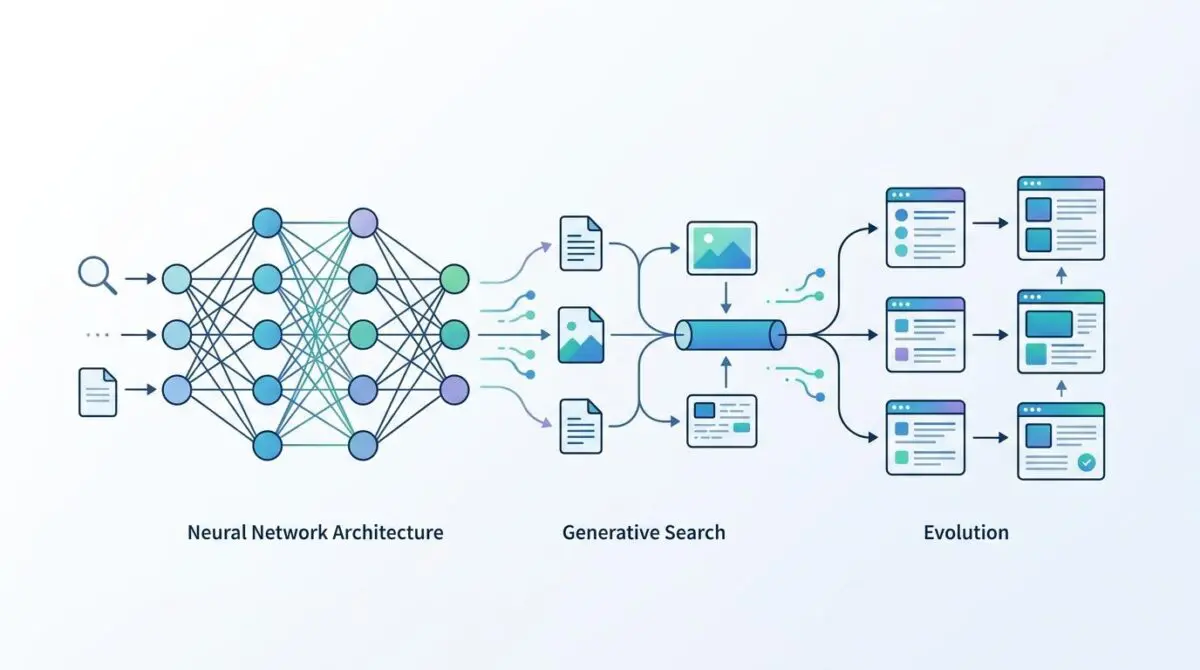
To bridge this catastrophic gap, technical teams must shift their architectural focus entirely to LLM Citation Graph Modeling. Think of this process as engineering a semantic nervous system for your brand across the web.
Every node in this system must be verified, structured, and mathematically primed for frictionless AI ingestion.
When an LLM processes a query, it does not crawl web pages in real-time like a traditional spider. Instead, it queries a vector database to retrieve embeddings that map closest to the user’s intent.
If your content is not structured to feed these vector databases efficiently, your brand simply ceases to exist in the generative ecosystem. We must rebuild our entire approach to digital presence from the ground up.
Quantifying the Disconnect Between Ranking and Retrieval
The era of celebrating a top organic position is officially over for technical marketers. We are seeing a massive disconnect between traditional ranking signals and the selection logic used by generative engines.
Traditional SERP dominance provides a false sense of security in the age of generative retrieval.
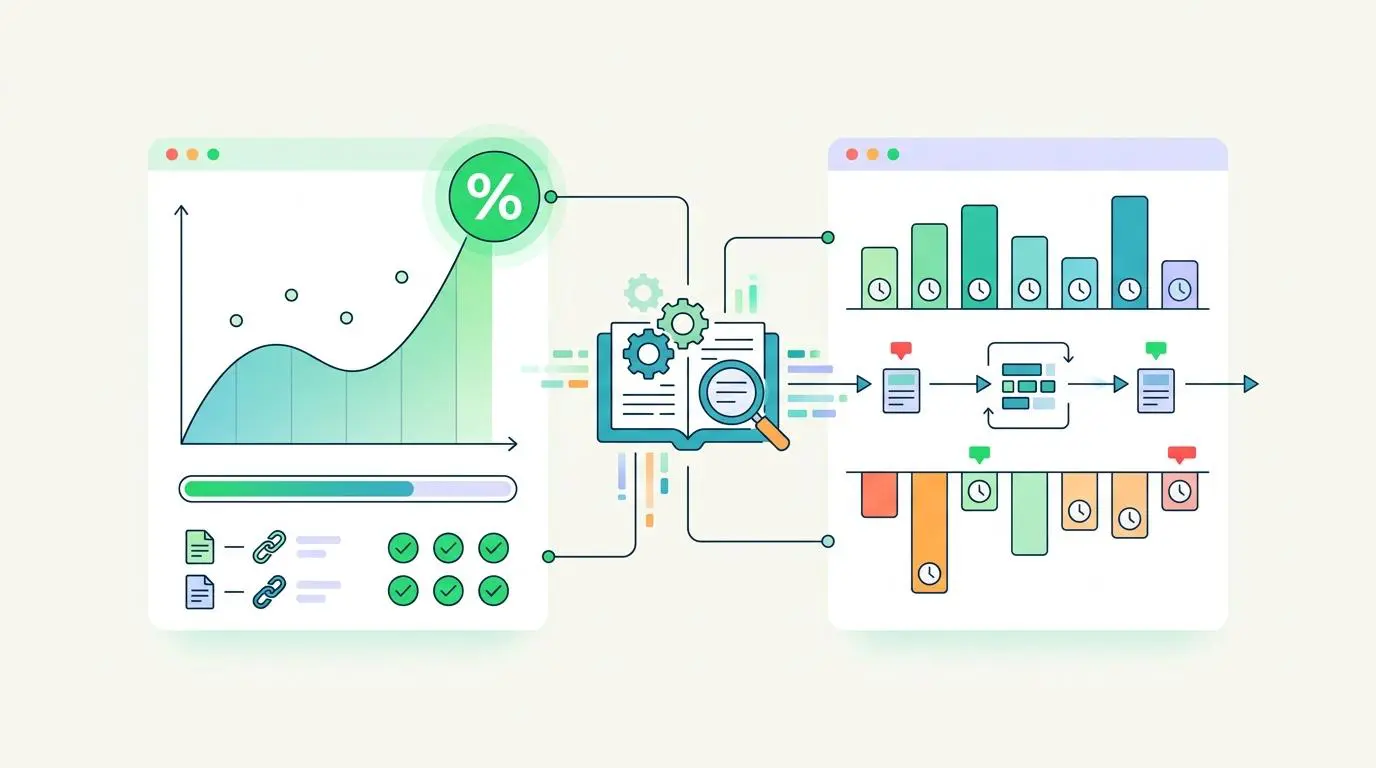
- Position #1 Citation Decay: According to The Digital Bloom’s March 2026 report, occupying the top organic position on Google only guarantees a 33.07% chance of being the primary citation in an AI Overview.
- Average LLM Indexing Velocity: Research published by Profound in May 2026 found that 50% of high-authority technical content is cited by ChatGPT and Claude within just 6.81 days of publication.
This rapid indexing velocity is a stark contrast to traditional organic index-to-rank cycles that often took months. To truly understand this paradigm shift, you must analyze the Ahrefs research on AI Overview citation overlap.
This research proves that traditional SERP metrics do not translate to RAG visibility. The rules of retrieval have fundamentally changed.
Furthermore, a 2026 audit by The Digital Bloom discovered a massive citation loophole regarding content freshness. Content updated within the last 90 days is 67% more likely to be cited by ChatGPT Search than older content.
This occurs even if the older content holds 40% higher traditional domain authority. Temporal relevance is now a primary weighting factor for LLM retrieval over legacy backlink profiles.
Architecting Atomic Units for AI Overviews
Traditional long-form content is often too fragmented for LLM context windows to process efficiently. When an AI attempts to extract answers from a sprawling five-thousand-word guide, the grounding signals often degrade.
Optimization now requires engineering atomic content units that can be ingested seamlessly.
By May 2026, Google AI Overviews appear in 65% of question-based searches, demanding a new structural approach. Perplexity’s Pro Search API actively prioritizes what are known as citation blocks in its retrieval pipeline.
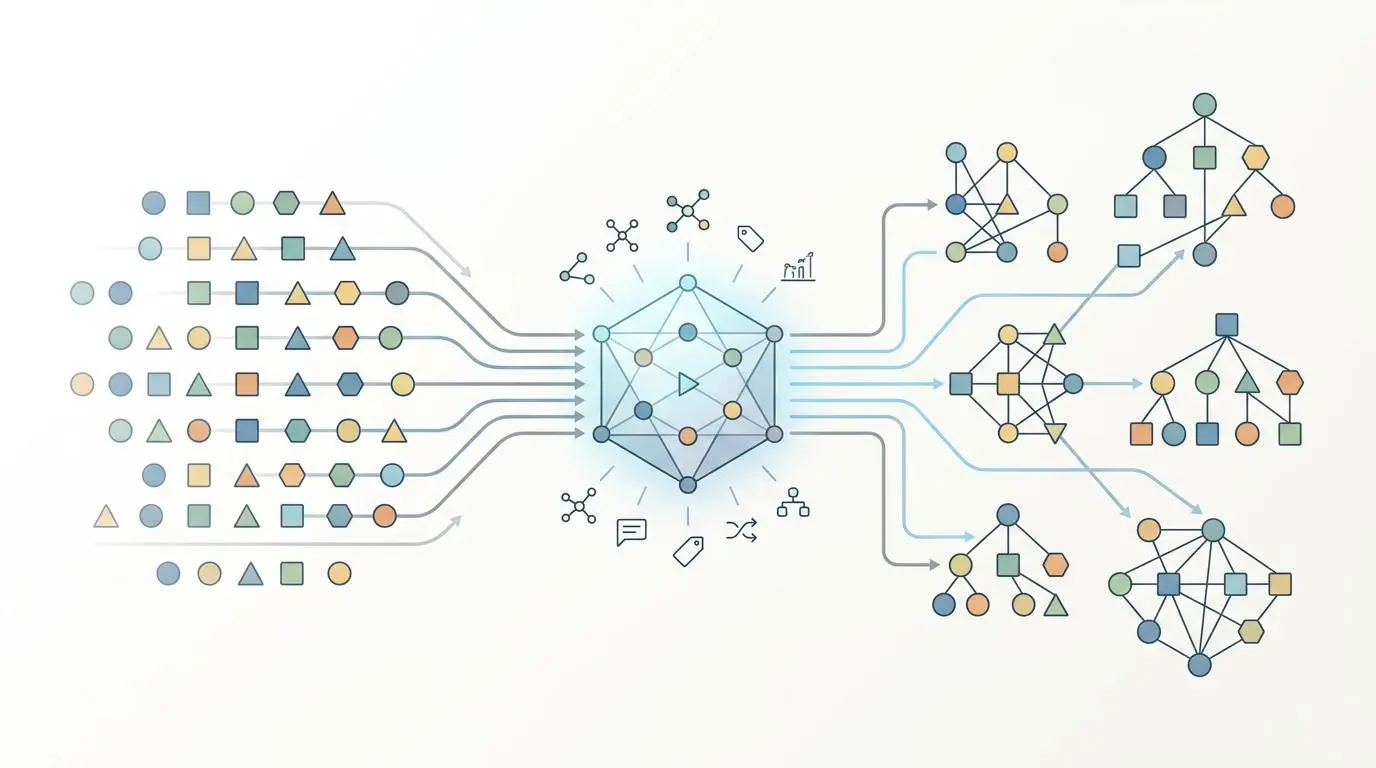
These are structured, highly dense 134 to 167 word units that offer exceptionally high semantic completeness scores.
Data shows that these specific blocks have an r=0.87 correlation with citation selection in generative responses. To optimize for this, engineering teams must break down monolithic articles into modular, self-contained semantic units.
Each unit must answer a specific entity-relationship query without requiring the LLM to parse surrounding fluff.
Decentralizing Authority Through Third-Party Nodes
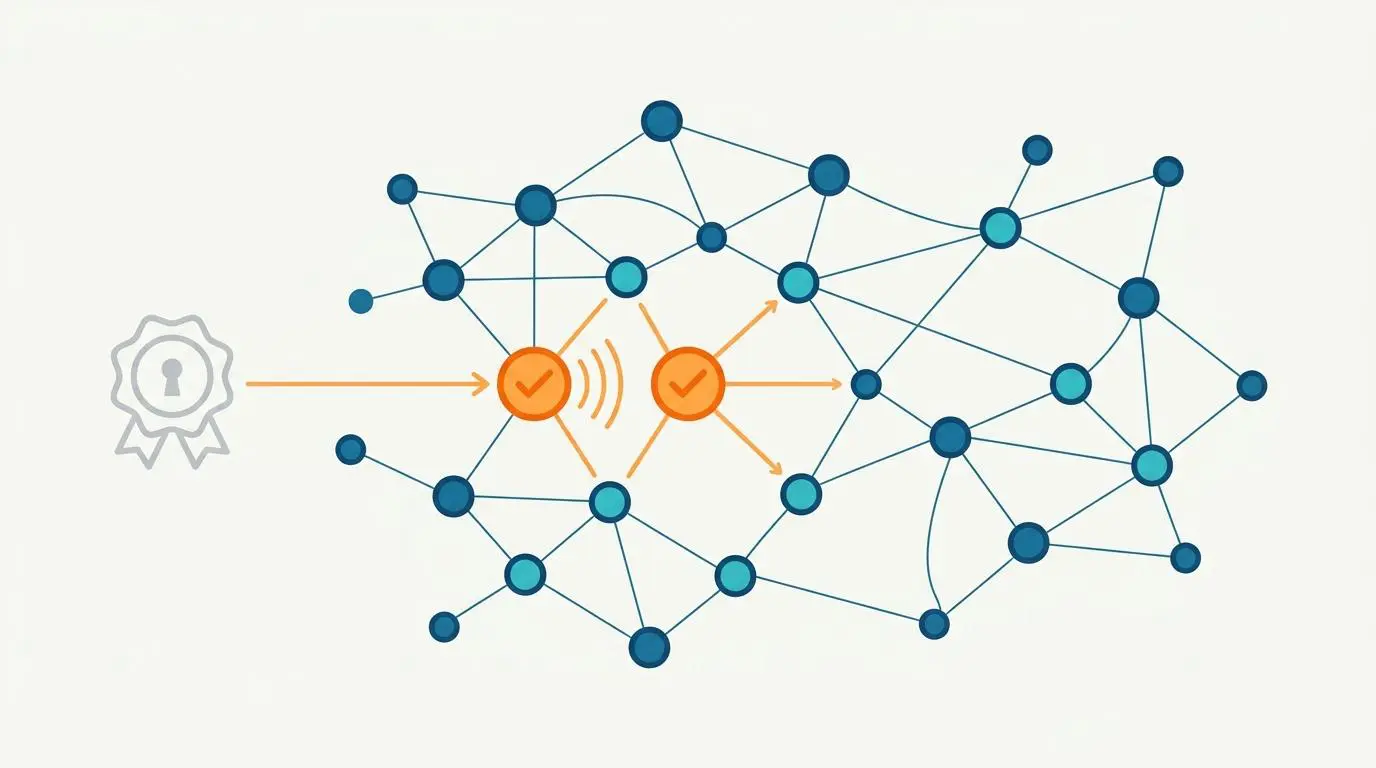
Direct brand self-promotion is actively being suppressed by modern LLM truthfulness filters. These filters act as a digital immune system, rejecting unsubstantiated claims published directly on a corporate domain.
Architects must now automate the distribution of authority signals across a decentralized node network.
You cannot simply publish a technical whitepaper and expect an AI to trust it without external validation. The Third-Party Advantage data from Airops in March 2026 highlights this architectural shift perfectly.
Brands are 6.5x more likely to be cited in LLM responses via external mentions than through their own direct domain content.
These external mentions include highly trusted nodes like Reddit, niche developer forums, or verified industry review platforms. Your LLM Citation Graph Modeling strategy must map and influence these external verification nodes systematically.
By decentralizing your authority, you provide the consensus signals that RAG pipelines require to validate an entity.
Mapping Prompt-Shaped Demand and Query Fan-Out
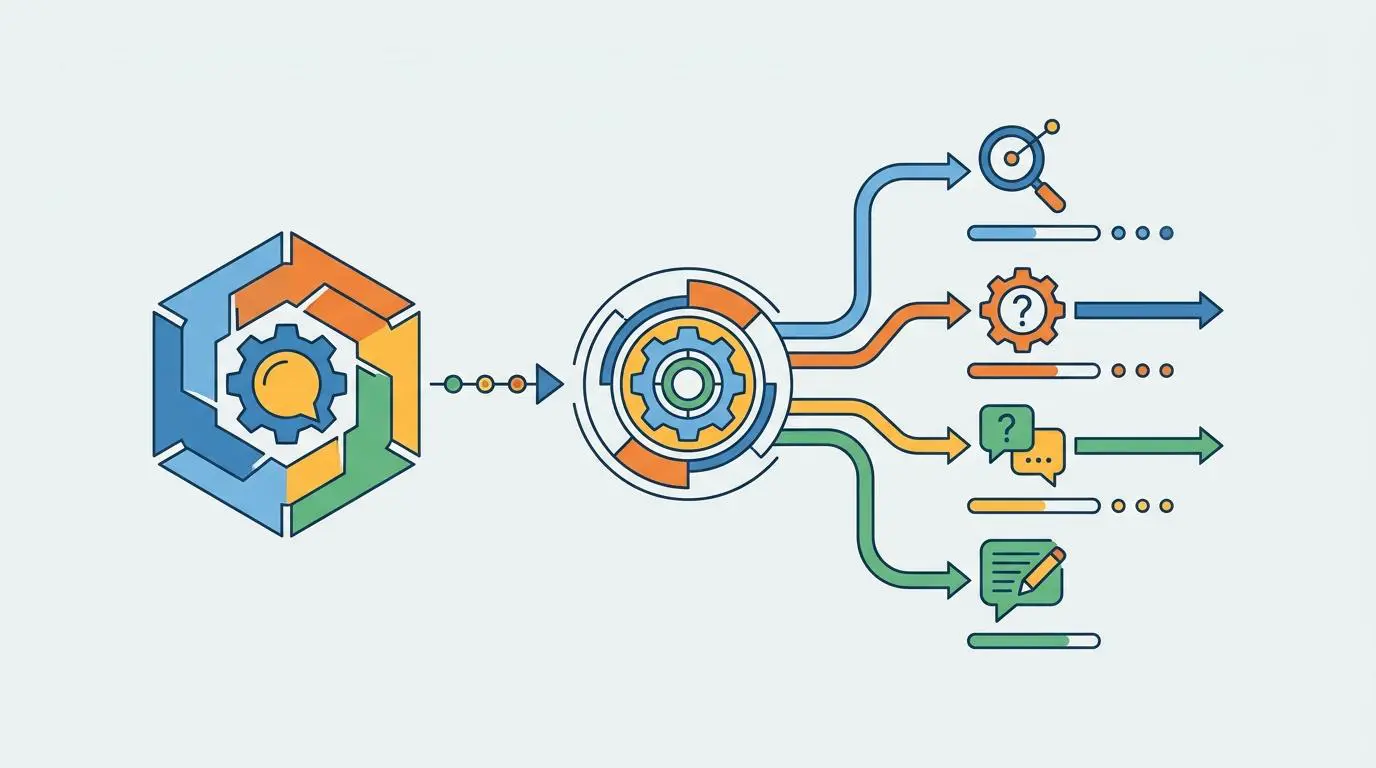
Keyword-based strategy fails entirely to capture the multi-turn intent paths that define modern AI search journeys. Search behavior has shifted heavily toward prompt-shaped demand, where users ask high-intent, multi-step scenarios.
A standard query is now complex, such as asking an AI to compare two enterprise platforms for a mid-size healthcare firm with strict compliance needs.
Because of this behavioral shift, traditional rank tracking is essentially obsolete and provides zero actionable intelligence. Tools like Arvow now track query fan-out patterns to map exactly how LLMs decompose single prompts into sub-queries.
This fan-out process is like a prism splitting a single user prompt into a spectrum of specific, micro-intent searches.
Understanding this fan-out is critical for structuring your semantic entity resolution across your digital properties. If your content only answers the primary prompt but fails to address the underlying sub-queries generated by the LLM, you will lose the citation.
You must map the entire conversational tree to ensure complete semantic coverage.
Securing Share of Model Against Hallucinated Sentiment
Share of Model has completely replaced Share of Voice as the primary visibility metric for 2026. Negative sentiment in an AI summary can instantly negate a top organic ranking, rendering your traditional SEO efforts useless.
Unfortunately, brands often lack the technical pipelines to detect these automated reputation shifts in real-time.
A single hallucinated bias from an LLM can tank a product’s search viability overnight without warning. Platforms like SE Ranking’s AI Visibility Tracker now use advanced sentiment-analysis APIs to monitor zero-click summaries.
These tools determine if brands are being actively recommended or cautioned against by the generative engine.
To build this monitoring capability internally, engineering teams must review official API documentation to construct automated alerts. Real-time sentiment detection is no longer optional for enterprise marketing teams.
It is a foundational layer of LLM Citation Graph Modeling that protects brand equity in an automated world.
The Shift to Deterministic Agentic SEO
By 2027, Generative Engine Optimization will evolve into Deterministic Agentic SEO, fundamentally altering digital commerce. The industry is shifting rapidly from optimizing for passive LLM citation to optimizing directly for autonomous agent action.
Websites will move away from human-readable HTML toward API-first action schemas using universal standards like OpenAgent.
This evolution allows AI agents to not just summarize content, but autonomously execute purchases and bookings directly within the search interface. Brands that fail to implement these execution schemas will be left behind as search becomes entirely transactional.
The future belongs to platforms that can seamlessly integrate their APIs with external generative agents.
Navigating the intersection of Generative Engine Optimization, AI Search architecture, and workflow automation requires a sharp strategy. To future-proof your brand’s visibility in LLMs and scale with precision, connect with Andres at Andres SEO Expert.
Frequently Asked Questions
Why do high-ranking organic pages often fail to appear in AI Overviews?
Despite ranking well in traditional search, 88% of businesses remain invisible to AI summaries because they lack semantic completeness. Retrieval-Augmented Generation (RAG) systems prioritize content structured for vector databases and secondary-source verification over traditional keyword signals.
What is the significance of the 90-day content freshness rule for LLMs?
Temporal relevance is now a primary weighting factor for AI retrieval. Content updated within the last 90 days is 67% more likely to be cited by generative search engines like ChatGPT, even if older pages possess 40% higher traditional domain authority.
How do atomic content units improve AI citation rates?
Atomic content units are modular, self-contained blocks of 134 to 167 words designed for frictionless ingestion into LLM context windows. These units address specific entity-relationship queries and have an r=0.87 correlation with citation selection in AI responses.
Why is third-party decentralization critical for brand visibility in AI search?
LLM truthfulness filters often suppress direct corporate self-promotion to avoid bias. Brands are 6.5x more likely to be cited in generative responses when mentioned by external, trusted nodes like Reddit or verified industry forums that provide the consensus signals RAG pipelines require.
What is Share of Model (SoM) and why has it replaced Share of Voice?
Share of Model measures visibility and sentiment within generative responses. Unlike Share of Voice, it uses sentiment-analysis APIs to monitor whether an LLM is actively recommending or cautioning against a brand, protecting brand equity against hallucinated biases.
What is the future of Deterministic Agentic SEO?
Deterministic Agentic SEO shifts the focus from passive citations to autonomous agent actions. By implementing API-first action schemas and universal standards like OpenAgent, brands allow AI agents to execute purchases and bookings directly within search interfaces.