



Key Points
- Shadow Endpoint Mitigation: Centralized management eliminates documentation debt and secures untracked APIs that bypass traditional perimeter defenses.
- AI Agent Governance: Modern gateways utilize LLM-as-a-Judge frameworks to restrict token consumption and govern the massive influx of non-human traffic.
- Utility Monetization: Enterprises are shifting to hybrid overage models to protect infrastructure while capturing the full financial value of their data exchange.
Table of Contents
The Invisible Chaos of Modern Software
Picture your enterprise software ecosystem as a bustling metropolis where someone forgot to install traffic lights. Every day, hundreds of digital messengers sprint between your internal servers, external databases, and third-party applications. These messengers are your application programming interfaces, carrying your most sensitive customer data across the web.
As your business scales, this invisible traffic multiplies exponentially until no human knows exactly where the data flows. Developers begin building duplicate services simply because they cannot locate the original ones. This is the exact moment when deploying the best API management platforms transitions from a luxury to an operational necessity.
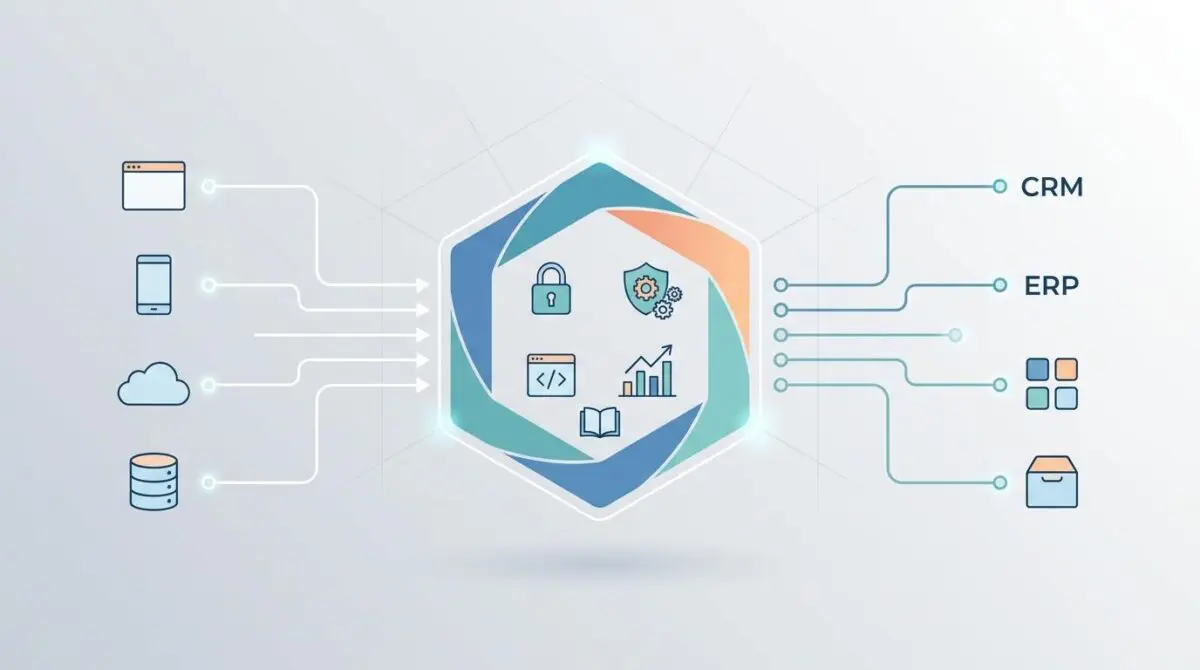
These platforms act as the central nervous system for your entire software infrastructure. They provide the missing traffic lights, toll booths, and security checkpoints required to keep data flowing smoothly. Without them, you are essentially flying blind in a hurricane of automated requests while hoping your perimeter defenses hold up.
The Numbers Behind the Sprawl
Market Intelligence & Data
API Incident Rate
According to the 2026 Akamai API Security Impact Study, nearly 9 in 10 global organizations suffered an API-related security breach within the last year.
Market Valuation 2026
Mordor Intelligence reports that the global API Management market size has reached $10.32 billion in 2026, driven by a 16.45% CAGR.
Non-Human Traffic
TechBlocks’ 2026 Enterprise Strategy report projects that 80% of all API traffic is now generated by AI agents and IoT devices rather than human users.
Average APIs per Firm
Research from Orbilon Technologies in 2026 indicates that the average enterprise now manages 354 distinct APIs, a 77% increase in complexity since 2024.
The sheer volume of security breaches targeting application programming interfaces is staggering. This nearly 90% failure rate highlights a massive vulnerability in how modern enterprises handle data exchange. It proves that traditional perimeter defenses remain completely blind to the sophisticated ways attackers exploit undocumented endpoints.
As a direct response to these vulnerabilities, infrastructure investments are skyrocketing across every major industry. It is no surprise that the global API Management market size has reached $10.32 billion as companies scramble to regain control. This financial surge reflects a fundamental shift from viewing APIs as simple developer tools to recognizing them as critical business assets.
The nature of who or what is actually consuming your data has fundamentally changed in recent years. A staggering 80% of traffic is now generated by autonomous systems, IoT devices, and AI agents rather than human users. This reality perfectly aligns with a recent 2026 Salt Security report revealing that 66% of organizations saw API growth exceed 50% in just twelve months.
Managing this explosive growth creates unprecedented architectural complexity for engineering teams. The average enterprise now juggles over 350 distinct APIs, leading to severe documentation debt and operational friction. When developers spend more time hunting down existing services than building new ones, innovation grinds to an absolute halt.
Unmasking Shadow Endpoints
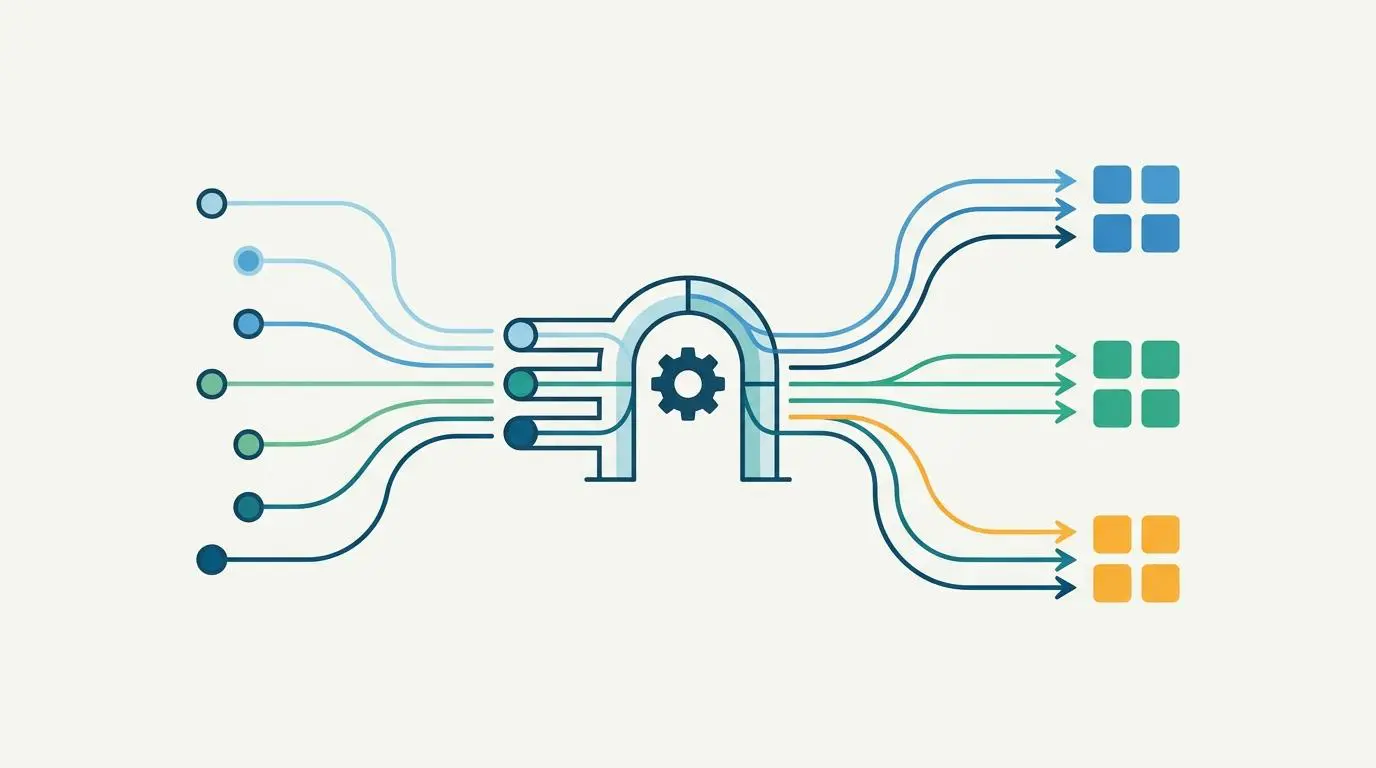
Enterprises today are drowning in what the industry calls shadow APIs. These are untracked, undocumented, or entirely forgotten endpoints that bypass standard security protocols. Because they operate outside the purview of the central IT team, they represent a massive blind spot in the corporate attack surface.
Recent data shows that over half of modern enterprises lack full visibility into their own data flows. This creates a mountain of documentation debt where developers simply cannot find or trust existing services. Instead of reusing perfectly good code, they build redundant endpoints that further compound the architectural chaos.
This redundancy has caused architectural complexity to spike by 77% over the last two years alone. Developers spend their most valuable hours rediscovering and patching old connections instead of shipping revenue-generating features. A centralized management platform eliminates this friction by automatically discovering and cataloging every single endpoint on the network.
The Maître d’ of the Internet
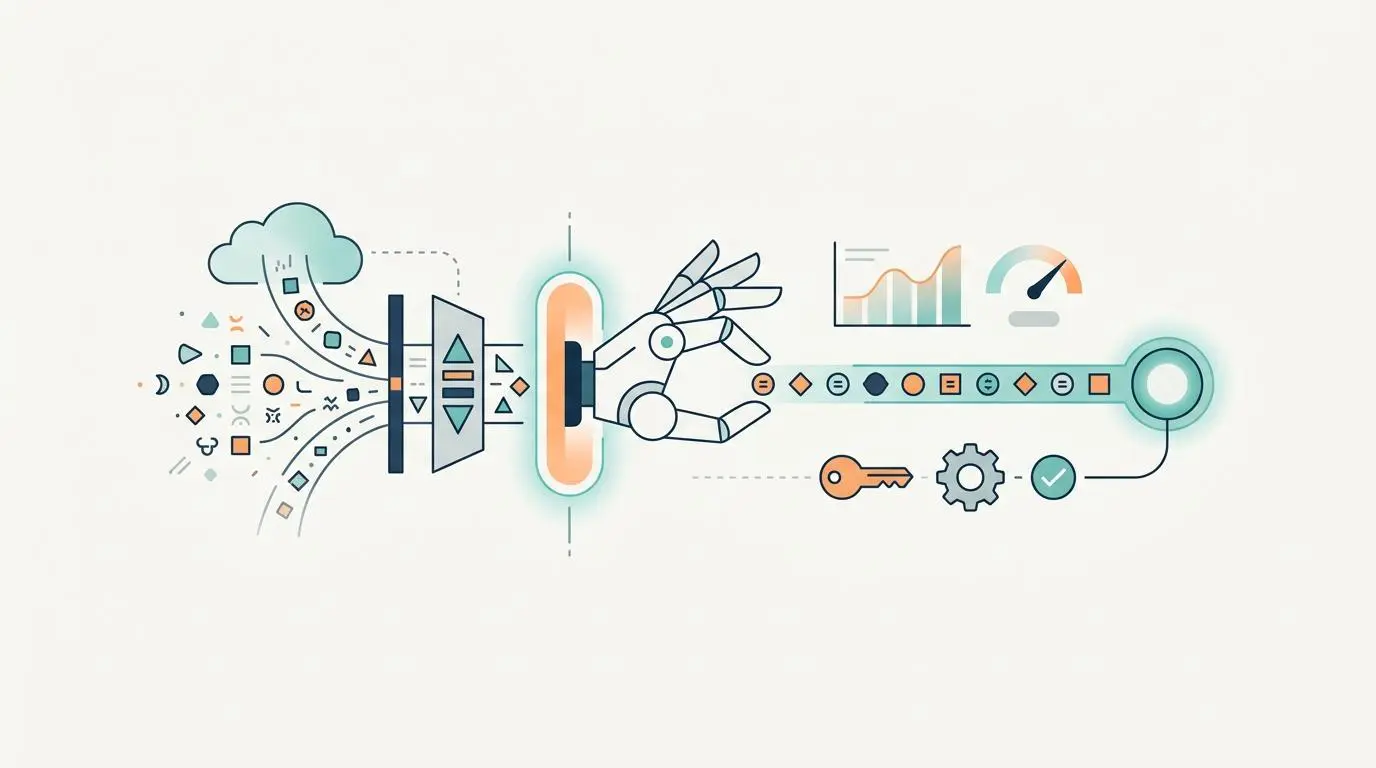
To truly understand this technology, think of an API as a waiter taking orders from customers and delivering them to the kitchen. In this scenario, the API management platform acts as the Maître d’. It controls the flow of the room, dictates who gets seated, and ensures the kitchen is never overwhelmed by too many orders at once.
Now imagine that the restaurant has thousands of waiters, and the vast majority of them are high-speed robots. Without a strict Maître d’ at the front door, these robots would immediately flood the kitchen. They might order too much food, walk into restricted areas uninvited, or completely forget to charge the customers for their meals.
Unmanaged endpoints create this exact brand of chaos within a corporate network. It is the digital equivalent of a restaurant operating without a seating plan or a ledger. Security breaches occur simply because these automated waiters hand out sensitive recipes to anyone who asks without any oversight.
Governing the AI Agent Surge
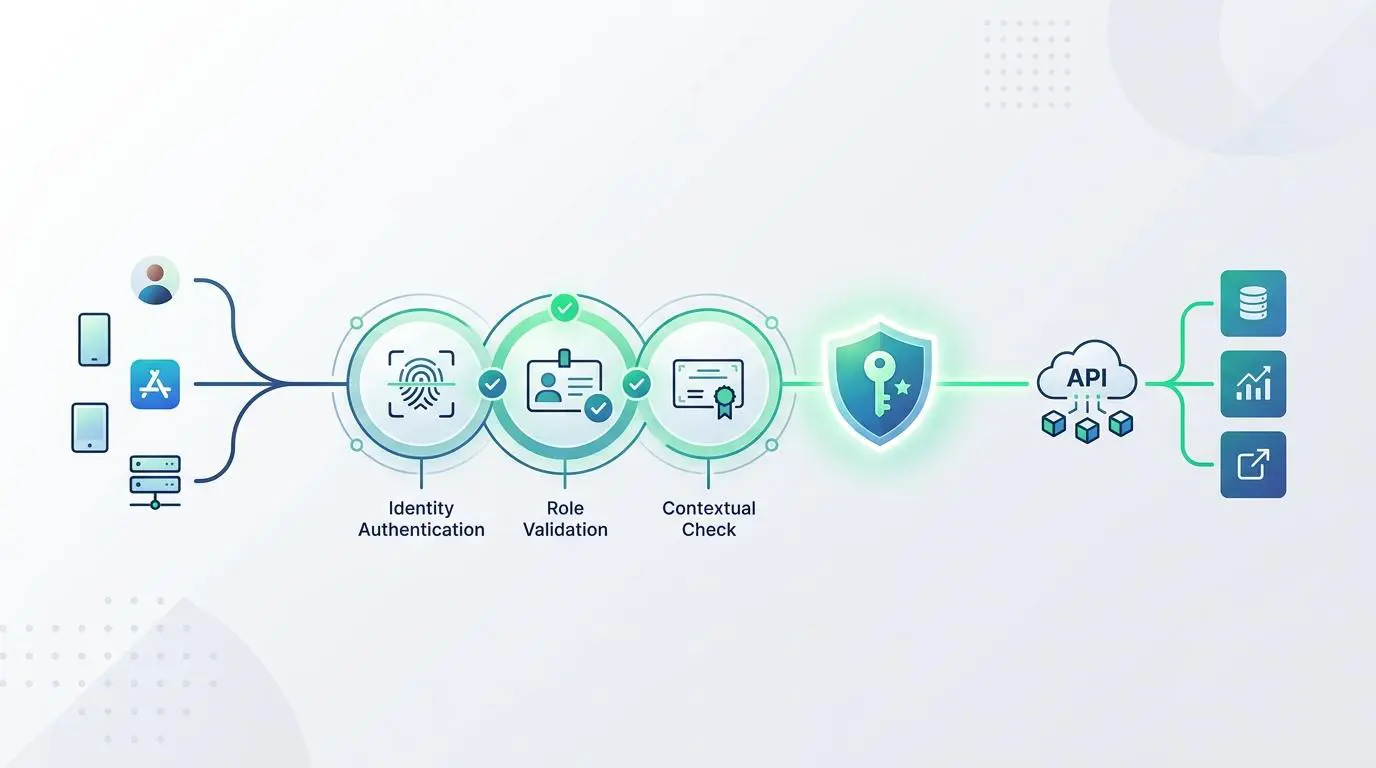
The rapid rise of generative AI has completely broken traditional traffic monitoring tools. Platforms like Azure API Management recently introduced AI gateway capabilities specifically designed to govern token usage. These gateways are built to monitor and restrict agent-to-agent interactions before they consume massive amounts of compute power.
Traditional gateways were only designed to count basic HTTP requests. They are entirely incapable of stopping a rogue AI agent from running a recursive loop and spending thousands of dollars in tokens in a single afternoon. This is why specialized AI governance features are no longer optional for modern software teams.
Innovative tools like Zuplo and Kong now offer frameworks that act as an automated judge for AI traffic. These systems automatically assess the safety, reliability, and cost of an AI agent’s request before allowing it to access production databases. This ensures that autonomous workflows remain profitable and secure.
Zero Trust in the Integration Age
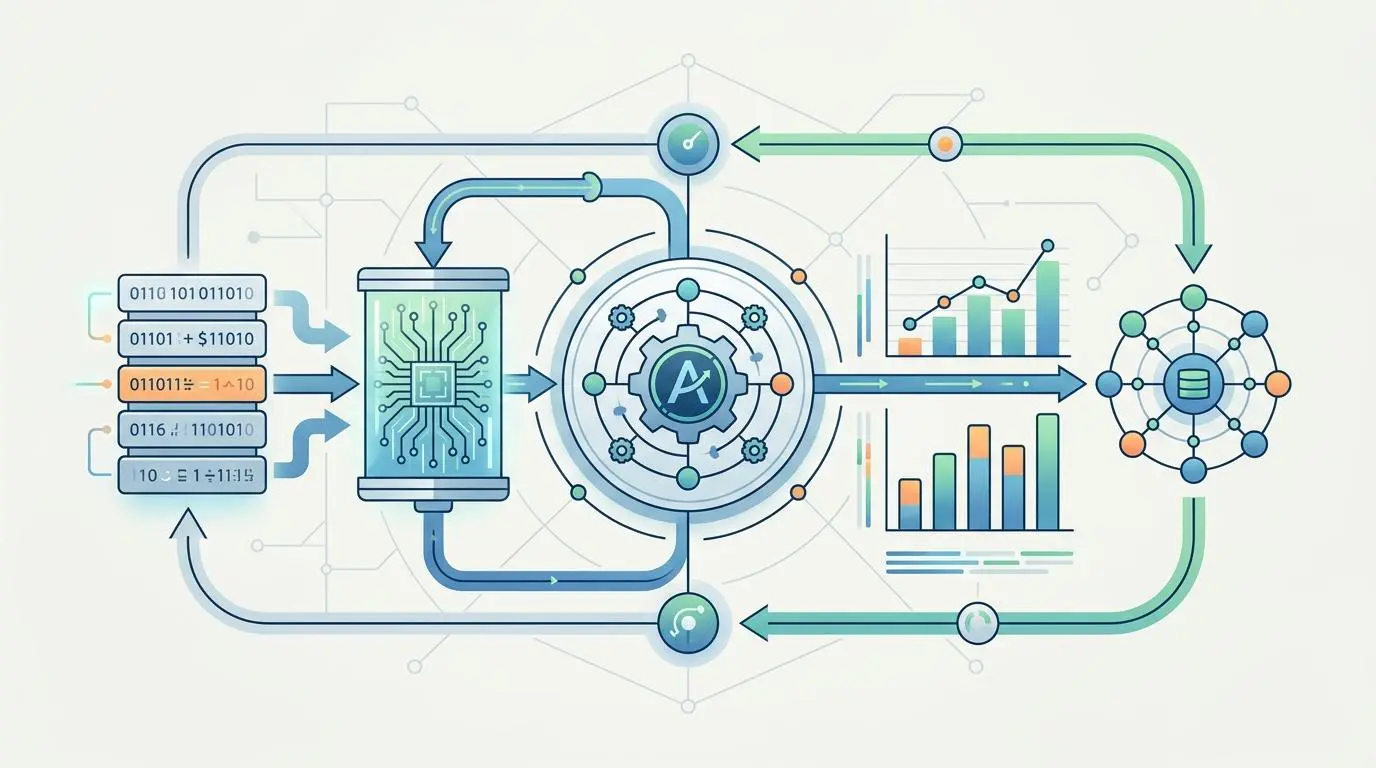
The old castle-and-moat approach to cybersecurity is officially dead. You can no longer assume that traffic is safe just because it originates from inside your corporate network. Modern platforms have shifted entirely to Zero Trust models where every single data call is treated as a potential threat and verified in real-time.
This shift is driven by the fact that nearly 80% of current cyberattacks now target the OWASP API Security Top 10 vulnerabilities directly. Hackers are no longer trying to break through the front door of the website. They are exploiting poorly configured backend connections to siphon data quietly.
By enforcing strict authentication policies at the gateway level, companies can instantly neutralize these threats. A Zero Trust architecture ensures that even if an attacker compromises an internal system, they cannot move laterally across the network to access sensitive databases.
Monetizing the Digital Utility
Data exchange is no longer just a technical requirement; it is a massive revenue stream. The API economy has reached a staggering valuation driven by companies realizing they can package and sell their internal data. However, monetization has shifted from simple flat-rate usage fees to highly complex utility models.
Pioneers like Stripe and Twilio have proven that hybrid overage models are the most effective way to scale. These models protect backend infrastructure from being overwhelmed while maximizing the return on investment for heavy users. They allow businesses to charge precisely for the value delivered rather than just the bandwidth consumed.
Without a robust management platform, companies lose millions of dollars annually. They fail to accurately track and bill for value-added calls that were previously treated as free internal services. Implementing strict metering and billing at the gateway level instantly plugs these revenue leaks.
Autonomous Ecosystems
As we look toward the immediate future, the industry is rapidly shifting toward autonomous governance. Platforms like Gravitee and Axway are evolving to manage far more than standard REST protocols. They are being re-engineered to handle complex agentic workflows where AI models negotiate their own data contracts.
In these modern ecosystems, software agents request permissions and establish connections without any human intervention. This eliminates the massive bottleneck of manual IT provisioning. However, it requires a gateway intelligent enough to enforce corporate compliance rules autonomously.
The biggest hurdle remaining is the integration reality gap. The vast majority of IT leaders report that legacy system integrations are the primary roadblock preventing full-scale AI adoption. Modern management platforms act as the translation layer, allowing futuristic AI agents to communicate seamlessly with decades-old legacy databases.
The Self-Healing Horizon
By the end of 2026, the software industry will fully embrace self-healing ecosystems. We will see AI agents automatically detecting breaking changes in downstream services and updating the orchestration logic in the gateway on the fly. This means documentation will regenerate itself without a single developer ticket ever being filed.
This level of automation will fundamentally change how engineering teams operate. Instead of constantly patching broken connections, developers will focus entirely on building new digital products. The gateway will handle the maintenance, the security, and the scaling completely in the background.
Navigating the intersection of modern technology, software architecture, and business growth requires a sharp strategy. To future-proof your tech stack and scale with precision, connect with Andres at Andres SEO Expert.
Frequently Asked Questions
What is API Management and why is it essential for modern enterprises?
API Management acts as a central nervous system for software infrastructure, providing necessary governance, security, and visibility. It is essential because it prevents architectural chaos, manages the explosive growth of digital messengers carrying sensitive data, and ensures that developers can find and reuse existing services rather than creating redundant endpoints.
What are shadow APIs and what risks do they pose to cybersecurity?
Shadow APIs are untracked, undocumented, or forgotten endpoints that bypass standard security protocols. They pose a massive risk by creating blind spots in the corporate attack surface, contributing to a 77% increase in architectural complexity and making organizations vulnerable to sophisticated exploits targeting unmonitored data flows.
How do AI Gateways differ from traditional API management tools?
Traditional gateways are primarily designed to count basic HTTP requests, whereas AI Gateways include specific capabilities to govern token usage and monitor agent-to-agent interactions. They act as an automated judge to prevent rogue AI agents from running recursive loops and consuming excessive compute power or budget.
Why is a Zero Trust architecture necessary for API security?
With nearly 90% of global organizations suffering API-related breaches, traditional perimeter defenses are no longer sufficient. A Zero Trust model treats every data call as a potential threat, requiring real-time verification for every interaction to neutralize OWASP API Security vulnerabilities and prevent attackers from moving laterally across a network.
How has API traffic changed with the rise of AI and IoT?
As of 2026, the nature of data consumption has shifted significantly, with 80% of all API traffic now generated by autonomous systems, IoT devices, and AI agents rather than human users. This shift requires more robust management platforms capable of handling high-speed, automated requests without overwhelming backend infrastructure.
What is a self-healing API ecosystem?
A self-healing API ecosystem uses advanced automation and AI to detect breaking changes in downstream services and automatically update orchestration logic in the gateway. This eliminates the need for manual developer intervention, allowing documentation and security patches to regenerate themselves in the background.