Key Points
- Real-Time Logging: Integrating feedback directly into daily workflows eliminates managerial recency bias and saves significant administrative time.
- AI-Assisted Summarization: Generative AI effectively synthesizes complex peer feedback into actionable coaching themes without overwhelming leadership.
- Predictive Talent Mapping: Future iterations of performance software will utilize agentic AI to simulate team configurations and address real-time skill gaps.
Table of Contents
- The Annual Appraisal Disconnect
- Quantifying the Feedback Economy
- Eradicating Managerial Recency Bias
- Taming Feedback Overload with Generative AI
- The Hidden ROI of Continuous Alignment
- Nudge UX and the End of Clunky Portals
- Engineering Psychological Safety
- Predictive Talent Orchestration for 2026
- The Future of Agile Talent Development
The Annual Appraisal Disconnect
Picture this: it is mid-December, and a stressed manager stares at a blank evaluation form, desperately trying to recall what a key engineer accomplished in February. This scenario plays out globally, highlighting a massive operational failure known as the annual appraisal lag. By the time feedback is delivered, the context is entirely irrelevant to the employee’s current projects.
The data paints a grim picture of this outdated ritual. Projections for 2026 indicate that 63 percent of employees feel traditional reviews completely fail to reflect their actual daily contributions. This creates a dangerous disconnect between everyday effort and overarching executive strategy.
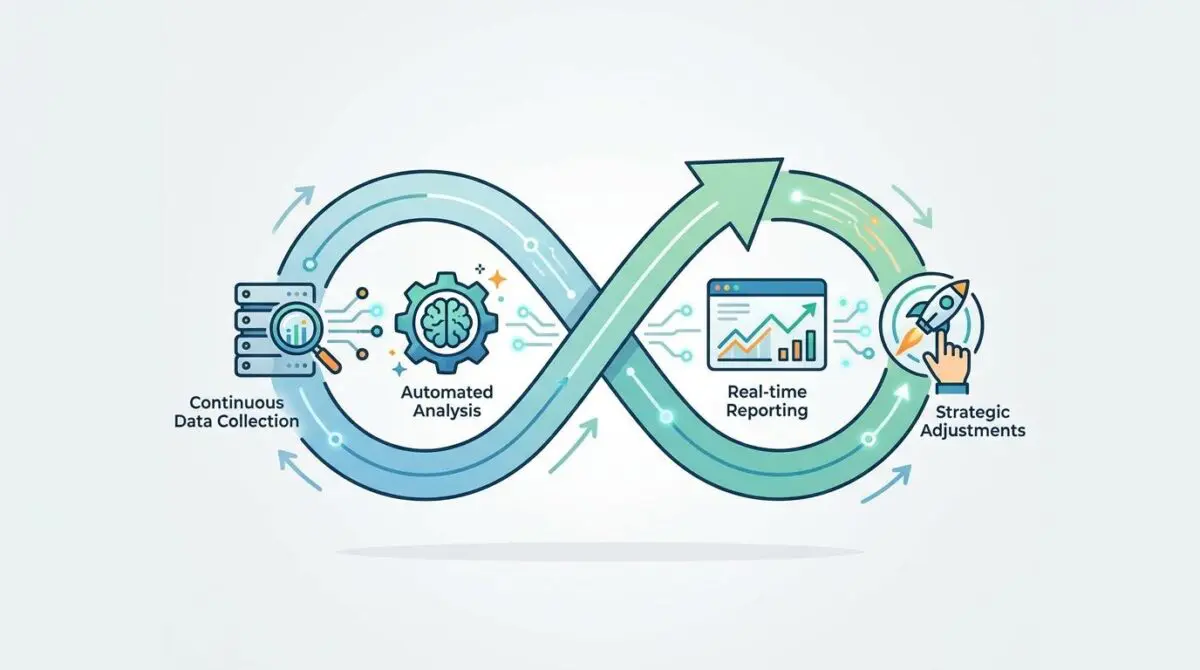
To modernize this broken workflow, organizations are rapidly adopting AI-driven continuous performance management platforms. These intelligent systems replace static, once-a-year interrogations with fluid, real-time coaching loops. By embedding performance tracking into everyday tools, these platforms secure vital talent data and scale operational efficiency.
Quantifying the Feedback Economy
Market Intelligence & Data
2026 Market Valuation
The global continuous performance management software market is projected to reach this value in 2026, representing a steady 12.5% CAGR according to Straits Research.
AI Adoption in Reviews
According to a 2026 General Assembly survey of senior leaders, nearly half of all organizations are now factoring AI-generated data into formal performance evaluations.
Managerial Time Savings
A 2026 Gartner HR report found that managers save an average of four hours per review cycle when using AI to assist in feedback aggregation and drafting.
Communication Improvement
Three-quarters of employees report that modern CPM software creates an environment where difficult conversations are conducted more easily, per 2026 Straits Research data.
The projected USD 2.97 billion valuation of the continuous performance management market by 2026 represents a fundamental shift in talent architecture. This steady 12.5 percent compound annual growth rate indicates that legacy HR systems are being rapidly decommissioned. Capital is flowing directly into intelligent platforms that treat employee development as a daily operational metric.
As AI adoption in formal reviews reaches nearly 50 percent, algorithmic insights are transforming how leaders evaluate their teams. However, this automation comes with strict regulatory oversight, particularly as the EU AI Act classifies AI-based performance scoring as high-risk. Software providers must now implement human-in-the-loop audit logs to ensure automated feedback remains transparent and legally compliant.
The operational efficiency gained from these intelligent systems is staggering. Managers recover an average of four hours per review cycle by relying on algorithms to aggregate and draft initial feedback summaries. This massive recovery of administrative time allows leaders to pivot from data entry clerks back to their primary role as strategic team coaches.
Ultimately, the true value of these platforms lies in fostering better human connections. Continuous dialogue prevents the shock of unexpected negative reviews and builds a culture of psychological safety. This transparent environment directly impacts the bottom line, driving a massive profitability boost for teams with high engagement fueled by regular feedback.
Eradicating Managerial Recency Bias
Human memory is notoriously flawed when evaluating long-term performance. Managerial recency bias is a systemic issue where up to 90 percent of an employee’s annual achievements are forgotten by the formal review. Leaders naturally default to judging their team based on the last four weeks of work simply because those events are easiest to recall.
This manual tracking process is so inherently flawed that 59 percent of managers experience severe stress as review deadlines approach. The result is often rushed, low-quality feedback that frustrates top performers and damages team morale. Relying on memory and scattered sticky notes is a catastrophic way to manage human capital.
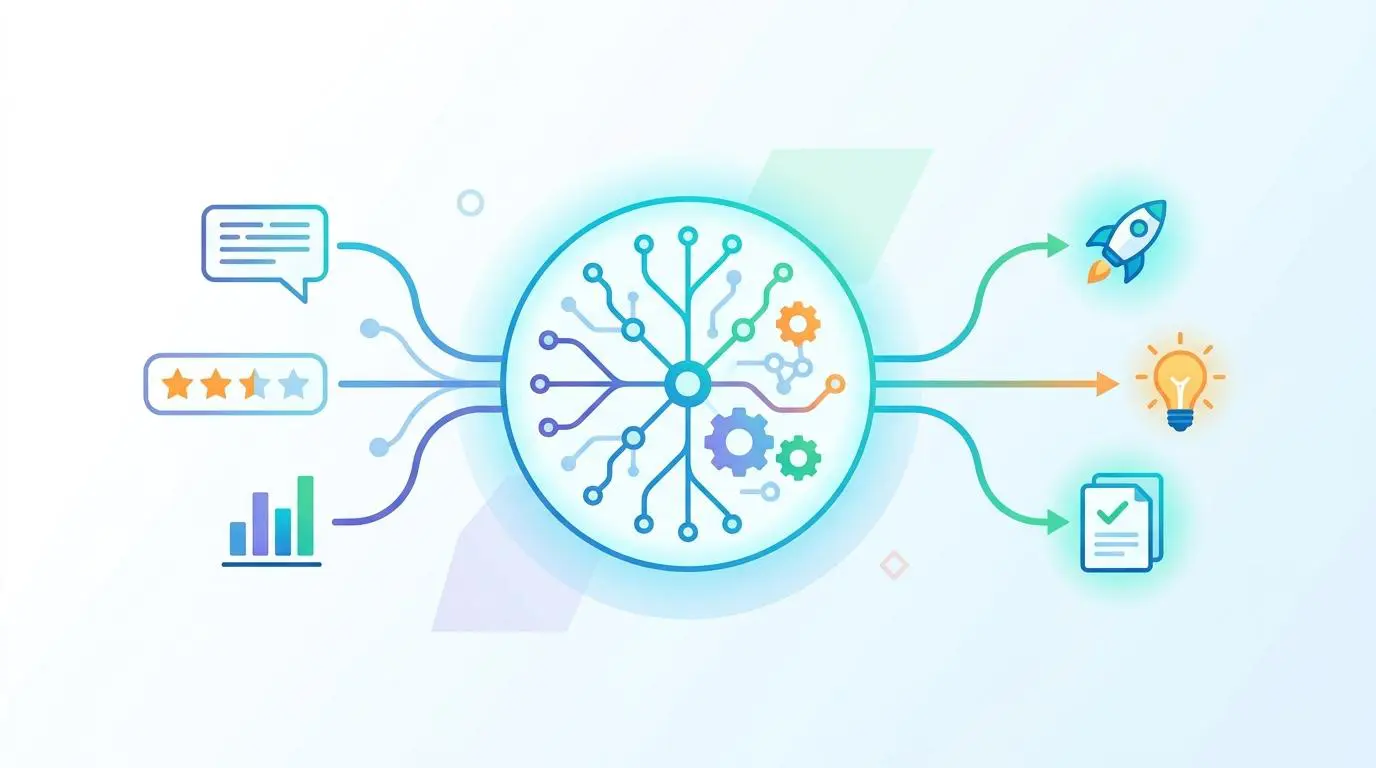
Continuous tools solve this architectural flaw by integrating directly into the daily digital workspace. By logging real-time wins through seamless communication integrations, these platforms create an immutable, timestamped ledger of achievements. When review time arrives, managers have a complete, objective dataset of the entire year.
Taming Feedback Overload with Generative AI
Gathering comprehensive 360-degree feedback is crucial for a fair evaluation, but it introduces a new logistical nightmare. Managers traditionally spend hours reading, interpreting, and reconciling conflicting peer reviews from dozens of cross-functional colleagues. This massive influx of unstructured data leads directly to severe information overload.
Without intelligent assistance, synthesizing this feedback into a cohesive narrative is an exhausting administrative burden. Leaders often struggle to separate isolated interpersonal friction from genuine performance trends. The sheer volume of text makes it nearly impossible to deliver concise, actionable coaching.
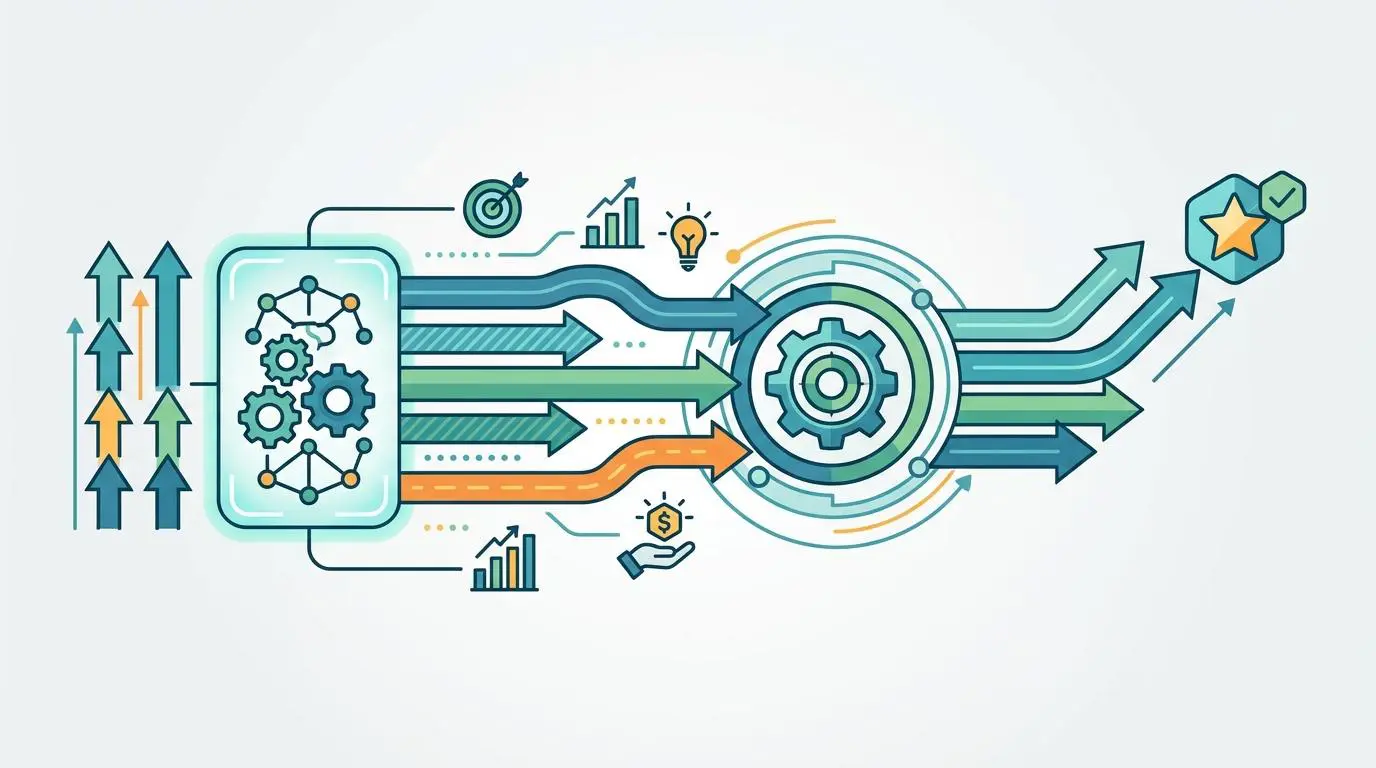
Modern platforms have solved this bottleneck by deploying generative AI directly into the review workflow. The software instantly analyzes dozens of peer evaluations and synthesizes them into key actionable themes. This AI-assisted drafting prevents cognitive overload and saves hours per cycle, allowing managers to focus entirely on message delivery.
The Hidden ROI of Continuous Alignment
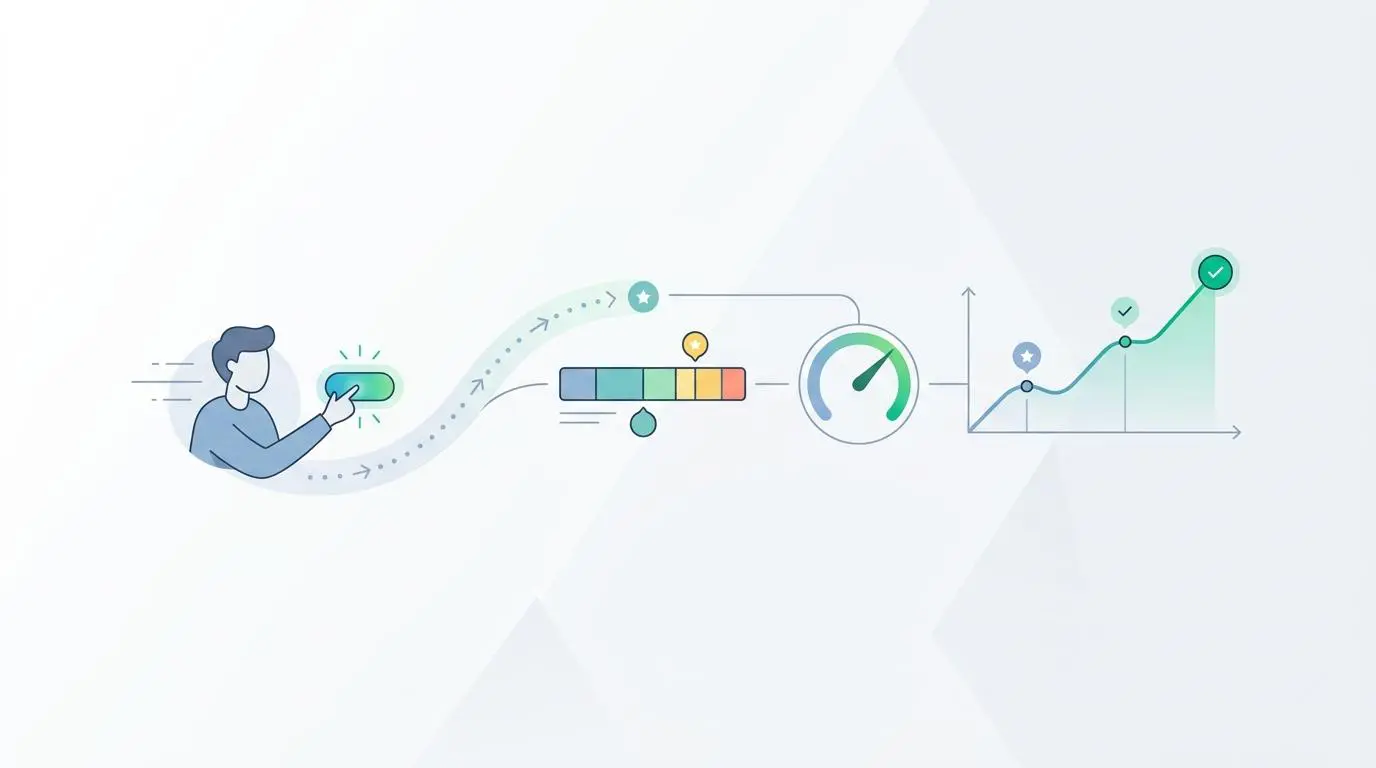
The financial implications of an outdated review system extend far beyond wasted administrative hours. Organizations utilizing continuous performance management are 50 percent more likely to exceed their corporate goals. When objectives are discussed weekly, teams can pivot instantly to meet shifting market demands.
Conversely, the cost of failing to engage employees is astronomical. High employee turnover, driven by a lack of clear development paths, costs companies up to twice an individual’s salary to replace them. This regrettable attrition drains institutional knowledge and severely impacts project continuity.
Continuous performance platforms actively reduce this turnover by providing transparent, actionable growth paths. By replacing the anxiety of annual reviews with consistent micro-coaching sessions, businesses see a massive reduction in flight risk. The software essentially pays for itself by retaining top talent and keeping them aligned with profitable corporate objectives.
Nudge UX and the End of Clunky Portals
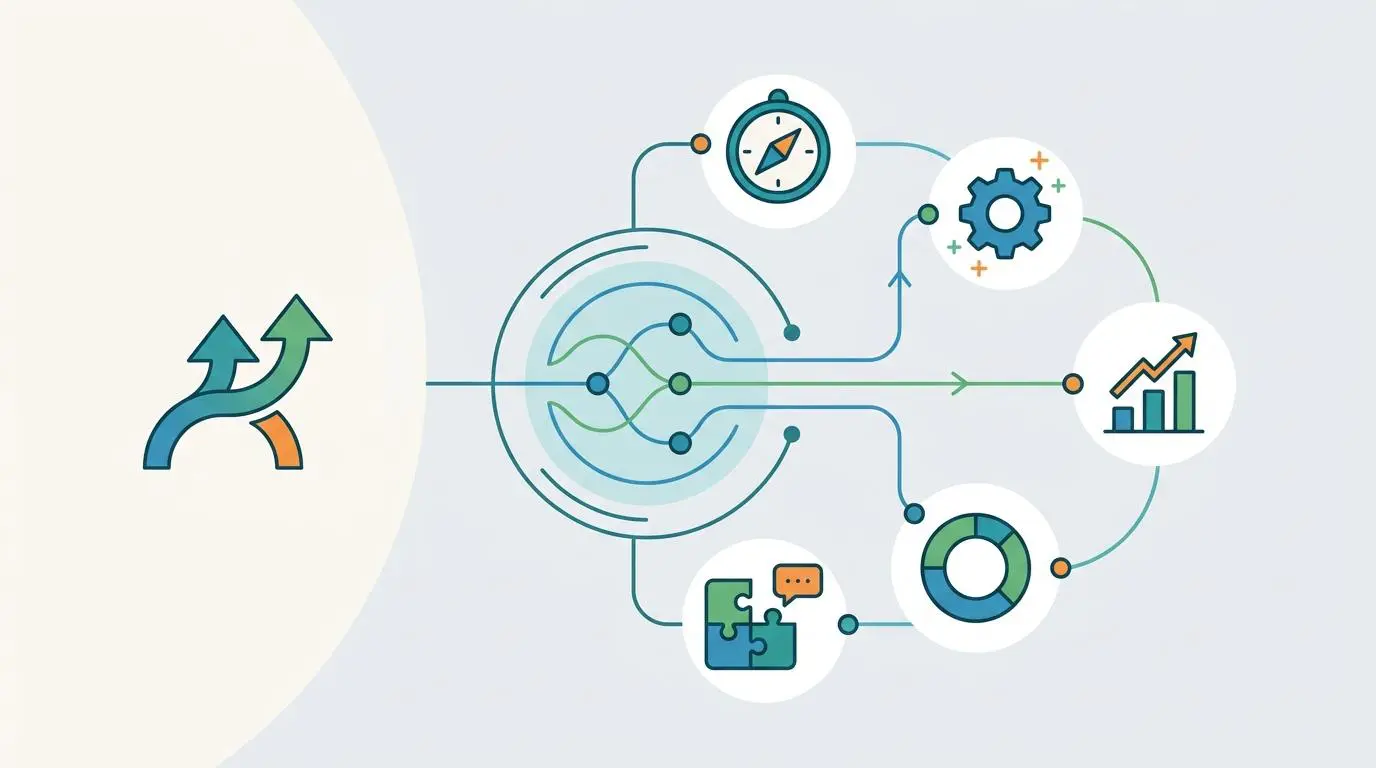
Historically, HR software has suffered from abysmal adoption rates. This friction usually stems from the software feeling like administrative homework rather than a genuine tool for professional growth. Forcing employees to log into a separate, clunky portal disrupts their workflow and guarantees resistance.
Modern performance platforms have completely reimagined this interaction through the implementation of Nudge UX. Instead of requiring a dedicated login session, performance tracking is invisibly embedded into the applications where work actually happens. Gentle, automated prompts appear naturally within the daily flow of business.
Whether an engineer is closing a ticket or a sales rep is updating a record, the platform is there to capture the win in real-time. This frictionless architecture ensures high data fidelity because it requires zero context switching. By bringing the software directly to the user, companies finally achieve the adoption rates necessary for meaningful analytics.
Engineering Psychological Safety
The traditional evaluation process often feels less like a development opportunity and more like corporate surveillance. This adversarial dynamic creates defensiveness, shutting down any potential for genuine professional growth. Employees are demanding a fundamental shift in how their work is assessed.
In fact, 72 percent of employees now demand that performance conversations focus heavily on their strengths rather than exclusively highlighting weaknesses. They want a collaborative partner in their career development, not a critic armed with a clipboard. Modern software must actively facilitate this cultural shift.
To meet this demand, continuous performance platforms are pivoting toward coaching-led interfaces. The software actively prompts managers to ask development-focused questions and guides them through constructive frameworks. This engineered approach fosters deep psychological safety, ensuring that goal alignment is transparent and mutually beneficial.
Predictive Talent Orchestration for 2026
The static nature of traditional job descriptions is failing rapidly in a fast-moving, AI-driven economy. Measuring performance against an outdated list of responsibilities ignores the fluid reality of modern project work. The future requires a dynamic understanding of what an employee can actually accomplish right now.
By late 2026, performance software will evolve far beyond simple tracking to become predictive talent orchestration. The rise of agentic AI will allow platforms to proactively suggest internal mobility opportunities based on real-time data. If an employee demonstrates a new competency during a sprint, the system instantly logs it.
This leads to the concept of skill-graph mapping, where performance is measured by continuous skill acquisition. AI agents will simulate future team configurations based on individual performance data to optimize cross-functional project success. Organizations will no longer guess who is ready for promotion; the software will mathematically prove it.
The Future of Agile Talent Development
The era of the annual appraisal is officially over. As businesses scale in an increasingly complex digital landscape, relying on memory and manual forms to manage human capital guarantees operational stagnation. AI-driven platforms offer the only viable path forward for continuous, equitable, and actionable talent development.
By embracing intelligent automation, companies can eradicate managerial bias, retain their best performers, and align daily tasks with overarching financial goals. This technology is no longer just an HR tool. It has become a core component of enterprise agility.
Navigating the intersection of modern technology, software architecture, and business growth requires a sharp strategy. To future-proof your tech stack and scale with precision, connect with Andres at Andres SEO Expert.
Frequently Asked Questions
What is the primary failure of traditional annual performance appraisals?
The traditional annual review suffers from “appraisal lag” and managerial recency bias, where up to 90 percent of an employee’s yearly achievements are forgotten. This creates an irrelevant feedback loop that fails to reflect daily contributions and causes significant stress for managers.
How does AI improve managerial efficiency in review cycles?
According to 2026 data, AI-driven platforms save managers an average of four hours per review cycle. Generative AI achieves this by aggregating unstructured 360-degree peer feedback and synthesizing it into key actionable themes, reducing the cognitive load and administrative burden of drafting evaluations.
What are the regulatory implications of using AI for performance scoring?
The EU AI Act classifies AI-based performance scoring as high-risk. Consequently, organizations must use platforms that feature human-in-the-loop audit logs and explainability dashboards to ensure all automated feedback is transparent, fair, and legally compliant in global markets.
How does “Nudge UX” facilitate higher adoption of HR software?
Nudge UX removes the friction of clunky portals by embedding performance tracking directly into daily tools like Slack, Jira, and Salesforce. By providing automated prompts within the existing workflow, it captures achievements in real-time without requiring disruptive context switching.
Can continuous performance management software reduce employee turnover?
Yes, by replacing high-anxiety annual reviews with regular micro-coaching and transparent growth paths, CPM platforms improve psychological safety and engagement. This alignment significantly reduces the risk of top performers leaving, saving companies the high cost of replacement, which can reach twice an individual’s salary.
What is the future of performance tracking in 2026?
By late 2026, software will move toward predictive talent orchestration and skill-graph mapping. Agentic AI will proactively suggest internal mobility and promotions based on real-time competency data and mathematical proof of skill acquisition rather than static job descriptions.