Key Points
- Automating the transition from a LinkedIn connection to a personalized voice note eliminates manual recording bottlenecks. This reclaims up to 40% of a sales representative’s weekly capacity.
- Deploying cognitive agents to research prospects and synthesize cloned-voice audio creates a hyper-personalized experience. This multi-sensory approach drives a remarkable seven-fold increase in reply rates.
- Implementing paced randomization and strict volume limits is critical to bypass algorithmic detection. This ensures automated audio outreach mimics natural human behavior without risking account bans.
Table of Contents
- The Digital Noise Dilemma
- Decoding the Engagement Metrics
- Bridging the Connection Gap with No-Code Workflows
- Deploying Cognitive Agents for Hyper-Personalization
- Navigating Platform Limits and Paced Randomization
- Reclaiming Sales Cycles with Voice Automation
- Crafting Multi-Sensory Day-Zero Experiences
- Orchestrating the Buying Group of Tomorrow
- The Audio-First Engagement Horizon
The Digital Noise Dilemma
Picture this: your ideal prospect finally accepts your connection request after weeks of strategic targeting. They are immediately bombarded by identical, bot-generated text pitches from your competitors. Standard B2B text messages now yield less than a 3% response rate, suffocating in an ocean of digital noise.
Meanwhile, having a human sales rep manually record a custom audio message takes up to six minutes per lead. This creates an unscalable bottleneck for high-growth teams trying to maintain genuine human connection.
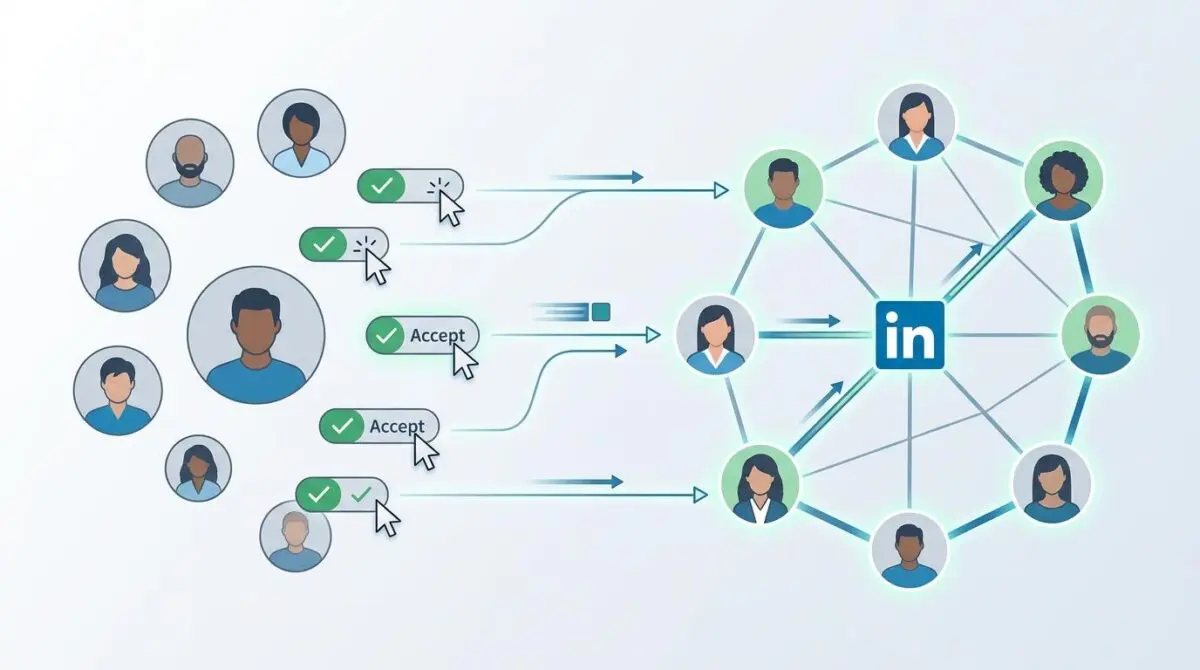
Enter the Automated LinkedIn Acceptance-to-Voice Outreach Sync. This workflow acts as a digital nervous system, instantly bridging the gap between a connection acceptance and a highly personalized audio introduction.
By routing data through intelligent webhooks, it reclaims thousands of hours. It delivers a bespoke, human-sounding greeting before the prospect even closes their app.
Decoding the Engagement Metrics
Market Intelligence & Data
Reply Rate Multiplier
B2B outreach platforms using generative audio/visual media in 2026 report a seven-fold increase in response rates compared to standard text-based LinkedIn sequences according to Sendr.ai.
Meeting Conversion Lift
According to a 2026 MarketsandMarkets report, AI-personalized voice agents used in sales workflows are achieving a 36% higher conversion rate to booked meetings than traditional manual outreach.
The Safety Ceiling
Community testing and tool data from Linked Helper in 2026 confirm that 100 connection requests per week remains the strict hard ceiling for maintaining LinkedIn account health.
AI Messaging Adoption
Customer.io’s 2026 ‘State of Messaging’ report reveals that 73% of B2B marketers have integrated AI-driven triggers into their core communication infrastructure to manage prospect journeys.
The monumental shift toward generative media is completely redefining baseline expectations for outbound communication. When prospects hear a customized audio note rather than scanning a generic wall of text, their cognitive engagement spikes dramatically.
This multisensory approach creates a powerful pattern interrupt. It proves exactly why platforms using generative media report a massive seven-fold increase in response rates.
Beyond simply getting a reply, the ultimate goal of any outreach sequence is driving pipeline velocity and securing calendar slots. AI-personalized voice agents are uniquely equipped to build rapid rapport by mimicking the nuance and warmth of a live human interaction.
This psychological bridge directly translates to a 36% higher conversion rate to booked meetings. It effectively turns cold connections into actual discovery calls.
Despite the incredible power of these automated systems, aggressive scaling without guardrails is a guaranteed path to account restriction. Modern automation must respect the platform’s ecosystem to preserve the integrity of your established first-degree network.
Navigating these boundaries safely means adhering to the strict hard ceiling of 100 connection requests per week. This discipline ensures long-term account health.
The era of purely manual prospecting is fading, replaced by intelligent, event-driven orchestration. High-performing teams are no longer asking if they should automate, but rather how deeply they can integrate these triggers into their tech stacks.
As highlighted in recent industry reports on messaging trends, the vast majority of B2B marketers now rely on AI-driven infrastructure. This technology is essential to manage complex prospect journeys.
Bridging the Connection Gap with No-Code Workflows
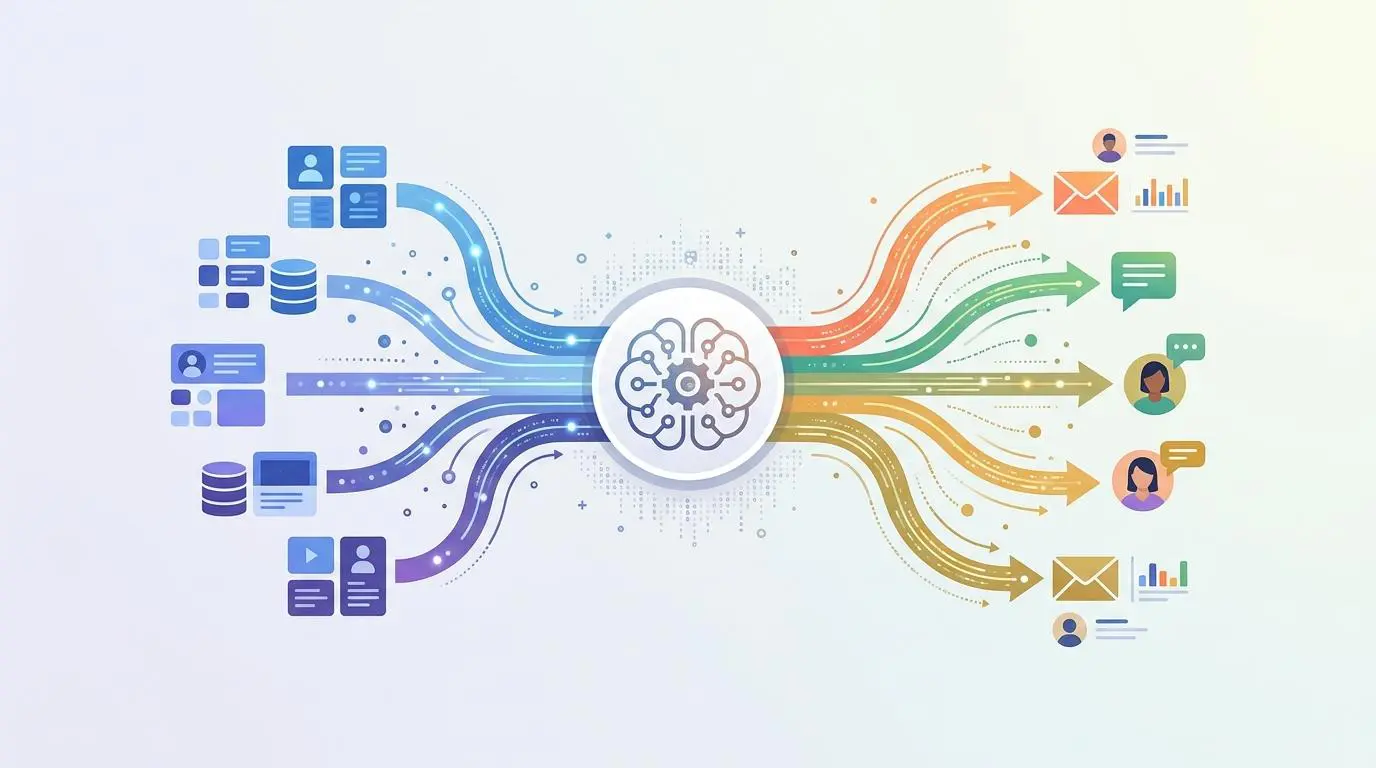
The technical void between receiving a connection notification and sending a relevant message usually takes humans a full day to cross. By the time a representative manually checks their notifications, the prospect’s attention has already moved on.
This lag period is exactly where sales momentum goes to die.
The modern automation stack fundamentally solves this by treating connection acceptances as immediate digital triggers. Tools like Phantombuster or Kondo act as the eyes of the operation.
They instantly catch the acceptance event and push the data into routing hubs like Make.com or n8n.
From there, the workflow pings advanced voice APIs to generate a cloned-voice audio file. The AI dynamically scripts an intro referencing the lead’s recent activity.
This creates a bespoke audio file that session-managed APIs instantly drop into the direct messages.
Deploying Cognitive Agents for Hyper-Personalization
Sending a generic message stating you noticed someone works at a specific company is the fastest way to get blocked. Prospects have developed a hyper-sensitive radar for bot-generated templates.
They demand contextual relevance that proves you actually understand their current business challenges.
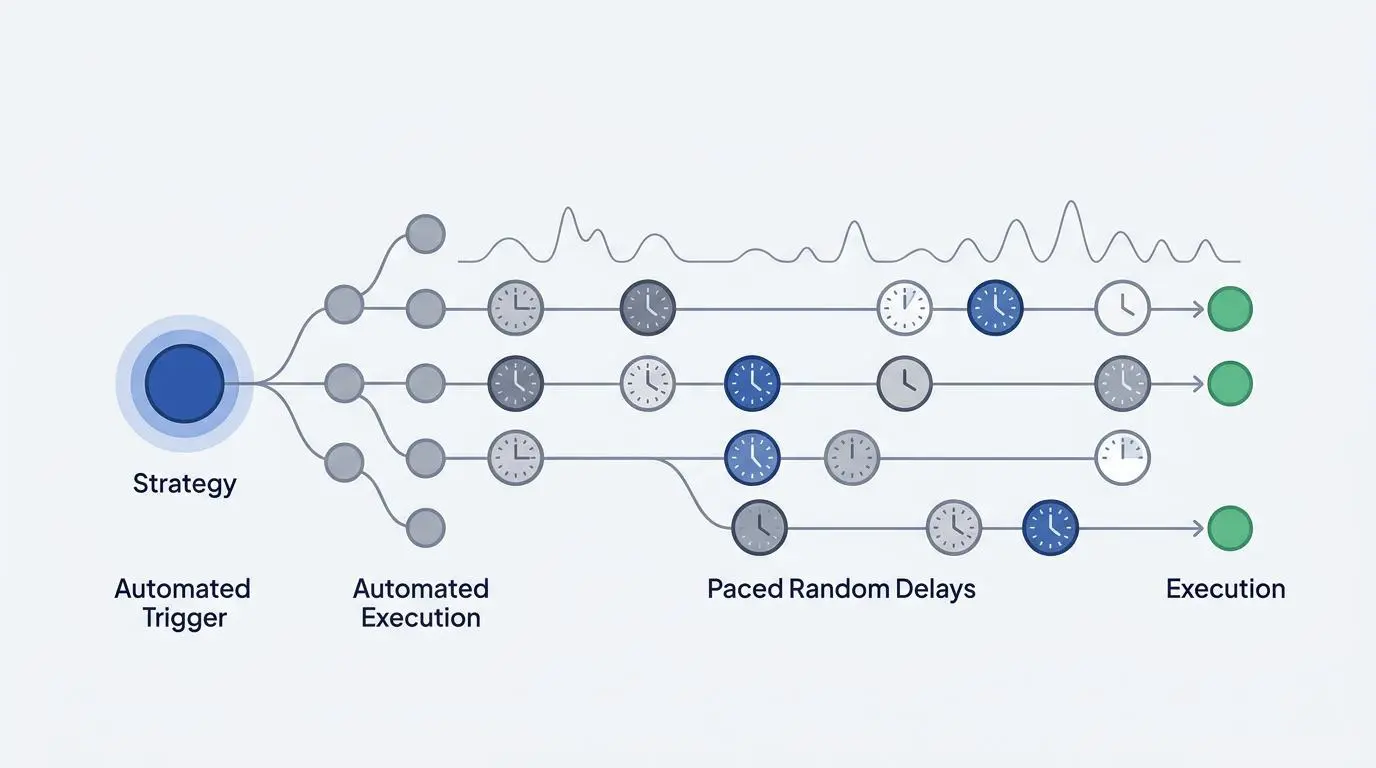
To bypass this friction, modern platforms now deploy autonomous cognitive agents. Think of these agents as tireless research assistants.
They can scan dozens of data points across newsletters, blogs, and podcasts in a matter of seconds.
They synthesize this vast amount of unstructured data into hyper-personalized scripts. These rich scripts are then fed into voice synthesizers.
This produces audio that perfectly mimics your specific vocal cadence and emotional prosody, ensuring the outreach feels intimately human.
Navigating Platform Limits and Paced Randomization
The greatest threat to automated outreach isn’t poor messaging, but rather aggressive, unthrottled execution. Modern detection systems are highly adept at flagging robotic audio patterns and superhuman response times.
Pushing too hard risks a devastating shadow ban and the loss of a carefully curated network.
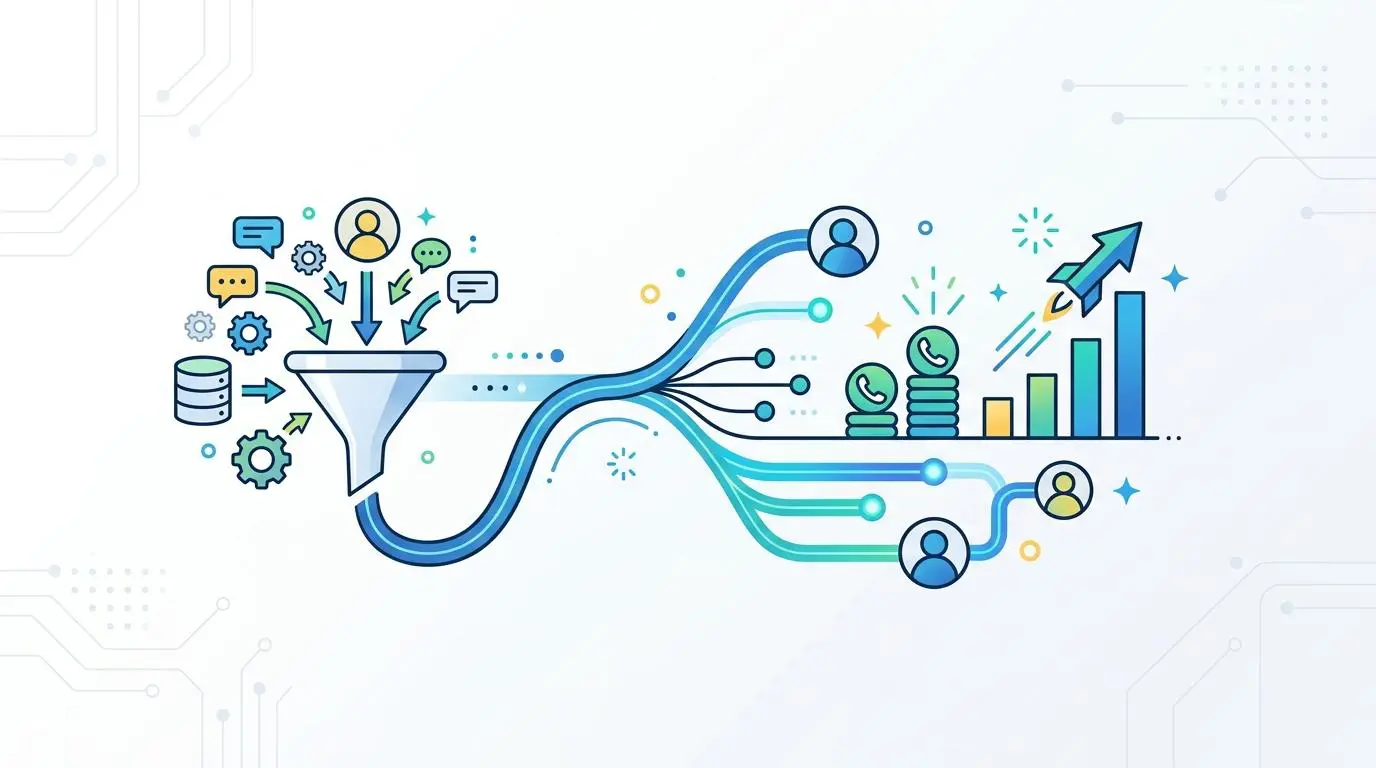
Safe workflows survive by mimicking human imperfection through a concept known as paced randomization. Instead of firing off a voice note the exact millisecond a connection is accepted, the system introduces a variable delay.
This delay typically ranges from one to three hours to appear completely natural.
This strategic throttling, combined with strict daily action caps, keeps the automation flying under the radar. It ensures the outreach looks indistinguishable from a busy executive catching up on messages between meetings.
Reclaiming Sales Cycles with Voice Automation

The financial overhead of hiring, training, and retaining sales representatives for high-touch manual outreach is staggering. When reps spend hours recording individual voice notes, they burn valuable time that should be spent closing deals.
Manual personalization simply cannot scale without exponentially increasing payroll.
Automating the voice-outreach layer fundamentally shifts this economic equation. Recent data indicates that offloading this initial audio greeting recaptures up to 40% of a representative’s work week.
At an average cost of just pennies per AI-synthesized note, the operational efficiency gain is massive compared to heavy human labor costs. Teams achieve incredible leverage on their time.
This allows them to focus purely on high-value negotiations.
Crafting Multi-Sensory Day-Zero Experiences
The traditional lag period of three to five days between a connection and a formal follow-up email is a black hole for lead interest. Prospects forget why they connected with you in the first place, causing conversion rates to plummet.
Modern pipelines must strike while the iron is exceptionally hot.
Elite workflows now treat voice notes as programmable assets rather than standalone messages. Using advanced lipsync technology, companies synchronize these synthetic audio notes with dynamic video fragments.
This creates an immersive, multi-sensory day-zero welcome experience. It instantly bridges the psychological gap between a cold digital handshake and a formal discovery call.
This approach locks in the prospect’s attention immediately.
Orchestrating the Buying Group of Tomorrow
Relying on a single point of contact within a target account is a massive vulnerability. If that single connection goes dark or leaves the company, the entire sales opportunity collapses instantly.
The future of outreach requires building consensus across multiple stakeholders simultaneously.
The strategic trend is shifting heavily toward buying-group orchestration. Advanced automation flows will no longer trigger a voice note solely to the individual who accepted the request.
Instead, the system will deploy synchronized, context-aware audio nudges to several colleagues within the same department. This multi-threaded approach builds internal consensus faster.
It dramatically insulates the deal from single-point-of-failure risks.
The Audio-First Engagement Horizon
The transition from static outbound messaging to real-time conversational synthesis is actively rewiring how B2B relationships are formed. We are rapidly approaching an era where initial voice notes will feature interactive reply-to-talk capabilities.
This allows prospects to engage in AI-moderated audio dialogues before a human ever steps in.
Furthermore, breakthroughs in vocal emotional pulse-matching will soon allow these systems to dynamically adjust pitch and warmth. This adjustment is based on the sentiment of a recipient’s profile.
A high-energy startup founder will receive a vastly different auditory experience than a measured, analytical CFO.
Navigating the intersection of technology, workflows, and operational efficiency requires a sharp strategy. To future-proof your business architecture and scale with precision, connect with Andres at Andres SEO Expert.
Frequently Asked Questions
Why is automated voice outreach more effective than LinkedIn text messages?
Automated voice outreach provides a multisensory pattern interrupt in a noisy digital environment. Data indicates that generative audio and visual media yield a seven-fold increase in response rates compared to standard B2B text messages, which often see less than a 3% response rate.
What are the safe limits for LinkedIn connection requests in 2026?
To preserve account health and avoid restrictions, the recommended safety ceiling is 100 connection requests per week. Adhering to these strict limits ensures long-term network integrity while leveraging automated workflows.
How does AI-personalized voice outreach impact meeting conversion rates?
AI-personalized voice agents can increase meeting conversions by 36%. By using cognitive agents to research prospect data and synthesizers to mimic human vocal cadence, the outreach creates a psychological bridge. This builds rapport faster than traditional manual sequences.
How can I prevent LinkedIn from flagging my automated outreach as robotic?
Safe workflows utilize paced randomization, which involves introducing variable delays—typically between one and three hours—after a connection is accepted. This mimicking of human imperfection, combined with strict daily action caps, helps bypass algorithmic detection systems.
What tools are used to build a LinkedIn voice automation workflow?
A modern automation stack typically includes Phantombuster or Kondo for event triggering, and Make.com or n8n for data routing. It also utilizes advanced voice APIs for audio synthesis and session-managed APIs for delivery into LinkedIn Direct Messages.
How much time can sales teams save by automating voice notes?
Automating the voice outreach layer can recapture up to 40% of a sales representative’s work week. By offloading the initial audio greeting to AI, reps can redirect their focus toward high-value negotiations and closing deals rather than manual recording tasks.