Key Points
- Automated Tactile Engagement: Integrating CRM platforms with headless direct mail APIs enables zero-touch, real-time physical card deliveries.
- Drastic Cost Compression: Replacing manual fulfillment with programmatic direct mail reduces loaded unit costs from over $12.00 to under $2.50.
- Predictive Milestone Gifting: Future-proof workflows leverage AI agents to trigger personalized physical mail based on real-time social signals and CRM data.
Table of Contents
The Invisible Loyalty Tax
The invisible cost of maintaining high-touch relationships is quietly draining your most valuable operational resources. Your administrative team spends hours cross-referencing spreadsheets to remember which VIP client has a birthday this week. They write the card, find the stamp, and drop it in the mail, hoping it arrives on time.
This manual scramble is a direct symptom of Digital Saturation Blindness. Because VIP clients ignore 99.8% of digital communications, brands are forced back to physical outreach to stand out. Doing this by hand is operationally impossible to scale without introducing high error rates and bottlenecks.
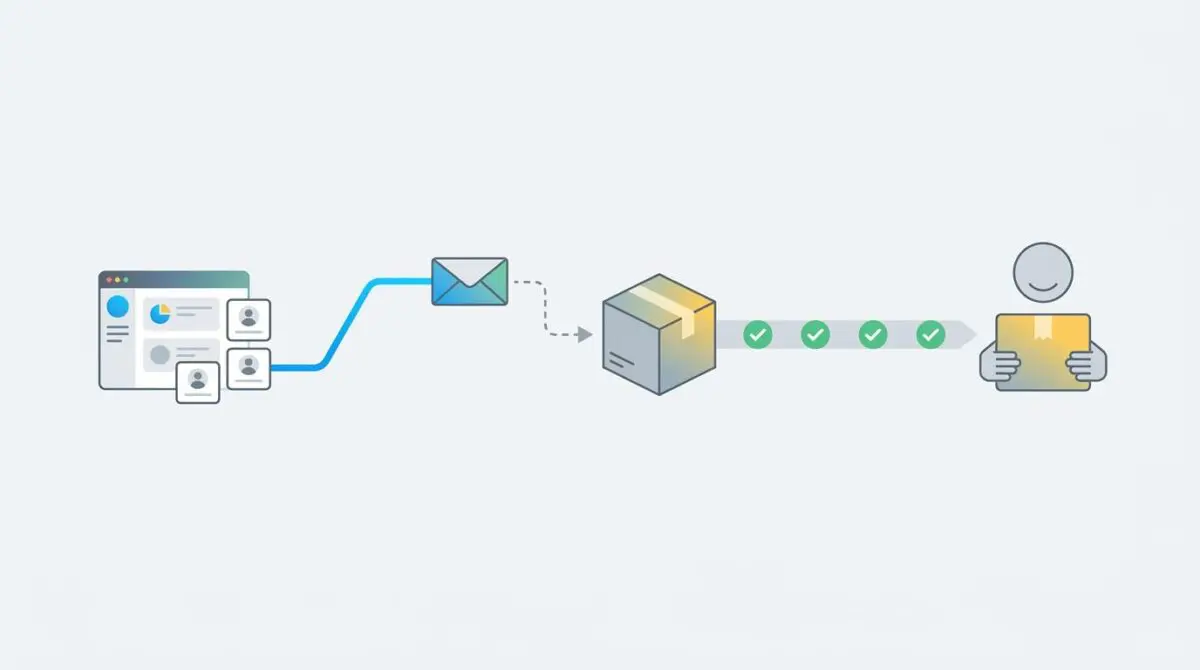
The ultimate solution is CRM-Triggered Programmatic Direct Mail (PDM). This system reclaims your time by turning a physical gesture into a seamless, automated background process. It bridges the gap between digital data and physical delivery effortlessly.
Metrics Driving the Tactile Shift
Market Intelligence & Data
Response Rate Dominance
According to the 2026 ANA/DMA Response Rate Report, physical direct mail achieves a 4.4% response rate, outperforming email’s 0.12% by over 36 times.
Personalization Lift
Research from InfoTrends in 2026 indicates that variable data printing (VDP) which personalizes each physical card increases response rates by 135% over static mailers.
Automation Necessity
A 2025 Lob State of Direct Mail report found that 64% of marketing executives believe effective physical mail campaigns are impossible to execute without integrated AI or automation.
Automation Unit Floor
The 2026 benchmark for automated postcard delivery via Marketing Mail is $0.65 per piece, a 30% reduction from non-automated small-batch costs according to MPA data.
The staggering 4.4% response rate for physical mail highlights a critical shift in how high-value clients consume information. While email inboxes are ruthless battlegrounds of noise, a physical card sitting on a desk commands undivided attention. This tactile dominance proves that investing in physical touchpoints yields exponential engagement compared to digital blasts.
Personalization is the engine behind these elevated response rates, driving a massive 135% lift when variable data is introduced. Treating a VIP like a generic record destroys trust, which is why dynamic insertion of account manager names is mandatory.
Advanced systems even deploy robotic plotters that simulate human-like pen pressure for a truly authentic feel. This deep level of customization transforms a simple greeting into a highly relevant interaction.
The operational reality is that scaling this personalized outreach requires abandoning manual workflows entirely. As noted in the Lob State of Direct Mail report, 64% of marketing executives acknowledge that integrated AI and automation are non-negotiable for effective campaigns. Without these systems, the logistical friction of coordinating data, printing, and mailing simply collapses under its own weight.
Driving down the unit cost to a $0.65 floor radically changes the ROI equation for physical marketing. By eliminating the manual labor of handwriting and stamping, businesses can reallocate funds toward premium materials or higher sending frequencies. This cost efficiency makes automated tactile outreach a sustainable, long-term strategy rather than a sporadic luxury.
Bridging the Digital Physical Divide
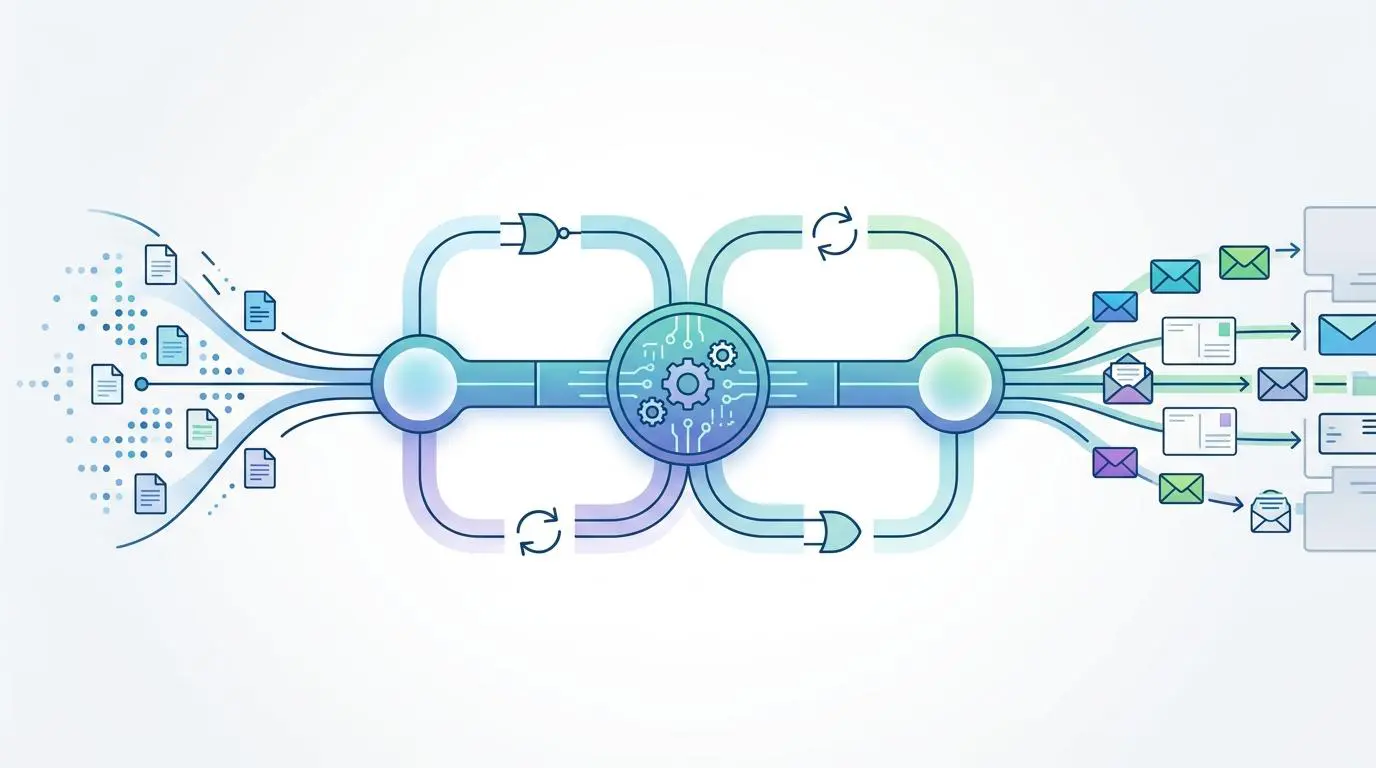
Modern tech stacks rely on robust middleware to connect digital brains with physical outputs. Platforms like Make.com or Zapier act as the central nervous system, listening for date-matches in your Salesforce or HubSpot database. Once a birthday is detected, the workflow instantly pings headless direct mail APIs like Lob or PostGrid.
This seamless handshake eliminates the technical gap that previously required tedious manual CSV exports. There is no human intervention required to batch or send the data to a local print house. The card enters the print-and-mail sequence immediately, ensuring real-time delivery that perfectly aligns with the client’s special day.
Engineering Tactile Personalization

By 2026, customer experience leaders are heavily deploying tactile personalization to combat digital fatigue. Tools like Sendoso and Reachdesk pull deep contextual data directly from the CRM to populate the physical card. This means the printed piece includes specific variables like the local office address or a customized greeting from the dedicated account executive.
Generic physical mail is increasingly treated as junk by discerning VIPs. Injecting deep CRM data ensures the gesture feels authentic and highly relevant to the recipient. In early 2026, Handwrytten launched a Neural Ink update that pairs Large Language Models with advanced plotters to simulate human-like ink-flow variations.
These technological leaps make automated cards virtually indistinguishable from hand-written originals. The recipient feels a genuine connection, completely unaware that the gesture was orchestrated by a background CRM trigger.
Slashing the Fulfillment Overhead
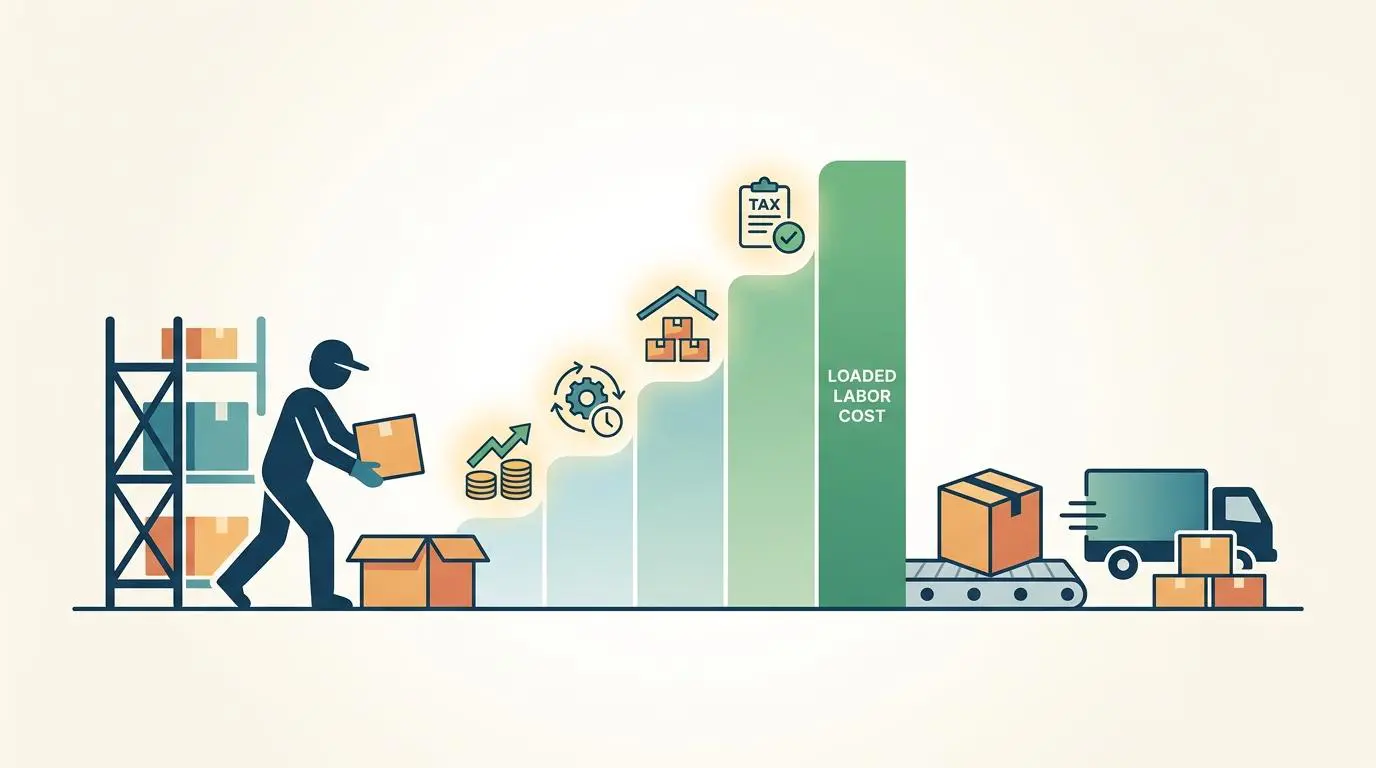
The true cost of a premium birthday card extends far beyond the paper and postage. Manual fulfillment carries a loaded labor cost of $12.50 to $15.00 per unit when accounting for selection, handwriting, stamping, and logging. PDM automation aggressively compresses this expense down to approximately $0.80 to $2.50, fully loaded.
This dramatic reduction in overhead frees up administrative teams who previously lost hours a week during peak birthday months. Reclaiming this time allows your staff to pivot back to high-value relationship management. Automation turns a costly logistical headache into a lean, highly profitable retention mechanism.
Preventing the Return to Sender Trap

Even the most beautifully crafted automated flows will fail if they are fed stale CRM data. Sending premium cards to outdated addresses results in high bounce rates and wasted budget. Up to 20% of manual direct mail is returned or destroyed due to human error in address formatting.
Modern PDM integrations solve this by running data through rigorous real-time validation protocols. APIs perform CASS and NCOA scrubbing before a single drop of ink is deployed. This automated hygiene ensures your VIP packages actually reach the intended desk, protecting your investment.
Securing the Print Pipeline
Transmitting the home addresses of high-net-worth clients to third-party print partners introduces significant privacy risks. In the heavily regulated 2026 environment, manually emailing spreadsheets to local print shops is a massive compliance liability. Brands must ensure their data pipelines meet strict legal standards.
Automated workflows solve this by utilizing encrypted webhook signatures to pass personal information securely. These integrations operate under SOC 2 Type 2 and GDPR-compliant data processing agreements. This enterprise-grade security guarantees that sensitive client details remain locked down from the CRM to the print queue.
Predictive Gifting and Generative Agents
The static birthday card is rapidly becoming a baseline expectation rather than a standout surprise. Brands are now racing to automate moment-based delight by reacting to real-time life milestones. The 2026 evolution introduces predictive gifting, where AI agents analyze CRM sentiment and social signals.
These systems can trigger physical deliveries the moment a client secures a promotion or announces a company acquisition. By late 2026, the industry will shift toward generative tactile agents utilizing Retrieval-Augmented Generation. These agents will draft custom, context-aware messages that a robot pen executes in the exact handwriting of the account executive.
The Post Digital Mandate
The era of relying solely on automated emails to nurture VIP relationships is definitively over. Integrating physical touchpoints into your digital CRM stack creates an undeniable competitive advantage. By treating direct mail as a programmable API, businesses can deliver deeply human experiences at an unprecedented scale.
Navigating the intersection of technology, workflows, and operational efficiency requires a sharp strategy. To future-proof your business architecture and scale with precision, connect with Andres at Andres SEO Expert.
Frequently Asked Questions
What is CRM-triggered programmatic direct mail?
CRM-triggered programmatic direct mail (PDM) is an automated workflow that connects customer databases like Salesforce or HubSpot to physical printing services via APIs. This allows businesses to automatically trigger the delivery of personalized physical mail, such as birthday cards or milestone gifts, based on real-time CRM data without manual administrative effort.
How does the response rate of physical mail compare to email?
According to 2026 industry data, physical direct mail achieves a 4.4% response rate, which is significantly higher than the 0.12% response rate typical of email marketing. This 36x performance gap is largely attributed to digital saturation and the high visibility of tactile communications.
What are the cost savings of automating mail fulfillment?
Automating direct mail fulfillment slashes overhead from a manual labor cost of $12.50–$15.00 per unit down to an automated cost of approximately $0.80–$2.50 per unit. This reduction allows brands to scale personalized physical outreach profitably while freeing up staff for high-value relationship management.
How does robotic handwriting personalization work?
Modern systems use advanced robotic plotters and Neural Ink technology to simulate human-like ink flow and pressure variations. These robots utilize variable data from the CRM to write custom messages that are virtually indistinguishable from hand-written originals, increasing response rates by up to 135%.
Is automated direct mail compliant with data privacy regulations?
Yes, enterprise-grade PDM systems operate under SOC 2 Type 2 and GDPR-compliant agreements. Instead of insecure manual spreadsheets, they use encrypted webhook signatures to pass data securely between the CRM and the print partner, ensuring high-net-worth client information remains protected.
How do companies prevent “Return to Sender” issues in automated mail?
Leading PDM platforms integrate real-time data validation protocols like CASS and NCOA scrubbing. These automated checks verify and format addresses before a single drop of ink is deployed, preventing the 20% waste typically caused by human error in manual systems.