Key Points
- Parallel Chain-of-Thought: Gemini 3.1 dynamically scales reasoning compute during inference, yielding a 96.4% accuracy boost in complex calculations.
- Hardware Efficiency: Google’s TPU v7 Ironwood chips deliver 4,614 FP8 TFLOPS, offering a 30% lower TCO compared to legacy GPU clusters.
- Autonomous Orchestration: Platforms like Antigravity 2.0 eliminate state management friction, enabling seamless 24/7 agentic workflows without data collisions.
Table of Contents
The Engine Stalls at the Starting Line
Just a year ago, deploying AI meant feeding a prompt into a chatbox and waiting for a text reply like a digital vending machine. Today, we expect AI to autonomously run entire enterprise departments while we sleep.
This rapid evolution has exposed a massive bottleneck in our digital infrastructure. Scaling inference-time compute is no longer just about generating words faster. It is about allowing frontier models to move beyond immediate token prediction into long-horizon autonomous reasoning and self-correction.
Enter Multimodal Thinking Models. Think of them as the difference between a fast typist and a strategic project manager. Instead of just reacting to your instructions, these models pause, plan, and execute complex workflows across different media formats simultaneously.
The Math Behind the Magic: Metrics That Matter
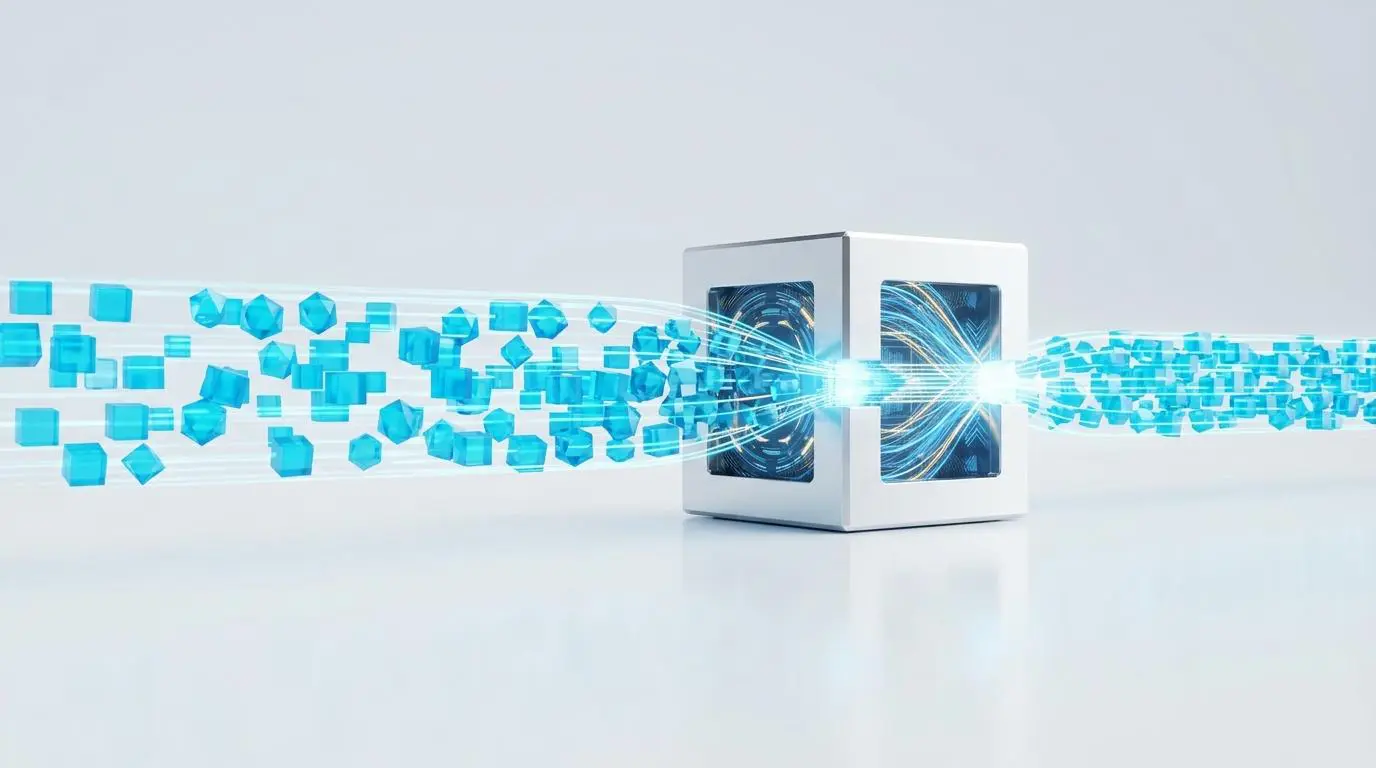
To truly understand the power of these systems, we have to look at the raw compute metrics driving them. Google’s seventh-generation Ironwood chips deliver a staggering 4,614 FP8 TFLOPS of compute throughput.
This massive processing power is exactly what is required to process dense, overlapping data streams. For instance, this throughput directly enables real-time video understanding in advanced AI projects without crashing enterprise servers.
Furthermore, the software engineering accuracy of the Gemini 3 Pro model has seen a 35% performance gain over its predecessor. This leap in logic processing allows models to handle incredibly dense scientific and mathematical tasks.
This enhanced reasoning sets the foundation for groundbreaking enterprise applications, such as complex protein-ligand prediction with AlphaFold 3. DeepMind’s February 2026 report also highlighted a Deep Think mode in the Gemini 3.1 series.
This mode utilizes a proprietary parallel chain-of-thought architecture that dynamically scales reasoning compute during inference. The result is a 96.4% accuracy improvement in complex scientific calculations, proving that giving AI time to think yields massive enterprise value.
Orchestrating the Digital Workforce
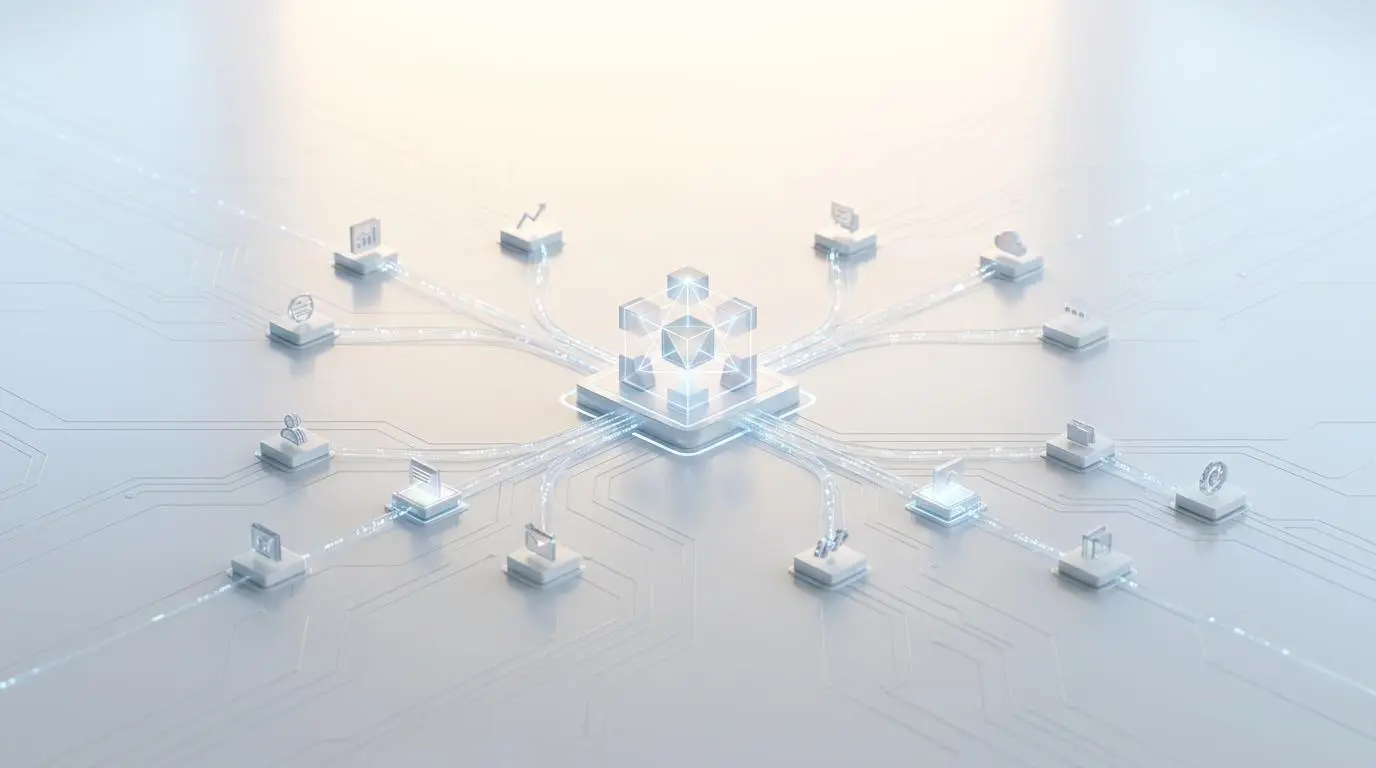
The Google Antigravity 2.0 platform now serves as the primary orchestration layer for Gemini-based agents. Launched in May 2026, Gemini Spark enables 24/7 autonomous action within Workspace environments.
Meanwhile, Project Astra 2.0 integrates real-time video understanding directly into agentic loops via Gemini Live. However, orchestrating multiple AI agents is not without its operational headaches.
Enterprises frequently struggle with state management and race conditions. This happens when multiple specialized agents attempt to modify overlapping files or shared databases simultaneously.
Imagine two chefs trying to chop the exact same onion on the exact same cutting board at the exact same time. Multimodal Thinking Models solve this by acting as a central kitchen manager, locking files and sequencing agent tasks to prevent catastrophic data collisions.
Rewiring the Brain: Infrastructure and Compute
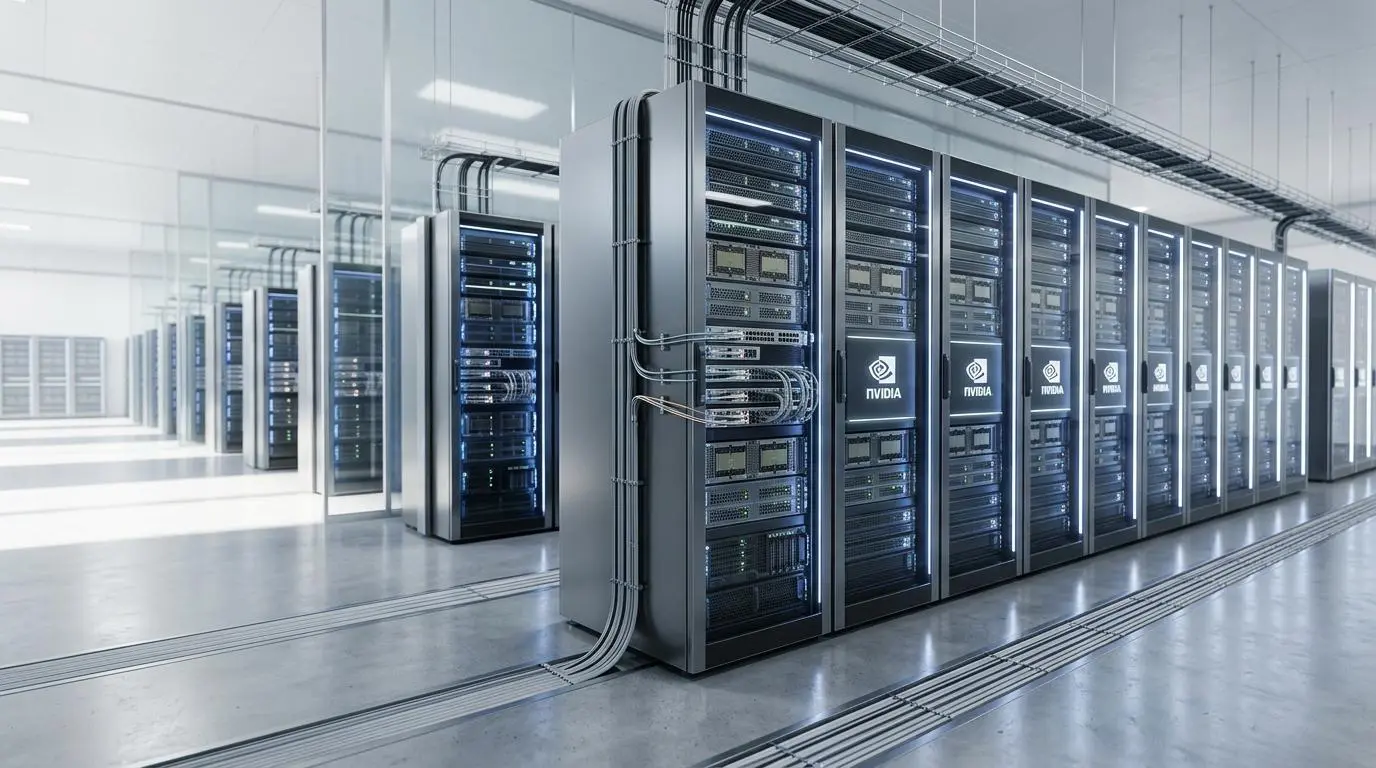
Powering these autonomous workflows requires a fundamental shift in hardware architecture. The TPU v8t and 8i series, alongside the mass-deployed TPU v7, utilize the Virgo Network fabric for massive scale.
With 192GB of HBM3E memory per unit, these chips offer a 30% lower total cost of ownership compared to equivalent GPU clusters in 2026. But migrating to this new hardware ecosystem presents a very real friction point for developers.
The lack of flexibility in ASIC architectures often requires engineering teams to rewrite kernels and pre-define data streams. This creates high migration costs from traditional CUDA-based ecosystems.
It is much like translating a highly technical manual from French to Japanese. It requires careful rewriting and deep structural understanding, but once completed, the efficiency gains at the enterprise level are undeniable.
Seeing, Hearing, and Doing in Real-Time
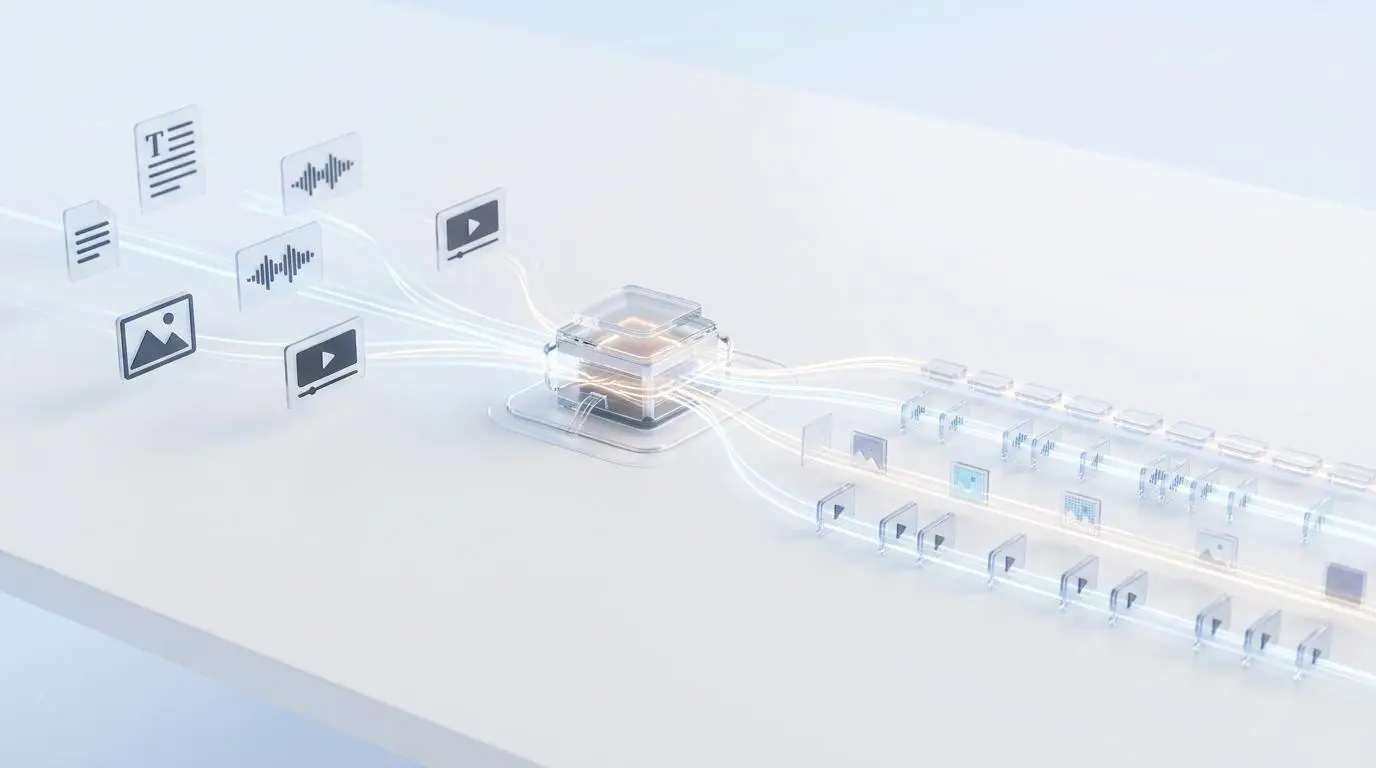
Generative workflows are no longer confined to text. Gemini Omni provides any-to-any generation capabilities, blurring the lines between different media formats.
The June 2026 release of Gemini 3.5 Audio Live Translate pushed the boundaries even further, enabling sub-300ms latency for multimodal conversations. Additionally, Veo 3 research demonstrates zero-shot reasoning in complex 3D physical simulations and video-based problem solving.
Yet, the real-world friction lies in the synchronization. Syncing high-fidelity video, audio, and text tokens in real-time often leads to significant latency spikes.
When these data streams fall out of sync, it breaks the immersion of human-AI collaboration. It feels like watching a badly dubbed movie where the lips do not match the audio, completely disrupting the user experience and workflow momentum.
Predicting the Unpredictable: Decision Intelligence
The transition from generative AI to predictive decision intelligence is moving at lightning speed. Through a five-year consortium with the Wellcome Sanger Institute, AlphaFold 3 has expanded into complex genomic dataset generation.
Tools like Gemini for Science and the Co-Scientist framework are now actively used to automate experimental design in drug discovery. They act as tireless research assistants capable of analyzing millions of data points in seconds.
Despite these massive leaps, biological data gaps remain the primary bottleneck in the system. Even with near-perfect protein folding predictions, real-world clinical validation still faces human-dependent regulatory and laboratory constraints.
Having a flawless AI model in drug discovery is like having a perfect GPS map. It shows you exactly where to go, but you still have to drive on physical roads filled with unpredictable potholes and traffic.
The Dawn of Self-Healing AI
By 2027, the enterprise AI industry will experience a massive shift toward recursive self-improvement. Models like Gemini 4 will use synthetic self-play to debug their own reasoning architectures autonomously.
This evolutionary leap is projected to effectively eliminate 95% of logic-based hallucinations. As these systems learn to self-correct in real-time, the need for constant human oversight will dramatically decrease, unlocking unprecedented operational scale.
Navigating the intersection of Enterprise AI, infrastructure scaling, and workflow automation requires a sharp strategy. To future-proof your company’s AI operations and scale with precision, connect with Andres at Andres SEO Expert.
Frequently Asked Questions
What are Multimodal Thinking Models and how do they differ from standard AI?
Multimodal Thinking Models move beyond immediate token prediction to enable long-horizon autonomous reasoning. Unlike standard models that react instantly, these systems pause to plan and execute complex workflows across various media formats, functioning more like strategic project managers than simple text generators.
How does the Gemini 3.1 Deep Think mode enhance scientific accuracy?
The Deep Think mode utilizes a proprietary parallel chain-of-thought architecture that dynamically scales reasoning compute during the inference phase. This approach resulted in a 96.4% accuracy improvement in complex scientific calculations, providing significant value for logic-dense enterprise tasks.
What are the hardware benefits of Google TPU v8 and v7 series?
Google’s TPU v8 and v7 series, integrated with the Virgo Network fabric, provide massive scale with 192GB of HBM3E memory per unit. These chips offer a 30% lower total cost of ownership compared to equivalent GPU clusters, though they require specific kernel optimizations for ASIC architectures.
How does AI orchestration prevent data collisions in digital workforces?
Advanced orchestration layers, like Google Antigravity 2.0, use Multimodal Thinking Models to act as central managers. They prevent race conditions—where multiple agents attempt to modify the same data—by locking files and sequencing agent tasks to ensure stable, autonomous workflows.
What is the significance of the 4,614 FP8 TFLOPS in Ironwood chips?
The 4,614 FP8 TFLOPS of compute throughput in Google’s Ironwood chips provides the processing power necessary for dense data streams. This performance directly enables real-time video understanding in applications like Project Astra without crashing enterprise servers.
How will Gemini 4 address the issue of AI hallucinations by 2027?
Gemini 4 is expected to utilize recursive self-improvement and synthetic self-play to autonomously debug its own reasoning architectures. This self-healing process is projected to eliminate 95% of logic-based hallucinations, drastically reducing the requirement for constant human oversight.