Key Points
- Gigawatt Compute Scaling: The Colossus cluster utilizes 555,000 interconnected GPUs and a 2.0 GW power envelope, relying on advanced RDMA-over-Ethernet protocols to maintain 95 percent throughput efficiency.
- Thermal Workflow Optimization: Transitioning to high-density Blackwell architectures demands direct-to-chip liquid cooling to prevent thermal throttling during massive 10-million agent orchestration loops.
- Strategic Infrastructure Monetization: Offsetting the billions required for gigawatt-scale operations involves hybrid business models, such as pivoting to a compute landlord while safeguarding proprietary model weights.
Table of Contents
The Thermal Interconnect Paradox
Imagine trying to cool a roaring volcano with a garden hose. This is exactly what modern enterprise AI feels like when cramming hundreds of thousands of hyper-fast chips into a single data center.
Industry experts call this the Thermal Interconnect Paradox. Making AI models process information faster requires packing GPUs incredibly close together to ensure low-latency communication.
However, this extreme hardware density generates immense heat. It quickly exceeds the cooling and electrical capacities of local municipal grids.
Enter the Colossus Supercomputer Cluster. This facility is not just a standard data center but a sprawling, gigawatt-scale artificial brain designed to shatter physical bottlenecks.
By rethinking how power, water, and data flow together, Colossus provides the ultimate architectural solution for enterprise AI scaling.
Decoding the Gigawatt-Scale Metrics
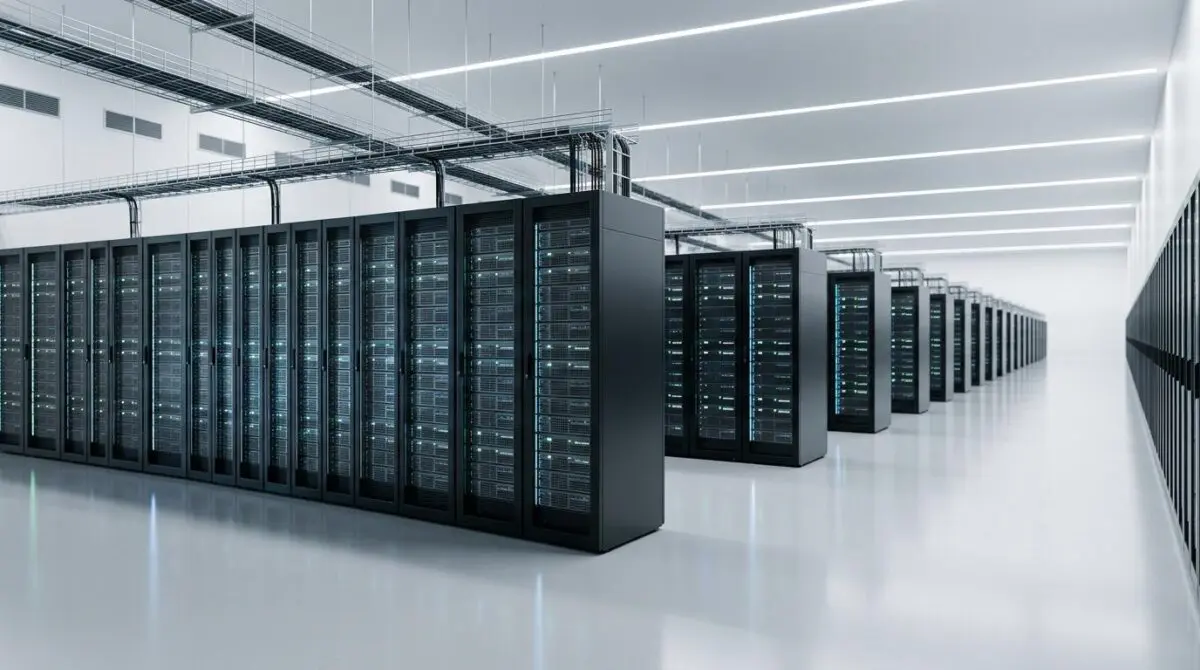
The numbers behind the Colossus Supercomputer Cluster are truly staggering for enterprise AI scaling. In February 2026, xAI confirmed the expansion of its Memphis-Southaven facility to an astonishing 555,000 interconnected NVIDIA GPUs.
This massive fleet scale serves a critical operational purpose. It requires a flawless networking backbone to prevent data traffic jams during extensive model training.
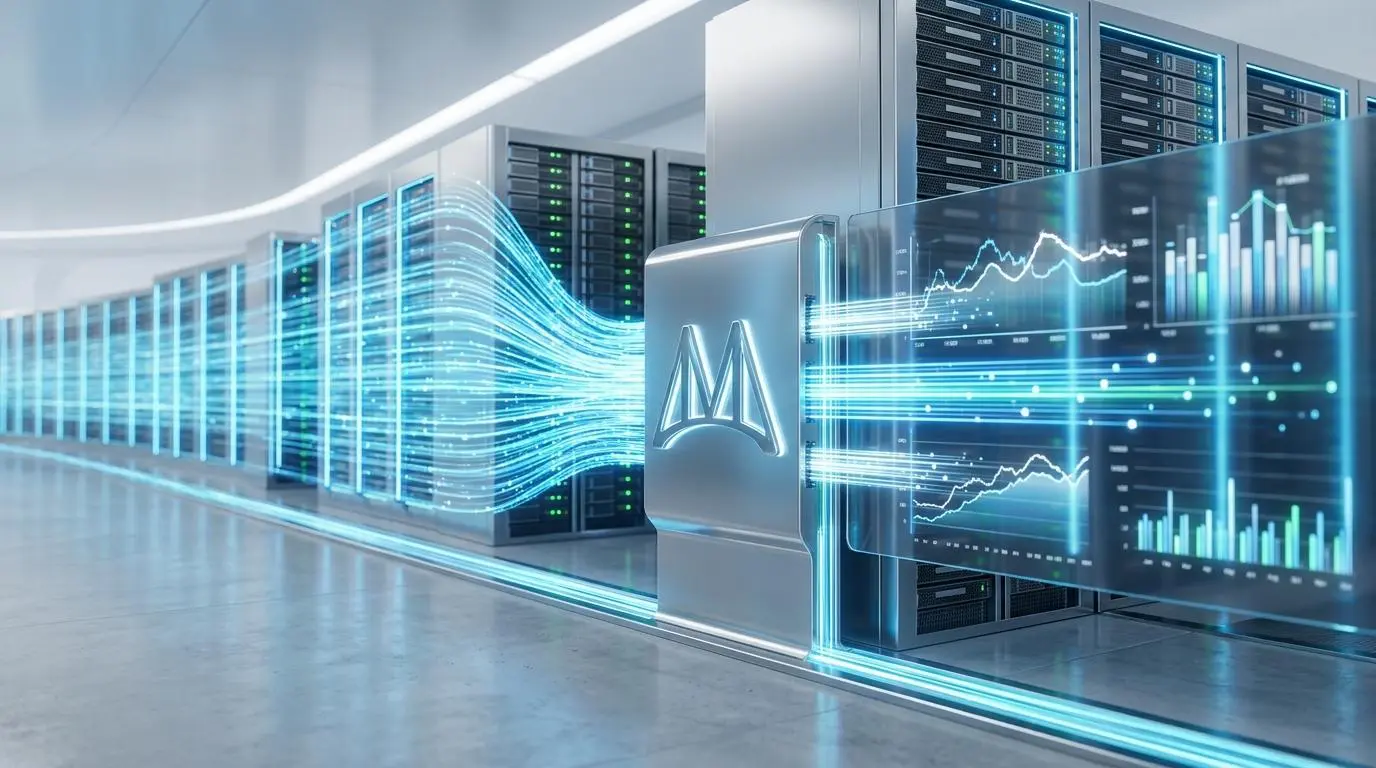
To achieve this, the facility relies heavily on the NVIDIA Spectrum-X Ethernet networking platform. This technology uses a proprietary RDMA-over-Ethernet congestion control algorithm to maintain 95 percent data throughput efficiency during massive 6-trillion parameter model training.
Raw compute power naturally demands an equally massive energy footprint. By April 2026, the combined Colossus and MACROHARDRR clusters officially crossed the 2.0 gigawatt power envelope.
To put that into perspective, this single AI facility exceeds the total peak electrical demand of the entire city of San Francisco.
Managing this immense heat requires abandoning traditional air cooling methods. The infrastructure instead leverages Supermicro Direct-to-Chip Liquid Cooling (DLC) to keep dense GPU racks from melting down under peak loads.
Beating the Memphis Heat with Liquid Cooling
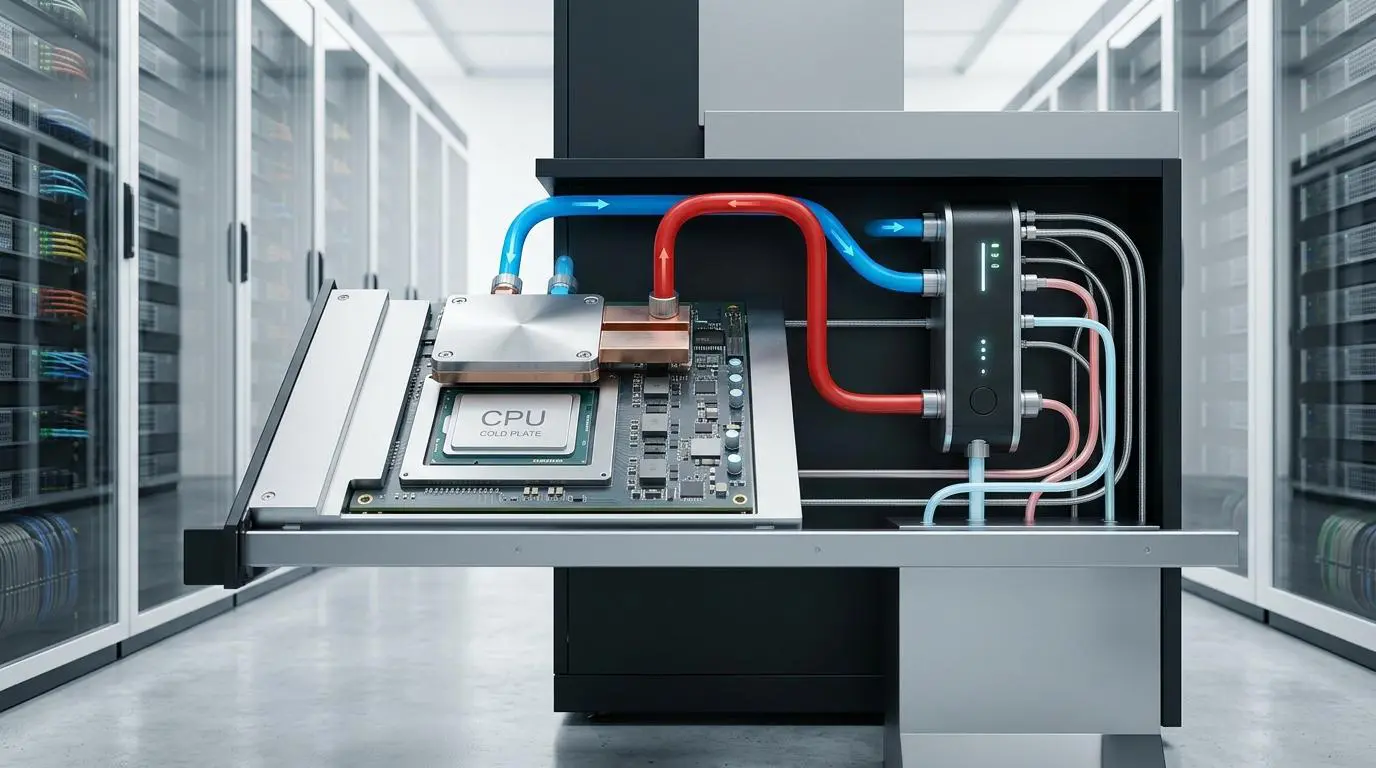
Running a supercomputer in the sweltering heat of a Memphis summer presents unique physical challenges. Transitioning from older H100 air-cooled setups to denser Blackwell GB200 and GB300 liquid-cooled racks was a massive engineering undertaking.
Enterprise teams quickly realized that traditional air conditioning could not handle the thermal output of trillion-parameter models. They required an 82 percent increase in cooling efficiency just to prevent severe thermal throttling.
Direct-to-chip liquid cooling emerges as the unsung hero of modern AI infrastructure. By piping chilled liquid directly over the hottest components, the system efficiently extracts heat before it spreads.
Orchestrating this hardware also requires seamless communication protocols. Integrating the NVLink-Network Switch System API allows these densely packed racks to function as a single, unified brain.
Orchestrating Ten Million Autonomous Agents
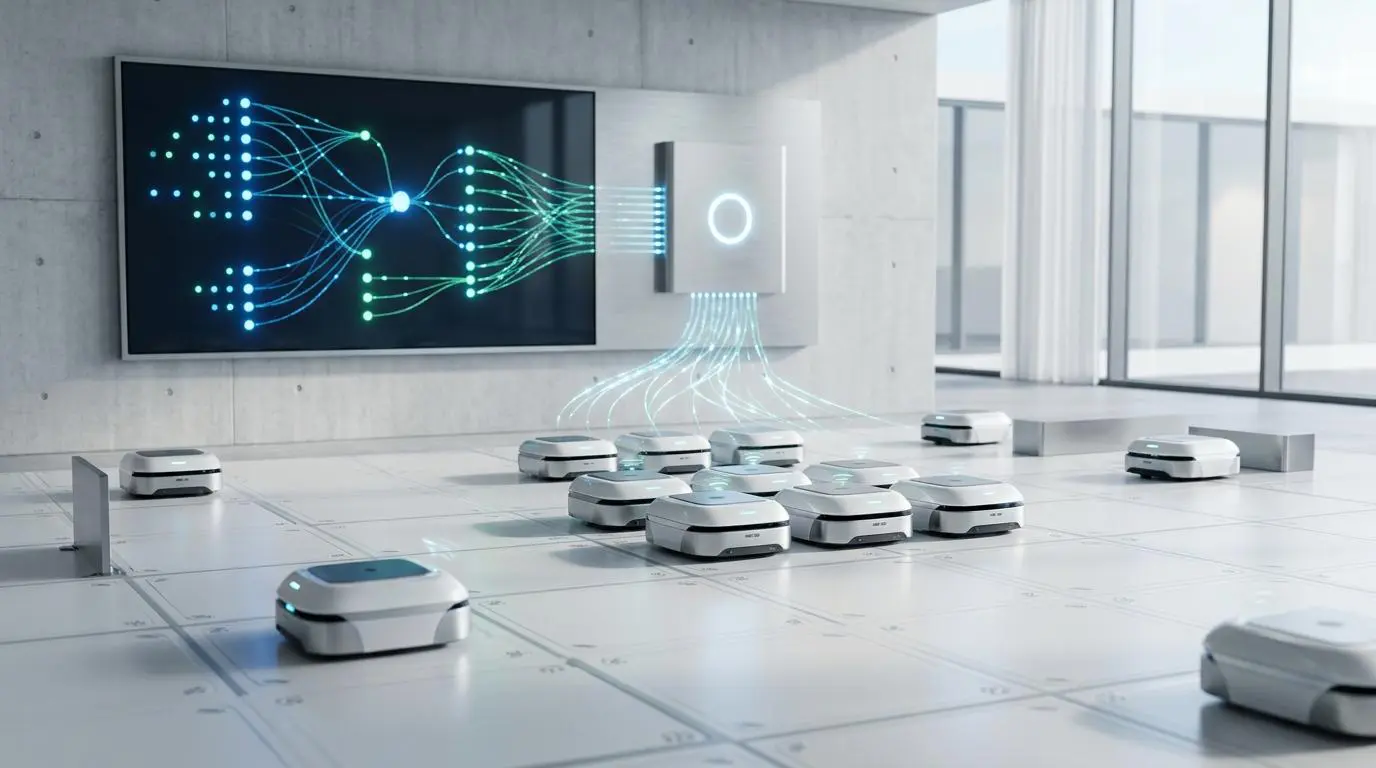
Imagine an orchestra with ten million musicians trying to play a complex symphony simultaneously. This is the reality of scaling reinforcement learning to pretraining levels on the Colossus cluster.
Using the Grok Build 0.1 CLI, developers can seamlessly deploy the Grok-4 Heavy 16-agent architecture. This system relies on parallel sub-agent spawning to tackle massive, multifaceted problems at once.
However, this multi-agent orchestration creates severe real-world friction. Triggering 10 million simultaneous agentic feedback loops creates dangerous transient power spikes.
These sudden surges in electricity demand are intense enough to threaten regional grid stability. Enterprise teams must rely on advanced Agent Client Protocol support to dynamically throttle and balance compute loads.
Navigating the Red Tape of Gigawatt AI

Building a massive AI facility in just 122 days is an engineering marvel that comes with severe regulatory hangovers. The rapid buildout of Colossus bypassed several traditional permitting processes.
This aggressive timeline resulted in a major 2026 federal lawsuit regarding unpermitted gas-fired turbines. These turbines met the gigawatt power demand but contributed to smog-forming pollution in South Memphis residential zones.
Enterprise AI governance must now pivot from moving fast to ensuring strict regulatory compliance. Automated reporting for the AI Overwatch Act of 2026 and Clean Air Act compliance are no longer optional.
Maintaining secure multi-tenancy across thousands of GPUs also requires rigorous SOC 2 Type II certifications. Companies must balance the race for AI supremacy with strict litigation protocols to ensure sustainable growth.
The Strategic Pivot to Compute Landlord
The financial reality of running a gigawatt-scale supercomputer is incredibly daunting. To offset a staggering 2.47 billion dollar operating loss in early 2026, xAI executed a brilliant strategic pivot.
The company transitioned into a highly lucrative Compute Landlord model. Renting out 110,000 GPUs to Google for 920 million dollars a month provided vital bridge capacity for enterprise operations.
This move highlights the delicate balance between open-source community building and proprietary monetization. While earlier models utilized the Apache-2.0 license, newer iterations shifted toward community-specific licensing.
Simultaneously, they protect their competitive edge with a strict API weights strategy. This approach funds their massive infrastructure while keeping their most advanced proprietary models securely in-house.
Silicon SMRs and Orbital Inference
The future of enterprise AI infrastructure is moving far beyond the constraints of the terrestrial power grid. By 2027, the industry will witness the rise of the Silicon-SMR hybrid architecture.
Small Modular Reactors will be deployed to provide dedicated, carbon-free power. This will support massive clusters of up to 3 million advanced GPUs.
To further bypass earthly thermal constraints, orbital AI satellites will begin handling low-latency edge inference from space. This celestial expansion will completely redefine how we process and route data globally.
Navigating the intersection of Enterprise AI, infrastructure scaling, and workflow automation requires a sharp strategy. To future-proof your company’s AI operations and scale with precision, connect with Andres at Andres SEO Expert.
Frequently Asked Questions
What is the Thermal Interconnect Paradox in AI scaling?
The Thermal Interconnect Paradox is the technical challenge where GPUs must be positioned in extreme proximity to ensure low-latency communication, yet this density generates heat levels that exceed the cooling and electrical capacities of traditional municipal infrastructures.
How many GPUs are integrated into the xAI Colossus cluster?
As of February 2026, the Colossus Supercomputer Cluster expanded to an unprecedented 555,000 interconnected NVIDIA GPUs, supported by the NVIDIA Spectrum-X Ethernet networking platform for high-efficiency data throughput.
Why is liquid cooling required for Blackwell-generation GPU racks?
Dense hardware like the Blackwell GB200 and GB300 generates thermal output that traditional air conditioning cannot manage. Direct-to-chip liquid cooling (DLC) is necessary to provide the required 82 percent increase in cooling efficiency to prevent thermal throttling.
What are the primary regulatory risks for gigawatt-scale AI facilities?
Large-scale facilities face scrutiny regarding environmental compliance, such as Clean Air Act violations from gas-fired turbines, and must adhere to new reporting standards like the AI Overwatch Act of 2026 to ensure sustainable operations.
What is the Compute Landlord business model in the AI industry?
The Compute Landlord model involves high-performance compute providers renting out a portion of their GPU capacity—such as the 110,000 GPUs rented by xAI to Google—to offset massive operational costs and provide bridge capacity for enterprise AI operations.
How will Small Modular Reactors (SMRs) impact future AI infrastructure?
Small Modular Reactors are projected to provide dedicated, carbon-free power directly to AI clusters, allowing for scaling up to 3 million GPUs while bypassing the limitations and stability issues of the terrestrial electrical grid.