Key Points
- Signal-Based Discovery eliminates cold outreach by tracking real-time buyer behavior and intent.
- Agentic AI Workflows replace manual data entry with autonomous systems that match complex procurement needs.
- Zero-UI Interfaces proactively connect buyers and sellers to drastically shorten traditional enterprise sales cycles.
Table of Contents
- The Silent Cost of Missed Connections
- The Numbers Behind the Paradigm Shift
- Curing Lead Fatigue Through Signal-Based Discovery
- The Digital Matchmaker Effect
- Evolving From Point Tools to Autonomous Workflows
- Slashing Customer Acquisition Costs
- Redefining the Sales Development Representative
- Zero-UI and the Future of B2B Purchasing
- The Dawn of Fully Autonomous Commerce
The Silent Cost of Missed Connections
Right now, an invisible tax is draining your revenue pipeline as your sales teams chase prospects who have already finalized their vendor shortlists without ever speaking to a human.
This massive disconnect stems from outdated outbound strategies that rely on generic outreach rather than timing and context. Sellers are burning hours on cold leads who are simply not in an active buying window.
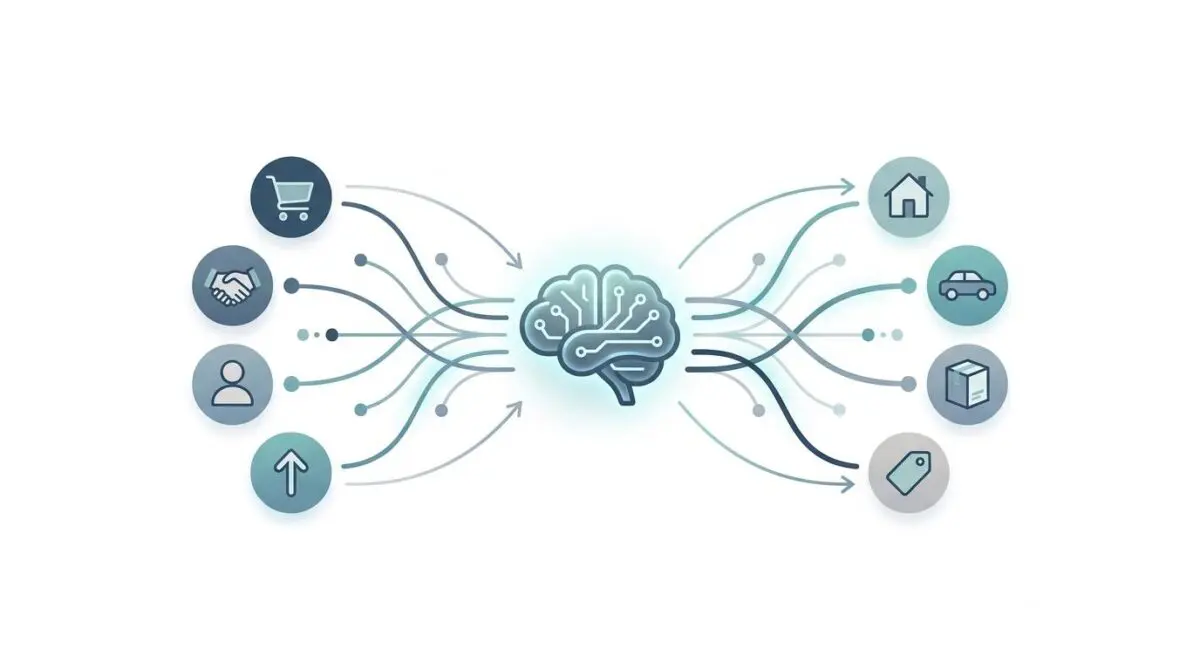
To bridge this gap, modern revenue teams are turning to Agentic Intent Orchestration and Predictive Matching Engines. These advanced systems autonomously read market signals to connect you with buyers precisely when they need your exact solution.
The Numbers Behind the Paradigm Shift
Market Intelligence & Data
The Invisible Shortlist
Business buyers now finalize their vendor shortlist before any direct contact with a seller in 95% of cases according to the 6sense 2025 Buyer Experience Report.
Sales Velocity Boost
Organizations adopting AI-driven enablement will achieve 40% faster sales stage velocity by 2029 compared to traditional methods as reported by Gartner in April 2026.
Agentic AI Adoption
Only 24% of B2B suppliers currently use ‘Agentic AI’ to autonomously restructure revenue workflows, creating a massive competitive gap in 2026 according to Salesforce State of Sales data.
Orchestration Market Value
The global AI Orchestration market, which powers buyer-seller matching, is projected to reach $13.99 billion in 2026 according to Fortune Business Insights 2026.
The reality of modern procurement is heavily weighted toward self-guided research and hidden evaluations. As highlighted by the 6sense 2025 Buyer Experience Report, a staggering majority of business buyers finalize their vendor shortlist before a seller even knows they exist. This invisible shortlist means traditional outbound methods are effectively obsolete.
Implementing intelligent orchestration does more than just find leads; it fundamentally accelerates the entire revenue timeline. Organizations leaning into this technology are seeing unprecedented momentum, as reported by leading industry analysts. By removing the friction of manual discovery, deals move from initial interest to closed-won at a much higher velocity.
Despite these clear advantages, there remains a massive competitive gap in the market regarding autonomous revenue workflows. Only a small fraction of B2B suppliers have fully integrated agentic systems to restructure their operations. This hesitation leaves a wide open playing field for early adopters to capture market share before the technology becomes ubiquitous.
The financial gravity of this shift is undeniable when looking at global market projections for orchestration platforms. With billions of dollars pouring into systems that power buyer-seller matching, the infrastructure for next-generation commerce is already being laid. Companies that fail to invest in predictive matching risk being permanently locked out of future digital procurement ecosystems.
Curing Lead Fatigue Through Signal-Based Discovery
Standard business-to-business prospecting is broken and yields an abysmal reply rate that leaves teams demoralized. Sellers waste the majority of their time trying to engage cold contacts who have zero immediate need for their services. This constant rejection creates severe lead fatigue across the entire revenue organization.
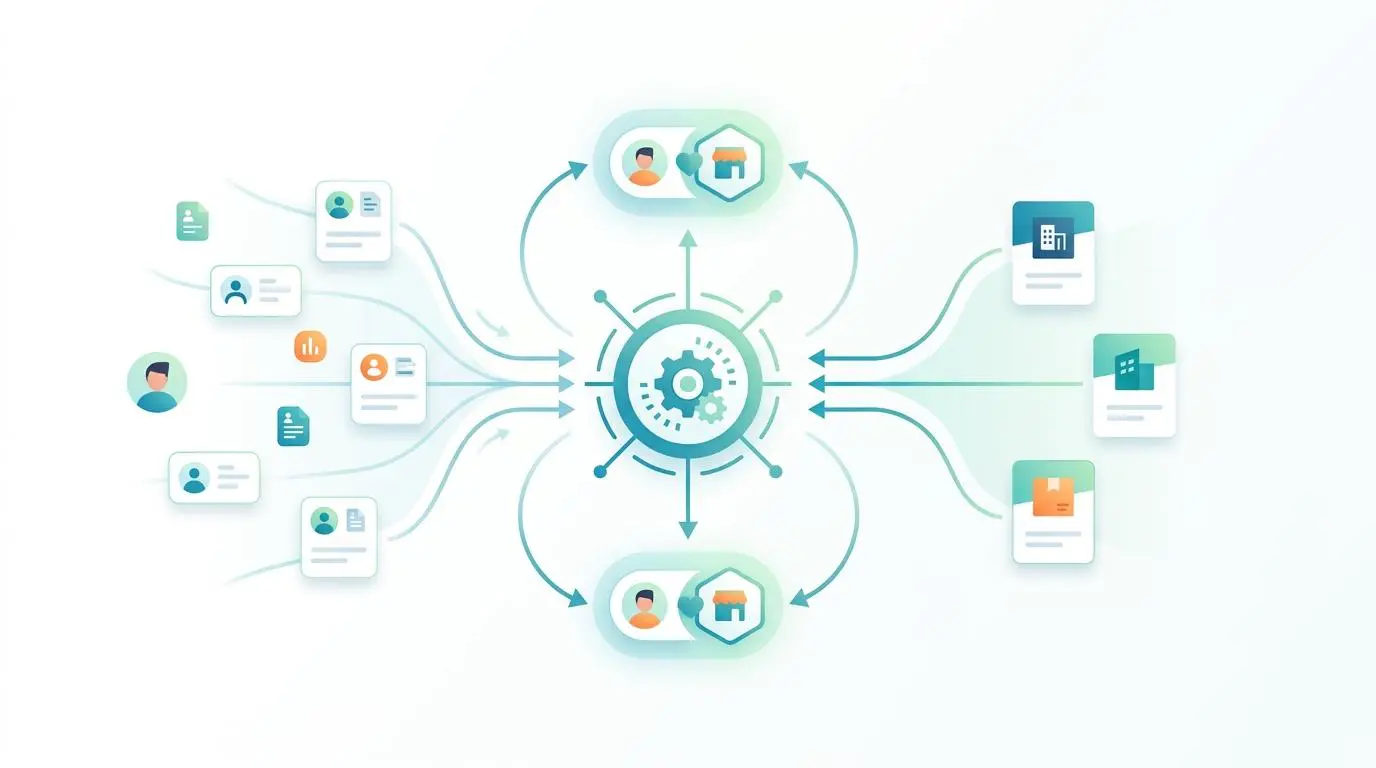
The solution lies in signal-based selling powered by platforms like Salesforce Agentforce and Autobound. These systems track real-time buyer behavior, such as executive job changes or new financial filings, to identify active buying windows. By acting on these triggers, you ensure your outreach is always relevant and perfectly timed.
Instead of relying on volume-based spam campaigns, predictive matching engines prioritize quality and intent. This shift guarantees that your sales force only spends energy on accounts that are genuinely ready to transact.
The Digital Matchmaker Effect
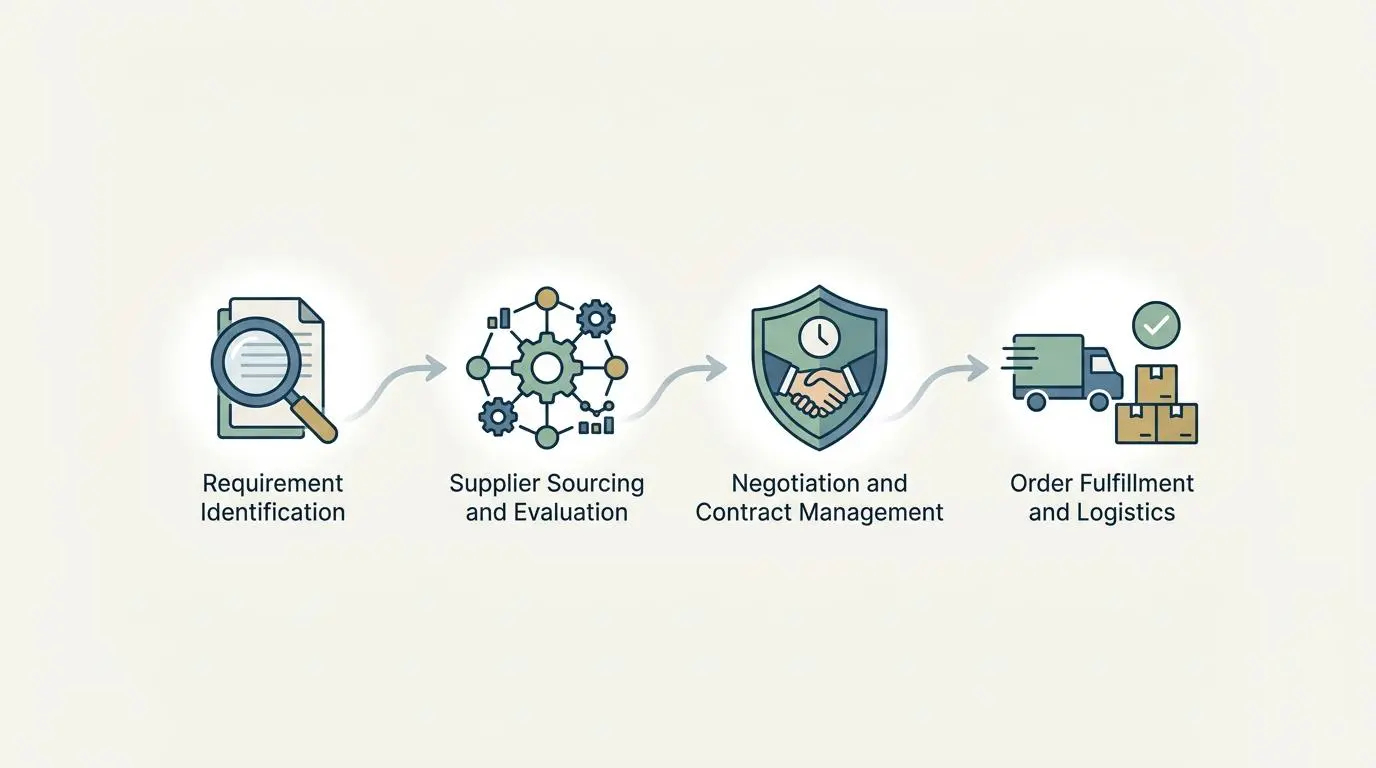
Understanding predictive matching is easiest when you compare it to a high-end digital matchmaker at a massive networking event. Traditional cold calling is like walking into that crowded party and shouting your name, hoping someone cares. It is noisy, inefficient, and often damages your brand reputation.
The digital matchmaker operates entirely behind the scenes before you even enter the room. It already knows every single guest’s budget, their internal pain points, and their strategic goals for the year. The system then quietly directs you to the exact person who is actively looking for someone with your specific expertise.
This eliminates the overwhelming feeling of searching for a needle in a haystack within crowded digital marketplaces. You bypass the noise entirely and move straight into meaningful conversations built on verified mutual value.
Evolving From Point Tools to Autonomous Workflows
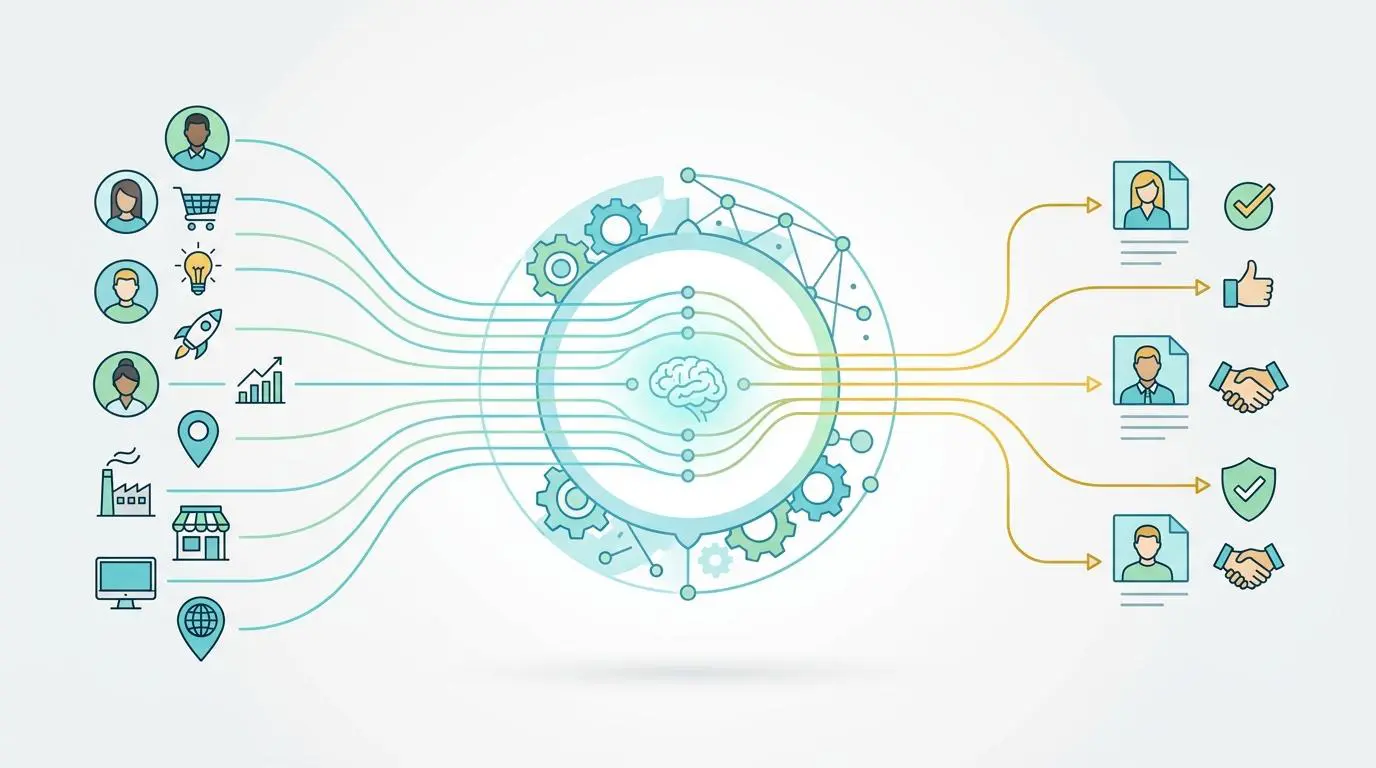
We are witnessing a massive shift from basic point-tool automation, like generating email drafts, to fully autonomous agentic workflows. Traditional keyword-based matching consistently fails because it cannot understand the deep context behind a buyer’s complex requirements. Modern systems solve this by utilizing Retrieval-Augmented Generation to analyze massive internal procurement documents.
These intelligent engines cross-reference a buyer’s highly technical needs against a seller’s capability matrix to find a near-perfect match. It is no longer about matching simple industry tags; it is about aligning specific operational capabilities with immediate corporate deficits. This ensures that when a connection is made, both parties are already aligned on the fundamental deliverables.
Furthermore, the transition to Google AI Mode as the default search interface has drastically reduced the value of traditional search engine rankings. Being at the top of a search results page no longer guarantees visibility unless your brand is actively cited within the synthesized AI answer. Predictive matching bypasses this search visibility crisis by connecting you directly through private data ecosystems.
Slashing Customer Acquisition Costs

Inefficient and non-targeted advertising spend has historically driven customer acquisition costs to unsustainable levels. Marketing teams pour capital into broad campaigns, hoping to capture a fraction of an active market. This spray-and-pray approach drains budgets and dilutes the overall return on investment.
The implementation of intelligent matching engines directly attacks this financial waste by hyper-targeting active buyers. Recent data from MassMetric shows that deploying these systems results in massive increases in campaign returns and operational efficiency. When you only spend money to acquire buyers who are already looking for you, the financial math changes completely.
This targeted approach frees up capital that can be reinvested into product development or customer success initiatives. Lowering acquisition costs while simultaneously increasing deal size is the ultimate leverage point for modern businesses.
Redefining the Sales Development Representative
The traditional role of the Sales Development Representative is evolving rapidly away from manual data entry and cold outreach. High turnover rates in sales have long been caused by the sheer burnout of repetitive and unrewarding prospecting tasks. Humans were never meant to operate like basic data-scraping algorithms.
Today, these professionals are transforming into highly strategic AI Orchestrators who manage fleets of autonomous agents. Their software handles the initial matching and qualification, allowing the human worker to focus entirely on high-stakes negotiation. This shift restores dignity to the role and drastically improves job satisfaction.
By removing the robotic elements of the job, companies can retain top talent and foster deeper client relationships. Trust-building and complex problem solving remain uniquely human traits that no matching engine can replicate.
Zero-UI and the Future of B2B Purchasing
Complex business buying cycles are notoriously slow and friction-heavy, often dragging on for up to a year. A vast majority of enterprise buyers now rely on generative interfaces as their primary source of self-guided research to avoid this friction. They want immediate answers without jumping through the hoops of traditional vendor qualification.
Matching engines are aggressively moving toward a Zero-UI environment where proactive suggestions replace manual search queries. The system simply observes a user’s ongoing projects and autonomously suggests the perfect vendor to solve their current bottleneck. There are no forms to fill out and no disjointed discovery calls to schedule.
This seamless user experience is the new baseline for enterprise software adoption. Vendors who force buyers through outdated multi-step qualification processes will simply be ignored by the algorithm.
The Dawn of Fully Autonomous Commerce
We are rapidly approaching an era where agentic commerce becomes the absolute standard for business transactions. In the near future, a buyer’s digital agent will autonomously negotiate initial pricing and service terms directly with a seller’s agent. Human supervisors will only need to step in at the very end for the final contract signature and strategic alignment.
This level of automation will unlock unprecedented scale for businesses willing to adapt their revenue architecture today. The companies that thrive will be those who trust their intelligent systems to handle the heavy lifting of market discovery.
Navigating the intersection of modern technology, software architecture, and business growth requires a sharp strategy. To future-proof your tech stack and scale with precision, connect with Andres at Andres SEO Expert.
Frequently Asked Questions
What is Agentic Intent Orchestration in B2B sales?
Agentic Intent Orchestration is an advanced system that utilizes autonomous agents to read market signals and buyer behaviors. It identifies active buying windows to connect sellers with prospects at the precise moment they need a specific solution, moving beyond traditional manual outreach.
How does predictive matching improve sales velocity?
According to Gartner, AI-driven sales enablement is projected to deliver 40% faster sales stage velocity by 2029. Predictive matching achieves this by removing the friction of manual discovery and ensuring sales teams only focus on accounts that have already shown verified intent to purchase.
What is the “invisible shortlist” in modern procurement?
The “invisible shortlist” refers to a paradigm shift where 95% of business buyers finalize their vendor preferences through self-guided research before ever contacting a seller. This phenomenon makes traditional cold outbound strategies less effective, as buyers are often deep in the evaluation phase before a vendor is even aware of the opportunity.
How does signal-based discovery help prevent lead fatigue?
Signal-based discovery uses platforms like Salesforce Agentforce to track real-time triggers, such as executive job changes or financial filings. By prioritizing outreach based on these quality signals rather than volume-based spam, sales teams avoid the burnout and rejection associated with contacting cold leads who have no immediate need.
Why is Retrieval-Augmented Generation (RAG) used in autonomous workflows?
RAG allows intelligent engines to analyze massive internal procurement documents and complex technical requirements. This ensures a more accurate match between a buyer’s immediate corporate deficits and a seller’s specific operational capabilities, which traditional keyword-based matching cannot achieve.
What is Zero-UI and its impact on the future of B2B purchasing?
Zero-UI refers to a future where proactive AI suggestions replace manual search queries and qualification forms. In this environment, buyer agents autonomously identify and suggest vendors based on current project bottlenecks, requiring vendors to be integrated into digital ecosystems to remain visible.