



Key Points
- Storage Efficiency: Binary Quantization in Embed v3 models reduces vector database storage costs by up to 95% while maintaining 99% of retrieval performance.
- Citation Accuracy: The Command R+ v2 API eliminates hallucinated citations by hard-coding source verification directly into its pre-training objective.
- Compute Optimization: A specialized Weights-Available architecture drastically lowers VRAM needs, reducing H100 and B200 GPU cluster requirements by up to 40%.
Table of Contents
The Brain vs. The Budget
Imagine hiring a brilliant researcher who demands a private jet just to visit the local library. That is exactly what happens when companies force massive, general-purpose AI models to process their internal documents.
The critical trade-off between high reasoning capabilities and operational cost-efficiency in high-throughput Retrieval-Augmented Generation (RAG) environments has become a major corporate bottleneck. Companies are burning through compute budgets just to get a simple, accurate answer from their own databases.
This is where Cohere Command R-Series Enterprise LLMs step in to completely redefine the architecture. Instead of relying on bloated, generalized models, the R-Series is purpose-built to balance top-tier reasoning with aggressive cost controls.
It acts as a highly efficient, specialized librarian that knows exactly how to fetch, cite, and synthesize data without unnecessary computational overhead.
Measuring The ROI Of Smarter Compute
The true value of an enterprise AI model is measured by its speed and its capacity to act autonomously. Recent data from an early 2026 OCI AI Performance Audit showed a massive 68% reduction in token latency.
Cohere’s optimized kernels deliver a significantly lower Time-to-First-Token (TTFT) compared to models like GPT-4o, especially when processing massive contexts of over 100,000 tokens. This speed is further enhanced by groundbreaking storage innovations.
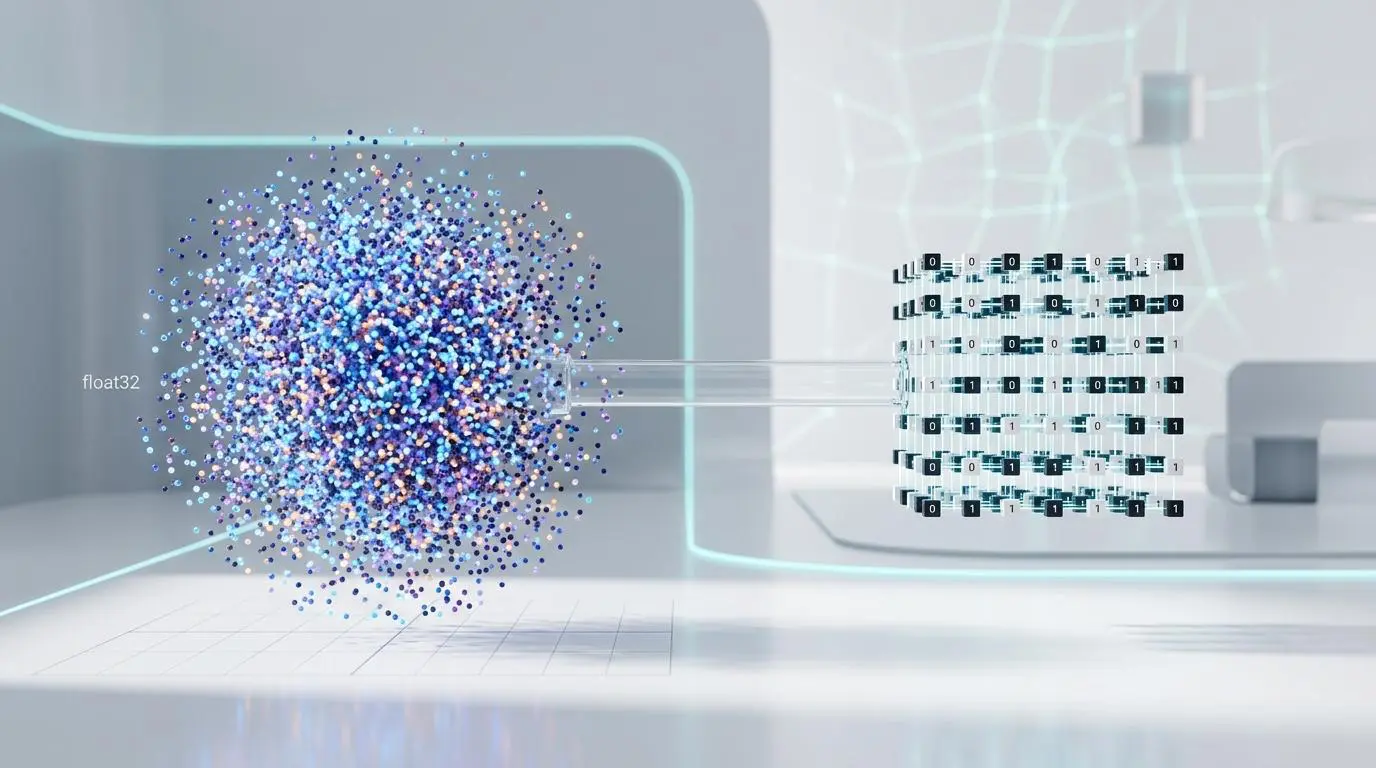
For instance, Cohere utilizes a unique Binary Quantization technique in their Embed v3 models, which cuts vector database storage costs by up to 95% while maintaining 99% of retrieval performance. This means you can store and search massive datasets for pennies on the dollar.
Beyond speed and storage, reliability is the final piece of the puzzle. The 2026 Stanford HELM Enterprise Benchmark verified a staggering 92.4% success rate for complex workflows, proving that Command R+ supports Multi-Step Tool Use better than the competition. It leads the industry in executing multi-layered API workflows entirely without human intervention.
Anchoring AI To Reality
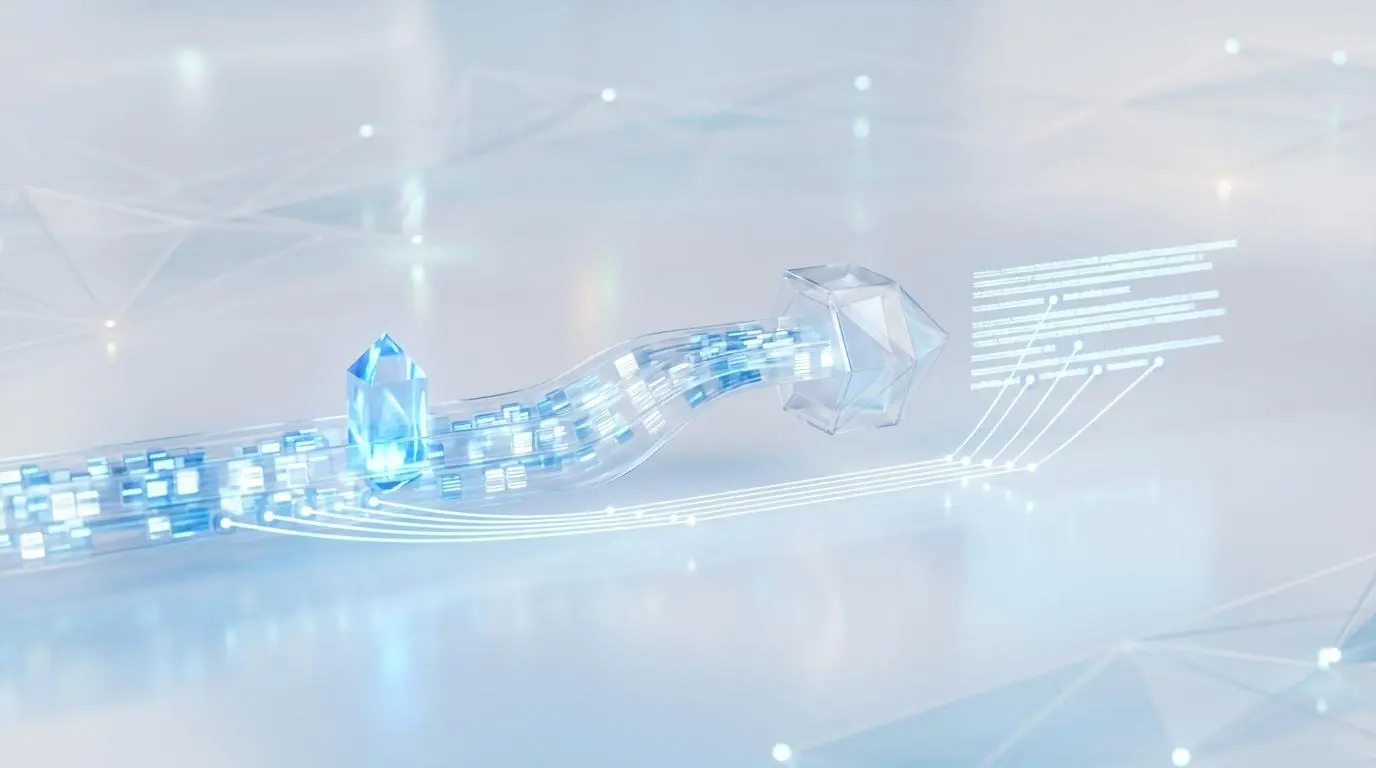
Enterprises constantly struggle with hallucinated citations, where an AI model confidently claims a source supports a fact when it clearly does not. This breaks trust and renders the AI useless for legal, medical, or financial workflows.
The Command R+ v2 API solves this by hard-coding citation requirements directly into its pre-training objective. By integrating natively with Rerank 3.5, the model optimizes search precision across multi-terabyte vector databases.
It essentially double-checks its own work before presenting it to the user. Furthermore, it leverages a massive 128k context window specifically designed for high-density document retrieval.
This ensures that the AI can read through dozens of dense corporate reports simultaneously without losing the thread or inventing false sources.
Self-Correcting Digital Workers
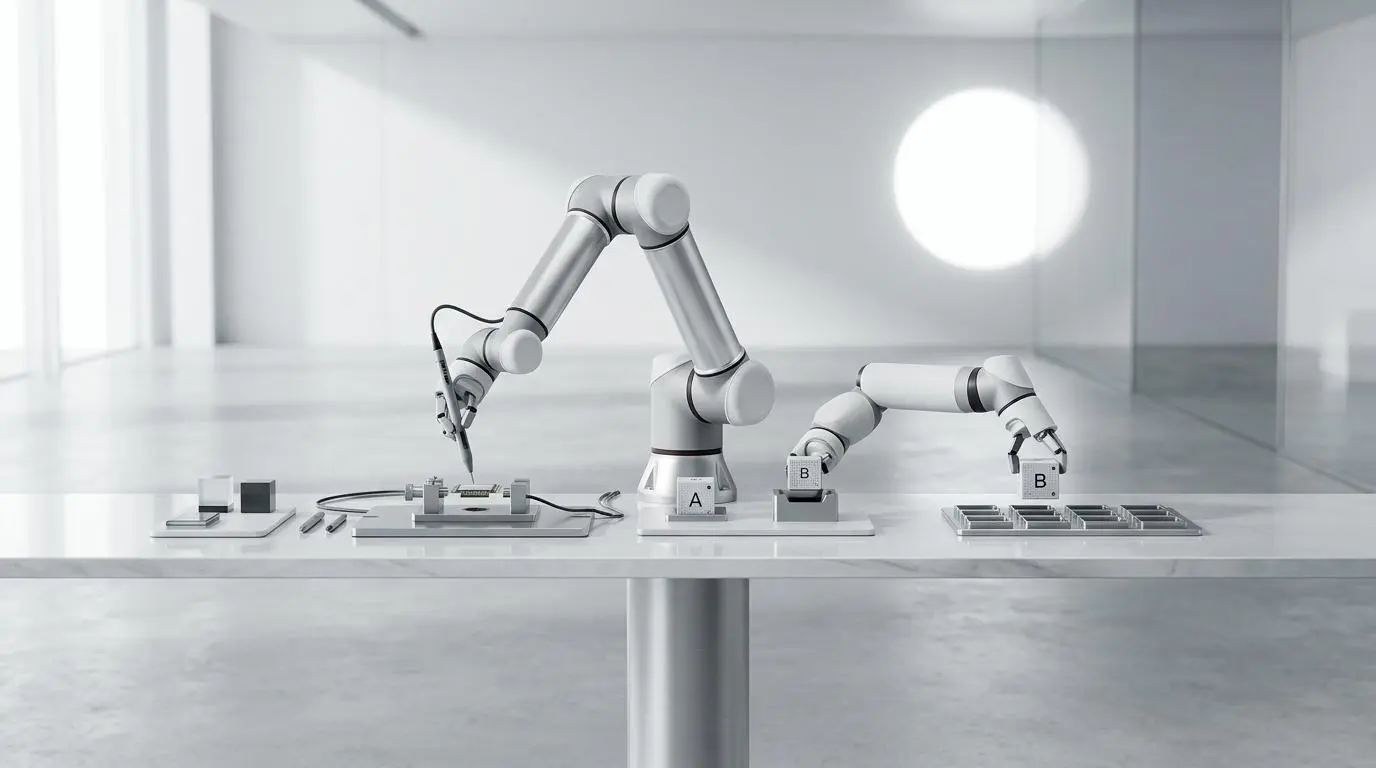
Most AI agents fail spectacularly when a sequence of actions requires a mid-course correction. If an agent hits a dead end while searching a CRM, it usually crashes instead of trying a different search term.
Cohere changes this dynamic entirely with a specific tool-calling fine-tuning layer. This architecture allows the model to self-diagnose tool-call failures on the fly.
If an API call fails, the agent pauses, adjusts its parameters, and retries the action autonomously. This means agents can seamlessly execute sequential API calls, like pulling client data from a CRM, checking inventory in an ERP, and verifying compliance in a legal database.
The result is a fluid, uninterrupted workflow that mimics human problem-solving.
Building The Air-Gapped Fortress
Regulated industries like banking and healthcare cannot risk using public APIs due to severe data transit vulnerabilities. Sending sensitive customer information over the open internet is a non-starter.
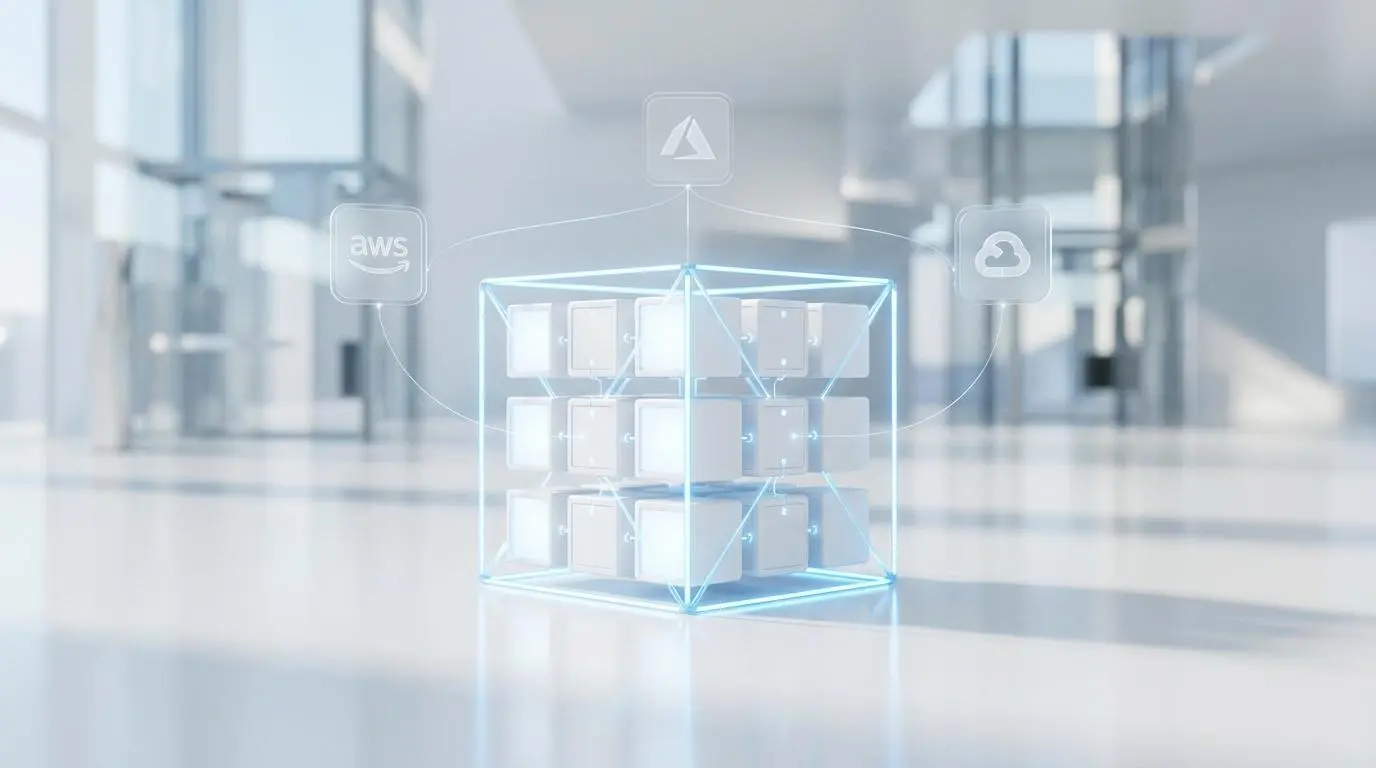
Cohere addresses this by offering cloud-agnostic, containerized deployments for air-gapped enterprise execution. Deployment via AWS Bedrock and Oracle Cloud Infrastructure (OCI) ensures strict data residency and VPC isolation.
Your corporate data never leaves your secure environment. Additionally, Cohere models support innovative Data-Free Training paradigms.
In this setup, models are fine-tuned entirely on synthetic data, completely eliminating the risk of original Personally Identifiable Information (PII) leakage.
Shrinking The GPU Footprint
The massive VRAM requirements of 100-billion parameter models make scaling enterprise-wide agents highly cost-prohibitive. Buying enough GPUs to support thousands of employees is simply not sustainable for most IT budgets.
Cohere attacks this hardware bottleneck directly. Command R-series models utilize a highly efficient Weights-Available architecture.
This design dramatically outperforms larger, heavier models on both 4-bit and 8-bit quantization benchmarks. By maximizing parameter efficiency, enterprises can achieve a 40% reduction in H100 or B200 cluster requirements.
This allows for much higher user concurrency on a significantly smaller, cheaper GPU footprint.
The Dawn Of Continuous Learning
The future of AI infrastructure is rapidly moving away from static models and toward living, breathing systems. By 2027, Cohere is expected to transition to Continuous Learning RAG (CL-RAG).
In this new paradigm, Command models will perform real-time updates to their internal weights based on validated enterprise data streams. This will completely eliminate the need for expensive, time-consuming full fine-tuning cycles.
Navigating the intersection of Enterprise AI, infrastructure scaling, and workflow automation requires a sharp strategy. To future-proof your company’s AI operations and scale with precision, connect with Andres at Andres SEO Expert.
Frequently Asked Questions
What is the primary advantage of Cohere Command R-Series for enterprise RAG?
The Command R-Series is purpose-built to balance high reasoning capabilities with operational cost-efficiency. It acts as a specialized librarian for Retrieval-Augmented Generation (RAG), fetching and synthesizing data without the massive computational overhead associated with general-purpose AI models.
How does Binary Quantization in Embed v3 models impact storage costs?
Cohere’s Binary Quantization technique reduces vector database storage costs by up to 95% while maintaining 99% of retrieval performance. This allows enterprises to execute high-density searches across massive datasets for a fraction of the traditional cost.
Can Cohere Command R+ execute complex API workflows autonomously?
Yes, Command R+ leads the industry in Multi-Step Tool Use with a 92.4% success rate. It features a tool-calling fine-tuning layer that allows the model to self-diagnose failures and autonomously retry API calls to complete sequential workflows without human intervention.
How does the R-Series address data privacy in regulated industries?
Cohere offers cloud-agnostic, containerized deployments for air-gapped execution via AWS Bedrock and Oracle Cloud Infrastructure (OCI). This ensures strict data residency and VPC isolation, preventing sensitive corporate information from leaving the secure environment.
What are the hardware benefits of Cohere’s Weights-Available architecture?
The Weights-Available architecture maximizes parameter efficiency, allowing for a 40% reduction in H100 or B200 GPU cluster requirements. This enables enterprises to support higher user concurrency on a significantly smaller and more sustainable hardware footprint.
How does Command R+ prevent AI hallucinations and false citations?
The model hard-codes citation requirements directly into its pre-training objective. By natively integrating with Rerank 3.5 and utilizing a 128k context window, Command R+ optimizes search precision to ensure every claim is anchored to a verified source.