Key Points
- Unified Intelligence: Databricks Mosaic AI eliminates the friction between siloed enterprise data and advanced language models, resolving high latency and governance risks.
- Cost-Effective Scaling: Breakthroughs in FLOP-efficiency and accessible pricing empower small to medium businesses to train highly specialized, domain-specific AI models.
- Autonomous Swarms: The future shifts toward multi-agent systems that autonomously manage complex data pipelines under human supervision, drastically reducing manual data preparation.
Table of Contents
The Great Enterprise Disconnect
Imagine owning the world’s most extensive, priceless library, but the only librarian on duty speaks a completely different language and refuses to use the catalog system.
This is the frustrating reality for modern businesses facing the dreaded Data-AI Gap. Companies sit on mountains of incredibly valuable, proprietary data securely locked away in Delta Lakes. Yet, when they attempt to connect this goldmine to powerful Large Language Models, the entire system breaks down.
The result is a chaotic web of high latency, immense governing risks, and heavily siloed intelligence. Custom AI development, which should be a massive competitive advantage, quickly becomes an operational nightmare.
Enter Databricks Mosaic AI. This technology acts as the ultimate universal translator and master architect combined. It seamlessly bridges the divide, allowing advanced models to securely read, understand, and act upon your company’s deepest data reserves without ever compromising security.
Metrics That Matter: The Autonomous Shift

The landscape of enterprise technology is transforming at breakneck speed. We are no longer just talking to simple, reactive chatbots; we are deploying proactive digital workforces powered by advanced open models. This shift is heavily driven by innovations like the 132B parameter fine-grained Mixture-of-Experts (MoE) architecture, which makes these systems remarkably faster and smarter.
According to the “2026 State of AI Agents” report released by Databricks, there has been a staggering 327% surge in multi-agent adoption within just four months. This massive shift proves that businesses are rapidly moving away from single-prompt novelties toward autonomous, interconnected systems that can handle complex workflows.
Furthermore, this automation is reshaping the very foundation of how we store and manage digital information. Forbes recently highlighted that 80% of new enterprise databases are now being autonomously constructed and managed by AI agents rather than human database administrators.
Human database experts are stepping into strategic supervisory roles while the AI seamlessly handles the heavy lifting of data architecture. This rapid evolution is supported by incredibly accessible infrastructure, with Mosaic AI Model Serving pricing starting at just $0.07 per DBU. This aggressive pricing model makes deploying serverless foundation models a realistic financial strategy for companies of all sizes.
Orchestrating the Corporate Mind
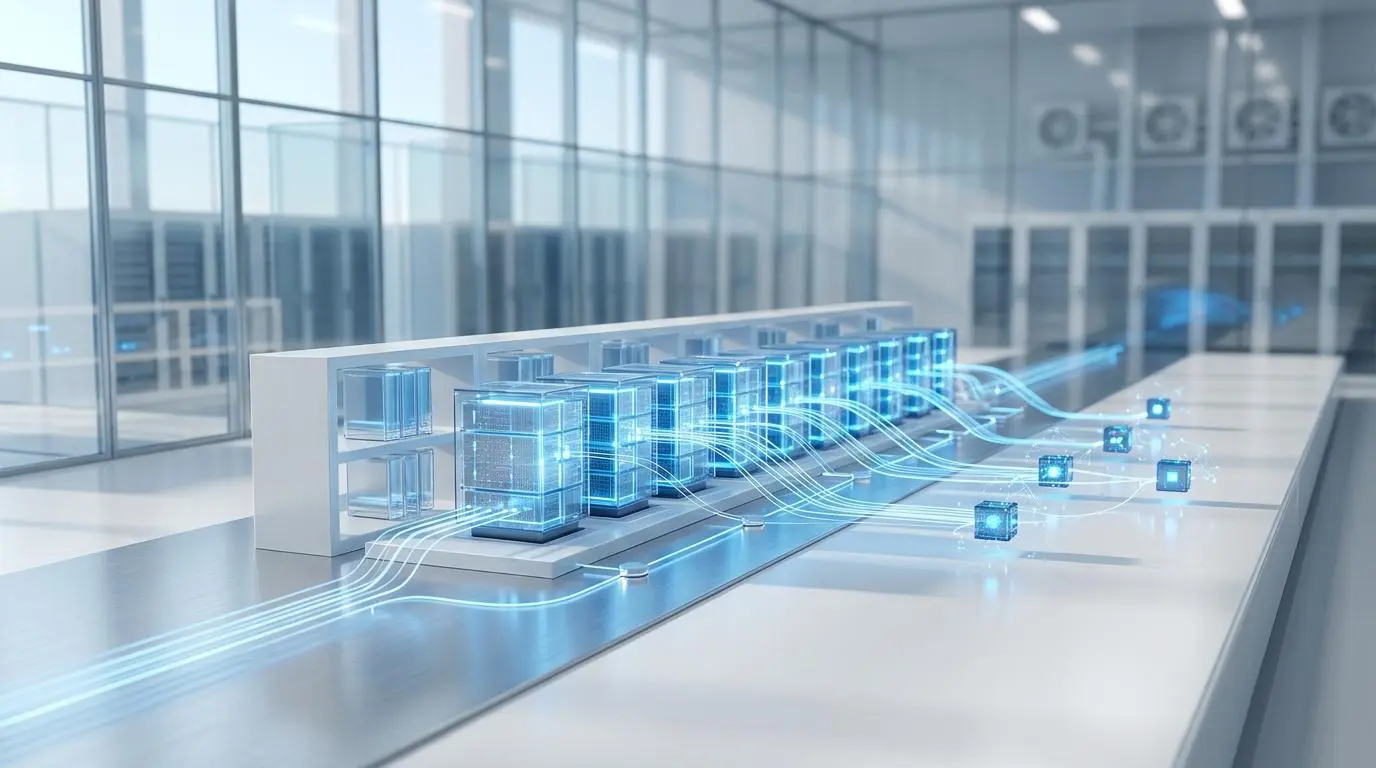
For years, businesses struggled immensely with single-prompt models. These early systems were notoriously rigid, unable to reason over live, structured company data without relying on complex, brittle ETL pipelines.
If the underlying data changed even slightly, the whole pipeline often shattered, leaving data teams scrambling to fix broken connections. The introduction of Lakebase in early 2026 changes this equation entirely.
Acting as a managed Postgres-compatible database designed specifically for the Agentic AI era, Lakebase brings elegant structure to the chaos. Combined with Foundation Model APIs serving powerhouses like GPT-5.4 and Claude 4.8 directly within the governance layer, the AI can finally think using your live business data.
It is exactly like giving your company a centralized, highly secure brain that updates its knowledge in real-time. This eliminates the need for fragile data extraction processes and ensures your AI always operates on the freshest insights.
Shattering the Cost Barrier
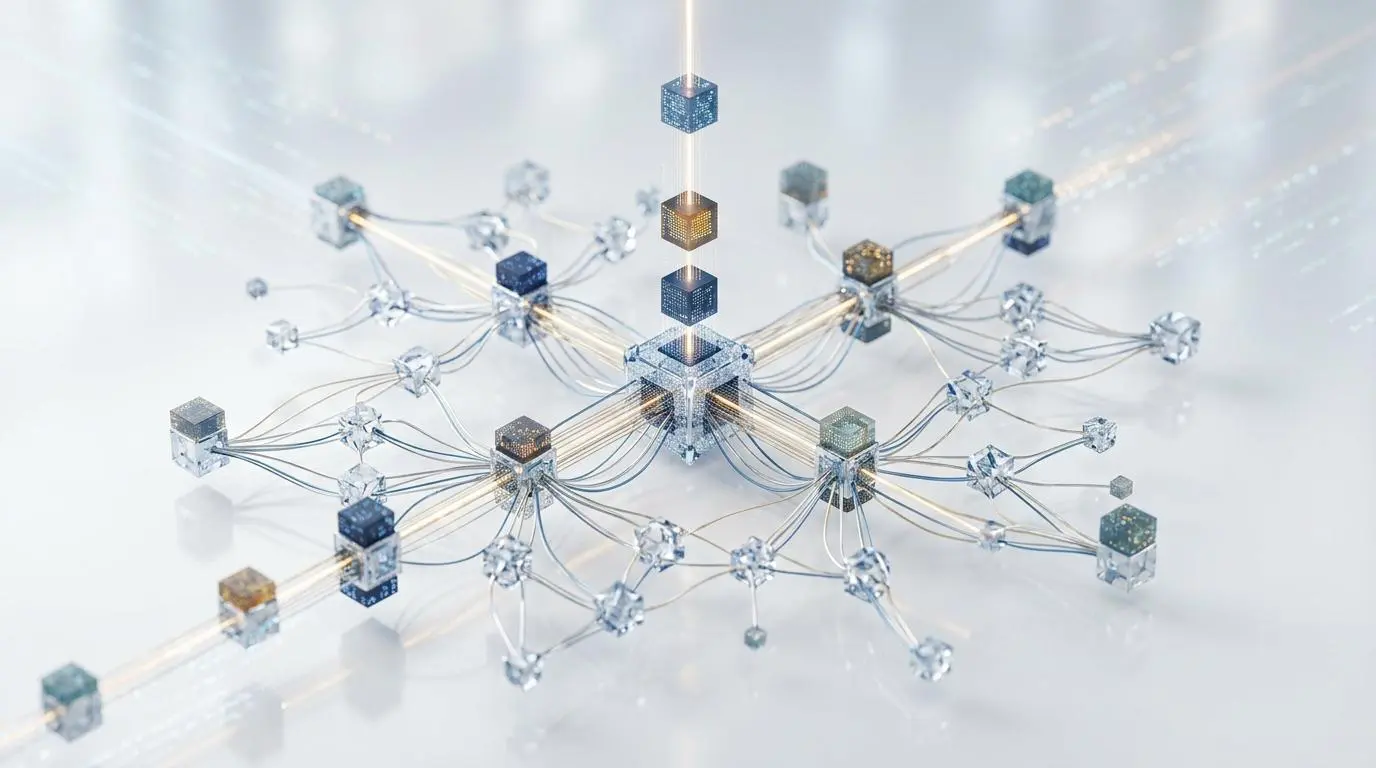
Historically, small to medium enterprises were completely priced out of the elite AI race. Training high-parameter models required massive capital, forcing smaller players to rely on general-purpose APIs.
These generic models lacked crucial domain-specific context, leading to generic, unhelpful outputs that failed to solve unique business problems. Databricks Mosaic AI is aggressively leveling the playing field for these organizations.
By introducing a remarkable 4x improvement in FLOP-efficiency for custom Mixture-of-Experts training, the cost to build specialized intelligence has plummeted. Mid-sized companies can now train models that truly understand their specific industry jargon and customer needs.
Making this technology even more accessible, as of June 1, 2026, Databricks officially renamed Vector Search to AI Search. This pivotal update introduced the ability to create full-text search indexes without requiring pre-computed embeddings or vectors. It significantly lowers the entry barrier for building robust Retrieval-Augmented Generation applications, democratizing advanced search capabilities for everyone.
The New Developer Dynamic

Data scientists used to be bogged down by endless digital janitorial work. They spent up to 80% of their valuable time manually debugging, cleaning data, and preparing pipelines rather than driving actual model innovation.
It was a massive drain on human creativity and highly paid technical talent. The June 2026 release of the Supervisor Agent API flips this exhausting dynamic completely on its head.
Human developers no longer need to write every single line of mundane data-cleaning code. Instead, they act as high-level managers overseeing sophisticated multi-agent systems.
Sub-agents autonomously handle specific, tedious SQL or Python tasks in the background. The human developer acts as the strategic supervisor, ensuring the governed AI agents execute the broader business vision flawlessly.
Breaking the Vendor Chains
A dark cloud hanging over enterprise AI adoption has always been the pervasive fear of vendor lock-in. Companies are understandably terrified of handing over their proprietary data and operational reliance to closed, proprietary models.
They desperately need open-weights alternatives that guarantee full ownership of their data lineage and intellectual property. Databricks answered this urgent call with a monumental leap in open-source capabilities.
The evolution of DBRX into a massive 132B parameter fine-grained MoE architecture gives enterprises the ultimate freedom. As of June 2026, this open model actively outperforms specialized giants like GPT-4 on complex coding benchmarks.
This breakthrough proves that businesses do not have to sacrifice top-tier performance to maintain absolute control over their technology stack. They can deploy world-class AI while keeping their data securely within their own walls.
The Dawn of Agentic Swarms
As we look toward 2027, the AI landscape will undergo another seismic, foundational shift. We are rapidly moving past the era of simply building agents and entering the age of agentic swarms.
These interconnected networks of AI will autonomously manage entire data governance ecosystems without human intervention. While the training costs for these frontier models are projected to exceed $1 billion, the everyday business will reap the ultimate rewards.
Inference costs are expected to drop by a staggering 900x for specialized tasks, making elite intelligence an invisible, everyday utility. The companies that actively prepare their data foundations today will be the ones commanding these powerful swarms tomorrow.
Navigating the rapid evolution of Artificial Intelligence and digital innovation requires a sharp strategy. To future-proof your digital presence and scale your business with precision, connect with Andres at Andres SEO Expert.
Frequently Asked Questions
What is Databricks Mosaic AI and how does it address the Data-AI Gap?
Databricks Mosaic AI acts as a universal translator that bridges the gap between proprietary data securely locked in Delta Lakes and Large Language Models, allowing models to understand and act on company data without compromising security.
How much does Databricks Mosaic AI Model Serving cost?
Pricing for Mosaic AI Model Serving is designed for accessibility, starting at $0.07 per Databricks Unit (DBU). This serverless foundation model approach allows companies of all sizes to deploy advanced AI models cost-effectively.
What is Databricks Lakebase and how does it impact enterprise AI?
Lakebase is a managed Postgres-compatible database launched in 2026 for Agentic AI. It provides a structured governance layer that allows AI to reason over live business data without the need for fragile ETL pipelines.
What is the difference between AI Search and the former Vector Search?
Renamed in June 2026, AI Search expands on Vector Search by allowing for full-text search indexes that do not require pre-computed embeddings. This update makes building Retrieval-Augmented Generation (RAG) applications significantly easier.
How does the Supervisor Agent API change developer workflows?
The Supervisor Agent API enables developers to transition from manual data cleaning and coding tasks to high-level strategic supervision. Sub-agents handle mundane SQL and Python tasks, while humans ensure the AI executes the broader business vision.
Can open-source models like DBRX compete with GPT-4?
Yes. The 132B parameter fine-grained Mixture-of-Experts (MoE) architecture of DBRX has evolved to outperform specialized proprietary models like GPT-4 on coding benchmarks, offering enterprises top-tier performance without vendor lock-in.