Key Points
- Intent-Driven Routing – Advanced LLMs analyze incoming messages to distinguish casual browsers from high-intent buyers before firing scheduling links.
- Zero-Friction Booking – Meta upcoming interface updates allow users to select calendar slots natively within the chat bubble without browser redirects.
- Unified Infrastructure – The 2026 WhatsApp Coexistence update enables businesses to run cloud automations alongside manual apps on a single phone number.
Table of Contents
The Core Friction
Imagine a local baker receiving a text at midnight asking for a wedding cake consultation. Now picture an enterprise sales director getting a message from a high-value prospect while boarding a transatlantic flight.
In both scenarios, the prospect has expressed immediate intent to meet. However, manual scheduling requires a tedious back-and-forth exchange to find a suitable time.
This calendar dance introduces massive friction into the buying journey. When sales teams are offline or simply too busy to reply instantly, the prospect enthusiasm quickly fades.
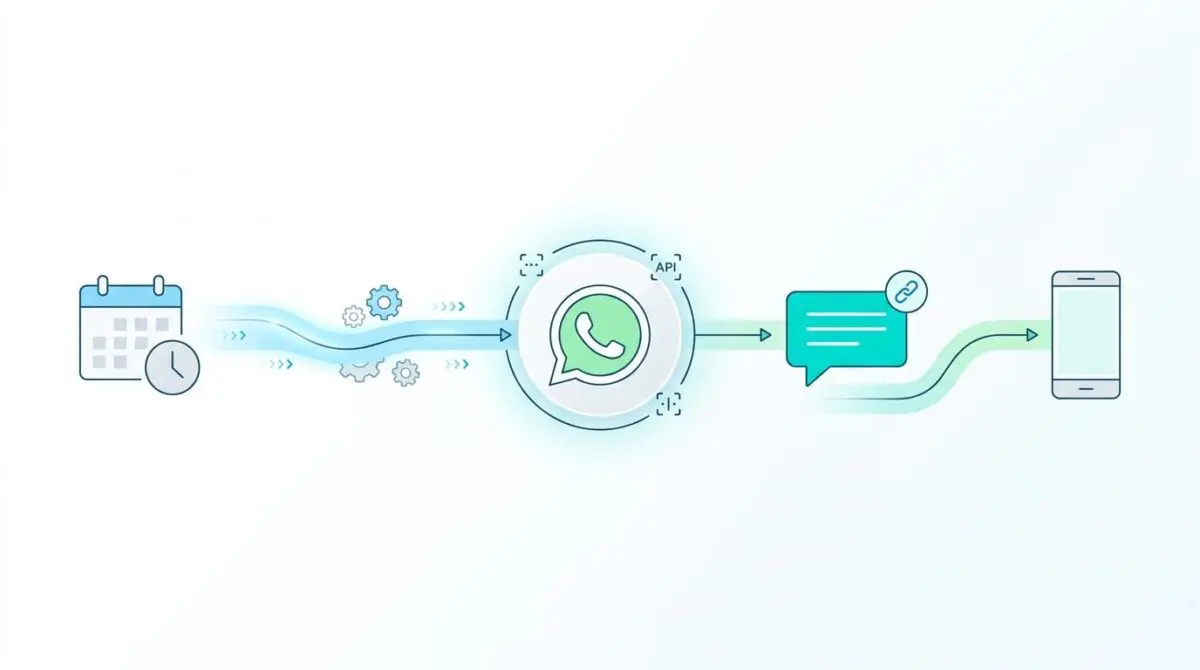
Implementing WhatsApp Conversational Scheduling Automation acts as the ultimate remedy for this operational bottleneck. It replaces human delays with instant, intelligent routing that captures leads the second they reach out.
Data-Driven Insights for Smarter Growth
Market Intelligence & Data
Conversational Conversion Rate
According to a 2026 Aisensy report, WhatsApp-driven conversational commerce achieves conversion rates up to 12x higher than traditional email and SMS channels.
Reduction in No-Shows
According to a 2026 study by Resayil.io, businesses deploying automated WhatsApp scheduling and reminders saw a 35% drop in appointment no-shows compared to manual methods.
In-Chat Flow Uplift
Internal Meta data from early 2026 indicates that using ‘WhatsApp Flows’ for in-chat actions increases conversion rates by 158% compared to redirecting users to external websites.
Response Speed Improvement
Brands implementing WhatsApp Business API automation improved their average response speeds by 225% according to a 2026 Jesty CRM benchmark report.
When evaluating operational efficiency, the speed at which you reply directly dictates your revenue potential. It is a proven reality that 78% of customers buy from the first business that responds, making instant replies absolutely non-negotiable for modern teams.
By moving these crucial interactions into a native chat interface, businesses leverage the fact that WhatsApp boasts a 98% open rate compared to 20% for email. This massive visibility ensures that automated scheduling links are actually seen and clicked within seconds.
The Daily Friction
The delay between a prospect asking for a meeting and receiving a booking link creates a dangerous window of time. This window allows for intent evaporation, where the prospect simply moves on to a faster competitor.
In high-intent service sectors, lead conversion decays exponentially if the response takes longer than five minutes. Traditional scheduling workflows happen outside of business hours when teams are entirely offline.
This results in a staggering drop-off rate between the initial text inquiry and a confirmed calendar booking. Automating this sequence ensures your business remains open and responsive around the clock.
The No-Code & Low-Code Revolution
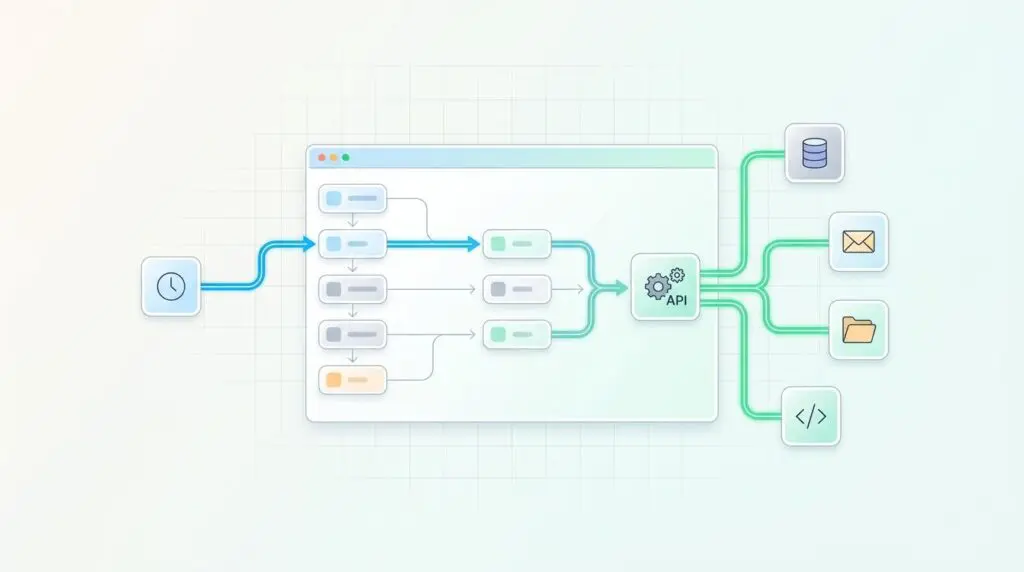
Building direct API integrations between Meta and calendar platforms used to require expensive engineering teams. Today, visual automation platforms bridge this technical gap in a matter of hours.
Modern technology stacks utilize platforms like Make or n8n to seamlessly connect the WhatsApp Business Cloud API with scheduling engines. A typical workflow uses a webhook trigger to catch incoming messages instantly.
The message is then passed through an intelligent filtering node before firing a dynamic template containing the booking link. Furthermore, as of January 2026, Meta WhatsApp Coexistence update allows businesses to run the Cloud API and the Business App on the exact same phone number simultaneously.
This pivotal update solves the historical migration lock-out problem that previously plagued small business owners. Now, automated bots can handle the initial scheduling while humans jump in later seamlessly.
AI-Agent Integration
Basic keyword bots are notoriously brittle and often create a robotic, frustrating user experience. If a user types a complex sentence, a simple bot might incorrectly fire a scheduling link at the wrong time.
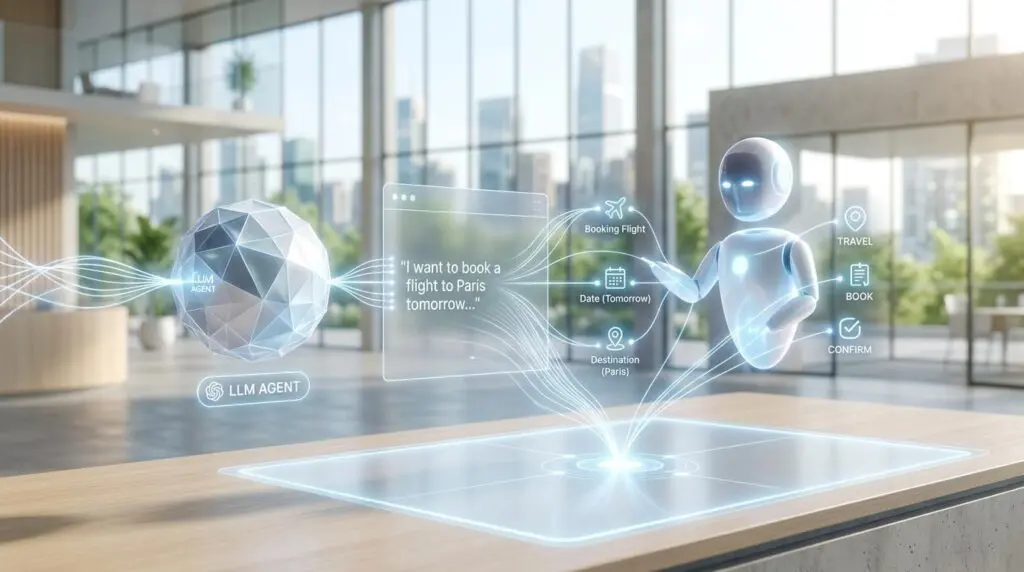
Advanced flows now deploy large language models as sophisticated intent-detectors. These AI agents analyze the nuanced sentiment of an incoming message to determine true booking readiness.
Modern AI agents evaluate multiple conversational factors instantly:
- Sentiment Analysis – Distinguishing between frustrated urgency and casual curiosity.
- Contextual Memory – Remembering previous interactions to avoid repetitive questions.
- CRM Verification – Checking existing database records before offering premium time slots.
They can easily distinguish between a user who is just browsing and one who is ready to commit to a meeting. This ensures that your calendar links are exclusively sent to highly qualified leads.
Customer Experience (CX) Automation
Redirecting users from their favorite chat application to a clunky browser-based landing page causes significant mobile navigation friction. Every extra tap increases the likelihood of session abandonment.
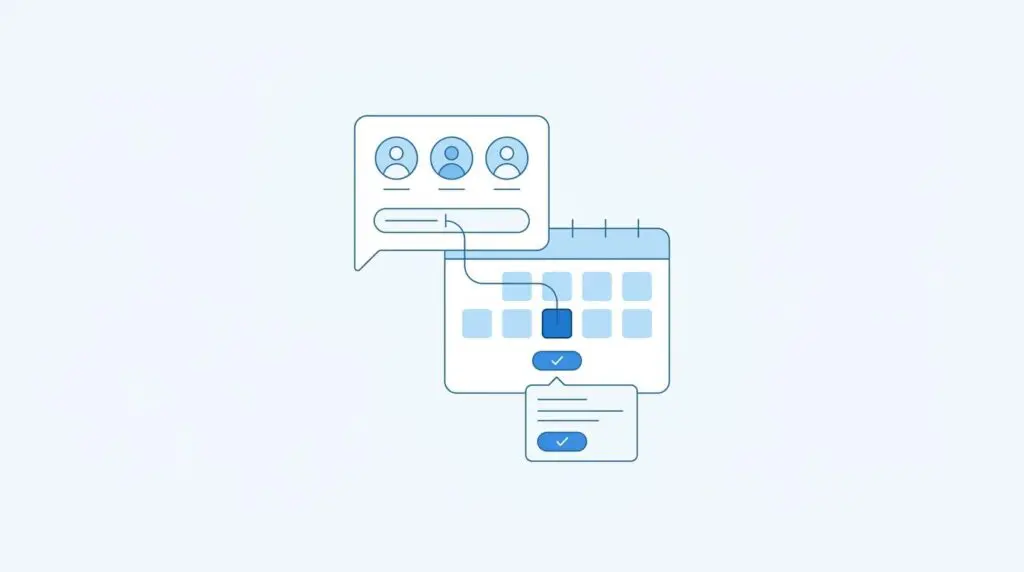
Automating the booking delivery directly within the chat window keeps the user in a highly familiar and trusted environment. This seamless transition drastically improves the overall customer experience.
By removing external barriers, businesses achieve vastly superior conversion rates for conversation-to-booking events. The user feels guided rather than interrupted.
The Future Horizon (2026 and Beyond)
The transition from external scheduling links to native in-app workflows is rapidly becoming the new standard. Meta latest interface updates allow users to select dates and times from a calendar picker directly inside the chat bubble.
By late 2026, automated scheduling will evolve entirely toward agentic intent mapping. AI agents will verify a user qualification status against CRM data in real time.
Instead of sending a generic link, the AI will suggest three specific, available time slots directly in the conversation. The user will simply tap a button to confirm, prompting the AI to lock the slot in the CRM and send an instant calendar invite natively.
Navigating the intersection of technology, workflows, and operational efficiency requires a sharp strategy. To future-proof your business architecture and scale with precision, connect with Andres at Andres SEO Expert.
Frequently Asked Questions
Why is WhatsApp more effective than email for scheduling appointments?
WhatsApp boasts a 98% open rate compared to just 20% for email, making it significantly more likely that a booking link will be seen and acted upon immediately. By meeting prospects where they are already active, businesses can achieve conversion rates up to 12x higher than traditional channels.
What is WhatsApp Conversational Scheduling Automation?
WhatsApp Conversational Scheduling Automation is a workflow that uses the WhatsApp Business Cloud API and automation platforms like Make or n8n to book meetings instantly. It replaces manual back-and-forth exchanges with intelligent, real-time calendar integration directly within the chat interface.
Can I use the WhatsApp Business App and the Cloud API on the same phone number?
As of the January 2026 Meta update, businesses can utilize WhatsApp Coexistence, which allows the Cloud API and the standard Business App to run on the exact same phone number simultaneously. This enables automated bots to handle scheduling while human agents manage complex inquiries.
How does AI improve the automated booking experience on WhatsApp?
Unlike basic keyword bots, AI agents use sentiment analysis and contextual memory to detect a users true intent. They can distinguish between casual inquiries and high-intent prospects, ensuring that calendar links are only sent to qualified leads who are ready to commit.
Does automating WhatsApp scheduling really reduce appointment no-shows?
Yes, research from early 2026 indicates that businesses deploying automated WhatsApp scheduling and reminders see a 35% reduction in no-shows. The ability to send instant confirmations and native chat reminders keeps the appointment top-of-mind for the customer.
What are the benefits of using native WhatsApp Flows for scheduling?
WhatsApp Flows allow users to select dates and times from a calendar picker directly inside the chat bubble. This native experience results in a 158% uplift in conversions compared to redirecting users to external browser-based booking pages, which often cause mobile navigation friction.